
Flowers
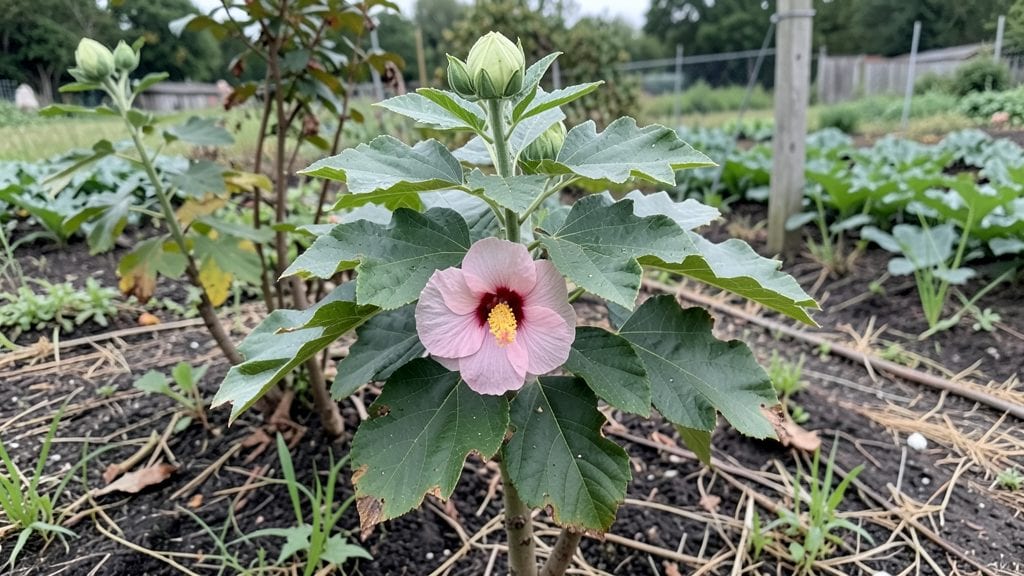
Growing rose mallow flowers in the Pacific Northwest means you can finally have those showstopping hibiscus blooms without worrying about frost damage. 🌿 I’ve been growing them here for years, and they’ve become my go-to for dramatic summer color—even after our chilly nights.
These plants thrive where others fail, with their deep roots and sturdy stems handling our damp, cool summers like a champ.
The secret to their success starts with the right spot: full sun for at least 6 hours a day and soil that drains well but stays moist.
Amend heavy clay with compost, and avoid soggy conditions—they’ll reward you with 5-inch blooms in shades of pink, white, or deep red from mid-summer through frost. Pruning in late winter keeps them tidy and encourages stronger growth.
You’ll love how low-maintenance they are once established—just water deeply once a week and deadhead spent blooms to keep flowers coming. The foliage alone adds texture, but those dinner-plate blooms? They’ll make your garden the talk of the neighborhood. Ready to add some drama without the fuss?
Perfect for rain gardens, pond edges, or as a statement plant in mixed borders. These are the hibiscus for people who want beauty and resilience—no greenhouses or coddling required. Let’s get yours planted!
📚 In This Guide
- What you need
- Instructions
- Tips and common mistakes
- Wrapping up and next steps
What you need
- ● Rose Mallow Plants: 1–3 nursery-grown transplants (3–4 ft tall, hardy to USDA Zones 5–9)
- ● OR seeds (collect from mature blooms or buy from reputable suppliers)
- ● Soil: 6–8 bags (40 lb each) of well-draining garden soil mix (amend with compost for moisture retention)
- ● 1 bag (50 lb) of organic compost or aged manure
- ● Fertilizer: 1 lb of balanced slow-release fertilizer (10-10-10 or 5-10-10)
- ● 1 lb of bone meal (for phosphorus, encourages root growth)
- ● Gardening Tools: 1 trowel (for transplanting)
- ● 1 garden fork (for soil aeration)
- ● 1 pair of pruning shears (sterilized)
- ● 1 watering can or hose with adjustable nozzle
- ○ Optional (But Helpful!): Mulch (straw or wood chips, 2–3 inches thick)
- ● Stakes or cages (for support, especially in windy PNW regions)
- ● pH testing kit (ideal range: 6.0–7.0)
- ● Row covers (for early-season frost protection)
- ● A sunny spot with 6+ hours of direct sunlight daily (partial shade in hot afternoons helps in Zone 8+).
- ● Space: 3–5 feet apart (they grow wide and tall!).
- ● Water access: Drip irrigation or soaker hose recommended for consistent moisture.
- ● Timing: Plant transplants in spring (after last frost) or seeds indoors 8–10 weeks before last frost.
Step-by-step guide to growing hardy rose mallows in the PNW
Here’s how to get those bold, tropical-looking blooms thriving in your cold-climate garden.
🌱 Step 1: Pick the Perfect Spot with Shelter
Rose mallows (Hibiscus moscheutos) love sun but need protection from harsh winds—common in the Pacific Northwest. Choose a location with at least 6 hours of direct sunlight daily, ideally near a fence or shrub line. These plants grow 4-6 feet tall, so space them 3-4 feet apart to prevent overcrowding and improve airflow.
I always check the soil first—rose mallows hate soggy roots but need consistent moisture. Amend heavy clay with 2-3 inches of compost to improve drainage. If your soil is acidic (common in the PNW), add a handful of lime to raise the pH slightly—these plants prefer 6.0-7.0. A quick soil test kit makes this easy.
☀️ Step 2: Plant in Early Spring After Frost
Wait until after the last frost date (usually mid-May in most of the PNW) to plant. Dig holes twice as wide as the root ball but no deeper—this encourages strong root spread. Gently loosen the roots if they’re circling, then place the plant so the top of the root ball sits just below soil level. Fill with native soil mixed with compost.
Water deeply right after planting—1 gallon per plant—to settle the soil and eliminate air pockets. Mulch with 2-3 inches of shredded bark to retain moisture and protect roots from winter temps down to 10°F. Avoid piling mulch against stems; keep it 2 inches away to prevent rot.
💧 Step 3: Water Deeply and Fertilize Strategically
Rose mallows need 1-2 inches of water per week, but they’re drought-tolerant once established. Water at the base in the morning to reduce fungal risks. You’ll know they’re thirsty when the lower leaves start wilting—don’t wait until the soil is bone-dry. Let the top 2 inches of soil dry out between waterings to prevent root rot.
Feed lightly in early spring with a balanced 10-10-10 fertilizer (about ½ cup per plant). Stop fertilizing after midsummer—too much nitrogen late in the season delays fall hardening. I’ve found that compost tea in late summer gives a gentle nutrient boost without stressing the plant.
✂️ Step 4: Prune for Health and More Blooms
Cut back dead or diseased stems in early spring before new growth starts. Remove any branches that cross or rub—this improves airflow and reduces pests. For established plants, prune back one-third of the oldest stems each year to encourage new growth and more flowers.
After the first frost, cut back all stems to 12 inches tall. This might look drastic, but it prevents winter dieback and ensures vigorous regrowth in spring. I’ve seen rose mallows bounce back from 20°F freezes with this method—just be patient.
🌿 Step 5: Overwinter with Protection for Next Year’s Blooms
Once temps drop below 32°F, add 4-6 inches of mulch around the base. For extra insurance in cold winters, wrap the crown with burlap or frost cloth—especially if you’re in zones 7 or colder. Remove the wrap in early spring before new growth starts to avoid trapping moisture.
Here’s the thing—rose mallows reward patience. If you skip the winter prep, you’ll still get blooms, but they’ll be fewer and weaker. I’ve had mine survive subzero temps with just mulch, but the extra protection makes a noticeable difference in spring vigor.
Tips & tricks for perfect rose mallow blooms in cold climates
These practical tricks will help your rose mallows thrive in the Pacific Northwest's unpredictable weather.
Site Selection Secret: While the instructions mention 6 hours of direct sunlight, I’ve found that morning sun with afternoon shade works even better in hotter PNW summers. Look for spots where the afternoon breeze can circulate—this mimics their natural coastal habitat and prevents fungal issues. The 3-4 feet spacing isn't just about room to grow; it's about creating that crucial airflow that keeps leaves dry.
Soil Prep Pro Tip: That 2-3 inches of compost recommendation is perfect, but here's what nobody tells you—mix in a handful of perlite or coarse sand if you have heavy clay soil. This creates tiny air pockets that prevent waterlogging, which rose mallows absolutely hate. And if your soil test shows pH below 6.0, don't just add lime—work it into the bottom of the planting hole first where new roots will grow.
Winter Protection Wisdom: The instructions mention 4-6 inches of mulch and frost cloth, but I take it further in zone 7 winters. After the first hard freeze (20°F), I add a layer of straw over the mulch—it insulates better than bark alone and prevents moisture buildup. For container-grown plants, move them to a sheltered porch or garage until spring. The key is protecting the crown where new growth emerges.
Pruning Confidence: That dramatic 12-inch post-frost prune feels scary, but trust me—it's the secret to next year's blooms. Cut back to just above a leaf node or bud, and you'll see fresh growth within weeks. For established plants, I mark the oldest stems with a ribbon in early spring—the ones I'll prune back hardest. This systematic approach prevents over-pruning and keeps your plant healthy.
Pro Tips for Rose Mallow Flowers
- These practical tricks will help your rose mallows thrive in the Pacific Northwest's unpredictable weather.
- Site Selection Secret: While the instructions mention 6 hours of direct sunlight, I’ve found that morning sun with afternoon shade works even better in hotter PNW summers.
- Soil Prep Pro Tip: That 2-3 inches of compost recommendation is perfect, but here's what nobody tells you—mix in a handful of perlite or coarse sand if you have heavy clay soil.
Frequently asked questions
How cold-hardy are rose mallows, and will they survive PNW winters?
Rose mallows (Hibiscus moscheutos) are highly frost-resistant, thriving in USDA zones 5–9. In the PNW, they handle light freezes (down to 15°F) with ease, though heavy snow may require staking to prevent stem breakage. Mulch heavily in late fall for extra protection!
When is the best time to plant rose mallows in the Pacific Northwest?
Plant rose mallows in early spring (March–April) or fall (September–October) for optimal root establishment. Avoid late-summer planting—they’re sensitive to heat stress. PNW’s mild winters mean fall planting often yields stronger first-year growth!
Do rose mallows need full sun, or can they grow in partial shade?
While they prefer full sun (6+ hours/day) for maximum blooms, rose mallows tolerate partial shade (4–6 hours), especially in hotter PNW summers. In deep shade, expect fewer flowers and leggy growth. Test your spot: if it’s shady for most of the day, opt for a sunnier location.
What pests or diseases should I watch for with rose mallows?
Common issues include:
- Aphids: Cluster on new growth—blast off with water or use neem oil.
- Japanese beetles: Chew leaves; handpick or use milky spore.
- Powdery mildew: Thrives in humid PNW summers—improve airflow and spray baking soda solution (1 tsp per quart of water).
Pro tip: Prune for airflow and avoid overhead watering to deter fungal issues.
Can I grow rose mallows in containers, or do they need garden beds?
Yes! Choose large containers (15+ gallons) with drainage holes and rich, moist soil. Dwarf varieties like ‘Luna Rose’ work well in pots, but expect slower growth and more frequent watering. In the PNW, move containers indoors or wrap in burlap for winter if temps dip below 20°F.
How do I revive a rose mallow that’s not blooming?
Check these fixes:
- Sunlight: Ensure 6+ hours of sun daily.
- Fertilizer: Feed with balanced bloom booster (10-10-10) in spring.
- Pruning: Trim back by ⅓ in early spring to encourage new growth.
- Water: Keep soil consistently moist (not soggy).
If the plant is young (<1 year), patience is key—they often bloom in their second summer!
Wrapping up and next steps
Rose mallow flowers are a stunning, low-maintenance addition to any Pacific Northwest garden, thriving even in chilly climates.
With their bold blooms and resilience, they bring effortless beauty and a touch of the tropics to your outdoor space—no green thumb required! Whether you're a seasoned gardener or just starting, these frost-resistant beauties make growing simple and rewarding.
Ready to transform your garden? Grab your supplies, follow the steps, and watch your rose mallows flourish! 🌸🌿