
Flowers
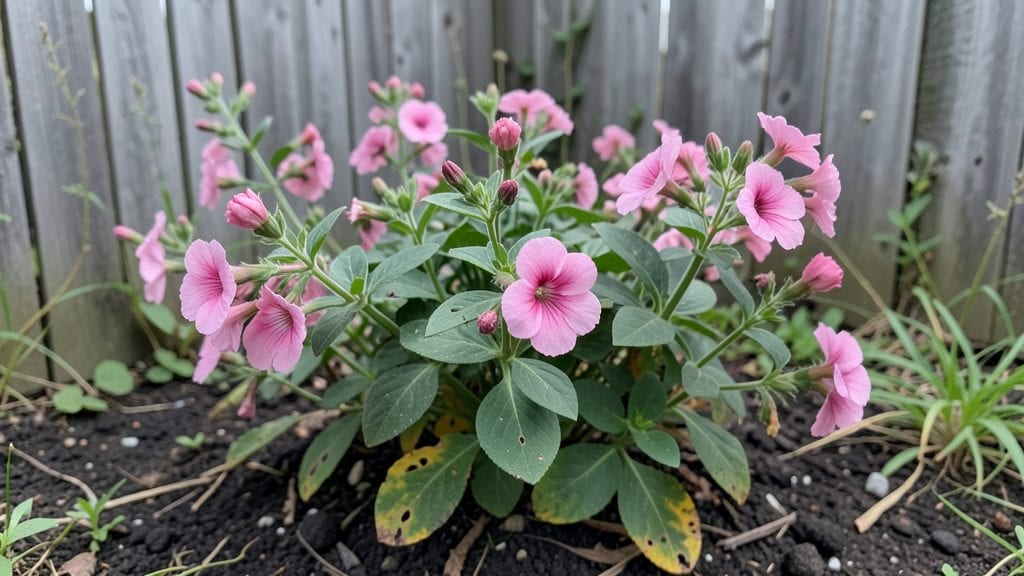
The pink impatiens flowers I discovered last summer became my Pacific Northwest garden’s secret weapon—soft cascades of color that thrive where frost lingers longer than most annuals dare.
Their velvety petals and bushy habit turn shady corners into living watercolor paintings, and they’ve earned a permanent spot in my design plans every year since. The key isn’t just their frost tolerance (they handle our damp springs beautifully), but how they transform underplanted areas into lush, romantic backdrops.
Here’s the magic: pair them with heuchera’s deep burgundy leaves for contrast or tuck them alongside ferns to mimic a woodland edge. They’ll spill over container edges like pink silk, or create a living border when planted in drifts along pathways.
The trick is keeping them consistently moist—think of them as the divas of shade gardens, but worth every drop of water for their effortless charm.
By midsummer, you’ll have a textured, jewel-toned display that feels like a professional designer’s touch. The flowers last from early summer through first frost, and their self-cleaning habit means fewer deadheads to fuss with.
That’s three months of color with almost no maintenance—just the occasional pinch to encourage bushier growth. I’ve even seen hummingbirds hover near them, drawn to the nectar.
Whether you’re filling a corner under trees, dressing up a patio planter, or creating a cottage-style border, pink impatiens deliver instant drama with minimal effort. The best part? They’re just as happy in partial shade as they are in full shade, making them the ultimate workhorse for our cloudy summers.
Let’s talk placement and pairing ideas that’ll make your garden the envy of the neighborhood.
📚 In This Guide
- What you need
- Instructions
- Tips and common mistakes
- Wrapping up and next steps
What you need
- ● Pink Impatiens Seeds or Seedlings: Seeds: 1 packet (50-100 seeds) for direct sowing or starting indoors.
- ● Seedlings: 3-6 plants (check for disease-free, sturdy stems).
- ● Well-Draining Potting Mix: 1-2 bags (12-18 qt) of peat-based or coco coir mix for containers.
- ● For in-ground planting: Amend garden soil with compost (1 part compost to 3 parts soil).
- ○ Containers (Optional but Recommended): 3-6 hanging baskets (10-12" diameter) or window boxes (for urban gardens).
- ● OR 1-2 raised beds (3’x6’ minimum) for in-ground planting.
- ● Fertilizer: Balanced 10-10-10 or slow-release fertilizer (1 lb per 10 sq ft).
- ● OR fish emulsion (for organic gardens, 1 tbsp per gallon of water).
- ● Mulch: 2-3 inches of pine bark or straw to retain moisture (critical for PNW’s cooler, wetter climate!).
- ● Hand Trowel or Transplant Spade (for digging holes or moving seedlings).
- ● Gloves (gardening or nitrile for seed-starting).
- ● Watering Can (with a fine rose nozzle) or hose with gentle spray attachment.
- ● Spray Bottle (for misting seeds if starting indoors).
- ● Pruning Shears (sharp, for trimming leggy stems).
- ○ Shade Cloth (30-50%) (optional but helpful for PNW’s intense summer sun—1 roll covers ~10 sq ft).
- ● Sunlight Check: Ensure your spot gets partial shade (2-6 hours of direct sun)—critical for impatiens!
- ● 🌡️ Temperature: Start seeds indoors at 70°F; transplant after last frost (typically mid-May in PNW).
- ● ✨ Drainage: Add perlite (1 part to 3 parts soil) to prevent root rot in containers.
- ● 💧 Watering: Keep soil consistently moist—impatiens hate drought but dread soggy roots.
How to create a lush pink impatiens flower display in the Pacific Northwest
These shade-loving beauties thrive where others falter—here’s how to coax their vibrant blooms all season.
Choose the Perfect Planting Location
Pink impatiens adore partial to full shade, especially in the Pacific Northwest’s damp climate. Select a spot that receives morning sun and afternoon shade—this prevents leaf scorch while encouraging abundant blooms. Avoid areas where water pools after rain; soggy roots lead to rot, and impatiens are particularly sensitive.
Test your site by observing how sunlight shifts throughout the day. If your garden gets less than 4 hours of direct sun daily, impatiens will reward you with nonstop color. I’ve found that east-facing beds work beautifully, as they catch gentle morning rays without the harsh afternoon glare.
Amend the soil with 2-3 inches of compost before planting to improve drainage and fertility. Impatiens are heavy feeders, so rich soil sets them up for success. If your native soil is heavy clay, mix in pearlite or sand to create a looser texture—this prevents the roots from suffocating.
Plant with Care for a Dense, Thriving Display
Space your pink impatiens 10-12 inches apart in rows 18-24 inches apart to allow airflow and prevent fungal diseases. Crowding leads to weak stems and fewer blooms, so don’t rush—give each plant room to establish. I like to plant in small clusters of 3-5, which creates a lush, natural look while making maintenance easier.
Dig holes just deep enough to accommodate the root ball without burying the stem. Press the soil gently around the roots to eliminate air pockets, then water deeply to settle everything. The first few days are critical—keep the soil evenly moist but not soggy until new growth appears. Overwatering now can drown tender roots before they take hold.
If planting in containers, use a well-draining potting mix and ensure pots have drainage holes. Impatiens in pots dry out faster, so check moisture daily during hot spells. A 5-gallon container can comfortably hold 3-4 plants, giving you a burst of color without overcrowding.
Feed and Water for Continuous Blooms
Impatiens are hungry plants—feed every 2-3 weeks with a balanced, water-soluble fertilizer (10-10-10 or 20-20-20) diluted to half strength. I start fertilizing 2 weeks after planting and continue until frost. This consistent feeding keeps blooms coming and prevents leggy growth. Avoid high-nitrogen fertilizers, which encourage foliage at the expense of flowers.
Water at the base of the plant in the morning to reduce fungal risks. Impatiens wilt quickly when thirsty, so check soil moisture daily during dry spells. Let the top inch of soil dry out between waterings, but never allow the roots to dry completely. Mulch with 2-3 inches of shredded bark or pine needles to retain moisture and suppress weeds—this also keeps soil temperatures stable.
Deadhead spent blooms regularly to encourage more flowers. Pinch off faded blossoms with your fingers or snip with clean scissors. This simple step redirects the plant’s energy into producing fresh blooms instead of seed pods. I make it a habit to deadhead every few days—it takes just minutes and pays off with a denser, more vibrant display.
Protect and Maintain for Long-Lasting Beauty
The Pacific Northwest’s mild summers and frequent rain make impatiens a low-maintenance choice, but they still need a little TLC. Watch for aphids or spider mites, which thrive in humid conditions. If you spot sticky residue on leaves or tiny webs, spray plants with neem oil or insecticidal soap—this organic approach keeps pests in check without harming pollinators.
Impatiens are not frost-tolerant, so in regions with early frosts, treat them as annuals and remove them before temperatures drop below 30°F. In milder microclimates, they may persist through winter with a little protection, like a lightweight frost cloth. I’ve seen impatiens rebound surprisingly well after light frosts if the roots stay dry.
As the season progresses, keep an eye on plant height. If stems grow leggy or top-heavy, prune back by one-third to encourage bushier growth. This also prevents stems from snapping under the weight of heavy blooms. Use clean, sharp scissors to make cuts just above a leaf node—this promotes new growth at the desired height.
Extend the Season with Smart Planning
To enjoy pink impatiens even longer, sow a second batch in late summer for a fall display. Start seeds indoors 6-8 weeks before your average first frost date, then transplant seedlings when nighttime temperatures stay above 50°F. This staggered planting ensures you have blooms from early summer through fall.
If you’re using containers, rotate pots weekly to ensure even growth toward the light. Impatiens naturally lean toward sunlight, so this simple step keeps them upright and symmetrical. I also move containers to shadier spots during heatwaves—direct afternoon sun can scorch leaves even in partial shade.
At season’s end, compost spent plants unless you’re in a frost-free zone. The organic matter enriches your soil, and the nutrients feed next year’s impatiens. If you’re growing them as annuals, simply pull them up and replace with fall-blooming plants like pansies or calibrachoa for a seamless transition.
Tips & tricks for perfect pink impatiens displays
A few strategic moves can transform your impatiens from pretty to spectacular—especially in the Pacific Northwest's tricky climate.
Location is Everything: While instructions emphasize morning sun and afternoon shade, I've found that adding a reflective surface like a white garden wall or light-colored mulch near east-facing beds can amplify the gentle morning light, giving you even more vibrant blooms. Just avoid anything that reflects harsh afternoon sun—impatiens will show you their displeasure with leaf scorch faster than you can say "oops."
Soil Science Matters: The 2-3 inches of compost recommendation is spot-on, but here's what nobody tells you: mix in 1/4 cup of Epsom salt per planting hole for every 5 plants. This magnesium boost prevents the classic yellowing between veins that impatiens often develop in our acidic Pacific Northwest soils. The plants will reward you with deeper pink hues and stronger stems.
Watering Wisdom: The "evenly moist but not soggy" advice is critical, but timing matters just as much. I water mine at dawn rather than morning—this gives the leaves time to dry completely before evening humidity sets in, dramatically reducing fungal risks. A simple rain gauge helps track exactly how much natural moisture you're getting, so you don't overcompensate with hose water.
Container Secrets: For those 5-gallon containers holding 3-4 plants, I've discovered a pro trick: place a terracotta saucer under each pot during heatwaves. The porous material wicks up moisture from the saucer below, creating an even moisture zone around the roots. This single addition can mean the difference between thriving plants and those struggling through summer droughts.
Pro Tips for Pink Impatiens Flowers
- A few strategic moves can transform your impatiens from pretty to spectacular—especially in the Pacific Northwest's tricky climate.
- Just avoid anything that reflects harsh afternoon sun—impatiens will show you their displeasure with leaf scorch faster than you can say "oops."
- Soil Science Matters: The 2-3 inches of compost recommendation is spot-on, but here's what nobody tells you: mix in 1/4 cup of Epsom salt per planting hole for every 5 plants.
Frequently asked questions
Got questions about growing pink impatiens flowers in your Pacific Northwest garden? You’re not alone! Here are some of the most common queries—and straightforward answers—to help you cultivate a vibrant, low-maintenance display.
Are pink impatiens frost-tolerant?
While pink impatiens thrive in the PNW’s mild, moist climate, they’re not frost-resistant. Temperatures below 32°F (0°C) can damage or kill them. For winter, either plant them in containers and move indoors or mulch heavily if left in the ground. Pro tip: Choose New Guinea impatiens (a hardier hybrid) for slightly better cold tolerance.
How do I keep pink impatiens blooming all summer?
To extend their non-stop blooms, deadhead spent flowers weekly and fertilize every 2–3 weeks with a balanced, water-soluble fertilizer (like 10-10-10). Morning sunlight (3–6 hours) keeps them happy without scorching, while partial shade in hot afternoons prevents wilting. Bonus: Mulch with compost to retain moisture and deter weeds.
Why are my pink impatiens leaves turning yellow?
Yellowing leaves usually signal overwatering or nutrient deficiencies. Check soil moisture—impatiens prefer consistently damp (not soggy) soil. If roots are mushy, repot in well-draining mix. Yellow edges? Likely underwatering or fluoride buildup (common with tap water). Switch to rainwater or distilled water if needed. Watch for pests: Aphids or spider mites can also cause stress.
Can I grow pink impatiens in hanging baskets?
Pink impatiens love hanging baskets—their trailing vines spill beautifully over edges. Use a lightweight potting mix with perlite for drainage, and water daily (baskets dry out faster). Hang in partial shade to protect from direct sun, and fertilize bi-weekly for lush growth. Tip: Add a slow-release fertilizer at planting for steady nutrients.
What’s a good alternative if pink impatiens don’t thrive in my garden?
If your soil is too alkaline (impatiens prefer acidic 6.0–6.5 pH) or drainage is poor, try these PNW-friendly shade-lovers:
All tolerate similar light conditions and add color without fuss!
Wrapping up and next steps
Pink impatiens flowers bring a burst of vibrant color to the Pacific Northwest’s gardens, thriving even in cooler climates with their frost-resistant charm.
Whether you’re a seasoned gardener or just starting, these cheerful blooms are easy to grow and perfect for adding life to your outdoor space. Ready to transform your garden? Grab your supplies, follow the steps, and let these delightful flowers paint your landscape with joy! 🌸