
Shrubs
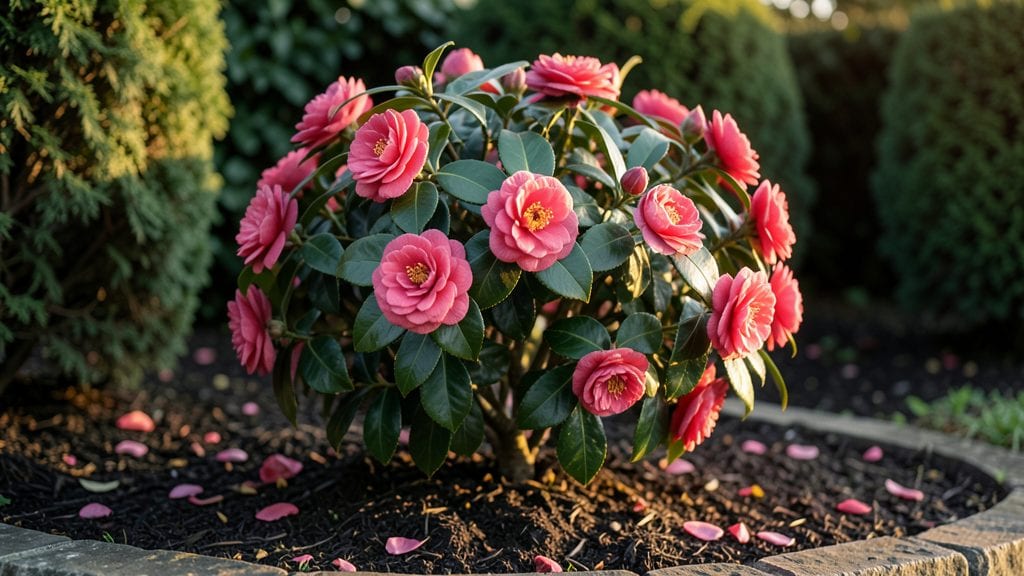
Fall flowering camellias light up the Pacific Northwest’s gray winter days with their velvety blooms—just when you need color most. 🌿 These shrubs thrive in our damp, mild climate, but they need the right timing and care to keep flowering reliably.
I’ve learned the hard way that planting too late or skipping winter prep means fewer blooms next season.
The secret to their stunning displays starts with planting in early fall (September-October) when soil is still warm but frost isn’t a threat. They love acidic soil, so mix in peat moss or pine needles if your yard is alkaline.
Once established, they’re low-maintenance, but a light pruning after blooming keeps them tidy without sacrificing next year’s flowers.
By late winter, you’ll be rewarded with clusters of rosy-pink, deep red, or creamy white blooms that last for weeks. The glossy evergreen leaves add texture year-round, making them a standout in any garden. These plants also attract hummingbirds, turning your yard into a winter wildlife hotspot.
Perfect for shady spots under trees or as a focal point along walkways. Whether you’re a beginner or a seasoned gardener, these camellias deliver effortless beauty with minimal fuss. Let’s get yours blooming like a pro!
📚 In This Guide
- What you need
- Instructions
- Tips and common mistakes
- Wrapping up and next steps
What you need
- ● Fall flowering camellia plants: Choose Camellia sasanqua varieties (e.g., 'Yuletide,' 'Bonanza,' or 'Tissue Pink'). Buy 3–5 mature plants (3–5 ft tall) for a showstopping display.
- ● Well-draining acidic soil: Aim for pH 5.0–6.0. Amend clay soil with 3–5 inches of peat moss or pine bark per planting hole.
- ● Organic mulch: 2–3 inches of pine needles or wood chips to retain moisture and acidify soil.
- ● Slow-release acidic fertilizer: Use a 10-10-10 or 8-3-9 blend labeled for azaleas/camellias. Apply 2–3 times per year (spring, summer, fall).
- ● Watering can or hose with nozzle: Camellias need 1–2 inches of water weekly (more in summer).
- ● Garden trowel or spade: For planting and soil amendments.
- ● Pruners (sterilized): Bypass pruners for shaping (avoid flower buds in late fall!).
- ● Gloves & long sleeves: Camellias have thorny stems—protect yourself!
- ● Sunlight assessment: Partial shade (4–6 hours of dappled sun/day) is ideal. Test your site before planting.
- ○ Winter protection (optional but helpful): Burlap or frost cloth for young plants in harsh PNW winters.
- ● 🌡️ Plant in early fall (September–October) to establish roots before winter.
- ● ✨ Avoid overhead watering—wet flowers invite fungal diseases.
- ● 🎯 Prune after blooming (late winter/early spring) to encourage next year’s flowers.
How to plant and care for fall-blooming camellias in the Pacific Northwest
These stunning late-winter bloomers thrive with the right placement and care.
🌱 Step 1: Choose the Perfect Planting Location
Fall-blooming camellias need partial shade—think morning sun with afternoon shade—to protect their delicate blooms from harsh afternoon rays. In the Pacific Northwest's cooler climate, a spot that gets 3-4 hours of direct sun works beautifully. Avoid full sun, which can scorch leaves and flowers, or deep shade, which weakens blooming.
I always look for areas with dappled sunlight under tall trees or near north-facing walls. The ideal spot also has well-draining soil—camellias hate soggy roots. If your yard has heavy clay, amend the soil with 1-2 inches of organic compost mixed into the top 12 inches of soil before planting.
🪴 Step 2: Plant at the Right Depth and Spacing
Dig a hole twice as wide as the root ball but only as deep as the container's root base—planting too deep smothers the roots. Gently remove the camellia from its container and loosen any circling roots with your fingers. This prevents root bound issues that can stunt growth.
Place the plant in the hole so the top of the root ball sits level with the surrounding soil. Fill the hole with native soil, pressing lightly to remove air pockets but not compacting too firmly. Space multiple plants 6-8 feet apart—they need room to grow without competing for nutrients. Water deeply right after planting to settle the soil around the roots.
☀️ Step 3: Water and Mulch for Moisture Retention
After planting, water deeply once a week during the first growing season, providing 1-2 gallons per plant each time. The goal is to encourage deep root growth—let the top 2 inches of soil dry out between waterings. Overwatering in winter can lead to root rot, especially in the Pacific Northwest's damp climate.
Spread a 3-inch layer of organic mulch (like shredded bark) around the base, keeping it 2-3 inches away from the trunk. This helps retain moisture, regulates soil temperature, and prevents weeds. Replenish mulch annually in late winter before new growth begins.
✂️ Step 4: Prune After Flowering and Fertilize Strategically
Prune right after blooms fade in early spring to shape the plant and remove any dead or crossing branches. Use clean, sharp pruners to make cuts just above a leaf node or bud. Avoid heavy pruning—camellias bloom on old wood, so aggressive cuts reduce next year's flowers.
Feed with an acid-loving plant fertilizer (like one formulated for azaleas or rhododendrons) in early spring and again in late summer. I use a slow-release granular fertilizer spread evenly around the root zone, then water it in. This supports strong root development for next year's spectacular blooms.
Tips & tricks for perfect fall flowering camellias
Here's what nobody tells you about growing these Pacific Northwest showstoppers.
Location Secret: In Step 1, when selecting your spot, test the sunlight pattern throughout the day. The perfect location should receive morning sun but have afternoon shade from nearby trees or structures. I learned this the hard way—my first camellia got sunburned when I planted it in full morning sun without realizing the afternoon exposure. Look for areas where sunlight filters through leaves rather than hitting directly.
Soil Prep Strategy: Before planting, mix that 1-2 inches of organic compost into the top 12 inches of soil as mentioned in Step 1. For heavy clay soil common in the PNW, I also recommend adding a handful of perlite to improve drainage. This creates the ideal acidic, well-draining environment camellias crave. Think of it as giving your plant a spa treatment before its big debut.
Planting Depth: When placing your camellia in Step 2, use a small stake to mark the soil level at the container's edge. This helps you position the root ball so the top sits perfectly level with surrounding soil. I've seen too many plants suffer from being buried too deep—this simple trick ensures proper air circulation around the base and prevents root suffocation.
Watering Wisdom: That 1-2 gallons per plant weekly watering in Step 3 is crucial, but timing matters too. Water in the morning so leaves have time to dry before evening—this prevents fungal issues common in our damp climate. I set a reminder on my phone for the first growing season to ensure I don't forget this critical step.
Pro Tips for Fall Flowering Camellia
- Here's what nobody tells you about growing these Pacific Northwest showstoppers.
- Location Secret: In Step 1, when selecting your spot, test the sunlight pattern throughout the day.
- Soil Prep Strategy: Before planting, mix that 1-2 inches of organic compost into the top 12 inches of soil as mentioned in Step 1.
Frequently asked questions
Got questions about growing and enjoying fall flowering camellias in the Pacific Northwest? You’re not alone! Here are some of the most common queries—and their answers—to help you cultivate a stunning late-winter display.
When do fall flowering camellias bloom, and how long does it last?
Fall-blooming camellias typically burst into color from late October through December, with some varieties lingering into early January. Blooms last 4–8 weeks, depending on the cultivar and winter conditions. Cooler, wetter PNW winters often extend their display—just avoid early freezes, which can damage delicate flowers.
Can fall flowering camellias handle the Pacific Northwest’s rainy climate?
These camellias are naturally adapted to the PNW’s damp, mild winters. Just ensure they’re planted in well-draining soil to prevent root rot. A 3–4 inch mulch layer (like pine bark or cedar chips) helps retain moisture and protect roots from temperature swings.
What’s the best location for planting a fall camellia in my yard?
Choose a spot with partial shade (3–6 hours of sunlight daily) and shelter from harsh winds. Avoid full sun, which can scorch blooms, or deep shade, which may reduce flowering. Morning sun + afternoon shade is ideal. Acidic, loamy soil (pH 5.5–6.5) mimics their native habitat—amend clay soil with peat moss or compost.
Why aren’t my fall camellia flowers opening, or are they dropping early?
Several factors could be at play:
- Too much sun: Leads to heat stress and premature drop.
- Nutrient deficiency: Yellow leaves? Test soil for iron or nitrogen and fertilize with an acid-loving plant formula in early spring.
- Bud blast: Fungal issues (like anthracnose) cause buds to fail. Prune affected branches and apply copper fungicide preventatively in fall.
- Dormancy: Some varieties need a cool snap (below 40°F) to trigger blooms—PNW winters usually provide this!
Are there dwarf or container-friendly fall camellia varieties for small spaces?
Yes! If space is limited, try these compact options:
Variety
Height
Bloom Time
Camellia sasanqua ‘Yuletide’
6–8 ft
Nov–Jan (fragrant pink flowers)
Camellia sasanqua ‘Bonanza’
4–6 ft
Oct–Dec (bright red blooms)
Camellia sasanqua ‘Crimson King’
5–7 ft
Oct–Nov (deep crimson, disease-resistant)
For containers, use a 15–20 gallon pot with drainage holes and repot every 2–3 years. Choose a lightweight mix (50% peat, 30% pine bark, 20% perlite) to prevent tipping.
Wrapping up and next steps
Fall flowering camellias are the Pacific Northwest’s hidden gem—bringing bold color and elegance when winter’s chill is just around the corner. Whether you’re a seasoned gardener or a beginner, these stunning shrubs offer low-maintenance beauty and a touch of tropical charm to your landscape.
Ready to transform your outdoor space? Start by selecting the right variety for your climate and soil, then plant with care—your future blooms will thank you!
- 🌱 Next step: Browse local nurseries or online plant shops to find your perfect fall camellia!