
Flowers
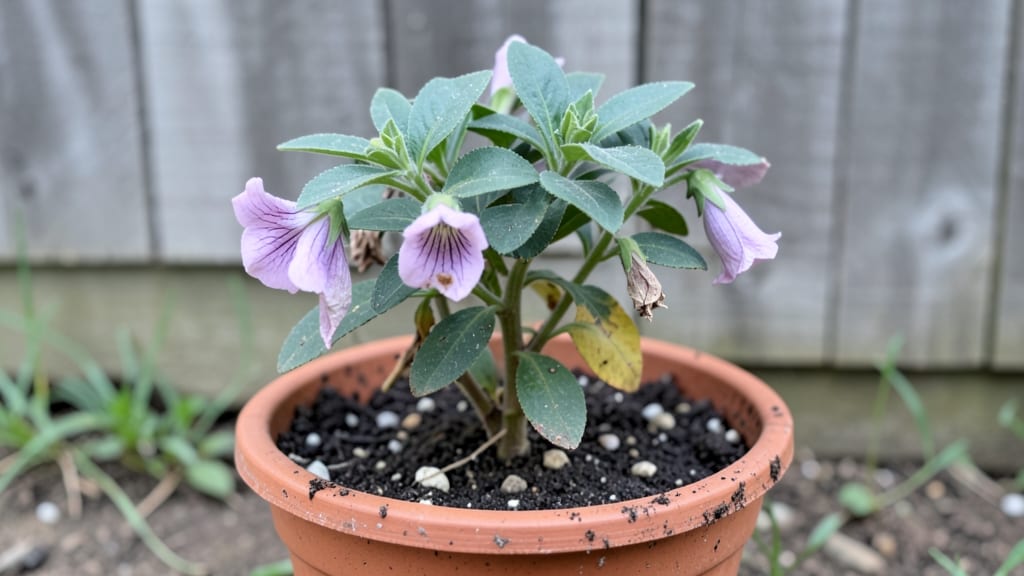
Growing impatiens flowers in the Pacific Northwest means embracing their love of shade while giving them just enough morning sun to thrive. 🌿 I learned this the hard way—my first batch of impatiens turned into sad, spindly sticks because I didn’t account for the region’s dappled light.
The secret lies in finding that perfect balance: bright indirect light most of the day with a few hours of gentle morning sun.
You’ll need well-draining potting mix, containers with drainage holes, and a spot that gets morning sun but afternoon shade—think under large trees or on shaded porches. Water consistently to keep the soil evenly moist but never soggy; impatiens hate dry roots.
Starting seeds indoors 8-10 weeks before your last frost gives you a head start, while transplants can go in the ground after all danger of frost has passed.
What you’ll get is a cascade of vibrant blooms in shades of pink, red, and white that last from early summer until frost. The foliage stays lush and glossy, and the flowers attract hummingbirds to your garden.
With the right care, your impatiens will become the star of your shady spots, providing color when many other plants fade.
For Pacific Northwest gardeners, timing is everything—plant too early, and frost will catch them; too late, and they’ll struggle in the heat. Mulch around the base to keep roots cool, and watch for slugs or aphids, which love tender impatiens leaves.
A little preventative care goes a long way in keeping these shade-loving beauties thriving all season.
📚 In This Guide
- What you need
- Instructions
- Tips and common mistakes
- Wrapping up and next steps
What you need
- ● Impatiens seeds or seedlings: Choose Impatiens walleriana (common impatiens) or Impatiens new guinea varieties. Start with 3–6 plants for a small bed or 10+ plants for a full border.
- ● Well-draining potting mix: A high-quality seed-starting mix (for seeds) or peat-based garden soil amended with compost (for seedlings). Use 1–2 gallons per plant in containers or enrich the garden bed.
- ○ Containers (optional for seeds): Biodegradable seed pots or 4–6 inch nursery pots (1–2 per seed variety). Ensure they have drainage holes!
- ● Garden bed or large containers: Impatiens thrive in 6–12 inch deep soil. For containers, use hanging baskets (12+ inches wide) or window boxes with 1–2 plants per square foot.
- ● Watering can or hose with a gentle spray nozzle: Impatiens love moisture but hate soggy roots. Aim for 1 inch of water per week (more in hot PNW summers).
- ● Fertilizer: A balanced, water-soluble fertilizer (10-10-10 or 20-20-20) or slow-release granules. Apply every 4–6 weeks during the growing season.
- ● Mulch: 2–3 inches of organic mulch (e.g., shredded bark or straw) to retain moisture and suppress weeds.
- ● Shade cloth (30–50% coverage): For PNW gardens with partial sun, use lightweight shade fabric to protect from harsh afternoon rays.
- ● Grow lights (for seeds): If starting indoors, a full-spectrum LED grow light (12–16 hours/day) speeds up germination.
- ● Plant stakes or cages: Tall varieties (like Impatiens new guinea) may need light support.
- ● Soil moisture meter: Ensures you’re keeping roots consistently damp without overwatering.
- ● Epsom salt (occasional boost): A teaspoon per gallon of water every 6–8 weeks can enhance blooms.
Step-by-step instructions for cultivating thriving impatiens in partial shade
Here's how I keep my impatiens blooming all season—even in the PNW's mixed light.
🌱 Step 1: Choose the Right Location and Prepare Soil
Impatiens thrive in partial shade—think 3-6 hours of morning sun with afternoon shade. In the Pacific Northwest, east-facing spots with dappled light work best. Avoid deep shade spots where they'll stretch and produce fewer blooms. I test locations by watching how light moves across the garden throughout the day.
Amend the soil with 2-3 inches of compost before planting. Impatiens prefer rich, moist—but well-draining—soil. Work the compost into the top 6 inches of soil to create a loose, airy mix. A simple soil test (available at garden centers) helps determine if your soil needs extra organic matter or pH adjustment—impatiens prefer slightly acidic soil (pH 6.0-6.5).
🪴 Step 2: Plant at the Correct Depth and Spacing
Dig holes twice as wide as the root ball but only as deep—impatiens hate being buried too deep. Gently remove plants from their containers, tease the roots if they're circling, and place them in the holes. The top of the root ball should sit just below soil level to prevent stem rot.
Space plants 10-12 inches apart in rows 12-18 inches apart. This gives them room to spread and ensures good airflow, which reduces fungal diseases like powdery mildew. If planting in containers, use pots at least 8 inches deep with drainage holes—impatiens wilt quickly in soggy conditions.
💧 Step 3: Water Deeply and Maintain Moisture
Water deeply right after planting to settle the soil around the roots. Aim for 1 inch of water per week, either from rainfall or irrigation. In the PNW's humid climate, you'll likely need to water every 2-3 days during dry spells, but always check the top 1-2 inches of soil—if it feels dry, it's time to water.
Water at the base of the plant in the morning to reduce evaporation and fungal risks. Avoid wetting the leaves, which can lead to mildew. Mulch with 2 inches of shredded bark around each plant to retain moisture and suppress weeds. This also keeps roots cool during hot afternoons.
☀️ Step 4: Fertilize and Encourage Continuous Blooms
Feed plants with a balanced, water-soluble fertilizer (10-10-10) every 2-3 weeks during the growing season. Start fertilizing 2 weeks after planting and continue until late summer. Dilute the fertilizer to half-strength to avoid burning tender roots. I mix it directly into my watering can for even distribution.
Deadhead spent blooms weekly to encourage new flowers. Pinch off faded blooms with your fingers or snip them with clean scissors just above a set of leaves. This redirection of energy keeps plants producing fresh blooms instead of setting seed. If you notice leggy growth, it's a sign they need more light—move them to a slightly sunnier spot gradually.
✂️ Step 5: Prune and Overwinter (If Needed)
Light pruning keeps impatiens bushy and encourages more blooms. Trim back leggy stems to just above a leaf node in early summer. Use clean, sharp scissors and make cuts at a 45-degree angle to prevent water from pooling. Avoid heavy pruning—impatiens are tender and won't recover well from drastic cuts.
In the Pacific Northwest, impatiens are typically annuals but can sometimes survive mild winters if protected. If you want to overwinter them, cut back stems by half, move pots to a cool, bright location, and reduce watering. Mulch heavily around in-ground plants to insulate roots. Most gardeners, though, treat them as seasonal plants and replant fresh starts each spring.
Tips & tricks for perfect impatiens in partial shade
Here's what nobody tells you about keeping impatiens thriving in tricky PNW light conditions.
Light Balance Secret: When scouting locations, observe how sunlight shifts throughout the day. East-facing spots with morning sun and afternoon shade work best, but if you only have full shade, choose the brightest corner of your yard. Impatiens will still bloom, just with slightly fewer flowers. I've seen them thrive under large deciduous trees where dappled light creates perfect conditions.
Soil Prep Pro Tip: The 2-3 inches of compost recommendation is non-negotiable for PNW soil. Our native soil tends to be dense and acidic—impatiens need that extra organic matter to establish strong roots. I always mix in a handful of perlite or coarse sand to improve drainage, especially if your garden gets heavy rainfall. This prevents root rot while maintaining moisture.
Watering Watch: That 1 inch per week guideline is a baseline, but in the PNW's humid summers, you might need to adjust. Check soil moisture every 2-3 days during heatwaves—if the top 1-2 inches feel dry, water deeply. The key is consistent moisture without soggy soil. I use a moisture meter for containers to avoid overwatering, which is the #1 killer of impatiens.
Fertilizer Timing: Starting fertilizer 2 weeks after planting gives roots time to establish before feeding. I've learned the hard way that fertilizing too early can burn tender new roots. The half-strength dilution is crucial—impatiens are sensitive to salt buildup. For containers, I fertilize every 2 weeks, but for in-ground plants, I stretch to 3 weeks once established.
Pro Tips for Growing Impatiens Flowers
- Here's what nobody tells you about keeping impatiens thriving in tricky PNW light conditions.
- Light Balance Secret: When scouting locations, observe how sunlight shifts throughout the day.
- Soil Prep Pro Tip: The 2-3 inches of compost recommendation is non-negotiable for PNW soil.
Frequently asked questions
Got questions about growing impatiens flowers in the Pacific Northwest? You’re not alone! Here are some of the most common concerns—and their answers—to help you cultivate a thriving garden.
How do I keep my impatiens from getting leggy?
Leggy impatiens happen when they don’t get enough light. Move them to a spot with bright, indirect light (like dappled shade under trees) and pinch back the stems to encourage bushier growth. Avoid deep shade, which weakens stems and flowers.
When is the best time to plant impatiens in the PNW?
Plant impatiens after the last frost (typically late April to early May in the PNW) once soil temperatures are consistently above 50°F. They’re tender perennials, so treat them as annuals—start seeds indoors 6–8 weeks before transplanting or buy young plants from nurseries.
How often should I water impatiens in rainy PNW summers?
Impatiens love moisture but hate soggy roots. Water deeply 2–3 times per week during dry spells, ensuring soil stays evenly damp (not waterlogged). In heavy rain, improve drainage by amending soil with compost or planting in raised beds to prevent root rot.
What pests commonly attack impatiens, and how do I stop them?
Watch for aphids, spider mites, and slugs. Spray aphids with soapy water or introduce ladybugs. For mites, increase humidity. Slugs? Set out beer traps or use organic slug bait. Prevent issues by keeping foliage dry and removing debris where pests hide.
Can I grow impatiens in containers, and what’s the best setup?
Use 5–6 inch pots with well-draining soil and a mix of peat moss and perlite. Place containers in partial shade and water frequently. For a hanging basket, choose trailing varieties like ‘Super Elfin’ and ensure it gets morning sun to prevent wilting.
Wrapping up and next steps
Growing impatiens in the Pacific Northwest’s unique sun-shade balance is totally doable—just remember to prioritize shade, keep soil moist, and protect them from rain. These vibrant bloomers reward your care with nonstop color, making them the perfect addition to shady spots, containers, or hanging baskets. 🌿
Ready to dive in? Start by picking your favorite varieties and prepping your space—then watch your garden transform into a lush, flowering paradise! 🌈
- Next step: Grab your supplies and follow the planting guide to get started today!