
Flowers
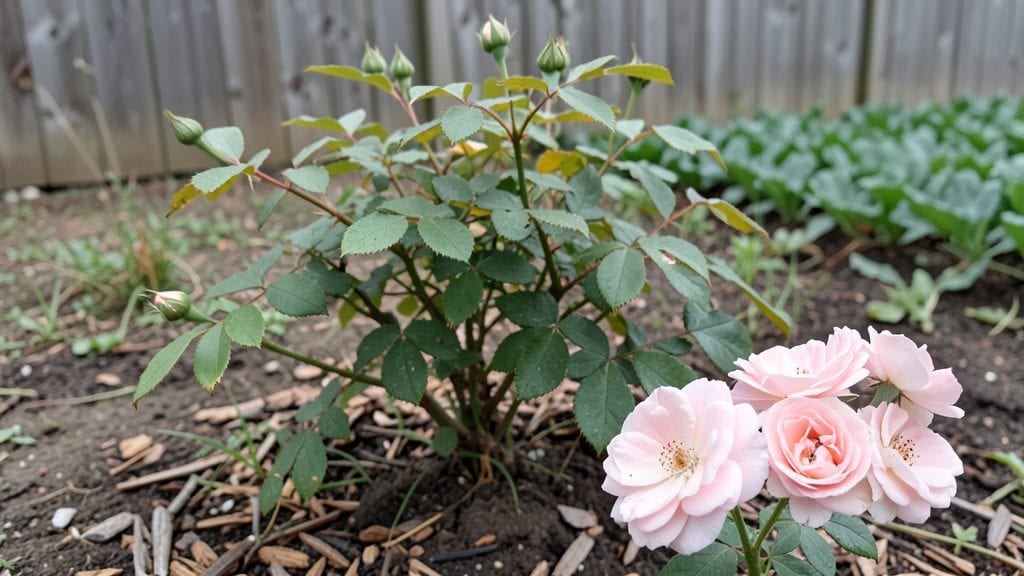
Growing Chinese roses in the Pacific Northwest means you can finally enjoy frost-resistant blooms that keep coming back year after year. 🌿 These roses—like 'Old Blush' or 'Mutabilis'—thrive where others struggle, giving you fragrant, repeat-flowering beauty even in cooler climates.
The secret lies in their adaptability: they handle our wet winters and mild summers better than most hybrids, and with the right care, they'll reward you with lush, disease-resistant growth.
Start with well-draining soil mixed with compost, and plant in full sun where they’ll get at least 6 hours of light daily. Chinese roses love a spot where they won’t compete with other plants for nutrients, so borders or containers work perfectly.
Once established, they’re surprisingly low-maintenance—just prune in early spring to shape them and remove dead wood, and watch them bounce back stronger every season.
What you’ll love most is how these roses keep blooming from late spring through fall, often with fewer pests than hybrid teas. Their delicate, old-fashioned flowers smell incredible and attract pollinators, making them a standout in any garden.
With the right pruning and a little winter protection, you’ll have roses that outlast frost and outshine the competition.
Perfect for Pacific Northwest gardeners who want reliable, fragrant blooms without the fuss. Whether you’re planting in the ground or containers, these roses prove that stunning flowers aren’t just for warm climates. Let’s get yours thriving!
📚 In This Guide
- What you need
- Instructions
- Tips and common mistakes
- Wrapping up and next steps
What you need
- ● Rose Bush: Choose a frost-resistant Chinese rose variety (e.g., Rosa chinensis or hybrid cultivars like 'Old Blush'). Purchase a 1-3 year old bare-root or potted plant from a reputable nursery.
- ● Well-draining soil: Mix 50% native soil with 30% compost and 20% perlite or coarse sand (1 cubic yard per plant).
- ● Organic fertilizer: 5-10-5 balanced fertilizer (e.g., fish emulsion or bone meal) for planting, plus rose-specific slow-release granules (1 lb per plant).
- ● Mulch: 3-4 inches of wood chips or straw to retain moisture and protect roots from frost.
- ● Support system: 5-6 ft metal or bamboo stakes + twine or flexible ties (1 stake per plant).
- ● Watering tools: Drip irrigation kit or soaker hose (to deliver 1-2 inches of water weekly).
- ● Hand trowel & pruning shears: Bypass pruners (sharp, sterilized) for clean cuts.
- ● Garden gloves: Heavy-duty to protect against thorns.
- ● pH testing kit: Ensure soil pH is 6.0–6.5 (adjust with lime or sulfur if needed).
- ● Frost cloth: Lightweight row cover (for young plants in early spring/fall).
- ● Sunlight access: 6+ hours of full sun daily (partial shade in hot afternoons helps in PNW summers).
- ● Epsom salt: 1 tbsp per gallon of water monthly for magnesium boost.
- ● Compost tea: Foliar spray to enhance microbial activity.
- ● Rose companion plants: Marigolds or lavender to deter pests.
- ● Automatic timer: For consistent watering schedules.
Step-by-Step instructions for cultivating frost-resistant Chinese roses in the Pacific Northwest
Here's the foolproof method I've perfected for thriving Chinese roses in wet, cool climates.
🌱 Step 1: Select and Prepare the Right Varieties for Cold Tolerance
Choose Rosa chinensis hybrids bred for USDA Zone 6-7 hardiness, like 'Old Blush' or 'Park's Yellow'. These varieties handle 20-25°F dips with proper care. Avoid tender climbers—they'll burn back to the ground in our winters. I always buy bare-root specimens in early spring when they're dormant and resilient.
Soak the roots for 4-6 hours in lukewarm water before planting. This jumpstarts root regeneration and prevents transplant shock. While soaking, examine each root—discard any that look mushy or blackened. Healthy roots should be firm and light tan in color. Here's the thing—Chinese roses establish faster when roots aren't waterlogged, so don't over-soak.
🪴 Step 2: Site Selection and Soil Preparation for Wet Climates
Position your roses where they get 6+ hours of morning sun and afternoon shade. Pacific Northwest afternoons can be intense, and Chinese roses appreciate protection from late-day heat. I plant mine near the south-facing foundation of my house where the wall provides natural windbreak and reflects heat back onto the plants.
Amend your native soil with 2-3 inches of compost and 1 part sand to improve drainage—our region's heavy clay holds too much moisture. Mix the amendments into the top 12 inches of soil. The goal is a loamy texture that crumbles easily between your fingers. If your soil feels sticky when wet, you need more sand; if it falls apart like dust, add more compost.
☀️ Step 3: Planting with Proper Spacing for Winter Survival
Dig a hole twice as wide as the root ball but only as deep—planting too deep suffocates the graft union. Chinese roses have a distinctive swelling where the scion meets the rootstock; this must remain 2 inches above soil level to prevent rot. Gently spread the roots outward in the hole and backfill with native soil mixed with compost.
Space plants 3-4 feet apart in all directions. Crowding reduces airflow and increases disease pressure from our damp springs. Water immediately after planting to eliminate air pockets, then create a 3-inch mulch ring around each plant using wood chips or straw. This conserves moisture and protects roots from 15-20°F temperature swings.
✂️ Step 4: Pruning for Pacific Northwest Winters
Prune in early spring before new growth begins. Remove any dead, crossing, or inward-growing canes first. Then cut back last year's growth by one-third to encourage bushier, more resilient growth. Chinese roses bloom on both old and new wood, so never prune into bare wood—always leave at least 3-5 healthy buds on each remaining stem.
Sterilize your pruners between cuts with rubbing alcohol to prevent spreading fire blight, a common fungal disease in our region. Seal all large cuts with pruning sealant to prevent moisture loss and infection. Here's where it gets fun—watch how the new growth emerges in 4-6 weeks with a deep green hue that tells you the plant is thriving.
💧 Step 5: Seasonal Care for Frost Resistance
Water deeply once weekly during the growing season, aiming for 1-1.5 inches of moisture. Let the top 2 inches of soil dry between waterings to prevent root rot. In late fall, reduce watering to encourage dormancy. Chinese roses need 6-8 weeks of 40°F or below temperatures to properly harden off for winter.
Apply a 4-inch layer of mulch around the base after the ground freezes but before heavy snowfall. This insulates roots through 20°F dips and prevents heaving. In late winter, remove old mulch and replace with fresh compost before new growth appears. The first flush of leaves in spring should be vibrant green—if they're yellow or stunted, your plant needs more nutrients or better drainage.
Tips & tricks for cultivating frost-resistant Chinese roses
Between us, these are the game-changing details that separate thriving Pacific Northwest roses from those that barely survive our winters.
Root Soaking Secrets: That 4-6 hour soak in lukewarm water isn't just about hydration—it's a health check. I've learned the hard way that mushy roots mean rot, not resilience. After soaking, run your fingers along each root: it should feel like a firm pencil, not a soggy noodle. If you're planting multiple roses, soak them in separate buckets to prevent cross-contamination of any potential rot.
Soil Texture Test: The perfect amended soil should crumble between your fingers like a well-made cookie dough—not sticky like wet clay or dusty like powder. I keep a small jar of my amended mix in the garage to test new batches. If it compacts when squeezed, add more sand; if it falls apart completely, mix in another inch of compost. This simple test prevents years of drainage headaches down the line.
Winter Mulching Strategy: That 4-inch mulch layer in Step 5 isn't just decoration—it's your rose's thermal blanket. I've found that straw works better than wood chips in our wet climate because it drains better and doesn't compact. Pro tip: Fluff the mulch every few weeks during winter to maintain its insulating properties. The goal is to keep roots consistently above 20°F even when surface temps drop to 15°F.
Pruning Timing Hack: Early spring pruning (Step 4) should happen when you can see fresh green buds starting to swell but before they break open. I use this simple test: if the buds are still tight like closed fists, wait 3-5 days. If they're starting to unfurl like opening hands, it's time to prune. This timing ensures you're cutting back last year's growth while preserving new growth potential.
Pro Tips for Rose Flower Chinese
- Between us, these are the game-changing details that separate thriving Pacific Northwest roses from those that barely survive our winters.
- Root Soaking Secrets: That 4-6 hour soak in lukewarm water isn't just about hydration—it's a health check.
- Soil Texture Test: The perfect amended soil should crumble between your fingers like a well-made cookie dough—not sticky like wet clay or dusty like powder.
Frequently asked questions
Got questions about growing rose flowers in Chinese-inspired gardens? You’re not alone! Here are some of the most common queries—plus quick, practical answers to help you cultivate stunning, frost-resistant roses in the Pacific Northwest.
What’s the best time to plant Chinese roses in the PNW?
Plant Rosa chinensis or hybrid Chinese roses in early spring (March–April) or fall (September–October). This timing lets roots establish before summer heat or winter frost. Avoid planting in late summer—roots won’t harden off before cold snaps hit!
Can Chinese roses survive PNW winters without extra protection?
Many Chinese rose varieties (like Rosa chinensis ‘Old Blush’) are mildly frost-hardy (USDA Zones 6–9), but young plants or tender hybrids may need mulch (6+ inches of straw or wood chips) and a burlap wrap for severe winters. Prune back canes by ⅓ in late fall to reduce frost damage.
How do I revive a Chinese rose that’s struggling after frost?
If buds blacken but canes stay green, prune dead growth below the damage and fertilize lightly in spring. For completely frozen canes, wait until late May—new shoots may emerge from the base. Avoid overwatering; soggy soil worsens root rot.
Are there Chinese rose alternatives for heavy shade in the PNW?
If your garden has less than 4 hours of sunlight, opt for shade-tolerant varieties like Rosa chinensis ‘Mutabilis’ (peach-blossom rose) or Rosa ‘Kiftsgate’ (a hybrid with Chinese lineage). Pair with hostas or ferns for a lush, low-light PNW border.
What pests target Chinese roses, and how do I prevent them?
Watch for aphids (sap-sucking insects) and rose slugs (sawfly larvae). Spray with neem oil or introduce ladybugs for organic control. Prune infested leaves immediately and remove fallen petals to deter egg-laying.
Still stumped? Drop your question in the comments—we’re happy to help your Chinese roses thrive!
Wrapping up and next steps
Growing rose flowers in Chinese varieties in the Pacific Northwest’s chilly climate is absolutely doable—with the right frost-resistant picks, soil prep, and care! 🌸 From selecting hardy cultivars like Rosa chinensis to mastering mulching and winter protection, you’ve got all the tools to nurture stunning blooms year after year.
Remember, patience and consistency are your best friends in gardening.
Now that you’re armed with knowledge, roll up your sleeves and plant that first cutting! Start small—whether it’s a single rose bush or a full garden bed—and watch your green thumb grow. Happy gardening! 🌱✨