
Flowers
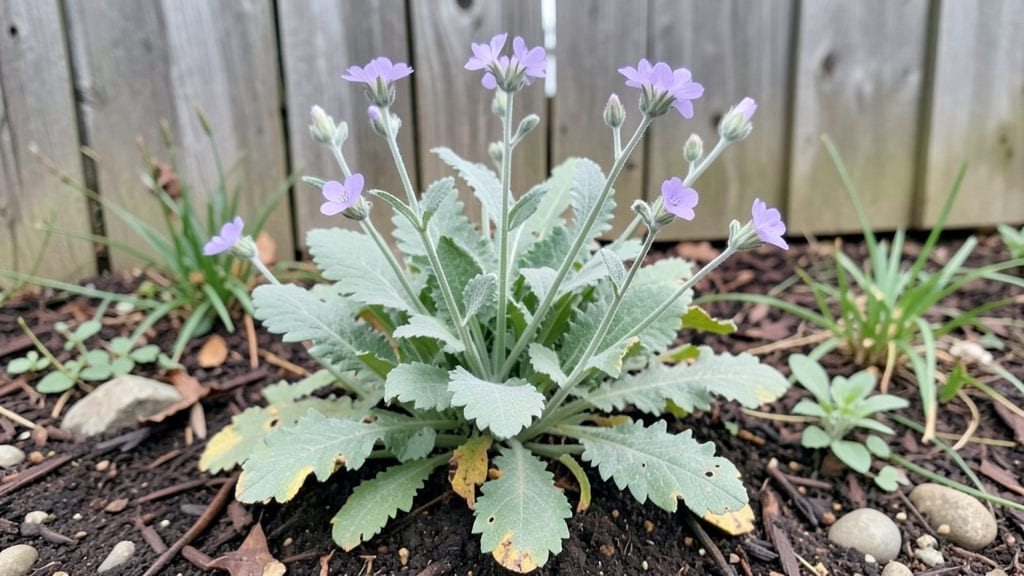
Growing the Juliet flower in your Pacific Northwest garden is like unlocking a secret shade garden treasure—its deep green foliage and delicate blooms thrive where most plants struggle. 🌿 I’ve watched mine push through damp soil in my Seattle yard, blooming reliably year after year, even under towering evergreens.
The key? Understanding its love for cool, moist conditions and how to mimic its natural woodland habitat.
This shade-loving beauty needs well-draining but moisture-retentive soil—think leaf mold mixed with compost—and benefits from a spot with dappled sunlight or partial shade. Watering is simple: keep the soil consistently moist but never soggy, and you’ll avoid the most common mistake of root rot.
Once established, Juliet flowers are remarkably low-maintenance, making them perfect for busy gardeners or those with tricky shade spots.
By late winter or early spring, you’ll be rewarded with clusters of nodding white or pale pink flowers that hover just above the foliage, attracting early pollinators.
The plants grow slowly but steadily, forming clumps up to 18 inches tall over time, and they reward patience with decades of reliable blooms. Pruning is minimal—just remove spent flowers to encourage more blooms and tidy up any leggy growth in early spring.
Propagating is easy once you know the trick: divide mature clumps in early fall or spring, ensuring each section has healthy roots and foliage. Even beginners can succeed with this method, and you’ll soon have enough plants to share with fellow shade gardeners.
Whether you’re filling a woodland garden, lining a shady path, or brightening a dark corner, Juliet flowers deliver effortless elegance with minimal fuss.
📚 In This Guide
- What you need
- Instructions
- Tips and common mistakes
- Wrapping up and next steps
What you need
- ● Juliet flower plants: 3–5 bare-root divisions or potted plants (check for healthy, firm roots and vibrant foliage).
- ● Well-draining soil: Mix 60% native soil with 40% organic matter (compost or leaf mold). Aim for a pH of 6.0–7.5.
- ● Mulch: 2–3 inches of shredded bark or wood chips to retain moisture and suppress weeds.
- ● Slow-release fertilizer: 10-10-10 or 5-10-10 (organic options like fish emulsion work too!).
- ● Garden trowel or spade (for digging planting holes).
- ● Gloves (to protect your hands from thorns and soil).
- ● Watering can or hose with a gentle spray nozzle (Juliet flowers hate soggy roots!).
- ● Measuring tape or ruler (to ensure proper spacing—12–18 inches apart).
- ○ Optional: Soil pH test kit (to confirm acidity levels).
- ● Drip irrigation system (for consistent moisture in dry spells).
- ● Stakes or pebbles (to mark planting spots in shady areas).
- ● Shady spot: Partial to full shade (dappled sunlight is ideal; avoid harsh afternoon sun).
- ● Moisture-retentive soil: Juliet flowers thrive in humus-rich, never waterlogged conditions.
- ● Patience: These beauties take 2–3 years to reach full bloom but reward you with decades of color!
Step-by-Step instructions for growing Juliet flowers in shade
Here's how to cultivate these delicate blooms thriving in your Pacific Northwest shade garden.
🌱 Step 1: Choose the Perfect Shady Spot
Juliet flowers adore partial to full shade—think dappled light under tall trees or a north-facing patio. Avoid deep, dark corners where they'll stretch weakly. I always scout locations in late afternoon when shadows are longest to gauge light conditions accurately.
Test your spot for 2-3 hours of morning sun at most. Too much direct sun scorches their petals, while too little causes sparse blooms. A location with 6+ hours of filtered light works best. If your yard has no natural shade, a 50% shade cloth stretched overhead mimics ideal conditions.
🪴 Step 2: Prepare the Soil for Moisture-Loving Roots
Juliet flowers prefer rich, well-draining soil that stays consistently moist but never soggy. Amend your native soil with 2-3 inches of compost mixed into the top 12 inches of soil. I use a garden fork to loosen compacted layers—these plants hate struggling roots.
For containers, use a blend of 50% potting mix and 50% perlite or orchid bark to improve aeration. The roots should never sit in water, but they do appreciate even moisture. A soil moisture meter helps—aim for readings between 40-60% when checking.
☀️ Step 3: Plant with Care for Delicate Stems
Dig holes twice as wide as the root ball but only as deep as the container's base. Gently tease apart any circling roots—this encourages outward growth. Place the plant so the top of the root ball sits level with the surrounding soil (never buried deeper).
Water deeply right after planting to settle the soil and eliminate air pockets. I like to use a slow watering can to avoid disturbing the roots. Mulch with 2-3 inches of shredded bark to retain moisture and suppress weeds. Keep mulch 2 inches away from stems to prevent rot.
💧 Step 4: Water and Feed for Continuous Blooms
Water deeply 2-3 times per week, aiming for 1 inch of water each session. Let the top 1-2 inches of soil dry out between waterings—this prevents root rot while keeping flowers hydrated. In hotter PNW summers, increase to daily watering during heatwaves.
Feed every 4-6 weeks with a balanced liquid fertilizer (10-10-10) diluted to half-strength. I switch to a low-phosphorus formula (5-1-5) when buds form to encourage more blooms than foliage. Always water before fertilizing to prevent root burn.
✂️ Step 5: Prune and Deadhead for Longer Blooming
Pinch back new growth by ⅓ in early spring to encourage bushier plants. Remove any yellowing or diseased leaves immediately—Juliet flowers are susceptible to powdery mildew in humid PNW summers. I use sterilized pruners and clean them with rubbing alcohol between cuts.
Deadhead spent blooms weekly by snipping stems just above the next set of leaves. This redirects energy to new flowers instead of seed production. In fall, cut back one-third of the plant to tidy up, but leave some foliage for winter interest.
Tips & tricks for perfect Juliet flower growth in shade
These simple adjustments will help your Juliet flowers thrive in Pacific Northwest shade gardens.
Light Monitoring: Juliet flowers need that perfect balance of shade—too much sun burns their delicate petals, while too little causes sparse blooms. I use a simple trick: observe your chosen spot during the hottest part of the day. If you see more than 2-3 hours of direct morning sun, consider moving to a slightly shadier location. A 50% shade cloth stretched overhead works wonders if your yard lacks natural shade.
Soil Prep Secret: The 2-3 inches of compost and 12 inches of soil amendment in Step 2 aren't just numbers—they're about creating the perfect sponge-like texture. I like to add a handful of worm castings to the mix for extra nutrients. For containers, mix in some coconut coir instead of perlite if you're in a particularly humid area—it holds moisture better without compacting like bark.
Planting Precision: When planting, remember that Juliet flowers hate having their roots buried too deep. The top of the root ball should sit level with the surrounding soil—never deeper. I often make a small mound of soil in the planting hole to ensure proper positioning. After planting, give the soil a gentle squeeze—it should feel moist but not soggy, like a wrung-out sponge.
Watering Wisdom: The 2-3 times per week watering schedule works best when you water deeply each time. I use the "poke test" to check moisture: stick your finger about 1-2 inches into the soil between waterings. If it feels dry, it's time to water. For containers, I set them on a saucer filled with water for 10 minutes to ensure thorough hydration.
Pro Tips for The Juliet Flower
- These simple adjustments will help your Juliet flowers thrive in Pacific Northwest shade gardens.
- Light Monitoring: Juliet flowers need that perfect balance of shade—too much sun burns their delicate petals, while too little causes sparse blooms.
- Soil Prep Secret: The 2-3 inches of compost and 12 inches of soil amendment in Step 2 aren't just numbers—they're about creating the perfect sponge-like texture.
Frequently asked questions
Got questions about growing the Juliet flower?
Here are some of the most common ones—plus straightforward answers to help you nurture these stunning blooms with confidence!
What’s the best time to plant Juliet flowers in the Pacific Northwest?
Plant Juliet flowers in early spring (March–April) or early fall (September–October) for the best results. This timing lets roots establish before summer heat or winter frost. Avoid planting in late summer—hot, dry conditions stress young plants.
How much shade can Juliet flowers tolerate?
These shade-loving beauties thrive in partial to full shade (2–6 hours of sunlight daily). In the PNW’s damp climate, they’ll even handle deep shade under trees or buildings, though they may produce fewer blooms. For vibrant flowers, aim for dappled light.
How often should I water Juliet flowers?
Keep soil consistently moist but not soggy, especially the first year. Water 1–2 times per week in dry spells (check soil 1 inch deep—if dry, water!). In the PNW’s rainy season, reduce frequency to avoid root rot. Mulch helps retain moisture and protect roots.
Why aren’t my Juliet flowers blooming?
Common culprits: too much shade (try moving to partial shade), over-fertilizing (use balanced fertilizer sparingly), or poor drainage. Deadhead spent blooms to encourage more flowers. If planted too late, give it a year—these perennials often bloom year 2 or 3.
What are good companion plants for Juliet flowers?
Pair them with hostas, ferns, or astilbes for a lush, low-light garden. Avoid aggressive spreaders like mint or invasive ground covers. For height contrast, try heucheras or Japanese forest grass. Juliet flowers also love shade-loving bulbs like snowdrops for early spring color.
Wrapping up and next steps
The Juliet flower isn’t just a stunning addition to your Pacific Northwest garden—it’s a resilient, shade-loving superstar that thrives with minimal fuss. Whether you’re drawn to its velvety petals or its ability to flourish in low-light spots, this plant proves that beauty and ease go hand in hand. 🌿✨
Now that you’re armed with the how-to, why not take the next step? Start with a single Juliet flower and watch your garden transform—or share your newfound love for shade-friendly blooms with fellow gardening enthusiasts! The PNW’s shady corners have never looked so vibrant.