
Flowers
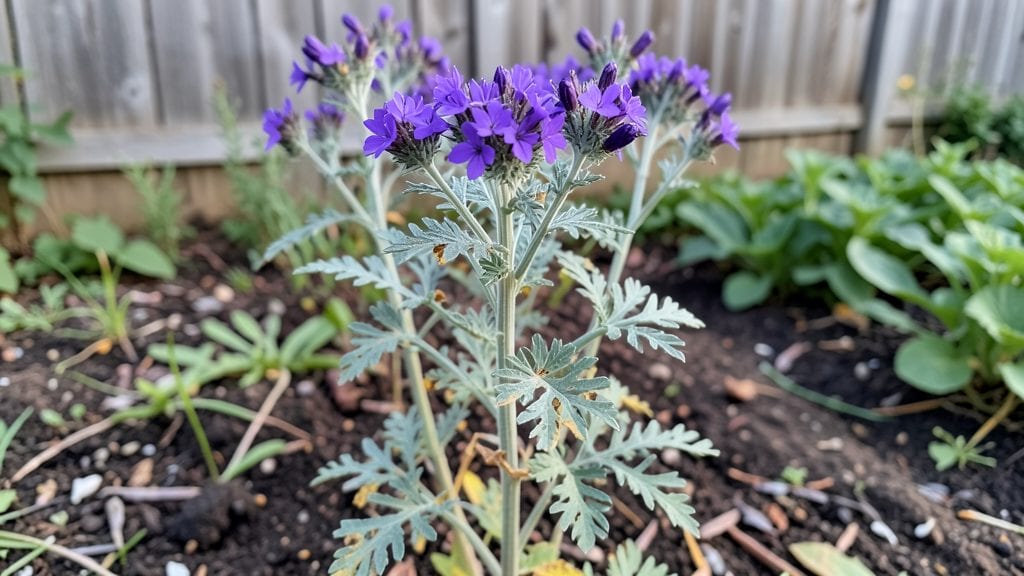
Growing purple cane flower transforms your garden into a hummingbird magnet in just 90 days—those striking purple plumes stand out like nothing else. 🌿 I planted mine last spring, and by summer, it was a buzzing, swaying showstopper that outlasted every other perennial.
The secret isn’t complicated: it’s about the right soil, sunlight, and a little patience for those dramatic blooms to unfurl.
This ornamental grass thrives in full sun and tolerates poor soil better than most perennials, making it perfect for beginners or neglected corners. You’ll need well-draining soil (even sandy spots work) and moderate watering—drought once established, but keep it moist while roots settle in.
The real magic happens when you let it grow wild: those feathery purple flowers attract hummingbirds for weeks, and the frost-resistant foliage stays upright all winter.
By mid-summer, you’ll have a 6-foot-tall hummingbird haven that outshines anything else in the garden. The blooms last longer than most flowers, and the airy stems sway in the breeze like a natural wind chime.
Prune back in early spring to encourage fresh growth, and you’ll get another season of drama. It’s the kind of plant that makes neighbors stop and ask, “What is that?”—and then you get to brag about your frost-resistant secret weapon.
Works in zones 3-9, from city patios to rural landscapes, and pairs beautifully with coneflowers or black-eyed Susans. The only mistake I’ve ever made? Planting it too close to the house—those seeds spread fast. But that’s a good problem to have. Ready to grow yours?
📚 In This Guide
- What you need
- Instructions
- Tips and common mistakes
- Wrapping up and next steps
What you need
- ● Purple cane flower (Echinacea purpurea) seeds or nursery plants: 10–20 seeds (if starting from seed) or
- ● 3–5 young plants (for faster results)
- ● Well-draining potting mix: 1–2 bags (look for organic or garden soil blend with perlite or sand)
- ● Garden bed or large containers: Minimum 12-inch depth (for roots)
- ● Full sun exposure (6+ hours/day)
- ○ Compost or slow-release fertilizer: 1–2 cups (optional but recommended for nutrient boost)
- ● Hand trowel or small shovel
- ● Gloves (to protect your hands)
- ● Watering can or hose with a gentle spray nozzle
- ● Mulch (straw or shredded bark, 1–2 inches thick)
- ○ Optional (but helpful!): Plant markers (to track varieties)
- ● Hummingbird feeder (for extra pollinator appeal!)
- ● Soil pH test kit (ideal pH: 6.0–7.0)
Step-by-step instructions for cultivating purple cane flower
Here's how to grow this vibrant, hardy perennial that thrives in tough conditions.
🌱 Step 1: Choose the Perfect Planting Location
Purple cane flower (Echinacea purpurea) thrives in full sun to partial shade, with at least 6 hours of direct sunlight daily. I always pick a spot with loose, well-draining soil—this plant hates soggy roots. If your soil is heavy clay, mix in 2-3 inches of compost before planting to improve drainage and fertility.
Here's the thing—this perennial spreads over time, so give it 18-24 inches of space between plants. If you're planting in a border, leave 3 feet of clearance on all sides to prevent overcrowding. The first year focuses on root establishment, so don't worry about perfect spacing yet—just ensure good airflow to prevent fungal issues.
🪴 Step 2: Plant at the Right Time and Depth
Spring or early fall are the best times to plant purple cane flower. I wait until after the last frost date in spring—planting too early in cold soil delays root growth. Dig a hole twice as wide as the root ball but only as deep as the container's base to prevent burying the crown.
Gently remove the plant from its container and loosen any circling roots with your fingers. Place it in the hole so the top of the root ball sits just below soil level. Backfill with native soil, pressing lightly to eliminate air pockets. Water deeply until moisture reaches 6 inches down—this encourages roots to explore downward immediately.
☀️ Step 3: Establish a Watering Routine
Newly planted purple cane flowers need 1 inch of water weekly during the first growing season. I check soil moisture by sticking my finger 2 inches deep—if it feels dry, that's your watering cue. Avoid overhead watering after planting, as wet foliage invites powdery mildew. Instead, use a soaker hose or drip irrigation at the base.
Once established (after 12-18 months), these plants are remarkably drought-tolerant. You'll see this when the second year's blooms appear without supplemental watering. That's your signal the roots have fully settled. Reduce watering to every 2-3 weeks during dry spells, but never let the soil dry out completely in extreme heat.
✂️ Step 4: Deadhead and Prune for Continuous Blooms
To keep purple cane flower flowering all season, I deadhead spent blooms by cutting the entire spent flower stalk back to the base. This prevents seed formation and redirects energy into new growth. Do this every 2-3 weeks during the blooming season (typically June through September in most climates).
In early spring, before new growth appears, cut back the previous year's stems to 4-6 inches tall. This encourages bushier growth and prevents the plant from becoming leggy. I always use clean, sharp pruners to make clean cuts—ragged edges invite disease. Wear gloves if you're sensitive to sap, as some varieties can be slightly irritating.
🌿 Step 5: Overwintering and Long-Term Care
Purple cane flower is famously frost-resistant, but young plants benefit from 2-3 inches of mulch in winter to protect roots from extreme cold. I use shredded hardwood mulch because it breaks down slowly and improves soil structure over time. Apply mulch after the first hard frost but before the ground freezes solid.
In late winter, before new growth appears, remove old mulch and check for overwintering pests like sawfly larvae. You'll spot them as small, green caterpillars on the stems—simply squish them or spray with soapy water if you find them. Once new shoots emerge, remove the old mulch to prevent rot and let the soil warm up naturally.
Tips & tricks for perfect purple cane flower cultivation
These insider tricks will help you cultivate thriving purple cane flowers that attract hummingbirds and thrive through frost.
Soil Preparation Secret: Before planting, I always test my soil's drainage by digging a hole and filling it with water. If it doesn't drain within 2 hours, mix in 2-3 inches of coarse sand or perlite along with the compost. This prevents the root rot that can kill even the hardiest purple cane plants. The right soil mix makes all the difference in establishing strong roots during that critical first year.
Planting Depth Technique: When placing your purple cane flower in the hole, use a level or straight stick to verify the top of the root ball sits exactly at soil level. Burying the crown too deep suffocates the plant, while planting too high leaves roots exposed to temperature swings. I make this check twice—once when placing the plant, and again after backfilling—to guarantee proper positioning. This small step prevents years of struggling with weak growth.
Watering Wisdom: For that crucial 1 inch of water weekly during the first year, I divide it into two sessions: ½ inch in the morning and ½ inch in the evening. Morning watering prevents fungal issues from overnight moisture, while evening watering gives roots time to absorb moisture before nighttime cooling. This split approach mimics natural rainfall patterns and creates optimal growing conditions.
Pruning Pro Tip: When deadheading every 2-3 weeks, I look for the first sign of wilting in the petals—not just fully brown blooms. Cutting at this early stage prevents seed formation and keeps the plant focused on producing new blooms. I also sterilize my pruners with rubbing alcohol between cuts to prevent spreading any potential diseases that could weaken your plant's immune system.
Pro Tips for Purple Cane Flower
- These insider tricks will help you cultivate thriving purple cane flowers that attract hummingbirds and thrive through frost.
- Soil Preparation Secret: Before planting, I always test my soil's drainage by digging a hole and filling it with water.
- Planting Depth Technique: When placing your purple cane flower in the hole, use a level or straight stick to verify the top of the root ball sits exactly at soil level.
Frequently asked questions
Got questions about growing purple cane flowers? You’re not alone!
Here are answers to the most common queries to help you cultivate this stunning, hummingbird-friendly plant with ease.
How cold-hardy is the purple cane flower?
The purple cane flower (Eustacegratia franchetiana) is surprisingly frost-resistant, thriving in USDA zones 6–9. It can handle light frosts down to 15°F (-9°C), making it ideal for early spring or late fall planting in milder climates. Just avoid heavy freezes—mulch helps protect roots!
How long does it take for purple cane flowers to bloom?
With proper care, you’ll see vibrant purple blooms in about 90 days from seed or transplant. For faster results, opt for nursery-started plants (they bloom sooner!). Consistent moisture and full sun accelerate flowering—think of it as a fast-track to hummingbird heaven!
Can I grow purple cane flowers in containers?
This plant adapts well to large containers (12"+ diameter) with drainage holes. Use a well-draining potting mix and fertilize lightly every 4–6 weeks. Just ensure the container gets at least 6 hours of sunlight daily—containers dry out faster, so monitor soil moisture closely.
Why aren’t hummingbirds visiting my purple cane flowers?
Hummingbirds love these flowers, but a few tweaks can help: Ensure blooms are open (they close at night), avoid pesticides, and plant near water sources. If blooms are sparse, try deadheading spent flowers to encourage more growth. Patience pays off—hummingbirds will find them!
What’s the best way to propagate purple cane flowers?
Propagation is easy! Divide mature clumps in early spring or take stem cuttings in summer. For cuttings, snip 4–6" stems, remove lower leaves, dip in rooting hormone, and plant in moist soil. Keep them humid (use a plastic bag) until roots form—typically in 4–6 weeks. Share with friends for a purple explosion!
Wrapping up and next steps
Growing purple cane flower is a rewarding journey that brings vibrant color, pollinator magic, and frost-resistant beauty to your garden in just 90 days! 🌸 With the right soil, sunlight, and care, you’ll create a hummingbird haven that thrives year after year.
Whether you’re a beginner or a seasoned gardener, this resilient plant offers low-maintenance charm and stunning visual appeal.
Ready to transform your outdoor space? Start with a single cutting or seed—your garden (and local hummingbirds!) will thank you. Grab your supplies today and watch your purple cane flower bloom into a standout star! 🌿✨