
Transplanting
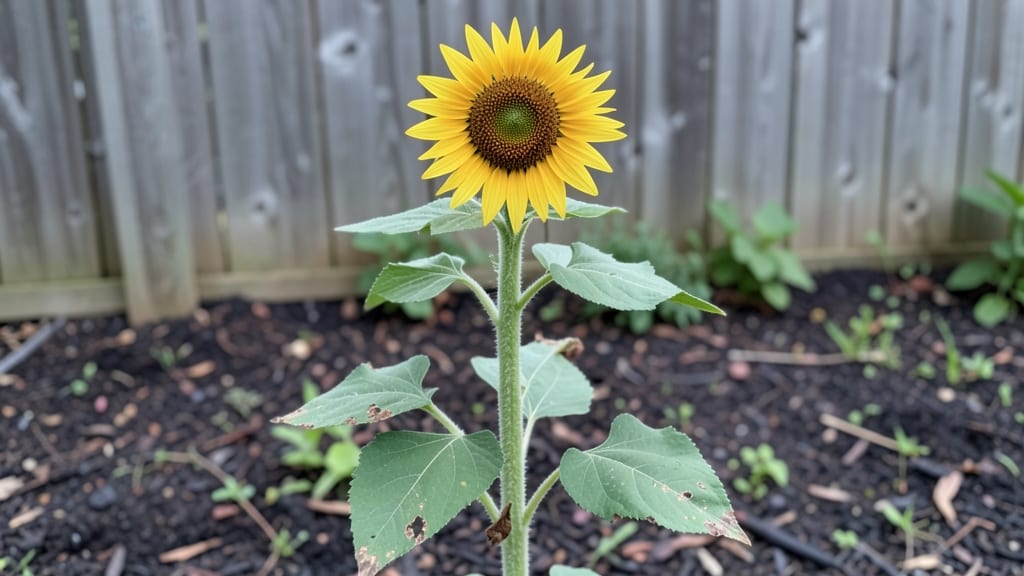
Transplanting roadside wild sunflowers turns forgotten corners into vibrant pollinator havens. 🌻 I’ve watched these golden giants transform neglected strips into buzzing ecosystems where bees and butterflies outnumber weeds. The key isn’t perfection—it’s letting them thrive where they want, with minimal fuss.
These sunflowers aren’t picky about soil or sun, making them perfect for roadside edges, meadows, or even container clusters. A single clump can support hundreds of pollinators while adding height and movement to any landscape.
Their deep roots prevent erosion too, so you’re doing double duty for both beauty and the environment.
By early summer, you’ll have towering blooms that sway in the breeze, their seeds feeding birds through winter. The best part? They self-seed like crazy, so once established, they multiply without extra work. Imagine a garden that feeds wildlife and grows itself—that’s the magic of wild sunflowers.
Whether you’re reviving a wildflower meadow or adding native charm to a suburban border, these sunflowers deliver year-round interest. Let’s get them planted where they’ll shine brightest for pollinators and your landscape.
📚 In This Guide
- What you need
- Instructions
- Tips and common mistakes
- Wrapping up and next steps
What you need
- ● Wild sunflower seedlings or mature plants: 10–50 plants (depending on desired coverage; aim for Helianthus annuus or Helianthus petiolaris for native resilience).
- ● Ensure they’re healthy, with no signs of disease or pest damage.
- ● Transplanting tools: 1 garden trowel or hand shovel (for digging small holes).
- ● 1 pruning shears or sharp scissors (to trim damaged roots or foliage).
- ● 1 watering can or hose with a gentle spray nozzle (for hydration).
- ○ Soil amendments (optional but recommended): 1–2 gallons of compost or well-rotted manure (to enrich soil).
- ● 1 cup of native soil mix (if transplanting into poor soil; blend with existing dirt).
- ● Mulch: 2–3 inches of organic mulch (straw, wood chips, or shredded leaves) to retain moisture.
- ● Location: Choose a site with full sun (6+ hours/day) and well-draining soil. Avoid low-lying areas prone to waterlogging.
- ● Timing: Transplant in early spring or early fall (avoid extreme heat or frost).
- ● Legal check: Confirm local regulations—some areas restrict transplanting wild plants without permits.
- ● Pollinator prep: Plant near native grasses or companion flowers (e.g., coneflowers, bee balm) to boost ecosystem benefits.
Step-by-step guide for transplanting wild sunflowers
Here's how to relocate these native beauties while keeping them thriving for pollinators.
🌱 Step 1: Time Your Transplant for Optimal Survival
Choose a cool, overcast day within 2-4 weeks of your region's last frost date—this gives roots time to establish before summer heat. I always dig up sunflowers in early spring or early fall when soil temperatures stay below 70°F. The key is avoiding transplant shock during peak heat when roots can't absorb moisture efficiently.
Look for healthy, mature plants with 4-6 leaves and sturdy stems—these have developed strong root systems. Avoid plants already showing flower buds, as they'll struggle to recover from the stress. Dig around the base with a trowel while keeping the root ball intact. The larger the root system you preserve, the quicker the plant recovers.
🪴 Step 2: Prepare the New Location with Proper Soil Conditions
Select a site with full sun exposure (at least 6-8 hours daily) and well-draining soil. Wild sunflowers tolerate poor soil but thrive in sandy loam with a pH between 6.0-7.5. If your soil is heavy clay, amend it with 2-3 inches of compost mixed into the top 6 inches of soil.
Dig a hole twice as wide as the root ball but only as deep as the plant's original soil line. Loosen the sides of the hole with your trowel to encourage root spread. Here's the thing—sunflowers have deep taproots, so disturbing them too much during transplanting can set back growth for weeks. Handle the root ball gently and place it in the hole at the same depth it grew before.
💧 Step 3: Water Deeply and Provide Immediate Support
Water the transplanted sunflower deeply immediately after planting—1-2 gallons spread evenly around the base. The goal is to saturate the soil 12 inches deep to encourage root expansion. I use a soaker hose for this step to avoid disturbing the soil surface. Water again every 2-3 days for the first 2 weeks, then taper to once weekly once new growth appears.
Stake taller varieties (over 3 feet) with a 5-foot bamboo stake inserted 2 inches from the stem. Tie the stem loosely with soft plant ties at the base and midway up. This prevents wind damage while allowing natural movement. Real talk: sunflowers are top-heavy, and without support, they'll flop over in the first strong breeze, which stresses the plant and delays flowering.
☀️ Step 4: Monitor Growth and Adjust Care Through the Season
Watch for new leaf growth within 7-10 days—this is your sign the transplant took. If leaves yellow or wilt, the plant may need more water or protection from afternoon sun. Mulch around the base with 2-3 inches of straw to retain moisture and suppress weeds. Keep mulch 4 inches away from the stem to prevent rot.
Fertilize lightly 4-6 weeks after transplanting with a balanced 10-10-10 fertilizer applied at half-strength. Wild sunflowers don't need heavy feeding, but a little boost encourages stronger stems. Stop fertilizing once flowering begins—too much nitrogen delays bloom time. You'll know you're on track when buds form by mid-summer, attracting bees and butterflies within weeks.
Tips & tricks for perfect roadside wild sunflower transplanting
Between us, transplanting wild sunflowers successfully comes down to these key moves that most gardeners miss.
Timing is Everything: The 2-4 week window after your last frost date isn't just arbitrary—it's when soil temperatures stay below 70°F for optimal root establishment. I've learned this the hard way after seeing plants wilt during summer transplants. Check your local frost dates and mark those 2-4 weeks on your calendar. Early spring or early fall are your best bets for transplanting, as these cooler periods reduce transplant shock significantly.
Root Ball Preservation: When digging up your wild sunflowers, focus on preserving that intact root ball—it's the plant's lifeline. I always use a trowel to carefully excavate around the base, working slowly to avoid breaking those delicate taproots. The larger the root system you preserve, the quicker the plant will recover. If you notice any damaged roots during the transplant, trim them cleanly with sterilized scissors and dust with cinnamon powder to prevent infection.
Support System: Those 5-foot bamboo stakes aren't just for show—they're crucial for preventing wind damage, especially with taller varieties. I position the stake 2 inches from the stem and tie it loosely at two points: the base and midway up. This allows natural movement while providing stability. Without proper staking, sunflowers can flop over in strong winds, which stresses the plant and delays flowering by weeks.
Watering Wisdom: That initial 1-2 gallons of water isn't just about hydration—it's about encouraging root expansion. I use a soaker hose to deliver water evenly around the base without disturbing the soil surface. During those first 2 weeks, maintain that every 2-3 days schedule to keep the soil consistently moist. The goal is to saturate 12 inches deep, which promotes deep root growth that wild sunflowers need to thrive.
Pro Tips for Roadside Wild Sunflower
- Between us, transplanting wild sunflowers successfully comes down to these key moves that most gardeners miss.
- Timing is Everything: The 2-4 week window after your last frost date isn't just arbitrary—it's when soil temperatures stay below 70°F for optimal root establishment.
- Root Ball Preservation: When digging up your wild sunflowers, focus on preserving that intact root ball—it's the plant's lifeline.
Frequently asked questions
Got questions about transplanting roadside wild sunflowers? You’re not alone! Here are some of the most common queries—and their answers—to help you grow a thriving pollinator haven with confidence.
When is the best time to transplant wild sunflowers?
Transplant roadside wild sunflowers in early spring (before new growth starts) or late fall (after frost). Avoid peak summer heat—roots struggle to establish when soil is dry. If you must transplant in summer, do it on a cool, cloudy day and keep the soil moist for 2–3 weeks afterward.
How do I tell if a wild sunflower is healthy enough to transplant?
Look for vigorous, disease-free plants with green leaves (no yellowing or spots) and a sturdy root ball. Avoid sunflowers with wilting stems or chewed foliage (deer/squirrels). Dig around the base—roots should be white or light tan, not brown or mushy.
What if my transplanted sunflowers die or wilt?
Don’t panic! Wilting often means underwatering or shock. Mulch heavily to retain moisture, and water deeply every 2–3 days for the first month. If leaves turn yellow, check for root rot (soggy soil) or nutrient deficiency (add compost). Overcrowding? Thin seedlings to 12–18 inches apart.
Will transplanted wild sunflowers still attract pollinators?
Wild sunflowers are native pollinator magnets—but only if they’re healthy. Ensure your transplanted plants get full sun (6+ hours/day) and well-draining soil. Deadheading spent blooms encourages continuous flowering, keeping bees and butterflies buzzing all season.
Can I transplant sunflowers from a highway median? Is it legal?
Check local land-use laws first—some states prohibit removing plants from public land. If permitted, wear gloves and long sleeves (roadside plants may carry pesticides or allergens). For safety, stick to private property or controlled areas like conservation easements.
Wrapping up and next steps
Transplanting roadside wild sunflowers isn’t just about adding beauty to your garden—it’s a powerful act of conservation that supports pollinators and boosts biodiversity. These hardy plants thrive with minimal effort, offering year-round resilience and a burst of color that brightens any landscape.
Whether you’re a seasoned gardener or a beginner, giving these sunflowers a new home is a rewarding way to connect with nature.
Ready to take the next step? Start small—grab a few plants from a safe roadside spot, follow the steps above, and watch your garden transform into a buzzing hub for bees, butterflies, and birds. Your green thumb (or even your first attempt!) could make a real difference. 🌻🐝