
Flowers
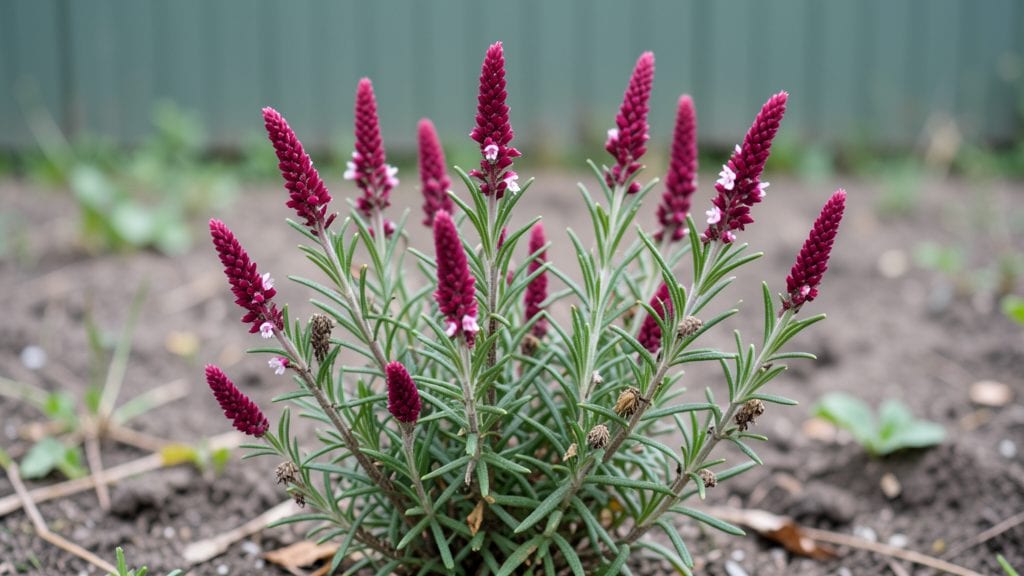
The red rosemary flower—with its striking purple blooms and pine-like scent—is the tough-as-nails plant that thrives where others freeze. 🌿 I still remember the first time I spotted it in a mountain garden, standing proud in rocky soil after a late frost.
This isn’t just another ornamental; it’s a survivor that rewards patience with fragrant, drought-resistant beauty.
You’ll need full sun (at least 6 hours daily), well-draining soil, and minimal fuss—this plant despises soggy roots. Start with cuttings in early spring or plant nursery-grown specimens after the last frost.
The secret to those vibrant blooms? Prune back by one-third in late winter to encourage fresh growth, and pinch off spent flowers to keep the plant producing.
By summer, you’ll have a bush bursting with deep purple-red flowers that last for weeks, their sweet aroma lingering in the air. The leaves stay fragrant and edible all season long, perfect for garnishes or teas.
Even in Zone 5 climates, it rebounds after winter’s chill with barely a struggle.
Watch for spider mites in dry spells (they adore rosemary) and avoid overwatering—the plant’s drought tolerance is legendary. With just 10 minutes of care per week, you’ll have a low-maintenance showstopper that outshines most perennials. Ready to grow yours?
📚 In This Guide
- What you need
- Instructions
- Tips and common mistakes
- Wrapping up and next steps
What you need
- ● Red rosemary flower plants: 1–3 nursery-grown plants (6–12 inches tall) or seeds (if starting from scratch). Pro tip: 💡 Nursery plants bloom faster!
- ● Well-draining soil: Mix 1 part potting soil with 1 part coarse sand or perlite (5–10 gallons, depending on container size). Critical: Avoid heavy clay!
- ○ Containers (optional but recommended): 5–10 gallon pots with drainage holes (1–2 per plant)
- ● OR a raised garden bed (minimum 12" depth)
- ● Sunlight access: Full sun (6+ hours daily) or partial shade (4+ hours). Red rosemary thrives in cold-hardy zones 7–10!
- ● Watering can or hose with gentle spray nozzle (drip irrigation works too!)
- ● Pruning shears (sharp, clean pair for shaping)
- ● Slow-release fertilizer: 5–10-5 blend (sprinkle lightly at planting)
- ● Mulch: Gravel or pine straw (1–2 inches) to retain moisture
- ● Support stakes: For tall varieties (3–4 ft stakes)
- ● pH test kit: Ideal range: 6.0–7.5 (adjust with lime or sulfur if needed)
- ● Companion plants: Thyme, lavender, or rosemary (they love each other!)
Step-by-Step guide to cultivating vibrant red rosemary flowers
Here’s how to coax those striking purple blooms from your rosemary—it’s easier than you think.
🌱 Step 1: Select the Right Variety and Planting Site
Choose a hardy rosemary cultivar like Rosmarinus officinalis 'Rosengarten' or R. officinalis 'Blue Spires'—both produce stunning red-purple flowers. Plant in well-draining soil with a slightly alkaline pH (6.5-7.5) to prevent chlorosis. Rosemary thrives in full sun (6+ hours daily) but tolerates partial shade in hot climates.
If growing in containers, use 6-8 inch pots with drainage holes—rosemary roots despise soggy soil. Amend native soil with 1 part perlite to 3 parts potting mix for aeration. Wait until soil warms to at least 50°F before transplanting outdoors, as cold soil stunts root growth.
☀️ Step 2: Prune Strategically for Bushier Growth and Blooms
Prune twice annually: once after flowering (late spring) and again in early fall. Cut back one-third of the plant’s height using clean, sharp shears to encourage branching. Avoid cutting into old wood—new growth emerges from current-year stems.
For flowering, pinch back tender new growth in early spring to redirect energy toward blooms. Watch for woody stems—these signal overgrowth. Trim them back to 2-3 inches above a leaf node to stimulate fresh, flowering shoots. Deadhead spent blooms promptly to prolong the flowering season.
💧 Step 3: Water and Fertilize for Optimal Flower Production
Water deeply but infrequently—rosemary’s Mediterranean roots store moisture. Let the top 2 inches of soil dry out between waterings. Overwatering causes root rot, which kills the plant quickly. In containers, check soil moisture daily in summer; outdoor plants need water every 5-7 days unless rainfall occurs.
Fertilize lightly with a balanced, water-soluble fertilizer (10-10-10) diluted to half-strength in early spring. Too much nitrogen promotes leafy growth at the expense of flowers. Stop fertilizing 6-8 weeks before first frost to harden off the plant for winter.
⏰ Step 4: Protect from Frost and Encourage Winter Blooms
Rosemary survives light frosts (down to 15°F) but may drop leaves. Mulch the base with 2-3 inches of gravel or coarse sand to insulate roots and improve drainage. In colder zones, grow rosemary in containers and move them indoors near a sunny window during winter.
Prune lightly in late winter to remove dead growth. Even in dormancy, rosemary can produce late-winter blooms if given bright light (12+ hours daily). Watch for new purple buds—these indicate the plant is prepping for another flowering cycle.
✂️ Step 5: Harvest and Preserve Flowers for Year-Round Enjoyment
Harvest flowers in morning hours when blooms are fully open but still vibrant. Cut 3-4 inch stems just above a leaf node to encourage bushier growth. Strip leaves from the lower half of the stem for bouquets, leaving foliage to photosynthesize.
Dry flowers by hanging stems upside down in a dark, well-ventilated space for 2-3 weeks. Store dried blooms in airtight containers away from direct light. For winter arrangements, mix dried rosemary flowers with eucalyptus or pinecones for a fragrant, rustic look.
Tips & tricks for growing stunning red rosemary flowers
These insider secrets will help you coax vibrant purple blooms from your rosemary—even in cooler climates.
Variety Matters: While 'Rosengarten' and 'Blue Spires' are the stars for red-purple flowers, don't overlook Rosmarinus officinalis 'Prostratus' for ground cover options. The key is selecting cultivars specifically bred for flowering intensity—regular garden-center rosemary often focuses on foliage over blooms. For maximum color saturation, expose plants to at least 6 hours of direct sunlight daily, but protect from harsh afternoon sun in hot climates where leaves can scorch.
Pruning Precision: That one-third height reduction in Step 2 works best when you target non-flowering stems first. New growth emerges from current-year stems, so always cut just above a leaf node where fresh shoots will appear. For winter pruning, remove only dead or damaged branches—rosemary's woody stems signal it's conserving energy for survival, not growth. Use bypass pruners for clean cuts that heal faster than shears.
Watering Wisdom: The 2-inch soil dryness rule applies to containers too, but check daily in summer heat. A moisture meter helps avoid overwatering, which causes root rot—the silent killer of rosemary. In winter, reduce watering to every 10-14 days unless your plant is in a heated space. Mulching with gravel (not organic matter) prevents soil compaction while improving drainage—critical for those Mediterranean roots.
Frost Protection: The 15°F threshold is where most rosemary varieties struggle, but 'Arp' can handle 10°F with proper care. For container growers, move plants to unheated garages or sheds during hard freezes—they'll survive 20°F with no protection. In-ground plants benefit from a thick layer of straw mulch (2-3 inches) around the base, which insulates roots better than sand in prolonged cold snaps.
Pro Tips for Red Rosemary Flower
- These insider secrets will help you coax vibrant purple blooms from your rosemary—even in cooler climates.
- Variety Matters: While 'Rosengarten' and 'Blue Spires' are the stars for red-purple flowers, don't overlook Rosmarinus officinalis 'Prostratus' for ground cover options.
- Pruning Precision: That one-third height reduction in Step 2 works best when you target non-flowering stems first.
Frequently asked questions
Got questions about growing red rosemary flowers? You’re not alone! Here are answers to the most common queries to help you cultivate these stunning, cold-hardy blooms with confidence.
Can red rosemary flowers grow in containers?
These hardy plants thrive in containers as long as the pot has drainage holes and is at least 12 inches deep. Use well-draining soil and place them in a sunny spot. Containers also make it easy to move them indoors during frost or extreme cold. Just ensure they get enough sunlight—6+ hours daily is ideal.
How cold can red rosemary handle?
One of their biggest perks? Red rosemary flowers are frost-tolerant! They can survive temperatures as low as 10°F (-12°C) once established. Young plants may need winter protection (like mulch or a frost cloth), but mature plants often bounce back after light freezes. Their woody stems add extra resilience in chilly climates.
What’s the best time to prune red rosemary?
Prune in early spring or after flowering to encourage bushier growth and more blooms. Avoid heavy pruning in fall—it can stress the plant before winter. Use clean, sharp shears to trim back leggy stems by about 1/3 and remove any dead or woody growth. Pro tip: Never prune into old wood, as red rosemary struggles to regrow from there!
Why aren’t my red rosemary flowers blooming?
If your plant is healthy but not flowering, it might need more sunlight (full sun is key) or a light trim to promote new growth. Over-fertilizing (especially with high-nitrogen feeds) can also delay blooms. Try deadheading spent flowers to encourage more blooms. If the plant looks leggy, it may need repotting or a more nutrient-rich soil blend.
Are there any alternatives to red rosemary for cold climates?
Yes! If you love cold-hardy, fragrant flowers, consider:
- Russian sage (Perovskia atriplicifolia) – Drought-tolerant and thrives in zones 4-9.
- Lavender (Lavandula) – Hardy, aromatic, and loves full sun (zones 5-9).
- Catmint (Nepeta) – Long-blooming and deer-resistant (zones 3-9).
Wrapping up and next steps
The red rosemary flower isn’t just a stunning addition to your garden—it’s a resilient, fragrant powerhouse that thrives even in cooler climates.
Whether you’re drawn to its vibrant purple blooms, its hardy nature, or its culinary and medicinal uses, growing this beauty is well within reach with the right care. Now that you’re armed with the knowledge to nurture it, why not take the next step?
Grab your gloves, pick a sunny spot, and let your garden bloom with color, scent, and life! 🌱✨