
Flowers
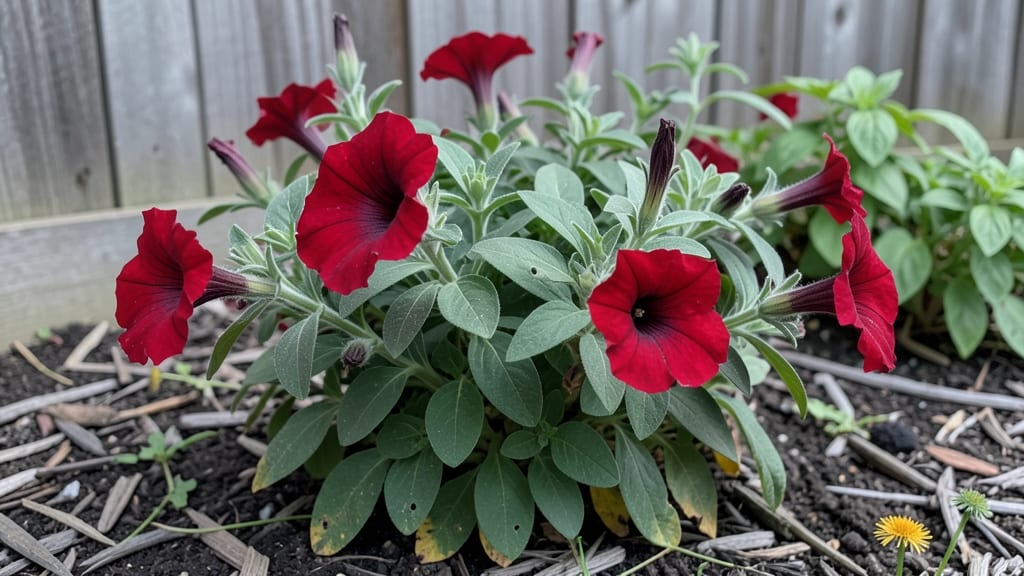
Growing red petunias in the Pacific Northwest isn’t just about pretty flowers—it’s about creating a hummingbird hotspot that thrives even when others fade. 🌸 These bold blooms refuse to play by seasonal rules, rewarding you with color from spring through frost if you give them the right conditions.
I’ve learned the hard way that PNW’s damp, mild winters demand special care, but with the right soil, sunlight, and a few tricks, your red petunias will outshine every neighbor’s summer annuals.
The secret starts with well-draining soil—PNW’s heavy clay needs amending with compost and perlite to keep roots happy. Plant in full sun (at least 6 hours daily) and water consistently, but avoid soggy soil—petunias hate wet feet.
Feed them every 2-3 weeks with a balanced fertilizer, and you’ll see those vibrant red blooms multiplying faster than you can say “hummingbird buffet.” The key? Don’t skimp on the mulch to protect roots from winter’s chill.
By midsummer, your petunias will be a nonstop show, their trumpet-shaped blooms drawing hummingbirds like magnets. Prune spent flowers regularly to encourage more blooms, and watch as they spill over containers or brighten garden beds with their fiery color.
Even in the PNW’s cooler months, these tough plants keep performing—proof that beauty doesn’t need summer to shine.
Whether you’re filling window boxes, hanging baskets, or border edges, red petunias bring joy and movement to any space. The best part? They’re beginner-friendly but feel like a pro’s secret.
Ready to turn your garden into a hummingbird highway? Let’s get those roots in the ground—your future blooms will thank you.
📚 In This Guide
- What you need
- Instructions
- Tips and common mistakes
- Wrapping up and next steps
What you need
- ● Red petunia seeds or seedlings – Choose Petunia × atkinsiana or hybrid varieties like 'Red Velour' or 'Tidal Wave Red' for vibrant blooms. Quantity: 10–20 seeds (or 3–5 seedlings for a small garden).
- ● Well-draining potting mix – A blend of 50% peat moss or coconut coir, 30% perlite or vermiculite, and 20% compost (for seedlings). For in-ground planting, amend soil with compost or aged manure.
- ● Containers or garden beds – For seedlings: 4–6" diameter pots with drainage holes (1–2 per seedling).
- ● For mature plants: Hanging baskets (12"+ diameter) or garden beds with 6–12" spacing between plants.
- ● Slow-release fertilizer – A balanced 10-10-10 or tomato/vegetable blend (follow package rates). Pro tip: 💡 Mix a ¼ tsp of Epsom salt into water monthly for magnesium boost!
- ● Hand trowel or small shovel – For transplanting seedlings.
- ● Watering can or hose with a gentle spray nozzle – Petunias hate soggy roots!
- ● Pruning shears – To deadhead spent blooms and encourage new growth.
- ○ Garden gloves – Optional but helpful for handling soil and plants.
- ● Sunlight gauge – Ensure your spot gets 6+ hours of sun daily (PNW’s partial shade is fine for containers).
- ○ Mulch (optional) – 2–3" of straw or shredded bark to retain moisture and suppress weeds.
- ● Cold frames or row covers – If starting seeds indoors, use a heat mat (70–75°F) for germination.
- ● Rain protection – Elevate containers or use drip irrigation to avoid waterlogging.
- ● Hummingbird-friendly extras – Add a small water dish nearby for extra pollinator appeal! 🐝
Step-by-Step instructions for growing vibrant red petunias
Here’s the foolproof method I’ve used to grow petunias that last all season—even in our damp Pacific Northwest summers.
🌱 Step 1: Choose the Right Spot and Prep the Soil
Petunias thrive in full sun (at least 6 hours daily), but in the PNW, afternoon shade helps prevent leaf scorch. I pick a location sheltered from strong coastal winds—those can snap tender stems. Amend your garden soil with 2-3 inches of compost before planting to improve drainage, since petunias hate soggy roots.
Test your soil’s moisture by squeezing a handful—it should crumble easily. If it sticks together, mix in 1 part perlite to the existing soil for better aeration. I like to add a slow-release granular fertilizer at planting time for a steady nutrient boost.
🪴 Step 2: Plant at the Correct Depth and Spacing
Dig holes just deep enough to bury the petunia’s root ball no deeper than it was in its pot—too deep causes rot. Space plants 12-18 inches apart for bushy growth. If you’re planting from seed, sow ¼ inch deep and thin seedlings to this spacing once they have 2 sets of true leaves. I always wear gloves for this—petunia leaves can irritate skin.
Gently press soil around the roots to remove air pockets, then water deeply until moisture reaches 4-6 inches down. This settles the soil and encourages roots to spread quickly. Watch for wilting in the first few days—it’s normal as they adjust, but water again if leaves droop by midday.
☀️ Step 3: Water Smartly for Continuous Blooms
Petunias need consistent moisture—never let them dry out completely, but avoid soggy soil. I water early in the morning so leaves dry by evening, preventing fungal diseases. Stick your finger 1 inch into the soil—if it’s dry, water thoroughly. In the PNW’s humid summers, I reduce watering slightly to prevent root rot.
Deadhead spent blooms weekly to encourage more flowers. Pinch off flowers just above the next set of leaves with your fingers—no need for shears. This trick keeps petunias blooming nonstop, even in our rainy seasons. I’ve seen them last from May through October with this care.
✂️ Step 4: Prune and Fertilize for Long-Lasting Beauty
Every 4-6 weeks, give your petunias a light trim to shape them and remove leggy growth. Cut back stems to just above a leaf node—this encourages bushier growth. I use clean, sharp scissors to avoid tearing stems. After pruning, add a balanced liquid fertilizer (10-10-10) to help them recover.
Watch for powdery mildew in shady spots—it looks like white dust on leaves. If you see it, spray with a neem oil solution (1 tablespoon per quart of water) and improve airflow around plants. In the PNW, this usually happens when we get a stretch of cool, damp weather.
🌿 Step 5: Overwinter Care for Next Year’s Blooms
When frost threatens, cut back plants to 4-6 inches tall and mulch heavily with 2-3 inches of straw. This protects roots through winter. In mild PNW winters, some petunias survive with minimal protection, but I’ve found that digging up and overwintering them indoors (in pots) gives stronger regrowth.
Start new plants from cuttings in early spring—just dip stems in rooting hormone and plant in moist potting mix. They’ll root in 2-3 weeks, and you’ll have fresh blooms by Memorial Day. This is how I’ve kept my favorite red varieties coming back for years.
Tips & tricks for perfect red petunia growth
Here's what nobody tells you about keeping these bold beauties thriving in our tricky PNW climate.
Soil Secrets: The 2-3 inches of compost in Step 1 isn't just about nutrients—it creates that perfect crumbly texture petunias crave. I've found that mixing in 1 part perlite to heavy clay soil makes all the difference in preventing soggy roots. Confession: I skipped this step for years and wondered why my plants always looked stressed.
Planting Precision: When you're spacing those 12-18 inches apart in Step 2, think of it as creating a breathing room for airflow. Too close, and you'll get crowded stems that invite fungal diseases. I like to sketch a simple grid on paper first to visualize the layout—it saves me from uneven spacing mistakes later. The ¼ inch seed depth might seem shallow, but it's crucial for quick germination.
Watering Wisdom: That 1-inch soil moisture check in Step 3 is your secret weapon. I've learned to water when the top inch feels dry to the touch—it's the sweet spot between underwatering and drowning the roots. In our humid summers, I actually reduce watering slightly to prevent root rot, which is counterintuitive but works perfectly. Morning watering is non-negotiable for preventing fungal issues.
Deadheading Discipline: The weekly deadheading in Step 3 keeps those red blooms coming nonstop, but here's the trick: always pinch just above a leaf node, not at the base. This encourages new growth from that exact spot. I've seen petunias last from May through October with this simple technique—it's like giving them a perpetual fountain of youth.
Pro Tips for Red Petunia Flower
- Here's what nobody tells you about keeping these bold beauties thriving in our tricky PNW climate.
- Soil Secrets: The 2-3 inches of compost in Step 1 isn't just about nutrients—it creates that perfect crumbly texture petunias crave.
- Planting Precision: When you're spacing those 12-18 inches apart in Step 2, think of it as creating a breathing room for airflow.
Frequently asked questions
Got questions about growing and maintaining your red petunia flowers? You’re in the right place! Here are some of the most common queries from gardeners in the Pacific Northwest and beyond—plus quick, actionable answers to keep your blooms thriving.
When is the best time to plant red petunias in the PNW?
For year-round color, start seeds indoors in early spring (March) or transplant after the last frost (typically late May). If you’re extending the season, use heat-loving varieties and protect them with row covers in early fall. Pro tip: PNW’s mild winters allow some varieties to survive with mulch and frost cloth!
How long do red petunias bloom, and how do I keep them flowering?
With proper care, red petunias can bloom continuously from spring to frost (or even longer in the PNW’s milder zones). To extend blooms:
- Deadhead spent flowers weekly to encourage new buds.
- Fertilize every 2–3 weeks with a balanced, water-soluble formula (10-10-10).
- Water at the base in the morning to prevent fungal issues.
Why aren’t hummingbirds visiting my red petunias?
Hummingbirds love red petunias—if they’re skipping yours, check these fixes:
- Color contrast: Plant near purple or pink flowers (hummingbirds see UV patterns).
- Water source: Add a shallow dish with fresh water nearby.
- Pesticides: Avoid chemicals; opt for neem oil if pests appear.
- Timing: Hummingbirds arrive in late March–April in the PNW—be patient!
How do I protect red petunias from PNW rain and wind?
PNW’s wet, windy conditions can stress petunias. Shield them with:
- Windbreaks: Use bamboo stakes or trellises to support trailing varieties.
- Drainage: Plant in well-amended soil with perlite or sand to prevent root rot.
- Mulch: Apply 2–3 inches of organic mulch (straw or shredded bark) to insulate roots.
- Fungus prevention: Space plants 12–18 inches apart for airflow.
Can I grow red petunias in containers, and what’s the best setup?
Containers are perfect for PNW’s urban gardens. Use:
- Pot size: At least 12–14 inches deep (bigger = more blooms).
- Drainage: Drill holes in the bottom and use lightweight potting mix with perlite.
- Sunlight: Place in full sun (6+ hours/day)—south- or west-facing spots work best.
- Trailing varieties: Hang baskets for a cascade effect (e.g., ‘Wave’ or ‘Tumbling Waterfall’).
Wrapping up and next steps
Growing red petunia flowers in the Pacific Northwest isn’t just about adding vibrant color—it’s about creating a thriving haven for hummingbirds and boosting your garden’s charm year-round! 🌸 With the right soil, sunlight, and care, these bold blooms will reward you with stunning displays and endless buzzing visitors.
Whether you’re a seasoned gardener or just starting, your efforts will pay off in petals and joy.
Ready to dive in? Start small—plant a few red petunias in a pot or patch, experiment with companion plants, and watch your garden transform. Happy growing! 🌱