
Shrubs
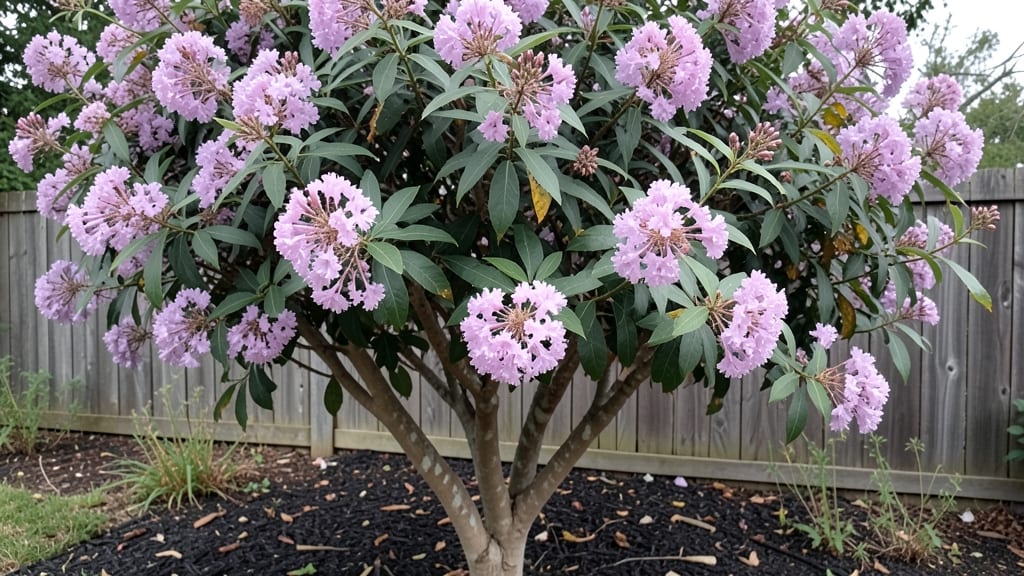
Transform your Florida garden with a stunning red flower tree, like the crape myrtle or royal poinciana—vibrant blooms that last all year and draw hummingbirds. 🌺 These shrubs thrive in the heat and humidity, making them the perfect low-maintenance choice for Florida’s climate.
The best part? They fit seamlessly into any design—whether you’re creating a tropical paradise or a classic Southern garden. Crape myrtles bloom from summer to fall, while royal poincianas burst with fiery red flowers in spring.
Both handle Florida’s soil and weather like pros, so you won’t waste time fussing over them. Just plant, water, and enjoy the show.
Imagine your patio buzzing with hummingbirds all season long, their wings a blur against the deep red blooms. The contrast of glossy green leaves against the bright flowers creates a stunning visual impact, and these shrubs grow tall enough to serve as natural privacy screens or focal points.
They’re also drought-tolerant once established, saving you water and effort.
For best results, plant them in full sun where they’ll get at least 6 hours of light daily. Mulch around the base to retain moisture, and prune lightly after blooming to keep them shaped.
Whether you’re lining a driveway or framing a porch, these red-flowering shrubs will be the showstopper your garden deserves.
📚 In This Guide
- What you need
- Instructions
- Tips and common mistakes
- Wrapping up and next steps
What you need
- ● Red Flower Tree (Lagerstroemia indica): 1-3 mature shrubs (3-6 ft tall, 2-3 ft wide) for immediate impact
- ● OR 1-2 young nursery plants (1-2 ft tall) for long-term growth
- ● Check for pink, red, or purple blooms and healthy foliage
- ● High-quality potting soil or native Florida soil mix (2-3 bags, 40 lbs each)
- ● Organic mulch (pine bark or cypress mulch, 1-2 cubic feet)
- ● Slow-release fertilizer (balanced 6-6-6 or acidic 8-3-9 for azaleas)
- ● Pruning shears (bypass type, sharp and sterilized)
- ● Garden hose or watering can with spray nozzle
- ● Shovel or trowel (for digging holes, 8-12" deep)
- ● Gloves (gardening or work gloves for protection)
- ● Measuring tape (to ensure proper spacing: 10-15 ft apart for mature trees)
- ● Epsom salt (1 tbsp per plant, monthly, for magnesium boost)
- ○ Hummingbird feeder (optional but highly recommended for instant pollinator action!)
- ○ Drip irrigation system (optional for automated watering)
- ● 🔥 Sunlight: Full sun (6+ hours daily) or partial shade (morning sun, afternoon shade for Florida’s heat)
- ● 💡 Soil pH: Slightly acidic to neutral (6.0–7.0). Test your soil with a kit if unsure!
- ● 🌡️ Climate: USDA Zones 7–10 (Florida is perfect for this shrub!)
- ● ✨ Spacing: Allow 10–15 ft between plants for airflow and growth
Step-by-step guide to planting and caring for your Florida red flower tree
Here’s how to get this stunning hummingbird magnet thriving in your Florida landscape.
🪴 Step 1: Choose the Perfect Planting Spot
Red flower trees (like the native Florida flame tree or tropical hibiscus varieties) need full sun—at least 6-8 hours of direct sunlight daily—to produce their vibrant blooms. In Florida’s heat, afternoon shade helps prevent leaf scorch, but morning sun is non-negotiable. Look for a spot with well-draining soil—these trees hate soggy roots.
I always check the microclimate: if your yard has a hot, dry corner, that’s ideal. Avoid low spots where water pools after rain. The tree’s mature size matters too—most Florida red flower trees grow 15-25 feet tall, so give it 15-20 feet of clearance from structures or power lines.
🌱 Step 2: Prepare the Soil and Plant Your Tree
Dig a hole twice as wide as the root ball but only as deep as the container’s base—planting too deep suffocates roots. Amend the native soil with 2-3 inches of compost mixed into the bottom of the hole to boost drainage and nutrients. Florida’s sandy soil drains fast, so this step keeps moisture where roots need it.
Gently remove the tree from its container and loosen any circling roots with your fingers. Place it in the hole so the top of the root ball sits 1 inch above ground level—this prevents rot during heavy rains. Backfill with native soil, pressing lightly to remove air pockets, then water deeply to settle everything.
☀️ Step 3: Water and Mulch for Florida’s Climate
After planting, water deeply every 2-3 days for the first 2 weeks, then taper to once a week unless rainfall provides 1 inch of moisture. Florida’s humidity means these trees rarely need extra water once established, but young roots are fragile. Check soil moisture by sticking your finger 2 inches down—if it’s dry, water.
Spread 2-3 inches of mulch (like pine bark or cypress mulch) in a 3-foot-wide ring around the base, keeping it 6 inches away from the trunk. This conserves moisture, regulates soil temperature, and suppresses weeds—critical in Florida’s hot summers. Replenish mulch annually as it breaks down.
✂️ Step 4: Prune and Fertilize for Year-Round Blooms
Prune lightly in late winter (January-February) to shape the tree and remove dead branches. Florida red flower trees bloom on new wood, so avoid heavy pruning—just trim back any leggy growth or crossing branches. Use sterilized pruners to prevent disease, and seal larger cuts with pruning sealant if needed.
Fertilize twice a year: once in early spring with a balanced 6-6-6 fertilizer and again in mid-summer with a low-nitrogen, high-phosphorus blend (like 3-6-6) to encourage blooming. Follow package rates—over-fertilizing stresses Florida natives. Water deeply after each feeding to help nutrients reach roots.
🐦 Step 5: Protect and Enjoy Your Hummingbird Haven
Watch for scale insects or whiteflies—common pests in Florida’s heat. Spray infested branches with neem oil or introduce ladybugs for natural control. Hummingbirds will visit within weeks of planting, so place feeders nearby for extra attraction. These trees thrive with minimal fuss once established!
Real talk: Florida’s weather can be unpredictable. If a frost warning hits (rare but possible), wrap young trees in burlap or use frost cloth—these tropical beauties aren’t frost-hardy. With the right care, your red flower tree will reward you with colorful blooms year-round and a backyard full of buzzing visitors.
Tips & tricks for perfect red flower tree planting
Your Florida red flower tree won't just survive—it'll thrive—with these game-changing tips that make all the difference in that first critical year.
Sunlight Strategy: That 6-8 hours of sunlight isn't just a minimum—it's your tree's fuel source. I've seen trees planted in "mostly sunny" spots that never bloomed properly. For maximum color, position your tree where it gets morning sun plus at least 4 hours of afternoon sun. In Florida's intense heat, afternoon shade helps prevent leaf scorch while still giving those blooms the energy they need.
Soil Science: Florida's native sandy soil drains too fast for these tropical beauties. The 2-3 inches of compost you mix in isn't just about nutrients—it's about creating a moisture-retaining zone around the roots. Pro tip: If your soil feels like sand between your fingers, add an extra inch of compost to the bottom of the hole. This creates a "moisture sponge" that keeps roots hydrated during those hot Florida afternoons.
Watering Wisdom: Those first two weeks are critical—your tree's roots need consistent moisture to establish. I've learned the hard way that "every 2-3 days" can mean disaster if you're inconsistent. Set a phone reminder or use a moisture meter to check that 2-inch depth. A good rule: if you can poke your finger down 2 inches and feel dryness, it's time to water. Overwatering is just as bad as underwatering for these Florida natives.
Mulch Magic: That 2-3 inches of mulch isn't just decoration—it's your tree's thermal blanket. I use pine bark mulch because it breaks down slowly and mimics Florida's natural forest floor. The key is keeping it 6 inches away from the trunk to prevent rot. Spread it in that 3-foot-wide ring and you'll see fewer weeds, cooler soil temperatures, and less water evaporation. Think of it as your tree's invisible force field against Florida's summer extremes.
Pro Tips for Red Flower Tree Florida
- Your Florida red flower tree won't just survive—it'll thrive—with these game-changing tips that make all the difference in that first critical year.
- Sunlight Strategy: That 6-8 hours of sunlight isn't just a minimum—it's your tree's fuel source.
- Soil Science: Florida's native sandy soil drains too fast for these tropical beauties.
Frequently asked questions
Got questions about Florida’s stunning red-flowering trees?
You’re not alone! Here are answers to the most common queries—from planting tips to troubleshooting—so you can grow a hummingbird haven with confidence.
What’s the best time to plant a red-flowering tree in Florida?
Plant in late fall or early spring (November–March) when temperatures are mild. Avoid summer’s heat and humidity, which stress young roots. Choose a spot with well-draining soil and partial sun (4–6 hours daily) for optimal blooms.
Do these trees attract hummingbirds year-round in Florida?
Yes! Native varieties like Firebush (Hamelia patens) or Scarlet Buckeye (Aesculus pavia) bloom continuously (with seasonal peaks). Hummingbirds adore the nectar-rich flowers—plant near windows or feeders for a front-row show!
How do I keep my red-flowering tree blooming all year?
Prune lightly after blooming to encourage new growth. Fertilize with a balanced, slow-release granular in spring, and water deeply 1–2 times weekly (adjust for drought). Mulch with 2–3 inches of organic material to retain moisture.
Why aren’t my red flowers blooming as much as expected?
Common culprits: over-fertilizing (too much nitrogen), underwatering, or poor sunlight. Check soil moisture, move to sunnier spot if needed, and switch to a low-nitrogen, high-phosphorus fertilizer (like 5-10-5). Patience helps—some trees take 2–3 years to mature!
Are there non-invasive alternatives to traditional red-flowering trees?
Try Coralberry (Symphoricarpos orbiculatus) (red berries + pink flowers) or Dwarf Yaupon Holly (Ilex vomitoria ‘Nana’) (tiny red berries, evergreen). Both thrive in Florida’s climate and support wildlife. Pro tip: Check the UF/IFAS database for region-specific picks!
Wrapping up and next steps
The red flower tree in Florida isn’t just a stunning shrub—it’s a hummingbird haven and a year-round beauty that brings joy and color to any landscape. 🌸 Whether you're drawn to its vibrant blooms, low-maintenance care, or ecological benefits, this shrub is a fantastic addition to your garden.
Ready to transform your outdoor space?
Take the next step by planning your planting—choose a sunny spot, gather your tools, and get ready to welcome a flurry of hummingbirds and endless seasonal charm! 🌿