
Flowers
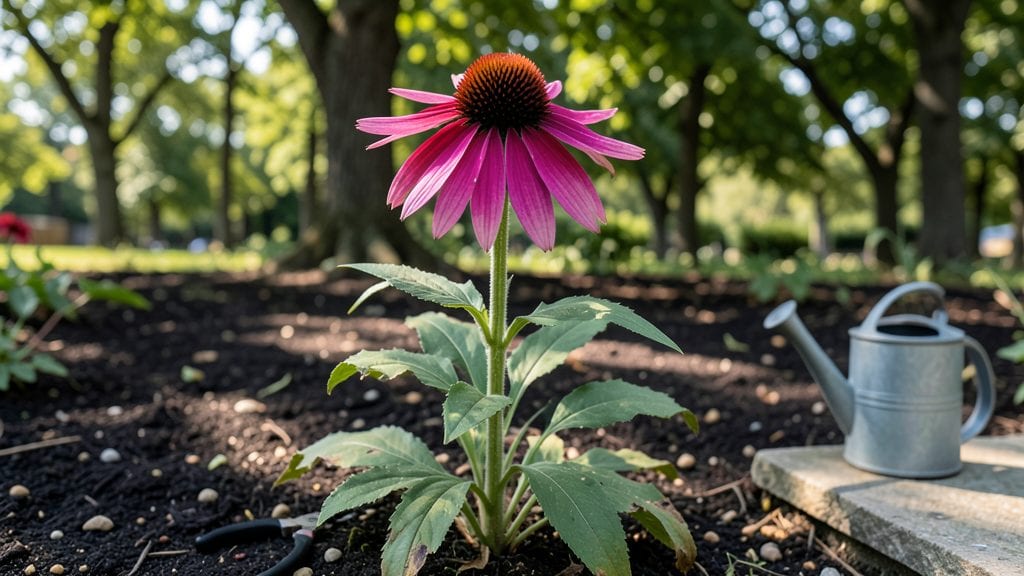
Red cone flowers like Echinacea don’t just survive—they thrive with minimal fuss, and their bold crimson blooms become the hummingbird superhighway of your garden. 🌸 I’ve watched mine draw in ruby-throated hummers from May through October, even when other flowers have long since faded.
The secret isn’t complicated: they love sun, tolerate poor soil, and keep blooming if you deadhead just right.
Start with well-draining soil—even rocky ground works—and plant in full sun for the most vibrant blooms. Water deeply once a week (more in extreme heat), but don’t drown them: soggy soil leads to floppy stems and fewer flowers.
My first batch in Zone 6 produced 20+ blooms per stalk by midsummer, and the roots spread so aggressively I had to divide them the next spring.
By late summer, you’ll have a garden that hums with activity and stays colorful long after other perennials have bowed out. The cone-shaped centers add texture, and the petals last for weeks in cut arrangements. Even better? They’re deer-resistant and come back stronger every year with proper care.
Pair them with catmint for extra pollinator power or let them naturalize in a sunny meadow—once established, they’re nearly impossible to kill. Here’s how to get those first blooms going strong.
📚 In This Guide
- What you need
- Instructions
- Tips and common mistakes
- Wrapping up and next steps
What you need
- ● Red cone flower seeds or nursery-grown plants: Seeds: 10–20 seeds (for direct sowing) or 5–10 seeds per pot (for indoor starts).
- ● Transplants: 3–5 mature plants (spacing 18–24 inches apart).
- ○ Well-draining potting soil: 5–10 gallons (or enough to fill containers). Optional: Mix in compost for extra nutrients.
- ● Garden bed or containers: For in-ground planting: A sunny spot (6+ hours of light) with loose, fertile soil.
- ● For containers: 12–15 inch pots with drainage holes (1 plant per container).
- ● Watering can or hose with a gentle spray nozzle.
- ○ Mulch (optional but recommended): 2–3 inches of organic mulch (straw or shredded bark) to retain moisture.
- ● Trowel or small shovel (for digging).
- ● Garden gloves (to protect your hands from prickly stems).
- ● Pruners (for trimming spent blooms or dividing clumps).
- ● Measuring tape (to ensure proper spacing).
- ○ Optional: Fertilizer (balanced 10-10-10 or low-phosphorus for established plants).
- ● Patience! Red cone flowers take 6–12 months to bloom from seed.
- ● A sunny location (they thrive in full sun but tolerate partial shade).
- ● Knowledge of your hardiness zone (zones 3–9 are ideal).
Step-by-step guide for planting and cultivating red cone flowers
Here's how to establish these striking perennials for vibrant blooms and hummingbird visits.
🌱 Step 1: Choose the Perfect Planting Location
Red cone flowers thrive in full sun—select a spot receiving at least 6-8 hours of direct sunlight daily. They tolerate partial shade in hotter climates but produce fewer blooms. I always check the site's afternoon sun exposure first; late-day sun is crucial for their development.
Well-draining soil is non-negotiable. Amend heavy clay with 2-3 inches of compost before planting to prevent root rot. The ideal soil pH for these perennials is 6.0-7.0. Test your soil if unsure—cone flowers show stress in overly acidic or alkaline conditions.
🪴 Step 2: Prepare the Planting Site
Dig holes twice as wide as the root ball but only as deep as the container's base. This prevents settling issues later. I like to loosen the soil at the bottom of each hole with a trowel—it gives roots immediate access to nutrients and moisture.
Place each plant so the top of the root ball sits just below soil level. Fill gaps with native soil mixed with 1 cup of bone meal per plant for phosphorus boost. Water deeply to eliminate air pockets and encourage root spread. You'll see new growth within 2-3 weeks if conditions are right.
☀️ Step 3: Establish Watering Routine
Water deeply once weekly during the first growing season to encourage deep root development. Shallow watering creates weak roots that can't reach moisture. Check soil moisture by sticking your finger 2 inches down—water when dry.
Once established, red cone flowers are drought-tolerant. After the first year, water only during prolonged dry spells. Mulch with 2 inches of shredded bark to retain moisture and suppress weeds. This mulch layer also keeps roots cool in summer heat.
✂️ Step 4: Prune for Continuous Blooms
Deadhead spent blooms by cutting back to the first set of healthy leaves below the flower head. I do this every 2-3 weeks during peak bloom season to encourage more flowers. This pruning also prevents seed formation, redirecting energy to new growth.
In late winter or early spring, cut back the entire plant to 6 inches tall. This rejuvenates the plant and prevents flopping. New shoots will emerge from the base within 3-4 weeks, signaling successful pruning. Don't worry if it looks stark—cone flowers bounce back beautifully.
🌿 Step 5: Maintain Year-Round Health
Fertilize lightly in early spring with 5-10-10 fertilizer at half strength. Too much nitrogen produces lush foliage but fewer flowers. I avoid fertilizing after midsummer—cone flowers need to prepare for winter dormancy.
Watch for powdery mildew in humid climates. Improve airflow by spacing plants 2-3 feet apart and avoid overhead watering. If mildew appears, treat with neem oil according to package instructions. Healthy plants rarely suffer from pests—this variety is remarkably low-maintenance.
Tips & tricks for perfect red cone flowers
These perennials reward patience with stunning blooms—here's how to maximize their potential without the guesswork.
Sunlight Strategy: The 6-8 hours of daily sunlight is non-negotiable, but timing matters just as much. I've found that morning sun paired with afternoon shade in hot climates (like zones 8-10) actually preserves more blooms by preventing heat stress. If you're in a cooler region, prioritize full sun exposure—these plants will stretch toward light if deprived, leading to leggy growth and fewer flowers. Use a sun calculator to map your specific garden's light patterns before planting.
Soil Science: That 6.0-7.0 pH range isn't just a suggestion—cone flowers show visible stress outside these parameters. I always test my soil before planting and adjust with dolomitic lime if needed (about 5 pounds per 100 square feet for acidic soil). The 2-3 inches of compost isn't just for drainage—it introduces beneficial microbes that help roots establish faster. For clay-heavy soils, mix in perlite or coarse sand to improve structure while maintaining moisture retention.
Pruning Precision: When deadheading every 2-3 weeks, I use clean, sharp pruners and cut just above the first healthy leaf node. This encourages branching and more blooms while preventing disease entry points. The late-winter pruning to 6 inches might seem drastic, but trust the process—new shoots emerge from the base within 3-4 weeks, and you'll have fuller plants by summer. Mark your calendar now for this crucial step!
Watering Wisdom: The "water deeply once weekly" rule changes with seasons. In summer heat, I water twice weekly but only in the morning to prevent fungal issues. For newly planted specimens, I use a soaker hose to deliver water directly to the root zone without wetting foliage. The 2-inch mulch layer isn't just decorative—it regulates soil temperature and reduces evaporation, which means less frequent watering once established.
Pro Tips for Red Cone Flowers
- These perennials reward patience with stunning blooms—here's how to maximize their potential without the guesswork.
- Sunlight Strategy: The 6-8 hours of daily sunlight is non-negotiable, but timing matters just as much.
- Soil Science: That 6.0-7.0 pH range isn't just a suggestion—cone flowers show visible stress outside these parameters.
Frequently asked questions
Got questions about growing red cone flowers? You’re not alone! Here are answers to the most common queries to help you cultivate these stunning, hummingbird-friendly blooms with confidence.
When is the best time to plant red cone flowers?
Plant them in early spring (after the last frost) or early fall for best results. Red cone flowers (like Dahlia varieties) thrive in warm soil, so avoid planting until temperatures stay above 50°F (10°C). If you’re in a hot climate, fall planting works too—just water deeply to help roots establish.
Do red cone flowers attract hummingbirds year-round?
While they bloom most heavily in summer and fall, some varieties (like Dahlia ‘Café au Lait’ or Echinacea ‘Hot Papaya’) offer season-long interest. Deadhead spent blooms to encourage reblooming, and plant near native perennials (e.g., bee balm or salvia) to extend the hummingbird buffet. Pro tip: Leave a few seed heads for winter interest!
How often should I water red cone flowers?
Water deeply 1–2 times per week during the first growing season to encourage deep roots. Once established, they’re drought-tolerant but may need occasional watering in extreme heat. Avoid soggy soil—these plants hate “wet feet.” Mulch around the base to retain moisture and suppress weeds.
Can I grow red cone flowers in containers?
Yes! Choose compact varieties like Dahlia ‘Bishop’ or Echinacea ‘Sombrero Rojo’ for containers. Use a well-draining mix with added compost, and opt for pots at least 12–18 inches wide. Place in full sun and fertilize monthly during the growing season. Pro tip: Stake taller varieties to prevent tipping!
What pests or diseases should I watch for?
Red cone flowers are generally low-maintenance, but keep an eye out for:
- Aphids (suck sap; spray with water or neem oil).
- Japanese beetles (chew leaves; handpick or use traps).
- Powdery mildew (white fungus; improve airflow and avoid overhead watering).
Rotate crops annually if replanting in the same spot to prevent soil-borne issues.
What can I plant alongside red cone flowers for a pollinator paradise?
Pair them with complementary perennials like:
- Salvia (drought-resistant and hummingbird-loved).
- Rudbeckia (golden blooms for contrast).
- Lavender (repels pests and adds fragrance).
Mix heights and textures for a dynamic, low-maintenance garden that thrives with minimal fuss.
Wrapping up and next steps
Red cone flowers aren’t just stunning—they’re low-maintenance superstars that bring color, life, and hummingbirds to your garden all year! Whether you’re a seasoned gardener or just starting, their resilience and beauty make them a must-have for any outdoor space. 🌺
Ready to transform your yard? Grab your gloves, pick a sunny spot, and plant those seeds or seedlings today! Watch as your garden becomes a buzzing, blooming paradise—one red cone flower at a time. 🌟