
Flowers
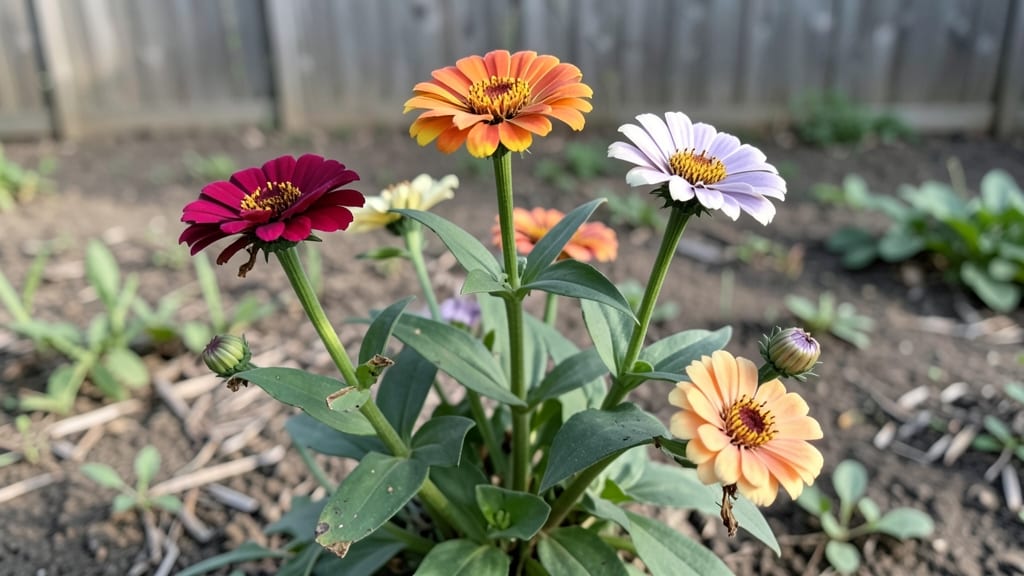
Rainbow-colored flowers don’t just brighten your garden—they transform it into a living work of art that lasts all season without the constant deadheading. 🌈 I learned this the hard way after my first attempt at a vibrant border turned into a maintenance nightmare, but these tricks make it effortless.
The secret lies in mixing perennials with long bloom times—think pink coneflowers, purple salvia, and orange daylilies—alongside annuals like blue lobelia and red geraniums that self-seed reliably. This combo ensures color from spring through frost, with minimal upkeep. Even your neighbors will pause to admire the show.
You’ll end up with a garden that looks like a painter’s palette, where every walk reveals new shades and textures. The key is strategic placement: taller flowers at the back, mid-height blooms in the middle, and trailing varieties spilling over edges. It’s foolproof once you know the right pairings.
Works in borders, containers, or themed beds—just swap out a few plants each season to keep the rainbow fresh. Here’s how to make it happen without the fuss.
📚 In This Guide
- What you need
- Instructions
- Tips and common mistakes
- Wrapping up and next steps
What you need
- ● Rainbow-colored annuals or perennials: 1–2 plants each of Cosmos (pink, white, or orange), Zinnia (mixed colors), Marigold (gold/yellow), Snapdragons (purple, red, or bi-color), and Pansies (blue, yellow, or purple).
- ○ Optional: Sweet Alyssum (lavender) or Calendula (golden-yellow) for extra texture.
- ● Potting soil: 10–15 gallons of high-quality, well-draining all-purpose potting mix (or garden soil amended with compost).
- ● Containers or garden beds: For containers: 5–10 pots (6–12 inches deep) with drainage holes.
- ● For in-ground: A sunny spot (6+ hours of light) with loose, fertile soil.
- ● Fertilizer: Slow-release balanced granular fertilizer (10-10-10 or 20-20-20) or liquid fish emulsion for organic options.
- ● Garden tools: Trowel, pruners, gloves, and a watering can or hose with a gentle spray nozzle.
- ● Mulch: 2–3 inches of organic mulch (shredded bark or straw) to retain moisture and suppress weeds.
- ○ Optional but helpful: Stakes or cages for taller flowers (e.g., Snapdragons).
- ● Epsom salt (for magnesium boost, especially for Zinnias).
- ● Color-coordinated garden markers (for a playful touch!).
How to create a season-long rainbow flower display without deadheading
Here's the trick I've used for years—mix these proven techniques to keep blooms coming until frost.
🌱 Step 1: Select the Right Cut-and-Come-Again Varieties
Choose annuals and perennials known for continuous blooming cycles. My go-to rainbow mix includes cosmos (pink, white, and burgundy), zinnia (crimson, orange, and bi-color), and snapdragons (lavender, yellow, and magenta). These varieties naturally self-clean—wilted blooms drop before they become eyesores, and new buds form at the base.
For perennials, add black-eyed Susans and coneflowers—both produce secondary blooms from the same stems without needing to be cut back. Avoid traditional petunias or geraniums; they require frequent deadheading to rebloom. Plant in clusters of 3-5 plants per variety to create a natural rainbow effect.
☀️ Step 2: Plant in Full Sun with Proper Spacing
All rainbow bloomers need 6-8 hours of direct sunlight daily—no exceptions. I position mine in a south-facing border where they get morning sun and afternoon light. Dig holes twice as wide as the root ball but only as deep. This encourages roots to spread horizontally, creating a stronger plant that supports more blooms.
Space plants 12-18 inches apart depending on the variety. Zinnias need more room to avoid crowding, while cosmos can tolerate slightly tighter spacing. Water deeply after planting to settle the soil and remove any air pockets around the roots. You'll see the first true leaves emerge in 7-10 days—that's your signal the roots are established.
💧 Step 3: Water Deeply but Infrequently
Once established, these flowers thrive on deep watering every 5-7 days rather than daily shallow watering. The key is to soak the root zone until water runs out the bottom of the hole you planted in. This encourages roots to grow deeper, making plants more drought-tolerant. Check moisture by sticking your finger 2 inches into the soil—if it's dry, water again.
I water in the early morning so foliage dries quickly, reducing the risk of fungal diseases. Overwatering is the #1 reason blooms stop—too much moisture stresses plants and halts flower production. If leaves yellow or stems soften, you're watering too much. Cut back to every 10 days and monitor.
✂️ Step 4: Light Pruning for Longer Blooms
Here's the secret: instead of deadheading, I do a light pruning every 4-6 weeks. After the first flush of blooms, cut back the entire plant by one-third using clean, sharp shears. This removes spent stems but leaves enough foliage to photosynthesize. New growth emerges within 10-14 days, and you'll see fresh buds forming at the base.
For perennials like coneflowers, I only remove completely browned stems in early spring. The old seed heads provide winter interest and attract birds, while the roots store energy for next year's blooms. Avoid heavy pruning—it stresses plants and can delay reblooming. A quick trim keeps the rainbow effect going until frost.
🌿 Step 5: Feed Strategically for Continuous Color
Use a balanced 10-10-10 fertilizer at planting time, then switch to a low-nitrogen, high-phosphorus formula (5-10-10) when blooms appear. Phosphorus promotes flowering, while nitrogen encourages leafy growth at the expense of blooms. I apply fertilizer every 6 weeks during the growing season, always watering it in thoroughly.
For organic gardeners, mix in composted manure or bone meal at planting. Avoid fresh manure—it burns roots and causes blooms to stop abruptly. If you notice leaves growing faster than flowers, flush the soil with water to leach out excess nitrogen. The rainbow effect depends on steady blooms, not leafy foliage.
Tips & tricks for season-long rainbow flower vibrancy
Here's what nobody tells you about keeping your rainbow blooms vibrant from spring to frost.
Sunlight Strategy: The 6-8 hours of direct sunlight mentioned in Step 2 is non-negotiable, but placement matters just as much. Position taller varieties like snapdragons to the north and shorter cosmos to the south to prevent shading. I've found that plants in the center of the bed receive consistent light, while those on the edges may get less—rotate your containers or adjust spacing if you notice uneven growth. Morning sun is especially important for dew evaporation, preventing fungal issues that can halt blooming.
Soil Secrets: Before planting, amend your soil with a 2-inch layer of compost mixed into the top 6 inches. This creates the perfect balance of nutrients and drainage that rainbow bloomers crave. I always test my soil pH first—cosmos and zinnias thrive in slightly acidic soil (pH 6.0-6.5), while coneflowers prefer neutral (pH 6.0-7.0). Adjust with sulfur or lime if needed before planting. The right soil foundation is what turns good blooms into showstopping rainbows.
Pruning Precision: When you perform that light pruning every 4-6 weeks (Step 4), focus on removing only the oldest stems—never more than one-third of the plant at once. I use clean, sharp shears and make cuts just above a leaf node where new growth will emerge. This technique maintains the plant's energy balance while stimulating new blooms. For perennials like coneflowers, I wait until stems turn completely brown before pruning—this preserves their natural seed heads that provide winter interest and attract pollinators.
Fertilizer Timing: The switch from 10-10-10 to 5-10-10 fertilizer (Step 5) is crucial, but timing matters just as much. Apply the phosphorus-heavy fertilizer when you first see buds forming, not when flowers are already open. I schedule my applications for early morning after watering—this gives roots time to absorb nutrients before the heat of the day. If you notice new leaves growing faster than flowers, your soil likely has too much nitrogen. Flush it with water immediately to reset the balance and redirect energy back to blooming.
Pro Tips for Rainbow Colored Flowers
- Here's what nobody tells you about keeping your rainbow blooms vibrant from spring to frost.
- Sunlight Strategy: The 6-8 hours of direct sunlight mentioned in Step 2 is non-negotiable, but placement matters just as much.
- Soil Secrets: Before planting, amend your soil with a 2-inch layer of compost mixed into the top 6 inches.
Frequently asked questions
Got questions about keeping your garden bursting with rainbow-colored flowers all season long? You’re in the right place! Here are answers to the most common queries—from care tips to troubleshooting—so your blooms stay vibrant without the fuss.
How do I keep rainbow-colored flowers blooming all season without deadheading?
Many self-cleaning varieties (like celosia, zinnia, or snapdragons) drop spent blooms naturally, reducing deadheading needs. For others, simply snip 1-2 inches above the next leaf after blooms fade—this encourages new growth. Water consistently and fertilize lightly every 4-6 weeks to sustain color.
When is the best time to plant rainbow flowers for continuous blooms?
Start with cool-season bloomers (like pansies or sweet alyssum) in early spring or fall, then transition to heat-lovers (e.g., marigolds, cosmos) as temps rise. For a nonstop display, stagger plantings every 2-3 weeks. Check your USDA zone—most rainbow flowers thrive in zones 3-10 with proper timing!
Do rainbow-colored flowers need special watering?
Not necessarily! Water deeply 1-2 times per week (more in extreme heat) to encourage strong roots. Avoid wetting foliage to prevent mildew—use drip irrigation or soaker hoses for targeted hydration. Morning watering is ideal; it reduces evaporation and fungal risks.
What’s the easiest way to mix rainbow colors in a small garden?
Opt for compact varieties like bachelor’s buttons, lobelia, or petunias—they thrive in containers or tight beds. Layer heights: tall (e.g., snapdragons) at the back, medium (e.g., zinnias) in the middle, and spillers (e.g., sweet potatoes) at the edges. Rotate containers seasonally for fresh color!
Why are my rainbow flowers losing color or wilting?
Color fade often signals overwatering, nutrient deficiency, or pests. Check for:
- Yellowing leaves → Too much water or nitrogen.
- Brown edges → Underwatering or salt buildup (flush soil).
- Holes in petals → Aphids or slugs (use neem oil or beer traps).
Give them bright, indirect light and a balanced fertilizer (10-10-10) to revive vibrancy!
Wrapping up and next steps
Rainbow-colored flowers aren’t just a feast for the eyes—they’re a celebration of nature’s resilience and beauty, without the hassle of constant deadheading. By choosing vibrant, low-maintenance varieties like Zinnia, Cosmos, or Snapdragons, you can enjoy season-long color with minimal effort.
Whether you’re a gardening pro or a beginner, these blooms prove that stunning gardens are simple, sustainable, and stress-free!
Ready to dive in? Start small—pick one or two rainbow varieties, gather your supplies, and let your garden bloom with confidence. 🌈✨ Need a refresher? Revisit our FAQs or materials guide to tackle any last questions before planting!