Flowers
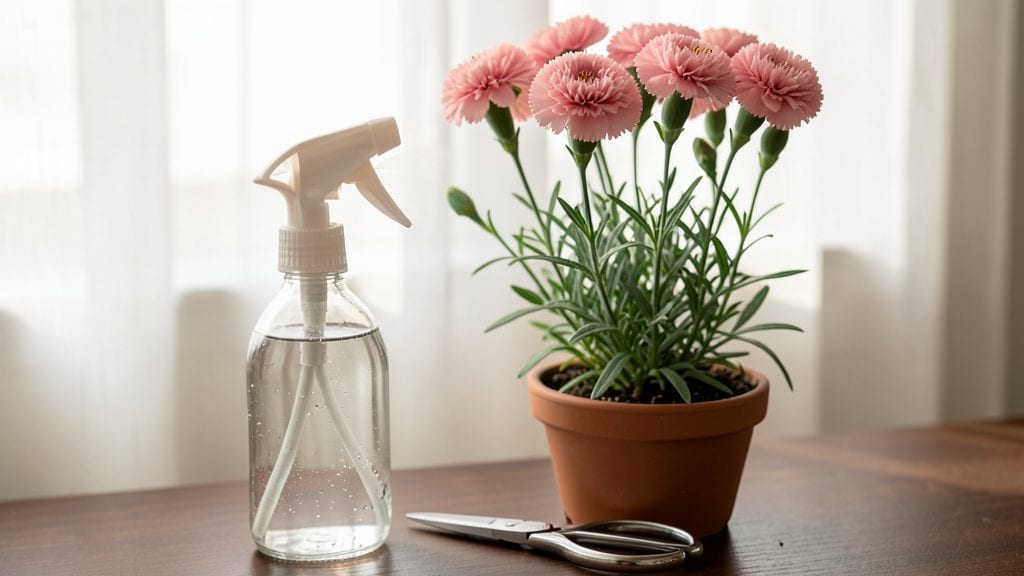
Using hairspray to preserve flowers can buy you extra days with your bouquet—when used just right. I’ve saved wilted roses and peonies from the trash can with this trick, though it’s not a miracle cure. The key is treating it like a last-resort spray, not a permanent fix.
Most people overdo it, leaving sticky residue that ruins delicate petals, but a light mist can extend freshness by 3-5 days in a cool vase.
Here’s the catch: you’ll need clear, alcohol-free hairspray (the kind without heavy oils or silicones) and a spray bottle with a fine mist setting. Test it first on a single bloom—some varieties (like hydrangeas or dahlias) react poorly.
For extra safety, work in a well-ventilated area and keep the bottle 6-12 inches away from the flowers. A quick pass over stems and undersides of petals does the trick without smothering them.
What you’ll get is a bouquet that stays upright longer, with petals that hold their shape—though the color may fade faster than with professional preservatives. The trade-off? No more sad, drooping blooms by midweek.
For comparison, sugar water (1 tablespoon per cup of water) or a vinegar solution (1 teaspoon per quart) keeps flowers fresher without the residue, but they require daily changes. Hairspray is the emergency lifesaver when you’ve forgotten to prep your vase properly.
Think of this as a temporary bandage, not a cure-all. For true long-term preservation, consider glycerin-based solutions or silica gel drying—they’ll keep your flowers vibrant for months. But for now, this hack saves your special bouquet from the compost pile. Ready to try it?
📚 In This Guide
- What you need
- Instructions
- Tips and common mistakes
- Wrapping up and next steps
What you need
- ● Fresh-cut flowers: Any type (roses, daisies, peonies, etc.), but avoid thick stems like lilies—opt for thin-stemmed blooms for best results.
- ● Hairspray: Clear, alcohol-free, and hold-spray formula (e.g., L’Oréal Elnett Satin Hold or similar). Avoid heavy-hold sprays—they can stiffen petals. Quantity: 1–2 cans (or a 4–8 oz spray bottle for DIY mixes).
- ● Scissors or floral shears: For trimming stems at a 45-degree angle (sharpens water uptake!).
- ● Clean vase or container: Glass or ceramic (avoid plastic—it can trap odors). Size should fit your bouquet snugly.
- ● Fresh, cool water: Room temperature or chilled (never hot).
- ○ Floral preservative (optional but recommended): 1 packet or 1 tsp of sugar + 2 drops bleach (or floral food) to extend freshness.
- ● Spray bottle: For even application if you’re DIY-ing a hairspray mix (add 1 part water to 1 part hairspray).
- ● Gloves: Protects hands from hairspray residue (especially if using strong formulas).
- ● Newspaper or towel: To catch drips and protect surfaces.
- ○ Hair dryer (low heat): For speed-drying flowers after misting (optional for thick blooms).
Step-by-Step guide to preserving flowers with hairspray
Here's how to keep your bouquets looking fresh for weeks without wilting or fading.
Select and Prepare Your Flowers
Choose flowers with firm stems and fully unfurled petals—this ensures they'll hold their shape best. Avoid overripe blooms or those with brown edges, as they won't respond well to preservation. Trim stems at a 45-degree angle with sharp scissors to maximize water uptake if you plan to hydrate them later, though hairspray preservation skips this step entirely.
Remove any leaves that will sit below the waterline in a vase, as they’ll rot and shorten the bouquet’s life. For delicate flowers like baby’s breath or daisies, gently shake off excess pollen or debris, which can clog spray nozzles later. Work in a well-ventilated area, as hairspray fumes can be strong.
Choose the Right Hairspray
Not all hairsprays work equally well. Opt for a clear, fine-mist hold spray—avoid heavy-hold or texturizing sprays, which can leave residue or weigh down petals. Brands like L'Oréal or Herbal Essences with a "fine mist" label are ideal. Test a small area of the flower first to ensure it doesn’t discolor or damage delicate petals.
Shake the can vigorously for 10-15 seconds to ensure the propellant is evenly distributed. Hold the can 8-10 inches away from the flowers and apply in light, even coats—think of it like dusting with powder rather than drenching. Over-spraying can cause petals to curl or stiffen unnaturally. For larger bouquets, work in sections to avoid missing spots.
Apply the Hairspray in Layers
Start with the outermost petals and work your way inward, ensuring full coverage but avoiding oversaturation. Hold the bouquet upright and rotate it slightly with each spray to distribute the mist evenly. For flowers with multiple layers, like roses or peonies, focus on the undersides of petals where moisture tends to collect.
Allow the first layer to dry completely—this usually takes 5-10 minutes—before applying a second, lighter coat. This gradual approach prevents petals from becoming brittle or losing their natural texture. If you’re preserving a mixed bouquet, spray smaller flowers first, as they dry faster and may need fewer layers.
Let the Flowers Cure and Display
Place the sprayed bouquet in a dry, shaded area for 24 hours to fully set. Avoid direct sunlight or heat sources, which can cause the hairspray to dry too quickly and leave a film. Gently fluff the petals after 12 hours to restore their natural shape if they’ve stiffened.
Once cured, your preserved flowers will retain their color and structure for weeks or even months if stored properly. Display them in a low-traffic area to prevent dust buildup, and avoid handling them frequently, as oils from skin can dull the finish over time. For added longevity, store them in a sealed container with a silica gel packet to absorb moisture.
Maintain and Refresh as Needed
If petals lose their crispness over time, lightly mist them with the hairspray again and let them air-dry. This refreshes the preservation without overpowering the original treatment. For flowers with deep colors, like hydrangeas or dahlias, the hairspray may slightly darken them—this is normal and part of the preservation process.
To clean preserved flowers, use a soft brush to remove dust, and store them flat or upright in a cool, dry place. With proper care, your hairspray-preserved bouquet can last through multiple seasons, making it a cost-effective way to enjoy your favorite blooms year-round.
Tips & tricks for perfect flower preservation with hairspray
Preserving flowers with hairspray is all about precision and patience—these little details make the difference between a bouquet that lasts weeks and one that fades too soon.
Selection Matters: In Step 1, when choosing flowers, prioritize those with petals that are fully open but not yet wilting. Flowers like roses, carnations, and chrysanthemums respond exceptionally well, while overly delicate blooms like tulips may not hold their shape. I learned this the hard way after trying to preserve tulips—they simply couldn't withstand the process. Look for blooms with vibrant, even coloring and firm stems, as these will preserve their structure best.
Hairspray Technique: The key to success in Step 2 lies in the application method. When shaking the can for 10-15 seconds, I like to hold it upside down briefly to ensure the propellant mixes completely. For even coverage, work in sections—spray the bouquet in three equal parts, rotating it 120 degrees between each application. This ensures no petals are missed while preventing oversaturation. Remember, you're aiming for a fine mist, not a soaking.
Layering Strategy: In Step 3, the 5-10 minute drying time between layers is crucial. I've found that using a small handheld fan on low speed helps speed up this process without disturbing the petals. For flowers with particularly thick petals like peonies, I recommend adding a third, very light layer after the second has fully dried. This extra layer provides additional protection for flowers that might otherwise lose their shape more quickly.
Curing Conditions: The 24-hour curing period in Step 4 is where many people rush the process. To ensure proper setting, I place my preserved bouquets in a dark closet with a small fan circulating air gently. This prevents any potential moisture buildup that could interfere with the drying process. If you're in a particularly humid environment, consider adding a small packet of silica gel to the curing area to absorb excess moisture.
Pro Tips for Using Hairspray To Preserve Flowers
- Preserving flowers with hairspray is all about precision and patience—these little details make the difference between a bouquet that lasts weeks and one that fades too soon.
- Selection Matters: In Step 1, when choosing flowers, prioritize those with petals that are fully open but not yet wilting.
- Hairspray Technique: The key to success in Step 2 lies in the application method.
Frequently asked questions
Got questions about preserving your flowers with hairspray? You’re not alone! Here are some of the most common queries—and their easy answers—to help you achieve that fresh-cut look for days.
Does hairspray really work for preserving flowers long-term?
Hairspray can extend freshness for 3–7 days, but it’s not a permanent solution. For delicate blooms like roses or peonies, it creates a protective seal that slows wilting. For longer-lasting results, combine it with proper hydration and a cool environment. Think of it as a short-term beauty boost, not a miracle cure!
How soon after cutting should I spray my flowers?
Spray them within 1–2 hours of cutting for best results. This gives the stems time to absorb water, and the hairspray will lock in moisture and petal shape. If you wait too long, wilting may start before the spray can work its magic. Pro tip: Trim stems again right before spraying for maximum hydration!
Will hairspray change the color of my flowers?
Most clear or fine-mist hairsprays won’t alter color, but avoid colored or heavy-hold sprays—they can leave a residue or dull petals. Stick to alcohol-free, natural-hold formulas for a seamless finish. If in doubt, test a small area first!
Are there better alternatives to hairspray for flower preservation?
Yes! For longer-lasting results, try:
- Sugar water + bleach (1 tsp sugar + 1 drop bleach per cup of water)
- Florist preservatives (like Chrysal Clear or Floralife)
- Honey or vinegar (natural antibacterials)
Why did my flowers wilt after spraying?
This usually happens if:
- The stems weren’t trimmed or hydrated first.
- You used too much spray, clogging petals.
- The flowers were already past their prime.
Wrapping up and next steps
Preserving flowers with hairspray is a clever, budget-friendly hack that lets you freeze beauty in time—no fancy equipment needed! Whether you’re saving a bouquet from a special day or crafting DIY decorations, this method keeps petals crisp and vibrant for weeks.
The key? Act fast, use the right spray, and store them properly—and you’ll be amazed at the results.
Now that you’re armed with the know-how, grab that hairspray and get creative! Experiment with colors, textures, and arrangements to make your preserved blooms uniquely yours. Try it today and share your masterpiece—your future self (and your home decor) will thank you! 🌸✨