Planting
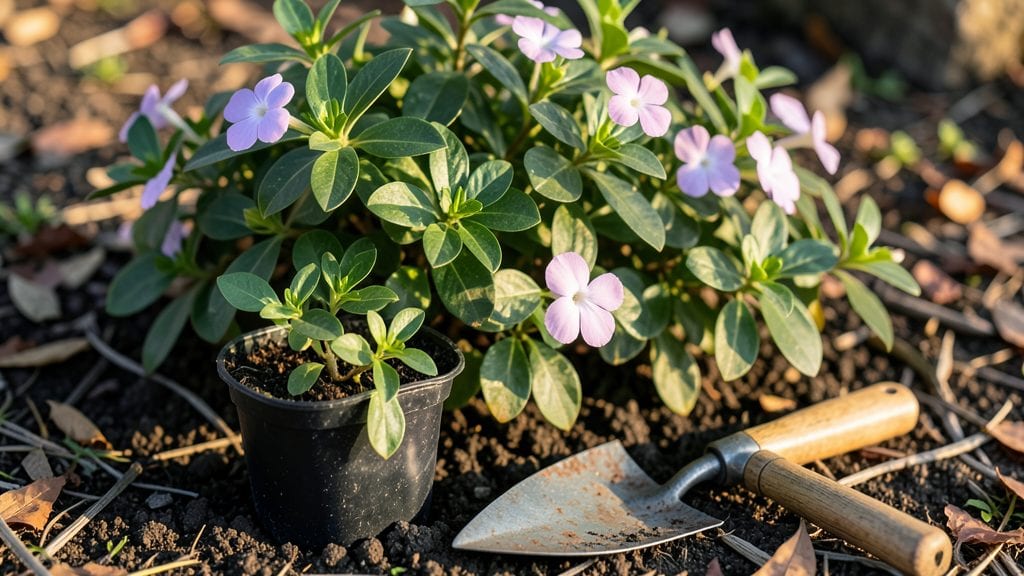
Planting vinca flowers transforms bare spots into vibrant, low-maintenance ground cover that spreads effortlessly. ✨ I’ve used vinca to fill sun-drenched patches where nothing else would grow—now it’s time to share the foolproof method that keeps them thriving for years.
The secret isn’t complicated: well-draining soil, bright light, and occasional watering. Most gardeners overwater, but vinca’s thick, waxy leaves store moisture like a built-in reservoir.
Start with healthy nursery plants or seeds sown directly in spring after frost. Vinca thrives in full sun to partial shade, tolerates poor soil, and even survives drought once established. Dig holes just wider than the root ball and space plants 12-18 inches apart—closer for dense ground cover.
The key is to plant shallowly; vinca roots spread horizontally, so burying too deep smothers them.
After planting, water deeply once to settle the soil, then let it dry between waterings. Vinca’s dark green foliage and clusters of pink, purple, or white flowers reward patience—expect blooms in 6-8 weeks with minimal care.
Pinch back leggy stems in early summer to encourage bushier growth, and you’ll have a self-sustaining carpet that crowds out weeds naturally.
This method works for borders, slopes, or containers—just avoid soggy soil. Once established, vinca handles heat, humidity, and even light foot traffic. For best results, divide clumps every 3-4 years to keep them vigorous.
The payoff? A garden that looks effortless because it is—no dead zones, no constant fuss, just reliable color all season.
📚 In This Guide
- What you need
- Instructions
- Tips and common mistakes
- Wrapping up and next steps
What you need
- ● Vinca seeds or seedlings: Seeds: 1-2 packets (50-100 seeds per packet, depending on desired coverage)
- ● OR Seedlings: 3-6 plants (spacing depends on variety—check seed packet or plant tag)
- ● Well-draining potting soil or garden soil: 1-2 bags (10-20 lbs each) for planting in containers or garden beds
- ● Garden gloves: 1 pair (to protect your hands from soil and thorns, if using mature plants)
- ● Watering can or hose with a gentle spray nozzle: 1 (for consistent moisture without disturbing seedlings)
- ○ Fertilizer (optional but recommended): Balanced, slow-release granular fertilizer (10-10-10 ratio) or liquid fertilizer (e.g., fish emulsion)
- ● Quantity: Follow package instructions (typically 1-2 tablespoons per plant or per square foot)
- ● Mulch: 1 bag (straw, pine bark, or shredded leaves) to retain moisture and suppress weeds
- ● Plant markers: Small stakes or labels (to track varieties if planting multiple types)
- ● Pruning shears: 1 pair (for trimming leggy stems or shaping plants as they grow)
- ● Container or garden bed: Containers: 5-10 inch pots (1 plant per pot) with drainage holes
- ● OR Garden bed: Full sun exposure (6+ hours of direct sunlight daily)
- ● Shade cloth (for seedlings): Lightweight fabric (to protect young plants from intense afternoon sun if needed)
Step-by-Step guide to planting vinca flowers for long-lasting color
Here’s how I plant vinca to get bold, sun-loving blooms that spread effortlessly—no fuss, just beauty.
🌱 Step 1: Choose the Perfect Planting Spot
Vinca thrives in full sun to partial shade—at least 6 hours of direct sunlight daily—but tolerates heat better than most perennials. I always scout the area first: look for spots where other plants wilt in summer heat. Vinca’s deep green foliage and vibrant blooms (purple, pink, or white) will fill in gaps where other sun-lovers struggle.
Test the soil by squeezing a handful—if it crumbles easily, it’s well-draining. Vinca hates soggy roots, so amend heavy clay with 2-3 inches of compost if needed. I mark the planting zone with a stick to avoid overcrowding; vinca spreads aggressively but stays tidy with proper spacing.
🪴 Step 2: Prepare the Soil and Plant Bare-Root or Container-Grown Vinca
Dig holes twice as wide as the root ball but only as deep as the container’s base. Loosen the roots gently if they’re circling in a pot—vinca’s fibrous roots need room to spread. I fill the bottom of each hole with 1 inch of compost to encourage early root growth.
Place the plant so the top of the root ball sits level with the soil surface—burying too deep suffocates stems, while planting too high stresses roots. Backfill with native soil, pressing lightly to remove air pockets. Water deeply until moisture seeps 2 inches below the surface. This ensures roots make contact with damp soil immediately.
☀️ Step 3: Space and Mulch for Sun-Loving Success
Space vinca plants 12-18 inches apart for a dense, weed-suppressing ground cover. Closer spacing (10-12 inches) works for borders, but give them 18 inches if you want a lush, sprawling look. I always sketch a quick grid in the soil to maintain even spacing—uneven planting leads to gaps later.
Apply 2-3 inches of mulch (shredded bark or pine straw) around each plant, keeping it 2 inches away from stems to prevent rot. Mulch conserves moisture and keeps roots cool in summer. Water again after mulching to settle everything in. Vinca’s drought tolerance kicks in after roots establish, but consistent moisture for the first 4-6 weeks ensures strong growth.
✂️ Step 4: Maintain for Year-Round Color and Spread
Deadhead spent blooms in early summer to encourage continuous flowering through fall. I pinch off faded flowers with my fingers—no tools needed. Vinca rarely needs pruning, but if it gets leggy, trim back one-third of the oldest stems in late winter to promote bushier growth.
Fertilize lightly once a year in early spring with balanced 10-10-10 fertilizer—vinca’s low-maintenance nature means it won’t beg for more. Watch for powdery mildew in humid climates; improve airflow by thinning crowded stems. With proper spacing and sunlight, vinca spreads naturally, filling in bare spots without extra effort.
Tips & tricks for perfect vinca planting
Real talk: vinca’s effortless charm comes down to these simple moves that most gardeners overlook. Here’s what nobody tells you—
Soil Prep Secret: When amending heavy clay with 2-3 inches of compost in Step 1, mix it into the top 6 inches of soil, not just the surface. Vinca’s roots love loose, aerated soil for spreading, and this prevents waterlogging. I use a garden fork to loosen the soil first—this mimics nature’s way of breaking up compacted earth.
Root Ball Placement: In Step 2, the level with the soil surface rule is critical, but here’s the detail: if your container-grown vinca has a thick layer of potting mix, trim away the top inch before planting. This prevents the plant from sitting too high, which can cause stem rot. I always check by comparing the root ball’s base to the surrounding soil line.
Watering Wisdom: That 2 inches below the surface watering in Step 2 isn’t just about moisture—it’s about testing drainage. If water pools on the surface after 10 minutes, your hole needs deeper amendments. I use a trowel to check moisture level; if it’s still dry at 2 inches, water again. This step prevents the #1 vinca killer: soggy roots.
Mulch Strategy: The 2-3 inches of mulch in Step 3 should form a volcano shape around the plant, higher at the edges. This creates a moisture reservoir while keeping stems dry. I use pine straw because it breaks down slowly and adds acidity—perfect for vinca’s Mediterranean roots. Keep that 2-inch stem clearance or you’ll invite fungal problems.
Pro Tips for Plant Vinca Flowers
- Real talk: vinca’s effortless charm comes down to these simple moves that most gardeners overlook.
- Soil Prep Secret: When amending heavy clay with 2-3 inches of compost in Step 1, mix it into the top 6 inches of soil, not just the surface.
- Root Ball Placement: In Step 2, the level with the soil surface rule is critical, but here’s the detail: if your container-grown vinca has a thick layer of potting mix, trim away the top inch before planting.
Frequently asked questions
Got questions about planting vinca flowers? You’re not alone! Here are answers to the most common queries—from timing to troubleshooting—to help you grow these low-maintenance beauties with confidence.
When is the best time to plant vinca flowers?
For Vinca minor (perennial) and Vinca major (semi-evergreen), plant in early spring (after the last frost) or early fall (6–8 weeks before the first frost). This gives roots time to establish before extreme heat or cold. If planting in summer, keep soil moist and mulch to retain moisture.
How long does it take for vinca flowers to bloom after planting?
With proper care, vinca flowers typically bloom within 6–8 weeks of planting, especially if given full sun and well-draining soil. Vinca major may take slightly longer (up to 3 months) but rewards you with vibrant blooms for months. Patience pays off!
What pests or diseases should I watch for with vinca flowers?
Vinca is generally pest-resistant, but keep an eye out for aphids, spider mites, or whiteflies (especially in hot, dry conditions). Treat with neem oil or insecticidal soap if needed. Overwatering can lead to root rot, so ensure soil drains well. Fungal issues are rare but may occur in humid climates—improve airflow if leaves yellow.
Can vinca flowers grow in containers, or do they need to be planted in the ground?
Vinca thrives in containers (5+ gallon pots) as long as they have drainage holes. Use a well-draining potting mix and water when the top inch of soil feels dry. For trailing varieties like Vinca major, let vines spill over edges for a stunning cascading effect. Just ensure they get at least 4–6 hours of sun daily.
Do vinca flowers need winter protection?
Most vinca varieties are hardy to USDA zones 4–9, but young plants or those in colder zones may benefit from a light mulch layer (2–3 inches) in late fall. Evergreen types like Vinca major hold leaves year-round, while deciduous Vinca minor may drop foliage but regrows quickly in spring. No heavy winterizing is needed!
How do I propagate vinca flowers for more plants?
Vinca spreads easily via stem cuttings or division. For cuttings, snip 3–4 inch tips in spring/early summer, remove lower leaves, and dip in rooting hormone before planting in moist soil. Keep humid (use a plastic bag) until roots form (4–6 weeks). Division is simple: dig up clumps in spring, separate roots, and replant!
Wrapping up and next steps
Planting vinca flowers is a breeze—whether you're a seasoned gardener or just starting out! With their love for sun, drought tolerance, and stunning blooms, these perennials bring effortless beauty to any garden.
Now that you know the how-to, grab those gloves and get ready to transform your outdoor space into a vibrant, low-maintenance paradise.
Your next step? Pick your spot, prep the soil, and watch your vinca thrive! 🌸 Ready to dive in?