Flowers
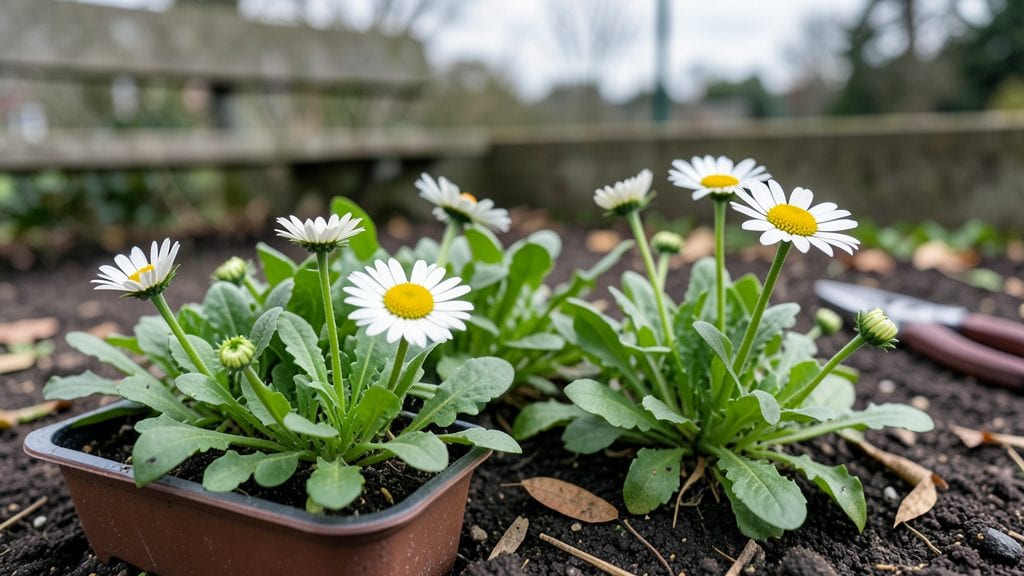
Planting daisy flowers transforms any sunny spot into a cheerful, low-maintenance display that keeps blooming from spring through frost. 🌻 I’ve planted Shasta daisies in my front yard for five years now, and they’ve never failed to deliver those classic white-and-yellow blooms that neighbors admire—and envy.
The secret isn’t complicated: they thrive in full sun, well-draining soil, and minimal fuss once established.
Start with 6-12 inches of spacing between plants, depending on the variety, and dig holes just deep enough to cover the roots without burying the crown. Annuals like Gerbera daisies love spring planting, while perennials like Oxeye daisies can handle fall planting too.
A 5-gallon pot works for container gardening, and adding compost to the soil mix ensures strong roots from day one.
Water deeply after planting, then let the soil dry slightly between waterings—overwatering is the fastest way to kill daisies. Within 4-6 weeks, you’ll see those first buds open, and with deadheading (snipping spent blooms), they’ll keep flowering until a hard frost.
The best part? Deer and rabbits usually leave them alone, so you won’t need extra protection.
For extra vibrancy, pair daisies with lavender or catmint—they complement each other perfectly. If your soil is heavy clay, mix in sand to improve drainage, and avoid fertilizing heavily, as daisies prefer lean conditions. Once they’re established, they’ll reward you with years of effortless beauty.
📚 In This Guide
- What you need
- Instructions
- Tips and common mistakes
- Wrapping up and next steps
What you need
- ● Daisy seeds or seedlings: 1–2 oz of seeds (for direct sowing) or
- ● 6–12 healthy seedlings (for transplanting)
- ● Well-draining potting mix or garden soil: 1–2 bags (10–20 lbs) of organic potting soil or
- ● Enrich garden soil with 2–3 inches of compost
- ● Containers or garden bed: 6-inch-deep pots (for seedlings) or
- ● Full-sun garden spot (6+ hours of sunlight daily)
- ● Watering can or hose with a gentle spray nozzle
- ○ Fertilizer (optional but recommended): Balanced 10-10-10 granular fertilizer or
- ● Slow-release organic pellets
- ● Trowel or small shovel (for digging)
- ● Gloves (to protect your hands)
- ● Measuring tape or ruler (for spacing seeds/seedlings)
- ○ Mulch (optional): Straw or shredded leaves (to retain moisture)
- ● Check your USDA Hardiness Zone (daisies thrive in Zones 3–11).
- ● Wait until after the last frost (spring) or early fall for planting.
- ● Ensure your soil is 60–70°F for optimal germination.
Step-by-step instructions for planting daisy flowers
Here's how to establish sun-loving daisies that reward you with bold blooms season after season.
🌱 Step 1: Choose the Perfect Planting Location
Daisies demand full sun—at least 6-8 hours of direct sunlight daily. Scout your yard for the sunniest spot, prioritizing areas with well-draining soil. Avoid low spots where water pools after rain, as daisies despise soggy roots. If your soil feels heavy when squeezed, amend it with 2-3 inches of compost mixed into the top 6 inches of soil.
I always test drainage by digging a 12-inch deep hole—if water stands for more than an hour, raise the bed or plant in containers. The key is replicating their natural prairie habitat where roots stay dry between waterings. Mark the spot with a stake so you don't accidentally dig in the wrong place later.
🌿 Step 2: Prepare Soil and Plant at Correct Depth
Loosen the soil to a depth of 12 inches using a garden fork, breaking up any compacted layers. For container growing, select pots with drainage holes that are at least 10 inches deep. The root ball of bare-root daisies should sit 1 inch below soil level—planting too deep suffocates the crown, while planting too shallow exposes roots to drying winds.
Space plants 12-18 inches apart in rows 18-24 inches apart for optimal airflow. I like to plant in a staggered pattern (like bricks) to create a natural, dense look. Water deeply after planting to settle the soil and eliminate air pockets around roots. You'll know it's right when the soil surface looks slightly firm but not rock-hard.
☀️ Step 3: Water and Maintain for Continuous Blooms
Establish a watering routine of 1 inch per week, delivered either through rainfall or supplemental watering. Daisies are drought-tolerant once established, but young plants need consistent moisture to develop strong roots. Water at the base in the morning to prevent fungal diseases that thrive in evening dampness.
Feed with a balanced 10-10-10 fertilizer every 4-6 weeks during the growing season. You'll notice new buds forming within two weeks of fertilizing—this is your signal the plants are thriving. Deadhead spent blooms regularly to encourage more flowers and prevent self-seeding where you don't want it.
✂️ Step 4: Prune and Divide for Long-Term Health
Cut back faded blooms to 2 inches above the foliage to promote bushier growth. In early spring, trim back any dead or yellowed stems to 3 inches from the ground. This rejuvenates the plant and prevents disease from overwintering in old growth. I always prune with clean, sharp shears to avoid tearing stems.
Every 3-4 years, divide mature clumps in early spring. Dig up the entire plant and separate it into sections with at least 3-5 stems each, replanting immediately. This prevents the center from becoming bare while maintaining vigor. You'll see new growth within 2-3 weeks of division if done correctly.
Tips & tricks for perfect daisy planting
Here's what I learned after planting daisies for years—these tricks make all the difference between happy blooms and struggling plants.
Sunlight Strategy: That 6-8 hours of sunlight is non-negotiable, but here's the thing—morning sun is more important than afternoon. I've found that daisies planted in spots with intense afternoon sun can get sunburned, especially in hot climates. Look for areas with gentle morning rays and afternoon shade if possible. Also, watch for nearby trees that might cast shade as they grow.
Soil Test Hack: Before amending your soil, do this quick test: Take a handful of moist soil and squeeze it. If it holds its shape like a rock, you need more compost. If it crumbles easily, it's already well-draining. For heavy clay soil, mix in 2-3 inches of perlite along with the compost to create better drainage channels. I've saved many daisy plants from root rot this way.
Planting Depth Visual: That 1-inch below soil level can be tricky to judge. Here's my trick: Hold the plant so the base of the stems (where roots meet foliage) is level with your thumb. Then plant so that point sits just below the soil surface. Too deep? The crown will rot. Too shallow? Roots dry out. I mark my trowel with a line at the right depth to avoid mistakes.
Watering Timing: The 1-inch weekly watering works, but timing matters more than you'd think. Water in the morning between 6-9 AM when evaporation is lowest. I set a reminder for every 7 days—daisies are drought-tolerant once established, but young plants need consistent moisture. If you water in the evening, fungal diseases like powdery mildew become a real risk.
Pro Tips for Planting Daisy Flowers
- Here's what I learned after planting daisies for years—these tricks make all the difference between happy blooms and struggling plants.
- Sunlight Strategy: That 6-8 hours of sunlight is non-negotiable, but here's the thing—morning sun is more important than afternoon.
- Soil Test Hack: Before amending your soil, do this quick test: Take a handful of moist soil and squeeze it.
Frequently asked questions
When is the best time to plant daisies?
The ideal time to plant daisies is in early spring (after the last frost) or early fall (6-8 weeks before the first frost). This gives roots time to establish before extreme temperatures. If planting in summer, keep soil moist and provide afternoon shade to prevent stress.
How much sunlight do daisies need?
Daisies thrive in full sun (6-8+ hours daily). While they tolerate partial shade, blooms may be fewer or smaller. For optimal growth, choose a south- or west-facing spot with well-draining soil. Pro tip: If your garden is shady, opt for varieties like Shasta daisies or Gerbera daisies, which adapt better.
How often should I water newly planted daisies?
Water newly planted daisies deeply 1-2 times per week (or daily in extreme heat). Once established (after 4-6 weeks), reduce to once a week, allowing the top inch of soil to dry between waterings. Overwatering can lead to root rot, so ensure soil drains well.
What pests or diseases commonly affect daisies?
Daisies may face aphids, slugs, or powdery mildew. To prevent issues:
- Spray plants with neem oil for aphids.
- Set out beer traps or copper barriers for slugs.
- Improve airflow by spacing plants 12-18 inches apart to reduce mildew.
Can I grow daisies in containers? Yes!
Daisies adapt well to containers if given at least 12-inch-deep pots with drainage holes. Use a light, well-draining potting mix and fertilize monthly with a balanced formula. Varieties like Oxeye daisies or Gerbera daisies are great for pots—just place them in sunny spots!
Wrapping up and next steps
Planting daisy flowers is a rewarding way to bring cheerful, low-maintenance beauty to your garden year-round! With the right soil, sunlight, and care, these sun-loving blooms will thrive and spread joy—whether you’re a seasoned gardener or just starting out. 🌸
Ready to take the next step? Grab your gloves, pick your favorite variety, and start planting! Watch your garden transform into a vibrant, daisy-filled paradise—one happy bloom at a time.