Landscaping
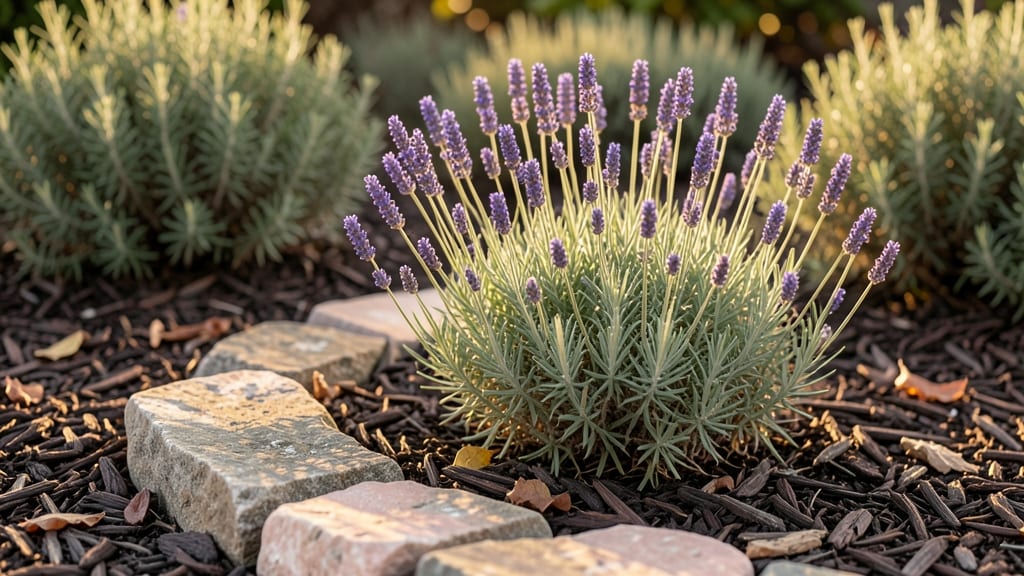
Transform your front yard flower garden designs into a year-round showstopper with plants that bloom in waves, not all at once—because a stunning garden isn’t just pretty, it’s a conversation starter. 🌸 so your yard never looks bare.
My first attempt was a disaster: too many annuals, no structure, and by August, it looked like a sad, brown carpet. Now I design for drama, with evergreens anchoring the space and perennials filling in the gaps.
Start with a simple layout—whether symmetrical (for classic curb appeal) or asymmetrical (for a relaxed vibe). Mix in hardscaping like stone borders or gravel paths to define spaces without overwhelming the flowers.
For low-maintenance color, I swear by three layers: tall backdrops (like coneflowers or black-eyed Susans), mid-height blooms (salvias or catmint), and spillers (like creeping thyme or ajuga) to soften edges. The key? Group plants by water needs and sunlight exposure.
By spring, you’ll have bold pops of color from tulips and daffodils, summer will dazzle with peonies and roses, and fall brings in asters and mums—all while evergreens keep the structure intact.
Even winter has texture with ornamental grasses or berry-producing shrubs. The best part? Once established, these gardens thrive with minimal work—just deadheading spent blooms and an occasional mulch refresh.
Works for any yard size, from narrow city lots to spacious suburban plots. The framework stays the same—just scale the plants and adjust spacing. Ready to transform your front yard into the envy of the block? Let’s get designing!
📚 In This Guide
- What you need
- Instructions
- Tips and common mistakes
- Wrapping up and next steps
What you need
- ● Soil: 10–20 bags (2–3 cubic feet each) of high-quality garden soil or topsoil (amended with compost for better drainage).
- ● Mulch: 5–10 bags (2 cubic feet each) of organic mulch (cedar, pine, or hardwood for moisture retention).
- ● Fertilizer: Slow-release granular fertilizer (10–20 lbs) or liquid organic bloom booster (e.g., fish emulsion).
- ● Plants: Seasonal perennials/annuals (quantities vary by design; aim for 10–30 plants total, mixed by height/color). Popular picks: Spring: Tulips, daffodils, pansies (5–10 plants each).
- ● Summer: Petunias, marigolds, coneflowers (10–20 plants).
- ● Fall: Mums, asters, ornamental grasses (5–15 plants).
- ● Winter: Evergreens (boxwood, holly), hellebores (3–5 plants).
- ● Tools: Garden trowel (for transplanting).
- ● Pruning shears (sharp, bypass-style).
- ● Garden fork (for aerating soil).
- ● Wheelbarrow or bucket (for hauling materials).
- ● Hose with spray nozzle (or watering can for delicate flowers).
- ● Hardscape: Pavers, stepping stones, or a small raised bed (for defined borders).
- ● Lighting: Solar-powered path lights or LED spotlights (for evening ambiance).
- ● Decor: Garden stakes, obelisks, or ornamental pots (for vertical interest).
- ● Irrigation: Drip system or smart sprinkler timer (to save time).
- ● Soil Amendments: Perlite, vermiculite, or mycorrhizal fungi (to boost root health).
How to design a striking front yard flower garden
Here's my approach to creating a garden that thrives through every season.
🌿 Step 1: Define Your Garden's Seasonal Color Palette
Start by selecting four distinct color themes—one for each season—that complement your home's exterior. I like to use bold contrasts: deep purples and burgundies for fall, bright yellows and whites for summer, soft pinks and blues for spring, and evergreens with pops of red for winter. Sketch a rough layout showing where each seasonal group will dominate, ensuring they overlap slightly for smooth transitions.
For example, plant late-blooming coneflowers and black-eyed Susans in the back row for fall color, while tucking spring bulbs like daffodils and tulips at the front. This creates a natural progression where one season's flowers fade just as the next begins. Use your local nursery's bloom time charts to map out the sequence—this prevents color gaps when one plant finishes before another starts.
🪴 Step 2: Layer Plants by Height and Function
Create three distinct height layers: tall structural plants (5-7 feet) at the back, mid-height flowers (2-4 feet) in the middle, and low-growing ground covers or bulbs in the front. I always use ornamental grasses like fountain grass or switchgrass as my tallest elements—they provide year-round texture and movement. Behind these, place perennials like phlox or bee balm that will bloom mid-season.
The middle layer should feature plants with staggered bloom times, like early spring crocus, summer hydrangeas, and fall mums. In front, use creeping thyme or ajuga as living mulch that suppresses weeds while adding fragrance. Space plants according to their mature size—crowding leads to competition, while proper spacing ensures each plant gets enough sunlight and air circulation.
☀️ Step 3: Optimize Sunlight and Soil Conditions
Divide your front yard into sun exposure zones: full sun (6+ hours), partial shade (3-6 hours), and full shade (under 3 hours). Most front yards have a mix, so design each section accordingly. Sun-loving plants like daylilies and black-eyed Susans go in the brightest spots, while shade-tolerant ferns and hellebores thrive in darker corners. Test your soil's pH and amend it if needed—most flowers prefer slightly acidic to neutral soil (pH 6.0-7.0).
I always install a soaker hose system at this stage to deliver water directly to the roots without wetting foliage, which reduces disease risk. Place drip emitters every 18-24 inches along the garden's perimeter for even coverage. Mulch with 2-3 inches of shredded bark after planting to retain moisture and regulate soil temperature—this is especially important in the first year when roots are establishing.
✂️ Step 4: Add Focal Points and Structural Elements
Every great garden needs a few standout features that draw the eye. I typically incorporate at least one architectural element like a trellis (for climbing roses or clematis), a sculptural planter, or a curved stone border. These create visual interest while defining the garden's edges. Place your focal points where they'll be visible from the street and house—often near the front door or along walkways.
For height variation, I mix in a few evergreen shrubs like boxwood or holly that provide structure year-round. These also serve as living privacy screens if needed. Add a few unexpected elements like a birdbath, a small fountain, or even a weathered wooden bench to encourage wildlife and human interaction. The key is balancing these features so they enhance, rather than overwhelm, the natural beauty of the flowers.
Tips & tricks for stunning seasonal flower gardens
Here's what I've learned after designing gardens that wow neighbors—and win awards—year after year.
Seasonal Transition Strategy: In Step 1, when planning your color palette, include at least two "bridge plants" that bloom in both spring and fall. For example, ornamental grasses like Miscanthus sinensis provide vertical interest while their seed heads persist through winter, then catch the wind in spring. This creates visual continuity when other plants fade between seasons. The key is selecting plants with staggered bloom times that overlap by at least 2-3 weeks.
Height Layering Secrets: When creating your three height layers in Step 2, I recommend adding a fourth "vertical accent" layer for dramatic impact. Install a tall trellis (8-10 feet) in one corner and train climbing roses or clematis up it—this adds unexpected height while providing seasonal color. For the middle layer, group plants with similar water needs together to simplify irrigation. And in the front layer, consider adding a few low-growing perennials like ajuga or creeping phlox that spread quickly to fill gaps over time.
Sunlight Optimization: In Step 3, when dividing your yard into sun exposure zones, remember that most front yards have more shade than you think. Use a simple trick: place a white plate in potential planting spots at noon for a week. If it stays cool to the touch, it's partial shade. For full sun areas, I always include at least one drought-tolerant plant like lavender or sedum to reduce watering demands. And when testing soil pH, consider hiring a local extension service for a test—they often offer free or low-cost testing that's more accurate than home kits.
Focal Point Placement: For Step 4, when selecting architectural elements, choose materials that complement your home's exterior while standing up to weather. I've found that natural stone borders last decades with minimal maintenance, while painted wood elements may need refreshing every few years. Place your largest focal point—like a sculptural planter—where it's visible from both the street and your front door. This creates a welcoming first impression while adding depth to your garden design.
Pro Tips for Front Yard Flower Garden Designs
- Here's what I've learned after designing gardens that wow neighbors—and win awards—year after year.
- Seasonal Transition Strategy: In Step 1, when planning your color palette, include at least two "bridge plants" that bloom in both spring and fall.
- Height Layering Secrets: When creating your three height layers in Step 2, I recommend adding a fourth "vertical accent" layer for dramatic impact.
Frequently asked questions
Got questions about creating a stunning front yard flower garden? We’ve got answers! Here are some of the most common concerns—plus expert tips to help you design with confidence.
What’s the best time of year to plant a front yard flower garden?
The ideal time depends on your climate, but spring (after the last frost) and early fall are the sweet spots for most regions. Cool-season flowers (like pansies or tulips) thrive in early spring, while warm-season blooms (like marigolds or zinnias) love summer planting. Pro tip: Check your local frost dates—planting too early can shock tender plants!
How much does a front yard flower garden cost to install?
Costs vary widely! A small DIY garden with perennials might run $50–$200, while a pro-designed, high-end landscape with annuals, hardscaping, and irrigation could hit $1,000–$5,000+. Save money by starting with low-maintenance perennials, mulch, and seasonal sales at nurseries.
How do I keep pests and weeds out of my flower garden?
Prevention is key! Use organic mulch (like wood chips or straw) to suppress weeds, and opt for pest-resistant plants (e.g., marigolds deter aphids). Hand-pull weeds early, and introduce beneficial insects (like ladybugs) to control pests naturally. Avoid overwatering—it invites slugs and fungal issues!
Can I mix perennials and annuals in one front yard garden?
Perennials (like coneflowers or daylilies) provide structure and return yearly, while annuals (like petunias or zinnias) add bold seasonal pops. Place annuals in front for quick color changes, and use perennials in the back for long-term beauty. Just ensure they share similar sunlight and water needs!
What are the lowest-maintenance front yard flower garden ideas?
Drought-tolerant plants like lavender, sedum, or Russian sage thrive with minimal watering. Group plants with similar care needs, use gravel mulch for moisture retention, and choose native species—they’re adapted to your local climate and require less fuss!
Wrapping up and next steps
Transforming your front yard into a vibrant, seasonal flower garden is easier—and more rewarding—than you think! 🌸 Whether you’re drawn to bold perennials, fragrant annuals, or layered textures, the key is planning for year-round interest with low-maintenance choices.
Start small, experiment with colors, and don’t forget to prioritize your local climate and sunlight.
Ready to bloom? Grab your gloves, sketch a rough layout, and take the first step today! Your future self—and your neighborhood—will thank you. 🌿✨