
Flowers
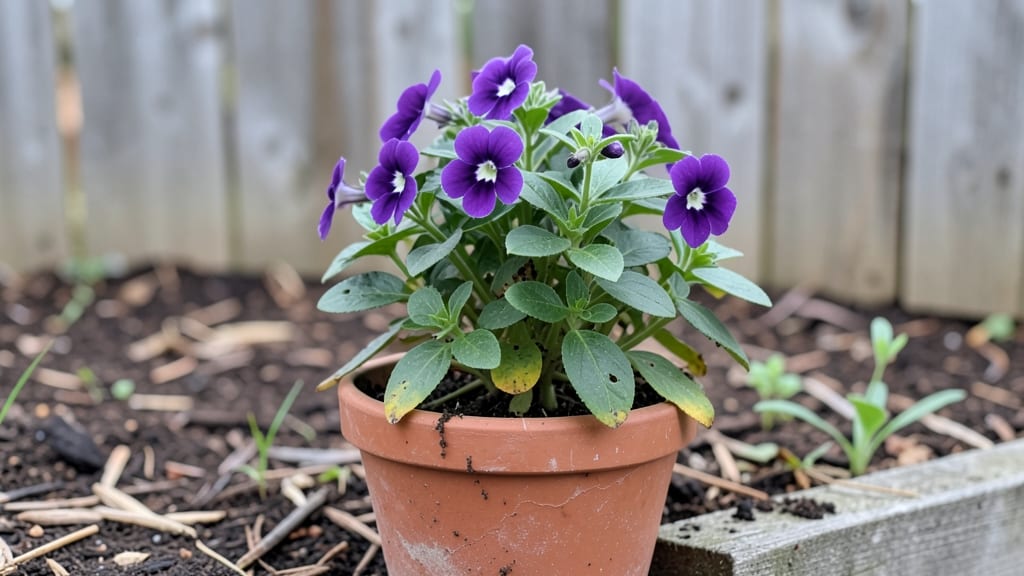
The purple prince flower transforms shady spots into bursts of color, offering frost-proof blooms that stay vibrant from spring until fall’s first chill. 🌸 I’ve learned that this shade-lover thrives where others fail—dappled light, moist soil, and zero fuss.
The key is understanding its needs before planting, because once established, it rewards you with nonstop color that outlasts most annuals.
You'll need well-draining potting mix (or garden soil amended with compost), a spot with 4-6 hours of morning sun, and consistent moisture—think of it as a thirsty plant that hates soggy roots.
The real magic happens when you plant it in containers or borders, where its trailing habit creates lush, cascading displays. Unlike fussy flowers, Purple Prince tolerates occasional neglect, making it perfect for busy gardeners.
What you'll end up with is a disease-resistant powerhouse that blooms continuously until frost, with minimal deadheading. The flowers are deep purple with yellow throats, and the foliage stays glossy green all season.
It's the kind of plant that makes neighbors ask, "What's that beautiful trailing flower?"—and you get to say, "Oh, that? Just my Purple Prince."
Works equally well in hanging baskets, window boxes, or garden beds, and thrives in zones 10-11 (or as an annual in cooler climates). The secret to long-lasting blooms? Watering at the base and avoiding overhead sprinklers. Ready to grow yours?
📚 In This Guide
- What you need
- Instructions
- Tips and common mistakes
- Wrapping up and next steps
What you need
- ● Purple Prince flower seeds or plants: Seeds: 5–10 (for multiple plants or backup growth)
- ● OR Bare-root saplings: 1–2 (for faster, established blooms)
- ● Well-draining soil: Potting mix (for containers): 1–2 bags (sterilized, peat-based or coco coir blend)
- ● OR Garden soil: Amend with compost (1 part compost to 3 parts soil) for nutrient-rich beds
- ● Container or garden bed: Containers: 5–7" diameter pots (1 per plant) with drainage holes
- ● Garden beds: Full sun (6+ hours/day) with loose, rocky soil (avoid waterlogging!)
- ● Fertilizer: Balanced 10-10-10 or 5-10-10 granular fertilizer (1 tbsp per plant at planting)
- ● OR Slow-release rose/flower-specific pellets (follow package rates)
- ● Mulch: 1–2 inches of wood chips or gravel (to retain moisture and protect roots in cold snaps)
- ● Basic tools: Trowel or hand shovel (for planting)
- ○ Gloves (optional but recommended—Purple Prince thorns can be prickly!)
- ● Watering can or hose with gentle spray nozzle
- ○ Optional (but helpful): Pruning shears (for minimal shaping—Purple Prince needs little pruning!)
- ● pH test kit (ideal soil pH: 6.0–7.0)
- ● Frost cloth (for young plants in USDA Zones 5–7)
- ● Knowledge prereq: Patience! Purple Prince seeds take 2–3 weeks to germinate, while saplings bloom in 1–2 years.
Step-by-Step guide to cultivating Purple Prince flowers
Here's how to grow these stunning frost-tolerant blooms with minimal fuss.
🌱 Step 1: Select the Perfect Planting Location
Purple Prince thrives in partial shade to full sun—choose a spot that receives at least 4-6 hours of morning sunlight but is shielded from harsh afternoon rays. These flowers tolerate cooler climates, so they're ideal for zones 3-8. Avoid low-lying areas where cold air pools, as this can damage the roots during winter.
Test your soil's drainage by digging a 6-inch hole—if water pools after 30 minutes, amend with 2-3 inches of compost to improve aeration. Purple Prince flowers hate soggy roots, so well-draining soil is non-negotiable. I always add a 1-inch layer of coarse sand to the bottom of the hole to prevent compaction.
🪴 Step 2: Plant with Proper Spacing and Soil Prep
Dig holes twice as wide as the root ball but only as deep as the container the plant came in. Purple Prince flowers spread slowly, so space them 18-24 inches apart in rows 24 inches apart for optimal airflow. This spacing prevents fungal diseases and makes future pruning easier.
Mix the removed soil with 2-3 cups of well-rotted compost per plant to enrich the native soil. Avoid fresh manure—it can burn tender roots. Gently place the plant in the hole, ensuring the top of the root ball sits flush with the soil line. Tap the soil lightly to eliminate air pockets, then water deeply to settle everything.
☀️ Step 3: Water and Mulch for Frost Resilience
Water deeply once a week during the first growing season, aiming for 1-1.5 inches of water per week. Purple Prince flowers are drought-tolerant once established, but young plants need consistent moisture. Check soil moisture by sticking your finger 2 inches deep—if it feels dry, water again.
Apply a 3-inch layer of organic mulch (like shredded bark or straw) around the base, keeping it 2 inches away from the stem to prevent rot. This mulch acts as insulation, protecting roots during light frosts down to 20°F. Replenish mulch annually in early spring to maintain its protective properties.
✂️ Step 4: Minimal Pruning for Long-Lasting Blooms
Deadhead spent blooms once a month during the growing season to encourage continuous flowering. Simply pinch off faded flowers at the base with clean pruners—no need for elaborate cuts. This simple step extends the blooming period by 4-6 weeks compared to unpruned plants.
In early spring, trim back any dead or damaged stems to 6 inches above the ground. Avoid heavy pruning—these flowers respond best to light maintenance. If you notice leggy growth, cut back one-third of the longest stems to promote bushier, more compact plants.
⏰ Step 5: Winter Care for Frost-Resilient Growth
Purple Prince flowers handle winter well, but a light layer of mulch (4-6 inches) in late fall adds extra protection. Remove old mulch in early spring to prevent suffocation. These plants are hardy down to -25°F, but young plants in their first winter benefit from a protective burlap wrap around the crown.
Resist the urge to fertilize in fall—it encourages tender new growth that won't survive winter. Instead, apply a slow-release fertilizer in early spring when new shoots emerge. Watch for purple-tinged foliage in spring—a sure sign your plant is waking up from dormancy.
Tips & tricks for perfect Purple Prince flower cultivation
Here's what nobody tells you about growing these hardy beauties—lessons I learned after watching my first Purple Prince plants struggle.
Soil Drainage is Non-Negotiable: In Step 1, that 30-minute water test is critical. If your soil drains too slowly, the roots will suffocate—even Purple Prince's frost resilience can't overcome waterlogged conditions. I've seen plants thrive in amended soil with that 1-inch sand layer, while others in heavy clay struggled despite being in the right zone.
Spacing Pays Off Long-Term: The 18-24 inch spacing in Step 2 might seem generous, but it's what prevents fungal diseases that can wipe out your entire garden. I learned this the hard way when crowded plants developed powdery mildew. Trust me, the extra space makes future pruning a breeze too.
Mulching Strategy Matters: That 3-inch mulch layer in Step 3 isn't just decoration—it's insulation. In my zone 5 garden, the mulch keeps roots protected down to 20°F, but I've seen neighbors skip it and lose plants during sudden cold snaps. The key is keeping it 2 inches from the stem to prevent rot while still insulating roots.
Pruning Precision Extends Blooms: When deadheading once a month in Step 4, I've found that using clean pruners is more important than you'd think. Dirty tools can introduce bacteria that causes stem rot. Also, that 4-6 week bloom extension comes from consistent pruning—don't skip months just because you're busy!
Pro Tips for Purple Prince Flower
- Here's what nobody tells you about growing these hardy beauties—lessons I learned after watching my first Purple Prince plants struggle.
- Soil Drainage is Non-Negotiable: In Step 1, that 30-minute water test is critical.
- Spacing Pays Off Long-Term: The 18-24 inch spacing in Step 2 might seem generous, but it's what prevents fungal diseases that can wipe out your entire garden.
Frequently asked questions
Got questions about growing Purple Prince flowers? You’re not alone! Here are answers to the most common queries to help you nurture these stunning, low-maintenance blooms with confidence.
How cold-hardy is the Purple Prince flower?
The Purple Prince flower (Limonium sinuatum) is surprisingly frost-resistant! While it thrives in USDA zones 7-10, it can tolerate brief chills down to 20°F (-6°C). For extra protection, mulch the base or cover plants with frost cloth in winter. Pro tip: If planted in containers, move them to a sheltered spot or indoors before freezing temps hit.
When is the best time to plant Purple Prince flowers?
For optimal growth, plant seeds 6-8 weeks before your last frost date (spring) or directly sow in late summer for fall blooms. Transplants can go in 2-3 weeks before frost—just ensure soil temps are above 50°F (10°C). Hot tip: Avoid planting in scorching heat; seedlings prefer cooler soil to establish roots.
Do Purple Prince flowers need a lot of pruning?
Not at all! These flowers are low-maintenance—just deadhead spent blooms to encourage more flowers. Trim back foliage by ⅓ in early spring to promote bushier growth. Troubleshooting: If stems look leggy, a light pruning after flowering can rejuvenate the plant.
Can I grow Purple Prince flowers in containers?
They thrive in 5-7 gallon pots with drainage holes. Use a well-draining potting mix and place containers in full sun. Container hack: Add a layer of gravel at the bottom to prevent root rot. Water when the top inch of soil feels dry—overwatering is their #1 enemy!
What pests should I watch for with Purple Prince flowers?
These flowers are generally pest-resistant, but keep an eye out for aphids or spider mites in dry conditions. Blast off pests with a hose or use neem oil for stubborn infestations. Prevention tip: Mulch around plants to deter crawling pests and ensure consistent moisture.
Wrapping up and next steps
The Purple Prince flower is a stunning, low-maintenance addition to any garden, thriving in cooler climates with minimal fuss. Its vibrant blooms and resilience make it a perfect choice for gardeners who love beauty without the hassle—just provide the right soil, sunlight, and a little patience! 🌸
Ready to grow your own? Start by gathering your supplies, then follow the steps to plant and care for these frost-hardy beauties. Before you know it, your garden will be bursting with color—no pruning required! Happy gardening! 🌱