
Planting
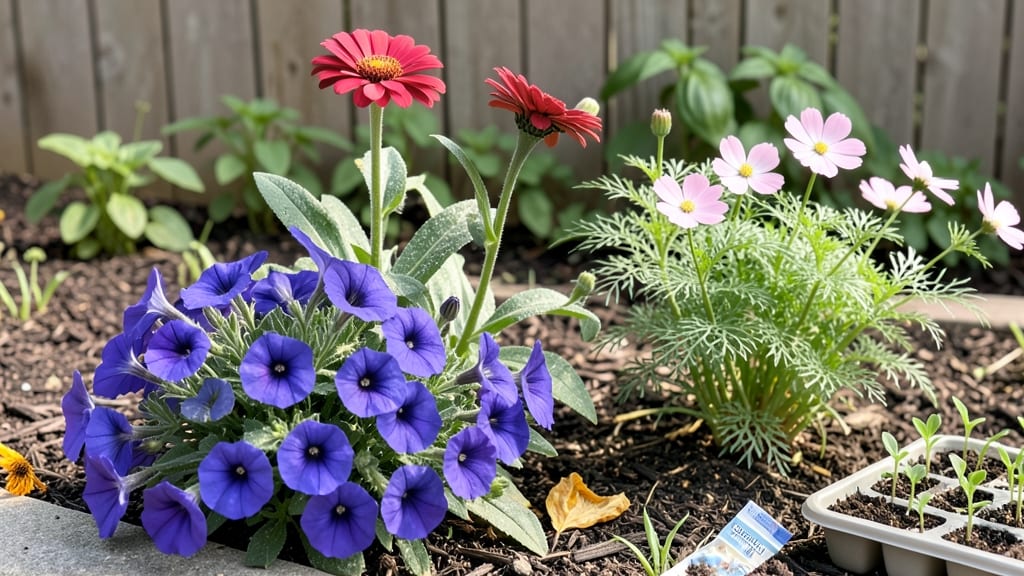
Zone 5’s short growing season shouldn’t stop you from growing stunning flowers—these cold-hardy varieties bloom reliably year after year. 🌸 I’ve tested everything from hardy perennials to late-summer biennials, and the right seeds make all the difference.
Marigolds and cosmos pop up fast, while coneflowers and black-eyed Susans return stronger every spring.
Timing is everything: sow tender annuals after your last frost (usually late May), but don’t wait for biennials like sweet William—they need a cool fall start. A simple soil prep (add compost, loosen top 6 inches) and full sun (6+ hours daily) sets them up for success.
Even in Zone 5’s unpredictable weather, these picks bounce back.
By midsummer, you’ll have vibrant borders that attract pollinators and last well into frost. The perennials keep coming back, while the annuals fill gaps with bold color. No more empty flowerbeds—just reliable blooms that outperform store-bought plants.
Works for sun-drenched borders, container gardens, or even under trees. Here’s how to pick the perfect mix for your space and climate.
📚 In This Guide
- What you need
- Instructions
- Tips and common mistakes
- Wrapping up and next steps
What you need
- ● Flower seeds (Zone 5-approved varieties like Black-eyed Susans, Coneflowers, or Russian Sage—check seed packets for cold tolerance!)
- ● Seed-starting mix (lightweight, sterile potting soil—10-15 lbs for indoor starts or 50 lbs for outdoor beds).
- ● Planting containers or trays (biodegradable pots or 6-8" deep trays for seedlings).
- ● Grow lights or a sunny windowsill (if starting indoors—6-8 hours/day of light).
- ● Watering can or spray bottle (with a fine mist setting for delicate seedlings).
- ● Garden gloves (to protect hands from soil and thorns).
- ● Hand trowel (for transplanting seedlings into garden beds).
- ○ Garden fork or spade (to loosen soil—optional but helpful for heavy clay).
- ● Mulch (straw or shredded leaves—2-3 inches to insulate roots in winter).
- ○ Frost cloth or row covers (for early spring/fall protection—optional but lifesaving for tender seedlings).
- ● Weather forecast app (to time planting after the last frost—typically mid-May in Zone 5).
Step-by-step guide to planting cold-hardy flower seeds in Zone 5
Here's how I ensure vibrant blooms survive Zone 5's chilly springs and late frosts.
🌱 Step 1: Choose the Right Timing for Your Climate
Zone 5's last frost typically arrives between April 15-30, but check your local forecast for precise dates. Plant cool-season annuals like snapdragons and pansies 4-6 weeks before the last frost date—they'll tolerate light frosts once established. For tender perennials like coneflowers or black-eyed Susans, wait until two weeks after the last frost to avoid cold damage.
I always mark my calendar with the 10-year average frost dates from my local cooperative extension office. This prevents rushing seeds too early when soil temperatures remain below 45°F, which stalls germination. If you're unsure, use a soil thermometer—50°F is the minimum for most flower seeds to sprout reliably.
☀️ Step 2: Prepare the Soil for Optimal Germination
Work the top 6 inches of soil with a garden fork or tiller until it crumbles easily between your fingers. Zone 5 soil often compacts over winter, so I add 2 inches of compost to improve drainage and fertility. Mix it in thoroughly—uneven distribution leads to patchy germination and weak seedlings.
For heavy clay soils, blend in 1 part sand to every 3 parts soil to prevent waterlogging. The goal is loose, well-aerated soil that holds moisture without becoming soggy. Test your soil's pH—most flowers prefer a slightly acidic to neutral range (6.0-7.0). Adjust with lime if needed, but do this 2-3 weeks before planting to avoid chemical burns on seeds.
💧 Step 3: Plant Seeds at the Correct Depth and Spacing
Most flower seeds need light to germinate, so I barely cover them—just press them into the top ¼ inch of soil. Tiny seeds like larkspur or snapdragons should sit on the surface, while larger seeds like sunflowers can go ½ inch deep. Use a seed starter formula or 50% peat moss and 50% perlite for faster, more reliable germination.
Space seeds according to their mature size: petunias and salvias need 12-18 inches apart, while cosmos and zinnia can handle 6-12 inches of room. Overcrowding leads to leggy, disease-prone plants. After planting, water gently with a fine mist until the soil is evenly moist but not saturated. A light mulch of straw or shredded leaves helps retain moisture and regulate soil temperature.
⏰ Step 4: Protect New Plants from Late Frosts
Even after seeds sprout, late frosts can kill tender seedlings. I use floating row covers or lightweight fabric to shield them until nighttime temperatures stabilize above 35°F. Secure the cover with bricks or stakes so wind doesn't tear it away—you'll see new growth push through within 5-7 days once protected.
For extra insurance, I plant fast-growing cover crops like buckwheat around flower beds. These act as windbreaks and insulate the soil, keeping roots warmer. Once your flowers reach 3-4 inches tall, they'll tolerate cooler nights better. Remove covers gradually during the day to harden them off—leave them off for 2-3 hours the first day, increasing by an hour daily until they're fully exposed.
🌿 Step 5: Maintain Moisture and Fertility for Continuous Blooms
Water deeply once a week (or more during dry spells) to encourage deep root growth. Shallow watering produces weak stems that flop over. I check soil moisture by digging down 2 inches—if it's dry, water until moisture reaches 4-6 inches deep. Early morning watering prevents fungal diseases by letting foliage dry before evening.
Feed flowers with a balanced 10-10-10 fertilizer every 4-6 weeks during the growing season. Deadhead spent blooms regularly to redirect energy into new flowers. For perennials like bee balm or daylilies, cut back dead foliage in early spring to make room for fresh growth. Mulch again in late fall with 2-3 inches of shredded leaves to protect roots through Zone 5's harsh winters.
Tips & tricks for perfect cold-hardy flower plantings
These tried-and-true strategies will help you transform your Zone 5 garden into a resilient, blooming paradise that defies the chill.
Timing is Everything: The 4-6 week window before last frost for cool-season annuals isn't just a suggestion—it's a biological necessity. I've learned this the hard way after watching snapdragons wilt when planted too early. Use the 10-year frost averages from your local cooperative extension as your guide, not just the calendar. For perennials like coneflowers, that two-week buffer after last frost gives their roots time to establish before facing summer's heat. Remember, soil at 50°F is the magic threshold where seeds finally wake up from dormancy.
Soil Science Matters: That 6-inch soil prep isn't just about loosening dirt—it's about creating the perfect microclimate for roots. I've found that adding 2 inches of compost isn't just about nutrients; it's about improving soil structure so water drains properly but doesn't evaporate too quickly. For clay-heavy soils, the 1:3 sand ratio actually works better than you'd think—it prevents that suffocating waterlogging that kills seedlings before they sprout. And that 2-3 week lime adjustment is crucial: I've seen pH adjustments fail when done too close to planting, causing chemical burns that prevent germination.
Depth and Spacing Secrets: The ¼-inch depth for tiny seeds might seem shallow, but it's perfect for light-loving varieties like larkspur. I've noticed that seeds planted too deep often rot before they can sprout. For spacing, think about the plant's mature size—those 12-18 inches for petunias might seem generous, but crowded plants compete for nutrients and become prime targets for fungal diseases. The fine mist watering after planting is what makes the difference between strong seedlings and weak, leggy ones that flop over.
Frost Protection Hacks: Those 2-3 hours of gradual hardening off are what make the difference between plants that survive and ones that get shocked. I've used everything from old bedsheets to purpose-built row covers, but the key is securing them properly—wind can tear fabric and expose delicate seedlings. The 35°F nighttime threshold is non-negotiable for tender seedlings, but once plants reach 3-4 inches, they develop enough mass to tolerate cooler nights. That's when you can start removing covers during the day to toughen them up.
Pro Tips for Flower Seeds For Zone 5
- These tried-and-true strategies will help you transform your Zone 5 garden into a resilient, blooming paradise that defies the chill.
- Timing is Everything: The 4-6 week window before last frost for cool-season annuals isn't just a suggestion—it's a biological necessity.
- Soil Science Matters: That 6-inch soil prep isn't just about loosening dirt—it's about creating the perfect microclimate for roots.
Frequently asked questions
Got questions about growing flowers in Zone 5? You’re not alone! Here are answers to the most common concerns—so you can plant with confidence and watch your garden bloom.
When is the best time to plant flower seeds in Zone 5?
For cool-season flowers (like pansies or sweet alyssum), sow seeds in early spring (as soon as soil is workable, around March–April) or late summer (August–September) for fall blooms. Warm-season varieties (e.g., marigolds, zinnias) wait until after the last frost (typically May–June). Always check your USDA frost dates for precision!
Can I plant flower seeds in Zone 5 too early?
Yes, but only if you’re planting cold-hardy seeds (like snapdragons or calendula) or using a cloche or row cover to protect tender sprouts. Direct-sowing too early can lead to rot or stunted growth. For extra safety, start hardy perennials indoors 6–8 weeks before the last frost—they’ll handle transplanting better!
Are there affordable flower seeds for Zone 5?
Opt for heirloom or open-pollinated seeds (cheaper than hybrids) from reputable sources like Baker Creek Heirloom Seeds or Burpee. Bulk seed packs (e.g., wildflower mixes) also stretch your budget. Pro tip: Save seeds from your healthiest blooms for next year—many annuals (like cosmos) self-seed easily!
Why aren’t my Zone 5 flower seeds germinating?
Common culprits: too-deep planting (most seeds need just 2x their width under soil), cold soil (use a seedling heat mat if needed), or poor moisture. Try soaking seeds overnight (for hard-coated varieties like lupines) or stratifying (mixing with damp sand, then refrigerating) if germination stalls. Patience helps—some seeds (like poppies) take 2–4 weeks!
What are the easiest flowers to grow from seed in Zone 5?
Start with low-maintenance winners like:
- Cosmos – Drought-tolerant, self-seeds, and blooms nonstop.
- Zinnias – Fast-growing (30–60 days) and attract pollinators.
- Sunflowers – Giant varieties (like ‘Russian Giant’) thrive in Zone 5’s long summers.
- Sweet Peas – Fragrant and cold-hardy; plant in early spring for early blooms.
Bonus: Nasturtiums repel pests and edible—win-win!
Wrapping up and next steps
Growing flowers in Zone 5 is totally doable—you just need the right seeds and a little patience! From cold-hardy perennials like coneflowers to vibrant annuals like marigolds, these varieties will reward you with year-round beauty and resilience.
Whether you're a beginner or a seasoned gardener, now’s the perfect time to plant, nurture, and enjoy your blooming oasis.
Ready to get started? Pick your favorite seeds, mark your calendar, and watch your garden transform! 🌸 For extra tips, check out our Zone 5 planting guide—happy gardening!