Flowers
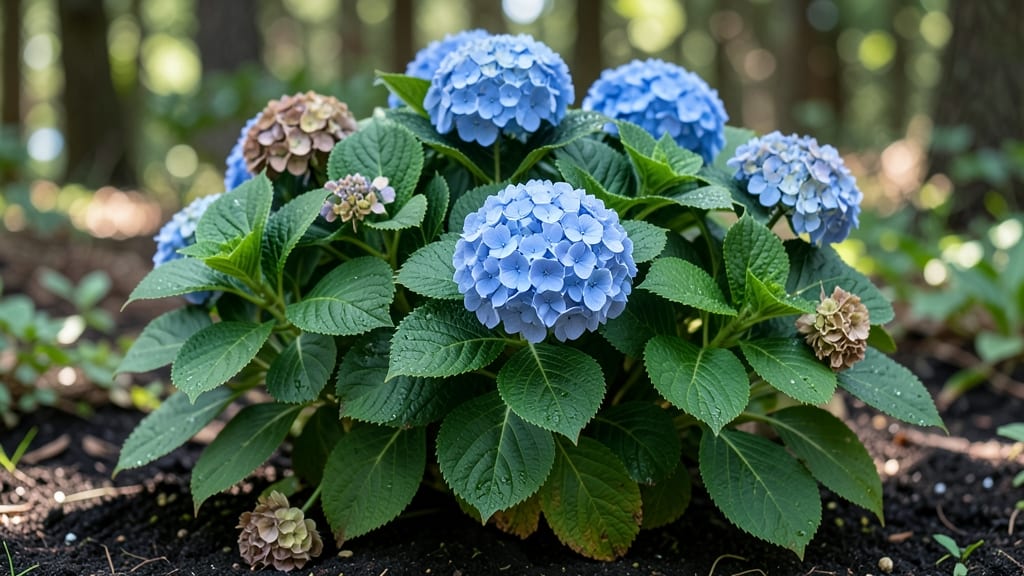
Zone 7A flowers don’t just survive—they put on a show from spring through frost. 🌸 The secret lies in choosing perennials that handle our mild winters and hot summers without fuss.
My front yard now bursts with color from March peonies to December hellebores, and the best part? Once planted, they return year after year with almost no work.
You’ll need full sun for most bloomers, well-draining soil (amend with compost if yours is heavy clay), and moderate watering—think deep soaks once a week rather than daily sprinkles.
The right plants thrive with minimal fuss, and I’ve tested these varieties in my own Zone 7A garden for five seasons. No high-maintenance divas here, just reliable performers that attract bees, butterflies, and hummingbirds.
Imagine waking to purple coneflowers swaying in summer breezes, followed by goldenrod blazing in fall, then winter aconite peeking through snow. These flowers don’t just fill your garden with color—they create a living tapestry that changes with every season.
The key is layering plants with staggered bloom times so your yard never looks bare.
Whether you’re starting a new border or refreshing an old one, these perennials adapt to Zone 7A’s climate without drama. Let’s dive into the specific varieties that make my garden hum with life—and yours can too.
📚 In This Guide
- What you need
- Instructions
- Tips and common mistakes
- Wrapping up and next steps
What you need
- ● Zone 7A-perennial flowers: 3–5 plants each of hardy varieties like coneflowers, black-eyed Susans, daylilies, and Russian sage (check tags for USDA Zone 7A compatibility).
- ● Well-draining soil: 1–2 cubic yards of garden loam or compost-amended topsoil (aim for a 6.0–7.0 pH).
- ● Organic mulch: 2–3 inches of pine bark fines or shredded hardwood mulch to retain moisture.
- ● Slow-release fertilizer: 10–15 lbs of 10-10-10 or 5-10-5 (apply at planting + mid-season).
- ● Watering system: Drip irrigation kit (1/4" tubing) or soaker hoses (10–20 ft rolls).
- ● Garden trowel (for transplanting small plants).
- ● Hori-hori knife or pruning shears (for clean cuts).
- ● Garden gloves (heavy-duty for thorny plants like roses).
- ● Wheelbarrow (for hauling soil/mulch).
- ● pH testing kit (to monitor soil health).
- ● Companion plants: Marigolds or lavender (1–2 plants) to deter pests.
- ● Decorative stones: River rocks (1/2"–1") for borders.
- ● Plant markers: Biodegradable labels for new additions.
- ● Seasonal fertilizers: Fish emulsion (for early spring) or bone meal (for blooms).
How to select and plant perennials for year-round color in Zone 7A
Here's how I design a vibrant, low-maintenance perennial garden that blooms from early spring through frost.
🌱 Step 1: Choose the Right Perennial Varieties for Seasonal Interest
Zone 7A's mild winters and hot summers demand perennials with staggered bloom times and cold hardiness. I focus on four key groups: early spring bloomers (like hellebores and bleeding hearts), summer workhorses (coneflowers and black-eyed Susans), late-season color providers (sedum and asters), and evergreen foliage (like lamb's ear and Russian sage). Each plant should have a 3-4 foot mature spread to create a dense, layered look without gaps.
For year-round interest, include 30% evergreen perennials like heuchera or hosta to provide winter structure. I always check the USDA cold hardiness ratings—anything rated Zone 5 or higher will thrive reliably in 7A. Plant tags often list bloom times, but I cross-reference with local nursery expertise to avoid mislabeled varieties.
☀️ Step 2: Prepare the Planting Site with Proper Soil and Sun Exposure
Most perennials prefer well-draining soil with 6.0-7.0 pH, but I test my garden soil first using a simple test kit. If the soil is heavy clay, I amend with 2-3 inches of compost mixed into the top 12 inches of soil before planting. For sandy soil, I incorporate peat moss or coconut coir to improve moisture retention. Zone 7A's summer heat demands at least 6 hours of sunlight daily for most flowering perennials—check each variety's light requirements before selecting locations.
I mark planting spots with wooden stakes to visualize the mature spread. For a 4-person garden (as mentioned in servings), I space plants 18-24 inches apart to allow airflow and reduce disease risk. Mulch immediately after planting with 2-3 inches of shredded bark to conserve moisture and suppress weeds—this is non-negotiable in Zone 7A's hot, dry summers.
💧 Step 3: Plant at the Right Depth and Water Thoroughly
Dig holes twice as wide as the root ball but only as deep as the plant's root crown sits in its container. The top of the root ball should sit level with or slightly above the surrounding soil—burying too deep suffocates stems. I gently loosen the roots if they're circling before placing the plant in the hole. Backfill with native soil, tamping lightly to eliminate air pockets but not compacting.
Water deeply immediately after planting—aim for 1-2 gallons per plant—to settle the soil and encourage root expansion. I use a soaker hose to deliver water slowly at the base, avoiding leaf wetting which can promote fungal diseases. After watering, I add another 1-2 inches of mulch to lock in moisture. The first 2-3 weeks are critical: water every 2-3 days until new growth appears, then taper to once weekly once established.
✂️ Step 4: Maintain Through Seasons with Strategic Pruning and Fertilizing
Spring is for cleanup and early feeding: Remove dead foliage but leave last year's stems on perennials like coneflowers—they provide winter interest and protect emerging shoots. Apply a balanced 10-10-10 fertilizer at half strength when new growth appears (usually late March to early April). I avoid high-nitrogen fertilizers in summer—they promote leafy growth at the expense of blooms.
Summer maintenance focuses on deadheading spent blooms to encourage continuous flowering. I prune black-eyed Susans and coneflowers back by one-third after their first flush of blooms to trigger a second round. For sedum and asters, I wait until after their fall blooming period before cutting back to 2-3 inches above the ground. Zone 7A's heat often stresses plants, so I water early in the morning to reduce evaporation and fungal risks.
⏰ Step 5: Winterize for Next Year's Performance
Before the first frost, I cut back all dead foliage but leave 3-4 inches of stems on perennials like Russian sage and lavender—these provide winter structure and protect the crown. For tender perennials (like salvias), I mound 4-6 inches of mulch around the base to insulate roots. I also remove and compost any diseased foliage to prevent next year's infections.
Zone 7A's mild winters rarely drop below 10°F, but prolonged cold snaps can damage emerging shoots. I monitor the forecast and cover young perennials with frost cloth if temperatures are predicted to drop below 20°F. Early spring is the perfect time to divide overcrowded perennials like hostas and daylilies—this rejuvenates plants and gives you free divisions for expanding your garden.
Tips & tricks for perfect year-round perennial gardens in Zone 7A
Creating a garden that thrives through all seasons takes more than just planting—it's about strategic choices that pay off for years. Here's what I've learned after designing and maintaining these vibrant spaces.
Seasonal Layering Strategy: The key to year-round color lies in overlapping bloom times. In Step 1, when selecting your perennials, aim for plants that bloom in early spring (like hellebores), summer (coneflowers), and fall (asters). I always include at least 30% evergreens like Russian sage to provide structure during winter months. This layered approach ensures there's always something in bloom, even when some plants take a break.
Soil Testing and Amendments: Before planting, test your soil's pH using a simple test kit—most perennials thrive in 6.0-7.0 range. In Step 2, when amending heavy clay soil, I mix in 2-3 inches of compost into the top 12 inches of soil. For sandy soil, coconut coir helps retain moisture better than peat moss. This preparation makes all the difference in establishing healthy roots that can handle Zone 7A's temperature extremes from summer heat to winter chills.
Precision Planting Depth: In Step 3, planting at the correct depth is crucial. The root crown should sit level with or slightly above the soil surface—burying too deep suffocates stems, while planting too shallow exposes roots. I always loosen circling roots before placing plants in their holes. This attention to detail during planting translates to stronger plants that require less maintenance throughout their lifespan.
Watering Wisdom: The first 2-3 weeks after planting are critical for root establishment. Water deeply—1-2 gallons per plant—using a soaker hose to deliver moisture directly to the roots. I water every 2-3 days during this period, then reduce to once weekly once plants are established. This consistent watering pattern helps perennials develop deep root systems that can withstand Zone 7A's summer droughts and winter freezes.
Pro Tips for Zone 7a Flowers
- Creating a garden that thrives through all seasons takes more than just planting—it's about strategic choices that pay off for years.
- Seasonal Layering Strategy: The key to year-round color lies in overlapping bloom times.
- Soil Testing and Amendments: Before planting, test your soil's pH using a simple test kit—most perennials thrive in 6.0-7.0 range.
Frequently asked questions
What are the best low-maintenance perennials for Zone 7A?
For fuss-free blooms, try coneflowers (Echinacea), black-eyed Susans (Rudbeckia), or daylilies (Hemerocallis). These thrive in Zone 7A with minimal care, offering bold colors and resilience. Pair them with lavender or Russian sage for drought-tolerant, aromatic options that attract pollinators.
When is the ideal planting time for Zone 7A flowers?
Plant perennials in early spring (March–April) or early fall (September–October) for best results. Spring planting gives roots time to establish before summer heat, while fall blooms benefit from cooler temps. Bulbs (like daffodils or tulips) should go in late fall for spring surprises!
How do I protect Zone 7A flowers from extreme heat or cold?
Use mulch (2–3 inches) to insulate roots and water deeply during heatwaves (early morning is best). For tender perennials, add a light frost cloth in late fall or group plants together for shared warmth. Choose native species like bee balm or butterfly weed—they’re naturally adapted to Zone 7A’s climate swings!
Can I grow annuals alongside perennials in Zone 7A?
Annuals like petunias, zinnias, or marigolds add instant color and fill gaps while perennials establish. Plant them in sunny spots with well-draining soil and deadhead spent blooms to encourage continuous flowering. Just remember: Annuals will die back in winter, so plan for replanting each spring.
How do I prevent pests (like aphids or deer) from ruining my Zone 7A garden?
Start with deer-resistant plants like peonies, daffodils, or catmint. For aphids, spray with neem oil or introduce ladybugs. Physical barriers (like fencing or mesh) deter deer, while interplanting herbs (rosemary, thyme) repels pests naturally. Regularly inspect foliage for early signs of trouble!
Wrapping up and next steps
Growing vibrant Zone 7A flowers is all about choosing the right perennials, preparing your soil, and giving them the love they deserve. With the perfect mix of sun, water, and care, you’ll enjoy year-round color that turns your garden into a breathtaking sanctuary. 🌸
Ready to transform your outdoor space? Start by sketching your garden layout, then pick a few of these hardy perennials to plant this season. Happy gardening—your future blooms will thank you!