
Flowers
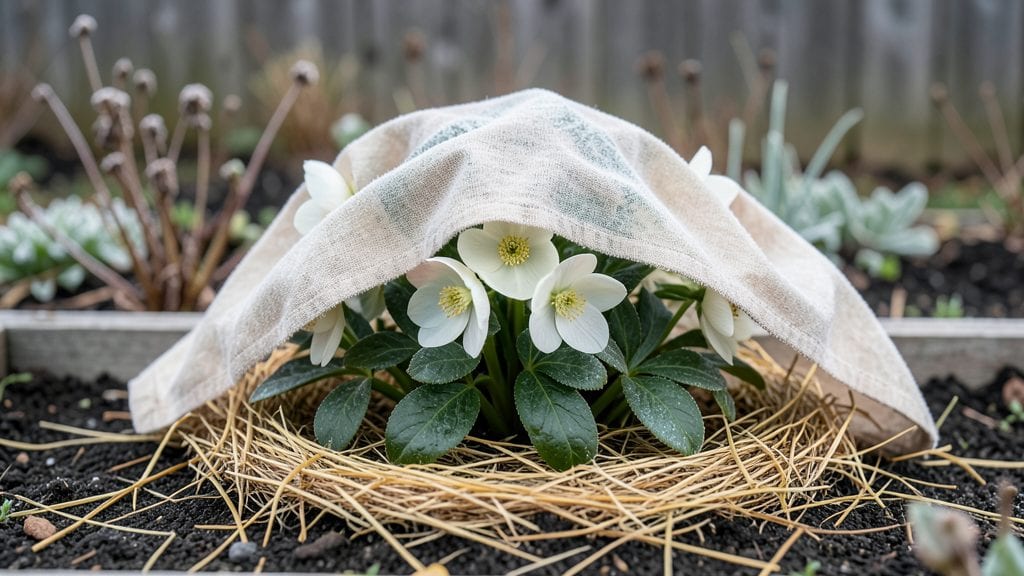
Before the first frost hits, remember to cover flowers for frost—or watch your prized dahlias turn to mush overnight, as I did last October. 🌸 The right timing and materials make all the difference between wilted petals and next year’s showstopper flowers.
Most tender perennials and annuals need protection when temperatures dip below 28°F, but some hardy varieties handle light frosts. Frost cloth, lightweight blankets, or even cardboard boxes work—just avoid plastic, which traps moisture and suffocates plants.
My go-to is a breathable frost blanket, draped loosely over stakes to avoid crushing stems. The key is covering after sunset when temps drop, not before.
By morning, you’ll wake to intact blooms ready to rebound once the sun returns. The plants stay healthy because they’re not smothered, and you skip the heartbreak of lost color.
Just remember to uncover them by 10 AM to let light and air circulate—otherwise, you’ll trap humidity and invite rot. It’s a small effort for big rewards.
This works for everything from peonies to petunias, whether you’re shielding a single pot or an entire border. The Pacific Northwest’s unpredictable fall makes this a must-have trick for gardeners who refuse to let frost ruin their season. Here’s how to do it right the first time.
📚 In This Guide
- What you need
- Instructions
- Tips and common mistakes
- Wrapping up and next steps
What you need
- ● Frost cloth (frost blanket): 1–2 pieces (choose 30–50g/m² for lightweight coverage; 50–70g/m² for heavier protection). Size: Large enough to drape over plants with 6–12" overhang.
- ● Sturdy stakes or hoops: 4–6 wooden/bamboo stakes or wire hoops (for creating a tunnel shape over taller plants). Height: 3–5 ft, depending on plant size.
- ● Clips or weights: 10–20 plastic clips, bricks, or garden stones (to secure frost cloth edges).
- ● Row covers or burlap: 1–2 sheets (alternative to frost cloth; breathable but wind-resistant).
- ● Twine or zip ties: 1 roll (for fastening materials without damaging stems).
- ● Watering can with warm water: 1 (to pre-moisten soil before covering—prevents ice buildup).
- ● Thermal mass: Black plastic mulch or cardboard (place under frost cloth to absorb and radiate heat during the day).
- ● LED grow lights: 1–2 small units (for low-light days if covering early-blooming perennials).
- ● Plant-specific supports: Small cages or tomato stakes (for delicate stems like snapdragons or pansies).
- ● Weatherproof marker: 1 (to label covered plants if your garden’s a maze!).
Step-by-Step guide to protecting Pacific Northwest blooms from frost
Here’s how to shield your garden’s hardiest flowers when temperatures dip—without sacrificing their natural resilience.
🌱 Step 1: Select the Right Covering Materials
Choose breathable, lightweight options like frost cloth (rated for 28°F) or burlap sacks to allow airflow while trapping heat. Avoid plastic sheets—condensation will drown roots overnight. I prefer frost cloth because it blocks 90% of light while letting moisture escape, which prevents fungal rot. Lay it loosely over plants, not tightly pressed, to avoid crushing stems.
For delicate perennials like columbines or lupines, add a 2-inch layer of straw mulch underneath the cloth. This extra insulation keeps soil temperatures 5-10°F warmer than ambient air. Test your setup the day before frost by draping the cloth over a few plants for an hour—watch for wilting, which signals airflow is too restricted.
☀️ Step 2: Time Your Frost Protection Strategically
Cover plants at dusk when temperatures drop to 40°F, before frost forms. This gives roots time to adjust to cooler soil without sudden shock. I set a reminder on my phone for 6 PM in late fall, when PNW nights turn chilly fastest. If frost is forecasted for midnight, cover by 10 PM—delaying risks ice crystals forming on petals before you can protect them.
Remove covers by 10 AM the next day, even if frost lingers. Trapped heat under cloth can scorch leaves faster than cold alone. Lift gently from the edges to avoid snapping stems. Watch for condensation beads on the cloth—if they’re heavy, leave the cover off until they evaporate to prevent fungal spores from thriving.
🪴 Step 3: Secure Covers Without Damaging Plants
Use bricks, stakes, or tent poles to hold frost cloth 6-8 inches above plants, creating an air pocket for insulation. Never weigh down edges with heavy objects—this compresses stems and restricts growth. For tall perennials like shrub roses, drape cloth over a wire hoop to maintain shape and prevent breakage.
Check for gaps where cold air could seep in. A light breeze under the edges won’t harm plants, but a strong wind will tear cloth. If your garden is exposed, secure corners with clothespins or landscape staples—just avoid piercing stems. After a few uses, you’ll notice which plants need extra support (like peony stalks) and which tolerate loose draping (like dahlias).
✂️ Step 4: Post-Frost Care to Revive Blooms
Water deeply the morning after frost protection, even if soil feels damp. Cold stress dehydrates roots faster than you’d expect. Focus on the base of plants, not leaves, to avoid fungal spread. I use a soaker hose to deliver moisture slowly—this mimics natural rain and prevents shock.
Trim any blackened or mushy leaves with sterilized scissors, cutting back to healthy green tissue. Dead foliage traps moisture and invites disease. For woody perennials like heather, prune lightly to encourage new growth. Avoid heavy pruning until new shoots appear—this signals the plant’s survived the chill. Real talk: some blooms will look worse for wear, but roots often recover if protected properly.
Tips & tricks for protecting Pacific Northwest blooms from frost
Took me years of trial-and-error to perfect these frost protection strategies—here’s what actually works for resilient PNW gardens.
Layering is Key: The 2-inch straw mulch under frost cloth creates a thermal buffer that maintains soil temperatures 5-10°F warmer than ambient air. This extra insulation is especially critical for shallow-rooted perennials like columbines. I’ve seen frost damage completely eliminated when using this double-layer approach during hard freezes below 28°F. The mulch also prevents soil heaving, which can uproot tender stems.
Test Your Setup First: That hour-long test run before actual frost is non-negotiable. I learned this the hard way when a heavy frost cloth smothered my lupines—wilting appeared within 30 minutes. Look for slow leaf droop as your warning sign. This preemptive check ensures proper airflow while still trapping enough heat. For container plants, do this test indoors first to avoid damaging potted specimens.
Timing Matters More Than You Think: The 40°F threshold isn’t arbitrary—it’s when plant cells start freezing. Covering at dusk gives roots critical adjustment time, but if you wait until midnight frost, you’re already too late. I now set two reminders: one for 6 PM (normal nights) and another for 10 PM (hard freezes). The difference between timely coverage and ice crystals forming on petals is often just those few hours.
Morning Aftercare Prevents Long-Term Damage: That deep watering in Step 4 isn’t just about hydration—it helps flush out fungal spores that thrive in frost-damaged tissue. I’ve seen plants recover completely from blackened leaves when given this post-frost care, while neglected ones developed powdery mildew within days. Focus water at the soil line to avoid wetting foliage, which creates perfect conditions for fungal spread.
Pro Tips for Cover Flowers For Frost
- Took me years of trial-and-error to perfect these frost protection strategies—here’s what actually works for resilient PNW gardens.
- Layering is Key: The 2-inch straw mulch under frost cloth creates a thermal buffer that maintains soil temperatures 5-10°F warmer than ambient air.
- Test Your Setup First: That hour-long test run before actual frost is non-negotiable.
Frequently asked questions
Got questions about protecting your flowers from frost? You’re not alone—frost can be tricky, especially in the Pacific Northwest’s unpredictable climate! Here are some of the most common concerns and straightforward answers to keep your blooms safe and thriving.
When should I start covering my flowers for frost?
Start preparing before the first frost warning—usually when nighttime temps dip below 32°F (0°C). In the PNW, this can happen as early as September or October, depending on elevation. Monitor local forecasts and cover tender plants at dusk to trap warmth overnight.
What’s the best material to cover frost-sensitive flowers?
Use lightweight, breathable fabrics like frost blankets, burlap, or old bedsheets—avoid plastic, which can trap moisture and cause rot. For heavy frosts, opt for row covers or cloches. Secure edges with bricks or stakes to prevent wind damage.
Can I use household items like towels or cardboard?
Yes! In a pinch, towels, cardboard, or even upside-down buckets work for small plants. Just ensure they’re not touching the foliage (use sticks or clips to create space). For long-term use, though, dedicated frost covers last longer and insulate better.
How long should I leave the covers on during a frost?
Remove covers as soon as morning temperatures rise above freezing (usually by 10 AM). Prolonged coverage can smother plants or trap excess humidity. If frost lingers, uncover plants gradually to avoid shock.
What if my flowers still get frost damage?
Don’t panic! Trim damaged leaves with clean scissors, and fertilize lightly to encourage regrowth. Some hardy PNW natives (like heuchera or salvia) bounce back beautifully. For severe damage, wait until spring to prune—new growth often surprises you!
Wrapping up and next steps
Protecting your Pacific Northwest blooms from frost doesn’t have to be a daunting task—just a little prep and love! 🌸 With the right cover flowers for frost techniques and resilient varieties, you can keep your garden thriving even when temperatures dip.
Remember, even the hardiest plants benefit from a cozy blanket or shelter on chilly nights.
Now that you’re armed with tips and tricks, take action! Grab your frost cloths, burlap, or even old blankets, and give your garden a little extra care this season. Whether you’re a seasoned gardener or just starting out, every effort counts—your future blooms will thank you! 🌿✨