
Planting
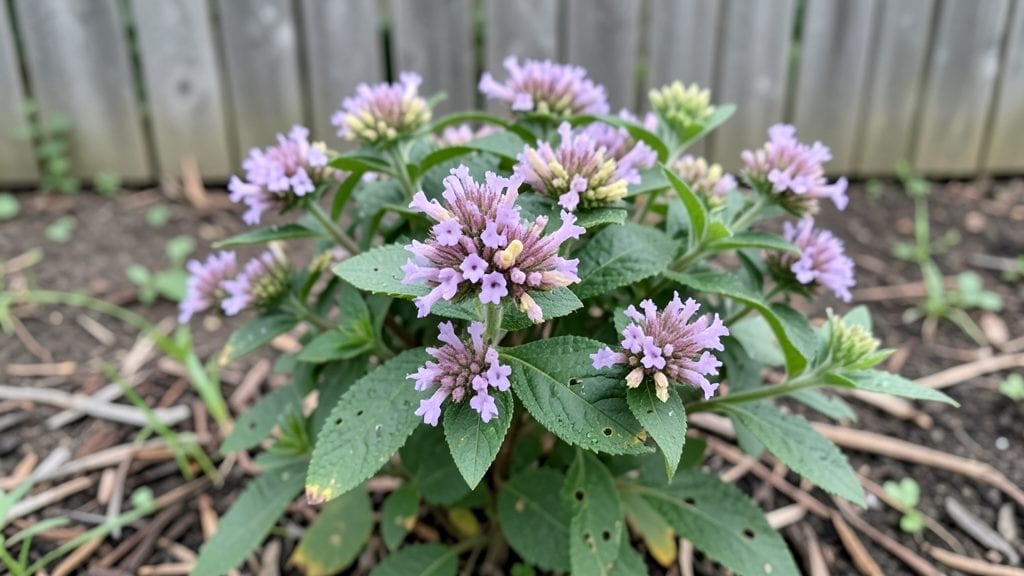
This purple flower plant name, catmint, is the first lavender-purple bloom I reach for when designing a pollinator-friendly garden—its fuzzy spikes draw bees and butterflies like a magnet. 🌿 The plant thrives in full sun, tolerates drought once established, and blooms from early summer through fall, giving you months of color without fuss.
Its silvery foliage adds texture, making it a standout in borders or containers.
Pair catmint with other purple stars like clematis (vining purple blooms for vertical drama) or salvia (spiky, drought-resistant purple spikes) for a cohesive look. For cottage gardens, mix it with purple petunias and lavender—the combination feels effortless but looks intentional.
Even in small spaces, catmint’s bushy habit fills gaps beautifully.
What you’ll love most is how these purple plants transform a garden into a living tapestry. The deep hues contrast stunningly with silver foliage, bright yellow blooms, or even white flowers, creating visual pops that last all season.
Start with catmint as your anchor, then layer in complementary colors for a garden that buzzes with life.
This approach works for sun-drenched borders, container gardens, or even window boxes—just match plants with similar sunlight needs. The key is letting the colors guide you, not rules. Your garden will thank you with nonstop blooms and happy pollinators.
📚 In This Guide
- What you need
- Instructions
- Tips and common mistakes
- Wrapping up and next steps
What you need
- ● Main Planting Supplies: 1–3 Catmint (Nepeta spp.) plants (choose varieties like 'Walker’s Low,' 'Six Hills Giant,' or 'Purpurascens' for rich purple blooms).
- ● High-quality potting soil (6–8 bags, 2 cubic feet each) or a mix of garden soil + compost (70% soil, 30% compost).
- ● Organic fertilizer (5-10-5 or balanced 10-10-10, 1–2 lbs) for nutrient-rich growth.
- ● Tools: Hand trowel or small garden spade (for planting).
- ● Pruning shears (for shaping and deadheading).
- ● Watering can or hose with a gentle spray nozzle.
- ○ Optional: Mulch (2–3 cubic feet of shredded bark or straw) to retain moisture and suppress weeds.
- ● Location & Prerequisites: Full sun exposure (6+ hours of direct sunlight daily).
- ● Well-draining soil (Catmint hates soggy roots—amend clay soil with perlite or sand if needed).
- ● Spacious planting area (Catmint spreads! Leave 18–24 inches between plants for mature size).
- ● Bonus (For Thriving Plants): Drip irrigation kit (to automate watering and save time).
- ● Pollinator-friendly companion plants (e.g., lavender, coneflowers, or bee balm).
Step-by-step guide to planting and caring for catmint
Here's how to create a buzzing purple paradise with this easy-care pollinator magnet.
🌱 Step 1: Choose the Perfect Spot for Your Catmint
Catmint thrives in full sun—at least 6-8 hours daily. Look for a location with well-draining soil where it can spread its cheerful purple blooms. I always check for afternoon shade if you live in a hot climate, as catmint can scorch in intense midday heat.
This plant tolerates poor soil better than most, but it still needs good drainage. If your garden has heavy clay, mix in some sand or compost to help water flow through. The roots will thank you with vigorous growth and those signature lavender-purple flower spikes.
🪴 Step 2: Plant Your Catmint Correctly
Dig holes twice as wide as the root ball but only as deep as the container it came in. Gently remove your catmint from its pot and loosen any circling roots with your fingers. This prevents root-bound stress that can stunt early growth.
Place the plant in the hole and fill with soil, pressing lightly around the base. Water deeply immediately to settle the roots. I like to add a handful of bone meal to the planting hole—it gives the plant a slow-release phosphorus boost for strong root development and flowering.
☀️ Step 3: Water and Maintain for Continuous Blooms
Water your catmint deeply once a week in normal conditions, letting the top 2-3 inches of soil dry out between waterings. You'll know it's time when the soil feels dry to touch. This drought tolerance is why catmint works so well in pollinator gardens—it won't wilt if you forget to water occasionally.
Deadhead spent blooms by pinching off the flower stems just below the faded blooms. This encourages more flowering throughout the season. I also cut back the entire plant by one-third in early spring to promote bushier growth—it's like giving your plant a fresh start.
✂️ Step 4: Divide and Share Every 3-4 Years
Catmint forms dense clumps over time. When you see new shoots growing around the edges of the plant, it's time to divide. Dig up the entire plant in early spring or fall, then separate the clumps with a sharp spade or clean knife. Each division should have at least 3-5 stems.
Replant the divisions immediately in prepared soil. This is the perfect time to share plants with friends—they'll love how easy catmint is to grow and how much it attracts bees and butterflies. I always keep one division for myself to ensure I have plenty of purple blooms for next season.
Tips & tricks for perfect catmint planting
Here's what nobody tells you about making your catmint thrive like a pro.
Sunlight Secret: Those 6-8 hours of full sun are non-negotiable, but here's the catch: if your summer days hit 90°F+, provide afternoon shade to prevent leaf scorch. I've seen catmint go from lush to crispy in hours when left in blazing afternoon sun—trust me on this. Look for that sweet spot where it gets morning sun and afternoon shade in extreme heat.
Soil Prep Strategy: The instructions mention well-draining soil, but here's the real trick: if you're working with heavy clay, mix in equal parts sand and compost by volume. This creates perfect drainage while adding nutrients. I've had catmint thrive in containers using a 50-50 mix of potting soil and perlite—it's like giving your plant a spa treatment for roots.
Planting Pro Tip: When loosening those circling roots in Step 2, don't rush—spend 30 seconds gently teasing them apart with your fingers. I learned this the hard way after seeing plants struggle with root-bound stress. The goal is to encourage outward root growth, not compact them further. Think of it like giving your plant a gentle massage to wake up its roots.
Watering Wisdom: That once-a-week deep watering is perfect, but here's how to tell when it's truly time: stick your finger 2-3 inches into the soil. If it feels as dry as a desert, it's watering day. I've found catmint actually prefers the occasional drought—it's one reason it's so drought-tolerant. The key is that deep soak to encourage strong root development down below the surface.
Pro Tips for Purple Flower Plant Name
- Here's what nobody tells you about making your catmint thrive like a pro.
- Sunlight Secret: Those 6-8 hours of full sun are non-negotiable, but here's the catch: if your summer days hit 90°F+, provide afternoon shade to prevent leaf scorch.
- Soil Prep Strategy: The instructions mention well-draining soil, but here's the real trick: if you're working with heavy clay, mix in equal parts sand and compost by volume.
Frequently asked questions
Got questions about growing and caring for catmint (or other purple-flowering plants)? Here are some of the most common ones—plus quick answers to keep your garden thriving!
What’s the best time to plant catmint for vibrant purple blooms?
Plant catmint in early spring or late fall for the best results. This gives roots time to establish before summer heat or winter frost. If you’re in a mild climate, you can also plant in early fall—just ensure it has at least 6-8 weeks to settle before cold weather hits.
How often should I water catmint, especially during dry spells?
Catmint is drought-tolerant once established, but water it deeply 1-2 times per week during the first growing season. After that, water only when the top inch of soil feels dry. Overwatering can lead to root rot, so let the soil dry out between waterings.
Why aren’t my catmint flowers staying purple? Are they turning brown or fading?
Fading or browning purple blooms are often caused by overwatering, fungal issues, or too much shade. Ensure your plant gets full sun (6+ hours daily) and well-draining soil. If you notice powdery mildew (white fuzzy spots), prune affected stems and avoid overhead watering.
Can I grow catmint in containers, or does it need a garden bed?
Yes! Catmint thrives in containers with drainage holes, making it perfect for patios or balconies. Use a well-draining potting mix and a pot at least 12 inches wide. Just keep in mind it may need more frequent watering than in-ground plants.
How do I keep catmint blooming all season long?
Deadhead spent flowers regularly (every 2-4 weeks) to encourage new blooms. Plus, give it a light trim after the first flush of flowers to promote bushier growth. Fertilize lightly with a balanced, low-nitrogen fertilizer in early spring for extra vigor.
What are some purple-flowering alternatives to catmint?
If you love purple blooms but want variety, try these low-maintenance options:
- Lavender – Fragrant and drought-resistant
- Russian Sage – Tall, airy purple spikes
- Salvia – Heat-loving with striking blooms
- Coneflower (Echinacea) – Purple-pink daisy-like flowers
Wrapping up and next steps
From its vibrant purple blooms to its pollinator-friendly charm, catmint is a standout addition to any garden! 🌸 Whether you're drawn to its drought tolerance, pest-repelling traits, or low-maintenance nature, this plant delivers beauty and function effortlessly. Ready to transform your outdoor space?
Your next step? Plant a catmint patch this season—start small with a single variety or go bold with a mix! Check local nurseries for cuttings or seeds, and soon, you’ll be welcoming bees, butterflies, and a splash of color to your yard. Happy gardening! 🌿