
Flowers
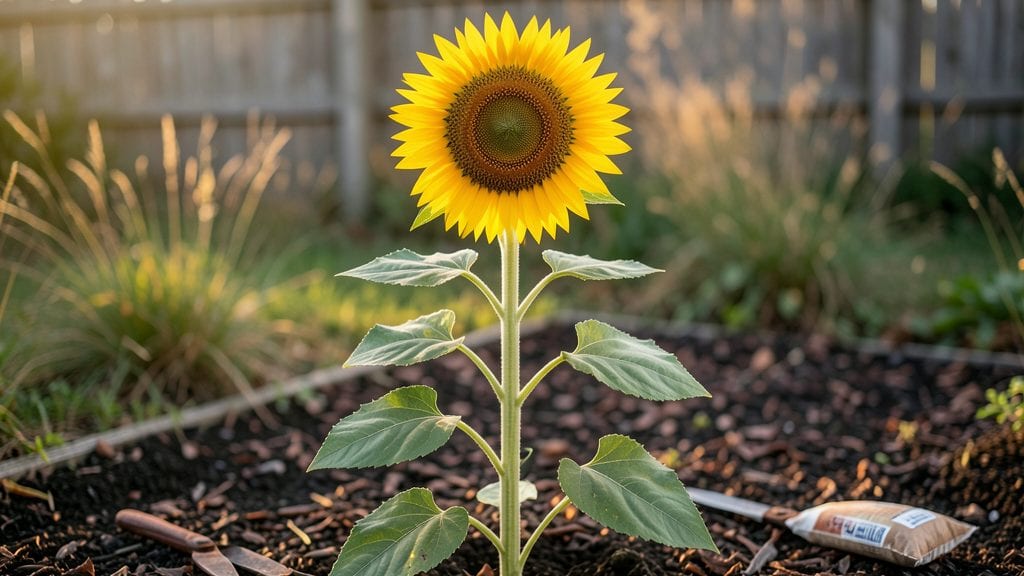
A beautiful sunflower field in your backyard turns ordinary space into a golden, swaying paradise that hums with life—just like the one I grew from a single row of heirloom varieties into a 50-foot patch. neighbors stop to take photos, and bees buzz like a living soundtrack.
The secret isn’t just planting seeds—it’s spacing them 12-18 inches apart in loose, nutrient-rich soil and choosing varieties that bloom sequentially. Mix tall giants like 'Russian Giant' with mid-height 'Teddy Bear' for layers, and add pollinator magnets like cosmos or marigolds at the edges.
Maintenance is minimal: water deeply once established, and deadhead spent blooms to encourage more flowers.
By midsummer, you’ll have a sea of color that shifts from butter-yellow to deep bronze as the season progresses. The stems make natural trellises for climbing beans, and the dried blooms add rustic charm to winter arrangements. This isn’t just a garden—it’s a living postcard that changes with the light.
Perfect for small backyards (even a 10-foot strip makes an impact) or large meadows, this design works in zones 2-11. Start small, experiment with colors, and watch your space become the talk of the neighborhood. The best part? Every seed you plant is a promise of joy for pollinators—and you.
📚 In This Guide
- What you need
- Instructions
- Tips and common mistakes
- Wrapping up and next steps
What you need
- ● Sunflower seeds: Choose Helianthus annuus varieties like 'Moulin Rouge' (red blooms), 'Autumn Beauty' (multi-colored), or 'Russian Giant' (towering 12+ ft!). Aim for 50–100 seeds per square yard for a lush field. Buy from reputable seed suppliers for freshness.
- ○ Soil amendments: Compost (2–3 bags per 100 sq. ft.) or aged manure to enrich soil. Optional: Bone meal (1 lb per 100 sq. ft.) for phosphorus boost.
- ● Mulch: Straw or wood chips (1–2 inches thick) to retain moisture and suppress weeds.
- ● Garden tools: Trowel or hand shovel
- ● Rake (for soil prep)
- ● Hoe (for weeding)
- ● Watering supplies: Garden hose with adjustable nozzle or drip irrigation system (recommended for large fields).
- ○ Optional but helpful: Seedling trays (if starting indoors)
- ● Stakes or trellis (for tall varieties)
- ● Pruners (for deadheading)
- ● Sunlight: A full-sun location (6+ hours of direct sunlight daily). Sunflowers thrive in open spaces!
- ● Well-draining soil: Test soil pH (ideal: 6.0–7.5). Amend clay soil with sand if needed.
- ● Space: Minimum 18–24 inches between plants (closer for shorter varieties). Plan for 3–10 feet of height depending on the variety.
- ● Patience: Sunflowers take 80–120 days to bloom—start seeds indoors 4–6 weeks before last frost for early blooms!
Step-by-step instructions for designing a stunning sunflower field
Creating a sunflower field that thrives year-round starts with thoughtful planning and precise execution.
Select and Prepare the Planting Site
Choose a location with at least 6-8 hours of direct sunlight daily—sunflowers are heavy feeders and need ample light to reach their full height. Clear the area of weeds, rocks, and debris, then loosen the soil to a depth of 12-18 inches using a broadfork or tiller. This ensures roots can penetrate deeply without resistance.
Test the soil pH to confirm it falls between 6.0 and 7.5—sunflowers thrive in slightly acidic to neutral conditions. If your soil is too alkaline, amend it with sulfur or peat moss before planting. Avoid compacted or waterlogged areas, as poor drainage will stunt growth and invite disease.
Choose the Right Sunflower Varieties for Seasonal Interest
For a year-round display, mix early-, mid-, and late-season varieties to ensure continuous blooms. Start with dwarf varieties (2-4 feet tall) for borders or containers, followed by medium-height (4-6 feet) for mid-field planting, and finish with giant varieties (8-12 feet) as focal points. Popular choices include 'Teddy Bear' for early color, 'Moulin Rouge' for mid-season drama, and 'Russian Giant' for towering late-season impact.
Plant seeds ½ inch deep and 6-12 inches apart, depending on the variety’s mature size. Space rows 18-24 inches apart to allow airflow and prevent fungal issues. Water deeply after planting to settle the soil around the seeds, then maintain 1 inch of water per week until germination. Avoid overhead watering once sprouts emerge to prevent damping-off.
Provide Support and Maintenance for Towering Stems
As sunflowers grow, their heavy heads can cause stems to bend or snap—especially in windy conditions. Install stakes or cages (6-10 feet tall) near taller varieties at planting time, securing them loosely with twine or soft ties. Alternatively, plant sunflowers in groups of 3-5, where stems naturally lean against each other for support.
Fertilize lightly 4-6 weeks after germination with a balanced, slow-release fertilizer (10-10-10) to encourage strong root and stem development. Avoid over-fertilizing, as this promotes leafy growth at the expense of blooms. Monitor for pests like sunflower moths or aphids—spray affected plants with neem oil or insecticidal soap at the first sign of infestation.
Extend the Season with Succession Planting and Deadheading
To maintain blooms beyond the initial flush, sow new seeds every 2-3 weeks during the growing season. This staggered approach ensures a continuous display of color and attracts pollinators like bees and butterflies throughout the season. Harvest spent blooms by cutting stems 2-3 inches below the flower head—this encourages side shoots and prolongs the plant’s productivity.
In colder climates, protect late-season sunflowers with row covers or mulch to extend their lifespan. Once frost arrives, cut back stems to 6 inches tall and compost the debris. The following spring, new shoots often emerge from the base, giving you a head start on the next season’s display.
Tips & tricks for perfect sunflower field design
Sunflower fields require more than just seeds and sunshine—they demand strategic planning to thrive year-round. Here’s how to elevate your design from ordinary to extraordinary.
Sunlight Optimization: While the instructions specify 6-8 hours of daily sunlight, I’ve found that positioning your field to capture morning sun (when it’s less intense) and afternoon shade (if possible) can prevent premature wilting in peak summer months. If your location receives less than 6 hours, consider using reflective mulches or white-painted surfaces nearby to bounce extra light onto the plants.
Soil Preparation Insight: The 12-18 inch soil loosening is crucial, but I’ve discovered that adding a 2-inch layer of compost mixed into the top 6 inches of soil provides immediate nutrients without overwhelming the plants. This creates a nutrient-rich zone right where roots will establish most densely. For alkaline soils, I recommend testing again after amending with sulfur—sometimes the pH adjustment takes 2-3 weeks to fully take effect.
Variety Grouping Strategy: When arranging your early-, mid-, and late-season varieties, plant them in concentric circles rather than straight rows. This creates a natural progression of blooms from center outward, with taller varieties forming a protective windbreak around the perimeter. The 'Russian Giant' in the center will cast shade that helps preserve moisture for the shorter varieties planted around it.
Pest Prevention Proactive: The instructions mention neem oil and insecticidal soap, but I’ve had better success with a preventive approach: sprinkle diatomaceous earth around the base of each plant at germination. This natural powder disrupts the exoskeletons of sunflower moths and aphids while being completely harmless to pollinators. Reapply after heavy rains to maintain effectiveness.
Pro Tips for Beautiful Sunflower Field
- Sunflower fields require more than just seeds and sunshine—they demand strategic planning to thrive year-round.
- If your location receives less than 6 hours, consider using reflective mulches or white-painted surfaces nearby to bounce extra light onto the plants.
- This creates a nutrient-rich zone right where roots will establish most densely.
Frequently asked questions
Got questions about creating your own beautiful sunflower field? You’re not alone! Here are answers to the most common queries to help you plan like a pro.
When is the best time to plant sunflowers for a year-round display?
For a continuous bloom, stagger plantings every 2–3 weeks from late spring to early summer. Early varieties (60–70 days to maturity) will bloom first, followed by mid-season (80–90 days) and tall, late-season types (100+ days). This ensures fresh blooms from summer through fall!
Can I grow sunflowers in containers or small spaces?
Dwarf varieties like ‘Teddy Bear’ or ‘Moulin Rouge’ thrive in pots (12–18" wide) or raised beds. Just ensure they get 6+ hours of sun daily and well-draining soil. Containers are perfect for balconies or patios—just avoid overcrowding for optimal growth.
How do I attract more pollinators to my sunflower field?
Sunflowers are pollinator magnets, but you can boost their appeal! Plant companion flowers like cosmos, marigolds, or borage nearby. Avoid pesticides, and leave some flowers to seed—bees and butterflies love the nectar and the seeds later in the season.
What do I do if my sunflowers get yellow leaves or wilt?
Yellow leaves often signal overwatering or nutrient deficiencies (like nitrogen). Wilting could mean underwatering or root stress. Check soil moisture (sunflowers hate soggy roots!) and amend soil with compost. If pests like aphids strike, blast them off with water or use neem oil.
Can I mix sunflower varieties for a more colorful field?
Yes! Combine tall varieties (e.g., ‘Russian Giant’) with mid-height (e.g., ‘Autumn Beauty’) and dwarf types (e.g., ‘Sunspot’) for a dynamic look. Just ensure they have similar sunlight and water needs. Pro tip: Group by color for a cohesive, Instagram-worthy vibe!
Wrapping up and next steps
A beautiful sunflower field isn’t just a feast for the eyes—it’s a gift to pollinators, a splash of joy in every season, and a testament to nature’s resilience.
Whether you’re a gardener, a nature lover, or simply someone who adores vibrant landscapes, this pollinator paradise is well within reach with the right planning and care.
Ready to bloom with confidence? Start small—plant a few sunflowers this season and watch your garden transform into a sunlit sanctuary. 🌻✨ Your next step? Sketch your design, gather your seeds, and let the magic of sunflowers brighten your world!