
Size
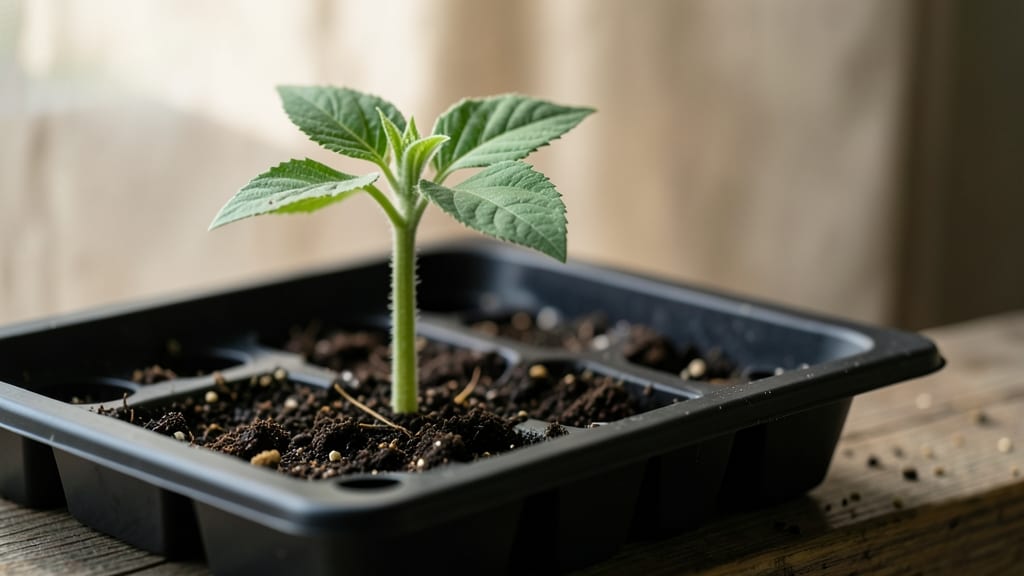
Growing sunflower seeds indoors lets you watch 10-foot giants sprout from tiny seeds—no backyard needed. 🌻 I’ve grown sunflowers in my apartment windowsill, and the secret isn’t complicated: the right light, a sturdy container, and patience.
Most people assume sunflowers need full sun, but with a grow light and proper care, they thrive indoors just as well as outside.
The trick starts with deep containers—at least 12 inches tall—to support their roots, plus a well-draining mix of potting soil and compost. Plant seeds 1 inch deep, two per pot, and keep the soil moist but not soggy.
Within 7-10 days, you’ll see those first green shoots breaking through, and they grow fast once they’re established.
By the time they’re knee-high, you’ll be adjusting your grow light to 14-16 hours a day to prevent leggy stems. The payoff? Sunflowers that reach 6-10 feet tall indoors, with blooms that turn heads—even in a small space.
Just be ready for the mess; sunflowers love to grow, and they’ll need staking or a sturdy pot to keep them upright.
This method works year-round, so you can enjoy sunflowers even in winter. The key differences from outdoor growing? More frequent light checks, careful watering, and a little extra patience for those towering stems. Ready to grow your own indoor sunflower forest?
📚 In This Guide
- What you need
- Instructions
- Tips and common mistakes
- Wrapping up and next steps
What you need
- ● Sunflower seeds: Choose dwarf or medium-sized varieties (e.g., 'Teddy Bear' or 'Moulin Rouge')—they thrive indoors! Buy 3–5 seeds per pot for better germination rates.
- ● Containers: Use pots 6+ inches deep and wide (one per seedling or shared if spaced 4+ inches apart). Ensure they have drainage holes to prevent root rot.
- ● High-quality potting mix: A well-draining, seed-starting mix (avoid garden soil—it’s too dense!). A 5–10 quart bag is ideal for 3–5 seeds.
- ● Grow lights: A full-spectrum LED grow light (12–16 inches above seedlings) or a south-facing windowsill with 6+ hours of indirect light daily.
- ● Watering can or spray bottle: A gentle spray nozzle keeps seeds moist without overwatering.
- ● Plant labels & pencil: Mark pots with seed names/planting dates to track growth.
- ● Heating mat: A seedling heat mat (70–75°F) speeds up germination for slower seeds.
- ● Fertilizer: A balanced, water-soluble fertilizer (e.g., 10-10-10) diluted to half-strength after sprouting.
- ● Support stakes: Tall varieties may need bamboo stakes or tomato cages for stability as they grow.
- ● Humidity dome: A clear plastic cover or mini greenhouse keeps humidity high during germination.
- ● pH test kit: Ensures your soil’s pH is 6.0–7.0 (sunflowers prefer slightly acidic to neutral soil).
Step-by-step guide to growing sunflower seedlings indoors
Here's how to nurture sturdy sunflower seedlings that'll thrive even without direct sunlight.
🌱 Step 1: Prepare Containers and Seed Starting Mix
Use the 4-inch deep containers to give roots room to establish before transplanting. Fill each with 2 gallons of seed starting mix, pressing it down gently to remove air pockets but not compacting it too tightly. I like to work the mix with my fingers until it feels like crumbly cake batter—just loose enough for those delicate roots to push through easily.
Moisten the mix with lukewarm water until it's damp to the touch but not dripping. You'll know it's right when a handful holds together briefly before crumbling apart. I always test this by squeezing a handful—if water beads up on the surface, it's too wet. Too dry? Add a little more water and mix thoroughly. This ensures even moisture without waterlogging the seeds.
🌱 Step 2: Plant Seeds at the Correct Depth
Drop 1-2 seeds per container about ½ inch deep—that's roughly the width of your pinky finger. Sunflower seeds need this depth to avoid drying out too quickly while still having energy to push through the soil. I use my finger to make a small hole, place the seed inside, then cover it lightly with more mix. Press down just enough so the seed stays in place but doesn't get buried too deep.
Label each container immediately with the variety name and planting date—sunflower seedlings look identical until they're a few inches tall, and you'll forget which is which in a week. Place the containers in a warm spot (70-75°F) where they won't be disturbed. A seedling heat mat speeds up germination, but even without one, you'll see sprouts in 7-14 days if conditions are right.
☀️ Step 3: Provide Consistent Light and Airflow
The moment you see the first green shoot, move the containers to a south-facing window or under a grow light for 14-16 hours daily. Sunflowers need bright light to prevent leggy growth—those stretched, pale stems that never recover. I keep my grow light 4-6 inches above the seedlings and raise it as they grow. You'll notice strong seedlings have thick stems and deep green leaves spaced closely together.
Once the first true leaves (not the initial seed leaves) appear, thin to the strongest seedling per container. Use clean scissors to snip the weaker one at soil level—this prevents competition for nutrients. Keep the soil evenly moist but never soggy. Water from the bottom if possible, or mist the surface lightly to avoid disturbing the seedlings. Good airflow prevents damping-off, so I place a small fan on low setting nearby.
🪴 Step 4: Transplant and Harden Off Seedlings
When seedlings reach 6-8 inches tall with 4-6 true leaves, they're ready for larger containers. Gently remove each seedling, keeping the root ball intact, and transfer it to a 1-gallon pot filled with potting mix. Press the soil around the base firmly to eliminate air pockets. Water deeply to help the roots settle into their new home.
Start hardening off 1-2 weeks before your last frost date by placing the seedlings outside in a sheltered spot for 1 hour the first day, gradually increasing to full sun exposure over 7-10 days. Watch for wilting or yellowing leaves—these are signs they're not ready for full sun yet. Once they tolerate outdoor conditions without stress, they're ready for the garden. Plant in well-draining soil with full sun to reach their full towering height.
Tips & tricks for growing sunflower seedlings indoors
Here's what I learned the hard way about growing sunflowers indoors—these tricks will help you avoid common pitfalls and grow plants that reach their full potential.
Soil Texture Matters: The seed starting mix should be loose enough to let those delicate roots spread without resistance. I've found that adding a handful of perlite to the 2 gallons of mix improves drainage while maintaining that perfect crumbly texture. This prevents waterlogging, which can cause seed rot before your sprouts even appear.
Light Positioning Secret: When using a grow light for those critical 14-16 hours daily, position it just 4-6 inches above the seedlings and adjust as they grow. I've seen seedlings stretch toward the light and become leggy when the distance is too great—this is nature's way of reaching for sunlight. Keep the light moving slightly each day to encourage even growth all around.
Germination Temperature Tip: Those 70-75°F conditions are ideal for breaking dormancy, but consistency matters more than exact degrees. If your home runs cooler, place containers on a seedling heat mat or near a warm spot like above the refrigerator. The key is maintaining warmth until you see those first green shoots—then you can move them to cooler conditions.
Thinning Technique: When thinning to the strongest seedling per container, don't just pull—use clean scissors to snip at soil level. This prevents disturbing the remaining seedling's roots. I've learned that the strongest seedling often has the thickest stem at the base, so choose that one even if it's slightly smaller. This gives you the healthiest plant to continue growing.
Pro Tips for Grow Sunflower Seeds Indoors
- Here's what I learned the hard way about growing sunflowers indoors—these tricks will help you avoid common pitfalls and grow plants that reach their full potential.
- Soil Texture Matters: The seed starting mix should be loose enough to let those delicate roots spread without resistance.
- Light Positioning Secret: When using a grow light for those critical 14-16 hours daily, position it just 4-6 inches above the seedlings and adjust as they grow.
Frequently asked questions
Got questions about growing sunflower seeds indoors?
Here are some common ones—and their answers—to help you navigate your indoor gardening journey with confidence!
Can I grow sunflowers indoors without sunlight?
Yes, but you’ll need a grow light (LED or fluorescent) to replace sunlight. Sunflowers thrive on 12–16 hours of light daily. Place the light 6–12 inches above the seedlings and adjust as they grow. Without enough light, they’ll stretch tall and weak—a condition called etiolation.
How long does it take for sunflower seeds to sprout indoors?
Sunflower seeds typically sprout in 7–14 days indoors, depending on warmth and moisture. Keep the soil consistently damp (not soggy) and maintain a cozy temperature of 70–75°F (21–24°C). Patience is key—some varieties (like 'Teddy Bear') germinate faster than giant types.
What if my indoor sunflower looks leggy or weak?
Leggy sunflowers mean they’re stretching for light. To fix it:
- Move the grow light closer (3–6 inches from the top).
- Rotate the pot daily for even growth.
- Consider a smaller variety (like 'Moulin Rouge') if space is tight.
Are there dwarf sunflower varieties better for indoor growing?
Opt for compact or dwarf varieties like:
- 'Teddy Bear' (12–18 inches tall)
- 'Moulin Rouge' (3–4 feet, but bushy)
- 'Sunspot' (2–3 feet, great for containers)
How often should I water indoor sunflower seedlings?
Water when the top inch of soil feels dry—usually every 2–3 days for seedlings. Overwatering causes root rot, while underwatering stunts growth. Use a pot with drainage holes and avoid letting them sit in saucers of water. Once established, reduce frequency slightly.
Why aren’t my sunflower seeds sprouting?
Check these common culprits:
- Cold soil: Keep soil warm (70°F+)—try a seedling heat mat if needed.
- Dampness issues: Too much water = rot; too little = no germination.
- Old seeds: Use seeds less than 1 year old for best results.
- No light: Even before sprouting, seeds need some light to break dormancy.
Wrapping up and next steps
Growing sunflower seeds indoors is a rewarding way to bring a little sunshine into your space—even without direct sunlight! With the right grow lights, nutrient-rich soil, and a dash of patience, you can nurture towering plants that thrive on your windowsill or balcony.
Whether you’re a beginner or a seasoned plant parent, these sunflowers will remind you that great things grow from small seeds—literally! 🌱
Now that you’re armed with the knowledge, why not take the next step? Start with one seedling and watch it bloom—then expand your indoor garden with other sun-loving plants like herbs or succulents. Happy growing! 🌻