
Companion Plants
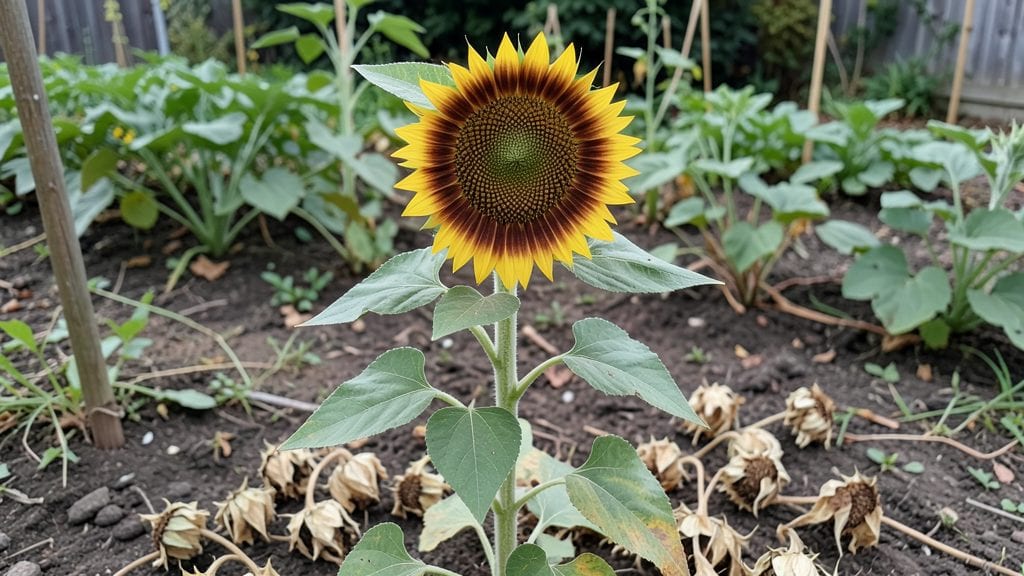
Planting Autumn Beauty sunflowers in late summer gives you a showstopper that thrives when others fade—deep bronze foliage and golden-yellow blooms that attract bees and butterflies well into fall. 🌻 The key isn’t just timing; it’s choosing varieties that handle cooler temps and shorter days better than their summer cousins.
I’ve grown these in my Pacific Northwest garden for three seasons now, and they’ve never disappointed, even when frost nips at the edges.
These sunflowers love full sun but adapt to partial shade better than most varieties, making them perfect for late-season planting. Start seeds indoors 6-8 weeks before your first frost, or direct-sow after your summer heatwave breaks—usually by mid-August in cooler zones.
The secret to their autumn magic? They don’t bolt like spring-planted sunflowers and keep blooming until hard frost, often changing color to a stunning russet as temps drop.
By late September, you’ll have towering stems (4-6 feet tall) buzzing with pollinators that other gardens have already lost. Cut back faded blooms to encourage more flowers, and leave the seed heads for birds if you’re not harvesting seeds.
Even in Zone 5, they’ll survive light frosts, giving you weeks of color when most gardens are brown and done.
For experienced growers, try interplanting with kale or Brussels sprouts—the sunflowers’ height provides shade for cool-season crops. Beginners will love how forgiving they are: water deeply once a week, stake tall varieties if needed, and watch them outshine everything else in your fall garden.
The best part? You’ll have sunflowers when your neighbors are already dreaming of spring.
📚 In This Guide
- What you need
- Instructions
- Tips and common mistakes
- Wrapping up and next steps
What you need
- ● Sunflower Seeds (Autumn Varieties): 50–100 seeds (choose late-blooming varieties like 'Autumn Beauty' or 'Moulin Rouge')
- ● Organic, non-GMO seeds for best pollinator appeal
- ● Well-Draining Soil: 1–2 cubic yards of garden soil mixed with compost (60/40 ratio)
- ● pH 6.0–7.0 (test with a soil kit if unsure)
- ● Watering Supplies: Hose with adjustable nozzle or watering can
- ○ Drip irrigation system (optional but ideal for consistent moisture)
- ● Fertilizer: Balanced organic fertilizer (10-10-10 or compost tea)
- ● Slow-release granules (1 cup per 10 sq ft)
- ○ Support Structures (Optional for Tall Varieties): Sturdy stakes (6–8 ft tall) or trellis for heavy-headed varieties
- ● Hand trowel or transplanting spade
- ● Garden gloves (for protection and grip)
- ● Measuring tape (to space plants 12–18" apart)
- ● Mulch (straw or wood chips, 2–3 inches thick)
- ● Prerequisites: Full sun exposure (6+ hours daily)
- ● Protection from strong winds (Pacific Northwest tip: plant near a windbreak!)
- ● Companion plants: Marigolds, cosmos, or bee balm (10–15 plants per 50 sq ft)
- ● Pollinator-friendly mulch (e.g., cedar chips to deter pests)
- ● Bird feeders or bee baths (to attract extra pollinators!)
- ● Photography gear (for capturing your sunflower autumn beauty masterpiece!)
How to grow 'Autumn Beauty' sunflowers for late-season pollinator support
Here's how to coax these towering beauties to thrive in your Pacific Northwest garden.
🌱 Step 1: Choose the Perfect Planting Spot
'Autumn Beauty' sunflowers need full sun—at least 6-8 hours daily—to reach their full 8-10 foot height. In the Pacific Northwest's cooler climate, they'll appreciate a sheltered location where morning sun warms the soil and afternoon breezes prevent lodging. I always scout for spots with well-draining soil—these sunflowers hate soggy roots.
If your soil feels heavy when squeezed, amend it with 2-3 inches of compost before planting. The goal is loose, crumbly soil that lets roots spread easily. Test your spot by digging a 6-inch hole—if water pools instead of draining within 30 minutes, you'll need to improve drainage with sand or raised beds.
🌱 Step 2: Plant Seeds at the Right Depth and Spacing
Sow 1-2 seeds per hole at a depth of 1 inch, about 18-24 inches apart. The extra space prevents overcrowding, which leads to weak stems and disease. I like to plant in small clusters of 3-4 seeds, then thin to the strongest sprout after germination. This gives you backup plants if some fail.
Wait until after your last frost date—typically mid-May in most of the PNW—to plant. The soil should be at least 55°F for consistent germination. If you're in a cooler microclimate, consider using black plastic mulch to warm the soil faster. Press seeds gently into the soil and cover lightly—don't bury them deeper than 1 inch.
☀️ Step 3: Provide Consistent Water and Nutrients
Water deeply once a week after germination, aiming for 1-1.5 inches of water per week. Let the top 2 inches of soil dry out between waterings—this prevents fungal diseases like powdery mildew. I water at the base in the morning to reduce evaporation and give foliage time to dry before evening.
Feed with a balanced 10-10-10 fertilizer when plants reach 12 inches tall, then again when buds form. The Pacific Northwest's nutrient-poor soils often need this boost. Stop fertilizing once flowers open—too much nitrogen late in the season encourages leafy growth over blooms. Watch for yellowing lower leaves as a sign of over-fertilization.
✂️ Step 4: Support Tall Stems and Encourage Pollinators
As plants grow toward 6 feet tall, they'll need staking or a strong trellis to prevent toppling. I use bamboo stakes tied loosely with soft garden twine—tight ties can girdle stems. Avoid metal stakes that heat up in sun and burn stems. Prune any side shoots that form below the main flower head to direct energy upward.
Once blooms open, you'll see bees, butterflies, and hummingbirds flocking to them—this is why 'Autumn Beauty' is such a pollinator magnet. Leave some seed heads on the plants through winter for birds to enjoy. If you want to harvest seeds, wait until the back of the flower turns yellow and the seed head feels dry to the touch.
🌿 Step 5: Maintain Through Fall and Prepare for Next Year
Sunflowers continue blooming into October in the PNW, so keep watering during dry spells. The later you plant, the shorter the stems will be—this is normal. Cut back stems to 6 inches tall after the first frost to encourage new growth from the base, which may produce smaller but later blooms.
Collect fallen seed heads and store them in a cool, dry place until spring planting. The hardy seeds will germinate well the following year. If you notice black spots on leaves or wilting stems, remove affected plants immediately to prevent spread—this is often powdery mildew, common in humid PNW summers.
Tips & tricks for growing 'Autumn Beauty' sunflowers
Here's what I've learned after growing these sunflowers for years in the PNW—tricks that make all the difference between average plants and showstopping pollinator magnets.
Location Matters: The 6-8 hours of daily sun is non-negotiable, but I've found that positioning your sunflowers slightly east of south in your garden captures that morning warmth without afternoon heat stress. In coastal areas, a south-facing wall can add crucial heat to extend the growing season. Also, avoid planting near large trees—their roots compete aggressively for water and nutrients.
Soil Prep Secret: Before amending with compost, I always do a quick soil test by digging a 6-inch hole and filling it with water. If it drains completely within 30 minutes, you're good to go. If not, mix in 2-3 inches of coarse sand or perlite along with your compost. The goal is soil that crumbles like cake crumbs—not clay that sticks to your shovel. I've seen soggy soil turn these sunflowers into wilted messes.
Watering Wisdom: That 1-1.5 inches of water per week is perfect, but timing is everything. I water at dawn when temperatures are coolest—this reduces evaporation and prevents fungal spores from thriving. Never water the leaves themselves; always direct the stream to the base. I've noticed that morning watering also encourages deeper root growth, which helps these tall beauties stay upright in Pacific Northwest winds.
Fertilizer Timing: The two feedings with 10-10-10 fertilizer are crucial, but I've learned that the second feeding at bud formation should be lighter—about half strength—to avoid encouraging excessive leaf growth at the expense of flowers. Watch for those yellowing lower leaves as a warning sign; it's your plant's way of saying "I've had enough nitrogen!" Stop fertilizing completely once blooms open to let the plant focus on seed production and pollinator support.
Pro Tips for Sunflower Autumn Beauty
- Here's what I've learned after growing these sunflowers for years in the PNW—tricks that make all the difference between average plants and showstopping pollinator magnets.
- Location Matters: The 6-8 hours of daily sun is non-negotiable, but I've found that positioning your sunflowers slightly east of south in your garden captures that morning warmth without afternoon heat stress.
- Soil Prep Secret: Before amending with compost, I always do a quick soil test by digging a 6-inch hole and filling it with water.
Frequently asked questions
Got questions about keeping your sunflowers stunning through autumn in the Pacific Northwest?
Here are some of the most common queries—and answers—to help you nurture those golden beauties until the first frost!
When is the best time to plant sunflowers for autumn beauty?
For the Pacific Northwest’s cooler climate, aim to plant sunflower seeds in late May to early June. This gives them time to mature before fall’s chill sets in. If you’re in a warmer microclimate (like near the coast), you can extend planting to mid-June.
Why aren’t my sunflowers attracting pollinators in autumn?
Sunflowers are late-season pollinator magnets, but if bees or butterflies skip them, check for dry soil or overly mature blooms. Water deeply but let soil dry slightly between waterings, and deadhead spent flowers to encourage new blooms. Planting companion herbs like dill or fennel nearby can also draw in pollinators!
Can sunflowers survive the PNW’s rainy autumn?
Most sunflower varieties tolerate light rain, but heavy downpours or wind can damage stems. Stake taller varieties (like ‘Moulin Rouge’) early, and choose dwarf or semi-dwarf types (e.g., ‘Teddy Bear’) for windier areas. Elevate seeds slightly in well-draining soil to prevent rot.
What’s a great sunflower alternative for autumn color?
If sunflowers struggle in your zone, try goldenrod (native and bee-friendly!) or black-eyed Susans. For height, ‘Autumn Beauty’ coneflowers or globe thistles (with their spiky, sunflower-like blooms) are stunning late-season picks. All thrive in PNW conditions!
How do I extend sunflower blooms past the first frost?
Sunflowers are frost-sensitive, but you can trick autumn into lasting longer! Deadhead regularly to prompt new flowers, and mulch the base with straw to insulate roots. Choose ‘Autumn Beauty’ or ‘Russian Giant’ varieties—they often rebloom if given care. Just be ready to harvest seeds before hard frosts hit!
Still stumped? Drop your question in the comments—we’ve got more tips to keep your garden glowing!
Wrapping up and next steps
Embrace the golden charm of sunflower autumn beauty as a late-season lifeline for pollinators in the Pacific Northwest! 🌻 These vibrant blooms not only add warmth to your garden but also support bees, butterflies, and hummingbirds when other flowers fade.
Whether you're a seasoned gardener or just starting, their resilience and ease of care make them a perfect addition to any companion planting strategy.
Ready to plant the seeds of change? Start small—try a few sunflowers in a sunny spot this fall and watch your garden transform into a buzzing, beautiful haven. Happy gardening! 🌿