
Planting
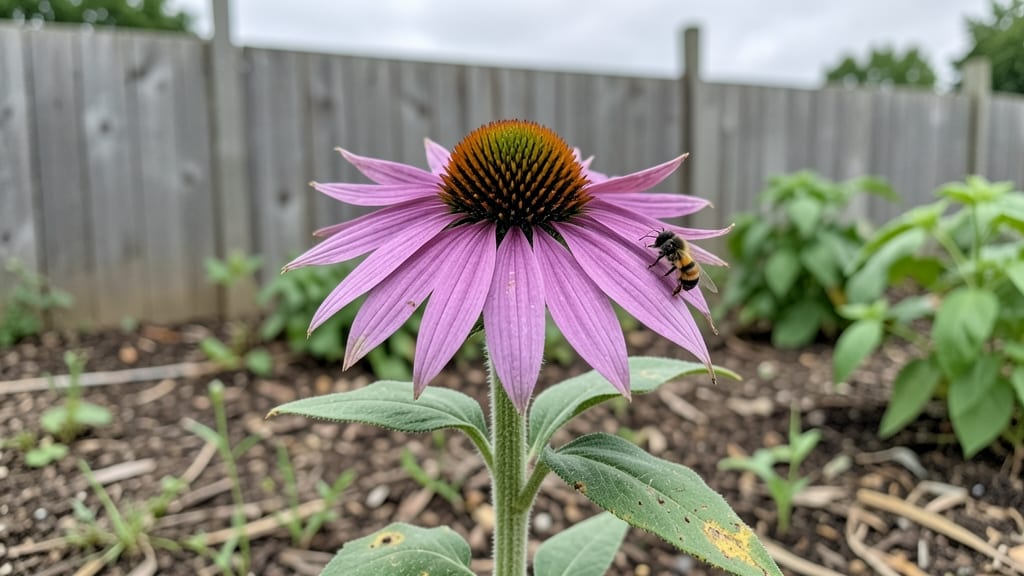
The purple coneflower thrives in the Pacific Northwest's wet climate better than any other pollinator plant I've tried. 🌿 Its deep roots handle soggy winters while still attracting bees and butterflies when most gardens are dormant.
The key lies in matching its natural habitat—moist but well-drained soil and full sun—while giving it space to spread its striking purple blooms.
You'll need just three things to get started: a sunny spot (at least 6 hours of sunlight daily), loose soil amended with compost, and patience—these plants establish slowly but reward you for years.
My first batch took two seasons to really fill out, but now they're the toughest, most reliable bloomers in my garden, even after heavy rains.
By late summer, you'll have a cloud of butterflies and hummingbirds hovering over your plants, their petals turning from purple to rust as they age. The dried seed heads add winter interest too, and deer tend to leave them alone—unlike many other perennials.
This is a plant that keeps giving, with minimal fuss.
Works beautifully in borders, meadow-style plantings, or even as a focal point in containers. Once established, they need almost no care beyond occasional deadheading to encourage more blooms. Let's get yours planted for next year's pollinator parade!
📚 In This Guide
- What you need
- Instructions
- Tips and common mistakes
- Wrapping up and next steps
What you need
- ● Purple cone flower seeds or nursery-grown plants: Seeds: 20–50 seeds (for scattered planting) or 1–2 packets (for small gardens). Opt for heirloom or organic seeds for best results.
- ● Transplants: 3–5 mature plants (spaced 12–18 inches apart) for a full bloom.
- ● Well-draining soil: Mix equal parts garden soil, compost, and sand (or use pre-mixed native plant soil for PNW conditions).
- ○ Organic fertilizer (optional but recommended): Balanced 10-10-10 or compost tea to boost growth.
- ● Bone meal (1 tbsp per plant) for root development (apply at planting).
- ● Garden trowel or transplant spade (for digging holes).
- ● Gloves (to protect hands from thorns and soil).
- ● Watering can or hose with a gentle spray nozzle (cone flowers hate soggy roots!).
- ○ Mulch (optional but helpful): 2–3 inches of wood chips, straw, or pine needles to retain moisture and deter weeds.
- ○ Stakes or plant labels (optional): Useful for marking rows or supporting tall varieties.
- ● Sunlight: A full-sun spot (6+ hours/day)—PNW shade won’t cut it!
- ● Water access: Drought-tolerant once established, but keep soil moist (not waterlogged) for the first 2–3 weeks.
- ● Patience: Seeds take 60–90 days to sprout; transplants bloom in 60–70 days.
Step-by-Step instructions for planting purple coneflowers in the Pacific Northwest
Here's how to get these hardy pollinator magnets thriving in your yard.
🌱 Step 1: Choose the Perfect Planting Spot
Purple coneflowers love full sun but will tolerate partial shade—just expect fewer blooms. In the Pacific Northwest's cooler climate, aim for a location with at least 6 hours of direct sunlight daily. I always check for afternoon sun exposure first, as morning light alone won't cut it.
Well-draining soil is critical—these plants hate soggy roots. If your yard has heavy clay, amend the area with 2-3 inches of compost mixed into the top 6 inches of soil. You'll know you've got it right when the soil crumbles easily between your fingers when lightly squeezed.
🌿 Step 2: Prepare the Soil and Plant
Dig holes twice as wide as the plant's root ball but only as deep as the container's base. Gently remove the plant from its container and loosen any circling roots with your fingers—this encourages outward growth. I always give the roots a quick shake to remove excess soil before planting.
Place each plant in its hole so the top of the root ball sits 1 inch below soil level. This prevents stem rot while keeping the plant stable. Backfill with native soil mixed with a handful of compost, then water deeply to settle everything. You'll see the soil settle about ½ inch—this is normal and means you've got good root contact.
☀️ Step 3: Water and Mulch for First-Year Establishment
Water newly planted coneflowers deeply once a week during the first growing season. In the Pacific Northwest's moist climate, you won't need to water often, but check the soil 2 inches below the surface—if it feels dry, it's time to water. Overwatering is more dangerous than underwatering for these tough plants.
Apply 2-3 inches of mulch around each plant, keeping it 2 inches away from the stem to prevent rot. I use shredded bark mulch because it breaks down slowly and improves soil structure over time. This mulch layer also helps regulate soil temperature, which is especially helpful during our unpredictable PNW summers.
✂️ Step 4: Prune and Maintain for Continuous Blooms
Deadhead spent blooms in early summer to encourage more flowers, but leave some seed heads for winter interest and bird food. I always prune with clean, sharp shears and make cuts just above a set of healthy leaves. This prevents disease from entering through jagged cuts.
Cut back the entire plant to 6 inches tall in late fall or early winter. This tidies up the garden and prevents flopping stems. The plants will regrow vigorously in spring, often flowering even in their first year. You'll notice new growth emerging from the base within 2-3 weeks of pruning.
Tips & tricks for perfect purple coneflower planting
Here's the thing about purple coneflowers—they're tough, but these little details make all the difference for that first-year success.
Sunlight Strategy: In Step 1, when you're checking for that 6 hours of direct sunlight, focus on afternoon sun exposure—this is what really makes a difference in the Pacific Northwest's cooler climate. Morning sun alone won't cut it, especially if you're planting in areas with frequent cloud cover. I've seen plants in morning-only spots struggle to bloom, even with perfect soil.
Soil Prep Secret: For Step 1's soil amendment, don't just eyeball that 2-3 inches of compost—actually measure it. Mix it into the top 6 inches of soil and test the texture. It should crumble like a moist sponge between your fingers. If it feels gummy, you need more compost or better drainage. This is the foundation for preventing those dreaded soggy roots.
Planting Depth: When you're placing your plant in Step 2, that 1 inch below soil level is critical for preventing stem rot. I've learned this the hard way—burying too deep can suffocate the plant, while planting too high makes it unstable. After backfilling, the soil will settle about ½ inch, which is normal and shows good root contact.
Mulch Placement: In Step 3, when you're applying that 2-3 inches of mulch, keep it 2 inches away from the stem to prevent rot. I use shredded bark mulch because it breaks down slowly and improves soil structure over time. This is especially helpful during our unpredictable PNW summers when temperatures can swing dramatically.
Pro Tips for Purple Cone Flower Plant
- Here's the thing about purple coneflowers—they're tough, but these little details make all the difference for that first-year success.
- Sunlight Strategy: In Step 1, when you're checking for that 6 hours of direct sunlight, focus on afternoon sun exposure—this is what really makes a difference in the Pacific Northwest's cooler climate.
- Soil Prep Secret: For Step 1's soil amendment, don't just eyeball that 2-3 inches of compost—actually measure it.
Frequently asked questions
Got questions about growing purple cone flowers in the Pacific Northwest? You’re not alone! Here are some of the most common queries—and their answers—to help you cultivate this resilient pollinator powerhouse with confidence.
When is the best time to plant purple cone flowers in the PNW?
For Echinacea purpurea, aim to plant in early spring (March–April) or early fall (September–October). This gives roots time to establish before summer heat or winter frost. If planting in containers, you can also start them indoors 6–8 weeks before the last frost.
Why aren’t bees visiting my purple cone flower?
If pollinators seem scarce, check these fixes:
- Timing: Cone flowers bloom June–September—peak bee activity aligns with late summer.
- Water stress: Drought can reduce nectar; water deeply 1–2x/week if rainfall is low.
- Pesticides: Avoid chemicals—bees need pesticide-free zones to thrive.
- Deadheading: Remove spent blooms to encourage new flowers and extended season.
Can purple cone flowers survive PNW winters?
These hardy perennials tolerate USDA Zones 3–9, making them perfect for the PNW’s wet, cool winters. Mulch with 3–4 inches of shredded bark or leaves in late fall to protect roots. In Zone 8–9, they may even rebloom in mild winters.
What’s a good alternative if I want a similar look but lower maintenance?
Try these low-fuss, pollinator-friendly swaps:
- Black-eyed Susan (Rudbeckia) – Drought-tolerant and long-blooming.
- Blanket flower (Gaillardia) – Thrives in poor soil and blooms all summer.
- Russian sage (Perovskia) – Drought-resistant with purple spikes (but not a cone shape).
My purple cone flower leaves are turning yellow—what’s wrong?
Yellowing leaves usually signal one of these issues:
- Overwatering: Cone flowers hate soggy roots. Ensure well-draining soil and water only when the top 1–2 inches are dry.
- Nutrient deficiency: Amend soil with compost or a balanced fertilizer (10-10-10) in early spring.
- Fungal issues: If yellowing is spotted or mushy, improve airflow and avoid wetting foliage.
Wrapping up and next steps
The purple cone flower (Echinacea) isn’t just a beauty—it’s a powerhouse for pollinators and low-maintenance gardening in the Pacific Northwest. With its hardy nature, vibrant blooms, and ability to thrive in tough conditions, it’s the perfect addition to any garden.
Whether you’re a seasoned gardener or just starting, this plant promises years of color and ecological benefits with minimal effort.
Ready to transform your space? Grab your seeds or seedlings, pick a sunny spot, and let nature do the rest! 🌿🐝 Your next step: Plant one (or ten!) this season and watch your garden buzz with life!