
Flowers
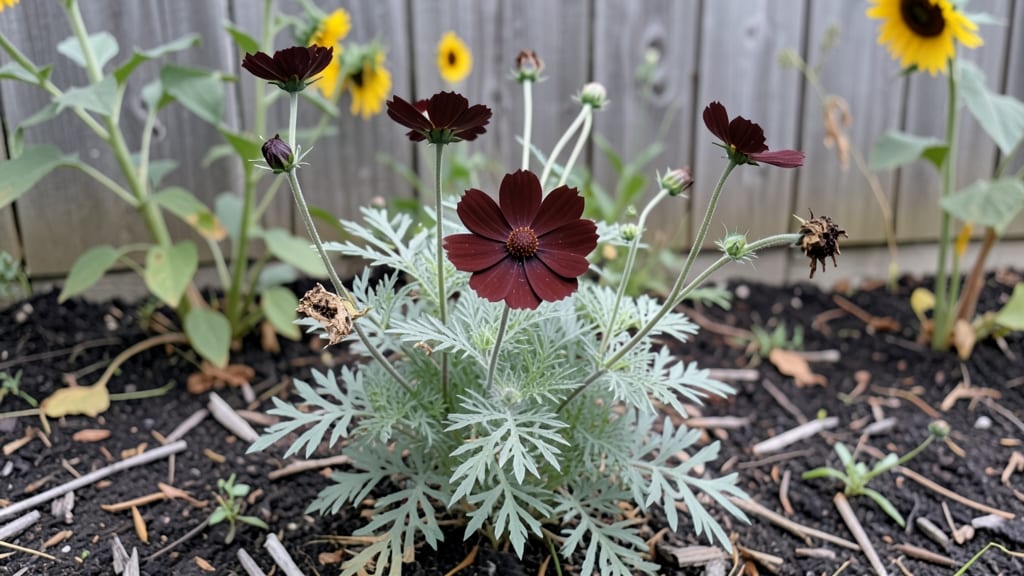
That deep, velvety chocolate bloom is what makes Cosmos atrosanguineus the Pacific Northwest’s most dramatic pollinator magnet. 🌿 I fell for it the first time I saw its rich, velvety petals in my friend’s Seattle garden—it’s the only flower that looks like it was dipped in cocoa.
Unlike its bright orange cousins, this one thrives in cool summers and even blooms sporadically through winter with protection.
The secret to growing it successfully is mimicking its natural habitat: well-draining soil with a touch of grit (think 20% perlite or coarse sand) and a spot with morning sun and afternoon shade.
It’s surprisingly low-maintenance once established—water deeply once a week in summer, then let the soil dry between waterings. The key? Never soggy roots, or those chocolate blooms turn to mush.
By midsummer, you’ll have a cloud of dark blooms drawing hummingbirds and bees like a magnet. The plants grow 3-4 feet tall with a bushy habit, so give them 18-24 inches of space.
Prune spent blooms to encourage more flowers, and cut back by half in early spring to keep it compact. Even in rainy PNW winters, a thick mulch layer keeps the roots cozy.
This isn’t just a pretty face—it’s a workhorse. The dark flowers attract pollinators that other cosmos varieties miss, and the seed heads add winter interest. Perfect for cutting gardens, pollinator patches, or as a dramatic focal point in shade gardens. Let’s get yours thriving!
📚 In This Guide
- What you need
- Instructions
- Tips and common mistakes
- Wrapping up and next steps
What you need
- ● Seeds: Cosmos bipinnatus (Chocolate Cosmos) – 10-20 seeds (varies by desired coverage). Choose organic or heirloom seeds for best results.
- ● Potting Mix: Well-draining, organic potting soil (10-20 lbs, depending on container size). Mix in 10-20% perlite or vermiculite for aeration.
- ● Containers or Garden Bed: Containers: 6+ inch pots (3-5 plants per container) with drainage holes.
- ● Garden Bed: Full sun (6+ hours/day) with loose, fertile soil. Amend with 2-3 inches of compost before planting.
- ● Fertilizer: Balanced organic fertilizer (5-5-5 or 10-10-10 NPK ratio). Use sparingly—cosmos thrive in lean soil!
- ● Basic Gardening Tools: Trowel or hand shovel
- ● Pruning shears (for deadheading)
- ● Watering can or hose with gentle spray nozzle
- ○ Optional (But Helpful!): Seed starter trays (if germinating indoors)
- ● Mulch (straw or shredded bark) to retain moisture
- ● Pollinator-friendly companions: Lavender, bee balm, or yarrow (plant 1-2 feet away)
- ● Stakes or cages (for taller varieties, 12+ inches)
- ● Climate Notes: Chocolate cosmos are hardy to USDA Zones 2-11. In cooler PNW regions, start seeds indoors 6-8 weeks before last frost or direct-sow after soil warms to 50°F+.
How to grow chocolate cosmos flowers like a Pacific Northwest pro
Here's my foolproof method for coaxing these velvety blooms to thrive in your garden.
🌱 Step 1: Choose the Perfect Planting Spot
Chocolate cosmos adores partial shade—think 4-6 hours of morning sun followed by afternoon shade, especially in hotter summer months. In the Pacific Northwest, I plant mine where they get dappled sunlight through deciduous trees or along the north side of buildings. The soil should drain well; these beauties hate soggy roots.
Here's the thing—if your yard is like most PNW gardens, you'll have clay-heavy soil. Amend it with 2-3 inches of compost before planting. Mix it in until the soil looks dark and crumbly. You'll know it's right when a handful squeezed together holds shape but breaks apart easily.
🪴 Step 2: Plant at the Right Time and Depth
Start seeds indoors 8-10 weeks before your last frost date (around March for most of the PNW). Use small pots filled with seed-starting mix—these plants dislike being transplanted, so I always direct sow after danger of frost has passed. Plant seeds ¼ inch deep in well-drained soil.
When transplanting outdoors, space plants 18-24 inches apart—they spread more than you'd expect. Dig a hole twice as wide as the root ball but no deeper. Set the plant so the top of the root ball sits level with the surrounding soil. Water deeply right after planting to settle the soil around roots.
☀️ Step 3: Water and Feed for Continuous Blooms
Water deeply once a week during the first growing season, aiming for 1 inch of water per week. You'll know you've got it right when the top 2 inches of soil feel dry to the touch. Chocolate cosmos are drought-tolerant once established, but they'll reward you with more blooms if you keep them consistently moist.
Feed with a balanced 10-10-10 fertilizer every 4-6 weeks during the growing season. I mix it into the top inch of soil after watering to avoid burning the roots. You'll see new growth within a week—that's your signal everything is working. Deadhead spent blooms regularly to encourage more flowers.
✂️ Step 4: Prune and Protect for Year-Round Beauty
Cut back plants by one-third after the first flush of blooms in early summer. This encourages bushier growth and more flowers. Use clean, sharp pruners to make cuts just above a set of leaves. You'll notice new shoots emerging within 10-14 days—that's your plant's way of saying "thank you."
In winter, cut back plants to 6 inches tall and cover with 2-3 inches of mulch. This protects the roots from freezing temperatures while allowing the plant to peek through in milder PNW winters. I've seen chocolate cosmos bloom in December with just a little winter sun.
🌿 Step 5: Extend the Season with Simple Tricks
To get flowers earlier in spring, start seeds indoors under grow lights in early February. Keep the soil temperature at 65-75°F for best germination. You'll see sprouts in 7-14 days—that's when the real fun begins.
For fall blooms, avoid heavy pruning after September. Let the plant focus on root growth rather than new shoots. In coastal areas, you might even get a second flush of flowers in late fall. The key is watching your plant and adjusting care based on what you see.
Tips & tricks for perfect chocolate cosmos flowers
These little-known PNW gardening secrets will help your chocolate cosmos thrive all year long.
Soil Prep Secret: The 2-3 inches of compost I mentioned isn't just about nutrients—it's about transforming that heavy PNW clay. I like to add a handful of perlite to the mix too (about 10% by volume) to improve drainage. This prevents waterlogging while keeping moisture where the roots need it. The plants will reward you with stronger stems and more abundant blooms.
Timing Tip for Transplanting: When you're ready to transplant those 8-10 week old seedlings, do it on a cloudy day or in the late afternoon. This gives the plants time to settle in before they face direct sunlight. I've found that seedlings transplanted in morning sun often get sunburned before they can establish their roots properly.
Watering Wisdom: That 1 inch of water per week guideline works perfectly for most PNW summers, but here's what I've noticed: In coastal areas, you might need to water slightly more frequently—every 5-6 days—because of higher humidity. Conversely, in hotter inland valleys, you may need to water every 4 days. Always check that top 2 inches of soil—it's the most reliable indicator.
Pruning Pro Tip: When you're cutting back those plants by one-third after the first flush, don't just grab your pruners and hack away. Look for the healthiest stems first—they'll bounce back fastest. I also like to leave some lower leaves on the stems to help protect against any late-season frosts that might sneak in. Those new shoots you'll see in 10-14 days? That's your plant's way of telling you it's happy with the treatment.
Pro Tips for Chocolate Cosmos Flower
- These little-known PNW gardening secrets will help your chocolate cosmos thrive all year long.
- Soil Prep Secret: The 2-3 inches of compost I mentioned isn't just about nutrients—it's about transforming that heavy PNW clay.
- Timing Tip for Transplanting: When you're ready to transplant those 8-10 week old seedlings, do it on a cloudy day or in the late afternoon.
Frequently asked questions
Got questions about the chocolate cosmos flower? You’re not alone! This stunning Pacific Northwest native is full of surprises—from its unique blooms to its pollinator superpowers. Here are answers to the most common queries to help you grow and enjoy this beauty like a pro.
Can I grow chocolate cosmos flowers in containers or just in the ground?
The good news is, yes! Chocolate cosmos thrives in containers as long as you use well-draining soil and a pot at least 12 inches deep. Just ensure it gets plenty of sunlight (6+ hours daily) and water regularly during dry spells. Containers are perfect for balconies or patios—ideal for urban gardeners!
How long does it take for chocolate cosmos to bloom after planting?
Patience pays off! If you start seeds indoors, expect blooms in 8–12 weeks. Direct-sown seeds may take a bit longer (10–14 weeks) but often reward you with flowers all year round in mild climates like the PNW. Deadhead spent blooms to encourage nonstop color!
Why aren’t bees or butterflies visiting my chocolate cosmos?
If pollinators are scarce, check these fixes:
- Timing: Plant in early spring or late summer for peak activity.
- Location: Ensure it’s in full sun (they love warmth!).
- Water: Lightly water in dry spells to keep blooms fresh.
- Neighbors: Add other pollinator-friendly plants (like lavender or yarrow) nearby.
What’s the difference between chocolate cosmos and regular cosmos?
While both are drought-tolerant and easy to grow, chocolate cosmos (Cosmos atrosanguineus) stands out with its deep maroon, velvety blooms and year-round flowering in the PNW. Regular cosmos (like Cosmos bipinnatus) have white or pink flowers and often go dormant in winter. Plus, chocolate cosmos has a rich cocoa scent—hence the name!
Can I propagate chocolate cosmos from cuttings or do I need to buy new plants?
You’re in luck! Chocolate cosmos spreads easily via self-seeding—just let spent blooms drop seeds, and you’ll have volunteers popping up next year. For faster results, divide mature clumps in early spring. Cuttings work too, but they’re trickier; focus on root division for best success.
Do chocolate cosmos survive winter in the Pacific Northwest?
This hardy plant handles PNW winters like a champ, especially in USDA Zones 7–10. In colder microclimates, mulch the base with straw or leaves to protect roots. Come spring, you’ll be rewarded with bold, early blooms—a pollinator’s dream!
Wrapping up and next steps
The chocolate cosmos flower isn’t just a stunning addition to your garden—it’s a year-round pollinator powerhouse that thrives in the Pacific Northwest’s climate. With its rich, velvety blooms and low-maintenance charm, it’s the perfect way to support local ecosystems while adding bold beauty to your outdoor space.
Whether you’re a seasoned gardener or just starting, this flower proves that impactful gardening can be effortless!
Ready to plant your own pollinator paradise? Grab your seeds, pick a sunny spot, and let nature do the rest—your bees, butterflies, and future garden will thank you! 🌸🐝