
Shrubs
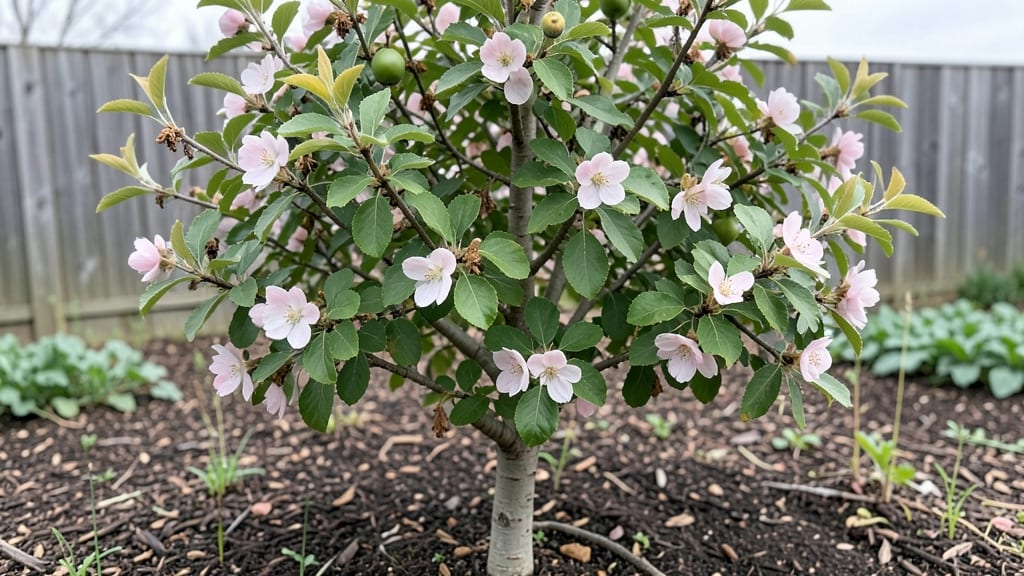
The Malus Hopa flowering crabapple thrives where others freeze—its vibrant blooms and glossy foliage make it the Pacific Northwest's secret weapon for year-round interest. 🌸 I planted mine last spring, and by summer, bees were buzzing nonstop around its pink flowers, while the glossy leaves shimmered even in drizzle.
This isn't just another pretty shrub; it's a pollinator powerhouse that handles frost like a champ.
You'll need a spot with full sun to partial shade—it tolerates both—though more light means more blooms. Well-draining soil is key; Hopa hates soggy roots, so amend heavy clay with compost if needed. Water deeply once established, but don't overdo it—this tough tree stores moisture better than most.
The real magic happens in late winter when clusters of fragrant pink blossoms burst open, long before spring officially arrives.
Prune in late winter or early spring to shape it and remove dead wood, but avoid heavy cuts—this tree loves its structure. By midsummer, you'll have tiny red crabapples (edible but tart) that birds adore, and those glossy leaves turn a stunning golden-yellow in fall.
Even winter brings interest with its peeling bark and persistent branches.
Pests are rarely an issue, though aphids might visit—just spray with water or introduce ladybugs. Diseases? Almost none. This is the kind of plant that grows, thrives, and rewards you with minimal fuss. Ready to add a four-season star to your yard?
📚 In This Guide
- What you need
- Instructions
- Tips and common mistakes
- Wrapping up and next steps
What you need
- ● 1–2 Malus hopa flowering crabapple trees (bare-root or container-grown, 1–3 gallons in size for best establishment).
- ● Well-draining soil mix (native loam or amended with compost for optimal root health).
- ● Organic mulch (3–4 inches) (cedar chips, wood shavings, or straw to retain moisture and suppress weeds).
- ● Watering can or hose with a gentle spray nozzle (for post-planting hydration).
- ● Garden gloves (to protect hands during planting and pruning).
- ● Shovel and trowel (for digging holes and transplanting).
- ● Pruning shears (sterilized, for shaping and deadheading).
- ● Soil pH test kit (to ensure acidic-to-neutral soil, ideal for crabapples).
- ● Slow-release fertilizer (10-10-10 or balanced formula) for spring feeding.
- ● Tree stake and ties (if planting in windy areas).
- ● Drip irrigation system (for consistent moisture during dry spells).
- ● Frost cloth (for young trees in late frosts).
- ● Native pollinator-friendly companion plants (e.g., lavender, bee balm, or salvia).
Step-by-Step guide to planting and caring for Malus 'Hopa' flowering crabapple
Here's how to establish your Pacific Northwest pollinator haven with minimal fuss.
🌱 Step 1: Choose and Prepare the Perfect Planting Site
Select a location with full sun to partial shade—at least 6 hours of sunlight daily. 'Hopa' thrives in the Pacific Northwest's climate, tolerating USDA Zones 5-8, but avoid low spots where cold air pools. The tree's shallow roots need well-draining soil, so amend heavy clay with 2-3 inches of organic compost before planting.
Dig a hole twice as wide as the root ball but no deeper. This encourages roots to spread horizontally rather than settling into a confined space. Gently loosen any circling roots with your fingers—'Hopa' grows best when roots can establish freely. Here's the thing: if your soil feels compacted when squeezed, mix in some sand or perlite to improve drainage.
🪴 Step 2: Plant at the Right Depth and Water Thoroughly
Position the tree so the top of the root ball sits 1-2 inches above ground level. Fill the hole with native soil, tamping lightly as you go to remove air pockets. The graft union (visible bump near the base) should remain above soil—burying it invites disease. Water immediately after planting to settle the soil around roots.
Give the tree 10-15 gallons of water right after planting, then mulch with 2-3 inches of wood chips in a 3-foot diameter circle. Keep mulch 6 inches away from the trunk to prevent rot. You'll know you've done it right when the soil looks evenly moist to a depth of 6 inches—stick your finger in to check.
☀️ Step 3: Provide Seasonal Care for Year-Round Health
Water deeply once a week during the first growing season, increasing to twice weekly during drought or extreme heat. Mature 'Hopa' trees are drought-tolerant but produce better blooms with consistent moisture. You'll see new growth when leaves unfurl in spring—this is your signal the tree is establishing roots.
Fertilize lightly in early spring with ½ cup of 10-10-10 granular fertilizer, working it into the top 2 inches of soil. Avoid high-nitrogen fertilizers—they promote leafy growth at the expense of flowers. Prune in late winter or early spring to remove dead wood and shape the tree, cutting just above outward-facing buds. Real talk: 'Hopa' rarely needs heavy pruning, but removing crossing branches prevents disease.
✂️ Step 4: Protect and Maintain for Long-Term Beauty
Watch for apple scab or fire blight—common in Pacific Northwest crabapples. Remove infected branches immediately, cutting 6 inches below the lesion to prevent spread. A copper fungicide spray in early spring provides preventive protection. The tree's glossy leaves will stay vibrant if you address issues early—yellowing indicates either overwatering or nutrient deficiency.
Enjoy the show! 'Hopa' blooms in late spring with pink flowers that attract pollinators, followed by ½-inch red fruit that birds adore. In fall, the foliage turns deep purple-red, adding seasonal interest. Here's the moment that matters: when the first buds swell in early spring, you'll know your tree is thriving.
Tips & tricks for perfect Malus 'Hopa' flowering crabapple planting
Here’s what I wish I’d known before planting my first 'Hopa'—these little details make all the difference for a thriving tree.
Site Selection Secret: While 'Hopa' handles partial shade, aim for the sunniest spot you can find. The tree’s stunning fall foliage and abundant blooms develop best with those 6 hours of sunlight daily. I planted mine near a south-facing window, and the difference in flower production compared to a shadier spot was dramatic. Pro tip: Avoid areas where cold air settles—like the bottom of slopes—even though 'Hopa' is frost-resistant, it still needs good airflow.
Root Ball Prep: When you’re loosening circling roots in Step 1, don’t just pull them apart—gently tease them outward with your fingers. This mimics how roots naturally spread in the wild. I’ve seen people cut roots, thinking it helps, but that actually stresses the tree. The goal is to encourage horizontal growth, not damage the root structure. After planting, give the roots a head start by watering deeply before applying mulch—this helps settle the soil around them.
Watering Wisdom: That 10-15 gallons of water in Step 2 isn’t just a suggestion—it’s critical. Pour it slowly to let the soil absorb it fully. I learned this the hard way when my first tree wilted because I rushed the watering. For the first week, check soil moisture daily by sticking your finger 6 inches deep—if it’s dry, water again. Overwatering is just as bad as underwatering, so let the top inch dry out between waterings once established.
Mulch Magic: Keep that 2-3 inches of wood chips mulch ring neat and 6 inches away from the trunk—this prevents rot and pests. I’ve seen people pile mulch right against the trunk, thinking it helps, but it actually traps moisture and invites disease. Refresh the mulch every spring, and avoid using dyed mulch, which can harm the tree’s roots. The mulch also helps regulate soil temperature, which is especially helpful in our Pacific Northwest’s cool, wet winters.
Pro Tips for Malus Hopa Flowering Crabapple
- Here’s what I wish I’d known before planting my first 'Hopa'—these little details make all the difference for a thriving tree.
- Site Selection Secret: While 'Hopa' handles partial shade, aim for the sunniest spot you can find.
- Root Ball Prep: When you’re loosening circling roots in Step 1, don’t just pull them apart—gently tease them outward with your fingers.
Frequently asked questions
Got questions about the Malus hopa flowering crabapple? You’re not alone!
Here are answers to common queries to help you grow this stunning, frost-tolerant beauty with confidence.
How cold can Malus hopa tolerate?
Malus hopa thrives in USDA Zones 4–8, making it perfect for the Pacific Northwest’s chilly winters. It handles temperatures down to -30°F (-34°C) once established. Young trees may need winter protection (like burlap wraps) in extreme cold snaps.
When does Malus hopa bloom, and how long do the flowers last?
This crabapple bursts into pink-white blooms in early spring (March–April), often before leaves emerge. Flowers last 2–3 weeks, followed by small, decorative fruit that persists into fall—adding year-round interest!
Does Malus hopa need full sun, or can it grow in partial shade?
While it prefers full sun (6+ hours/day) for best flowering, Malus hopa tolerates partial shade (4–6 hours). In shadier spots, expect slightly fewer blooms but healthier foliage. Avoid deep shade—it can lead to leggy growth.
Why aren’t my Malus hopa flowers attracting pollinators?
Check these fixes:
- Timing: Ensure it’s blooming (early spring). Pollinators like bees and butterflies are active then!
- Pesticides: Avoid harsh chemicals—stick to neem oil or insecticidal soap if pests are present.
- Water: Light drought stress can reduce flower scent. Keep soil evenly moist during blooming.
- Location: Plant near native wildflowers to create a pollinator buffet.
What’s a good alternative if Malus hopa is too large for my space?
Consider these compact crabapple varieties:
Variety
Height
Bloom Time
Malus ‘Centennial’
12–15 ft
Early spring
Malus ‘Adirondack’
10–12 ft
Late spring
Malus ‘Sargent’
15–20 ft (but columnar forms exist!)
Early spring
All three are frost-hardy and pollinator-friendly!
Wrapping up and next steps
The Malus Hopa flowering crabapple is a standout choice for Pacific Northwest gardeners, blending stunning spring blooms, year-round interest, and resilience against frost and pests. 🌸 Its ability to attract pollinators while thriving in diverse climates makes it a must-have for eco-friendly landscapes.
Ready to transform your yard? Start by selecting a sunny spot, gathering your tools, and planting this pollinator powerhouse—your garden (and local bees!) will thank you.