
Succulent
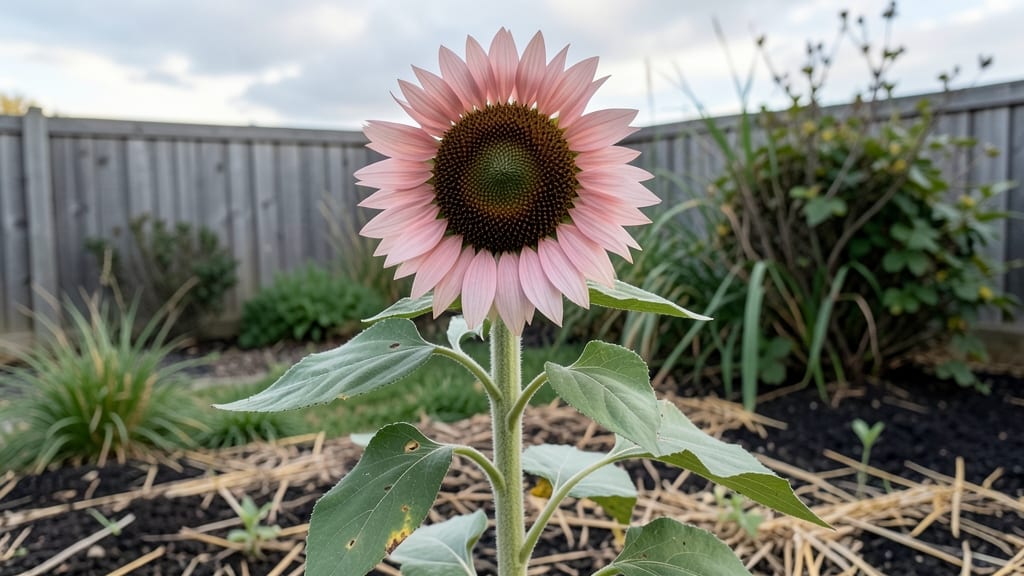
The Pink Teddy Bear Sunflower brings a playful twist to any garden—its velvety petals and towering stems turn ordinary spaces into whimsical displays. 🌻 I fell for these sunflowers the first time I saw them in a cottage garden, where they stood like living teddy bears against a backdrop of lavender and catmint.
Their soft pink hue softens hard edges while adding height and drama, making them perfect for cutting gardens or as standalone statement plants.
These sunflowers thrive in full sun and well-drained soil, reaching heights of 5-6 feet with blooms that last from midsummer through fall. Pair them with purple coneflowers or salvia for a color contrast that pops, or tuck them into containers with trailing nasturtiums for a vertical garden showstopper.
Their cheerful blooms also attract pollinators, turning your garden into a buzzing, blooming paradise.
You’ll love how they brighten up patios, borders, or even urban balconies—just plant them where they’ll get at least 6 hours of sunlight daily. The blooms dry beautifully too, so you can bring their charm indoors as dried arrangements.
Whether you’re designing a fairy-tale garden or adding a pop of color to a modern landscape, these sunflowers deliver effortless charm.
Bonus: They’re drought-tolerant once established, so they’re low-maintenance stars for busy gardeners. Try them in odd-number groupings for a natural, organic look, or let them grow wild in a meadow-style bed. Their playful presence makes every season feel a little more joyful.
📚 In This Guide
- What you need
- Instructions
- Tips and common mistakes
- Wrapping up and next steps
What you need
- ● Pink Teddy Bear Sunflower (Crassula ovata 'Gnarly') plants: 1-3 starter plants (3-6 inches tall). Look for healthy, plump leaves with no signs of rot or pests.
- ● Well-draining potting mix: 2-3 gallons of cactus/succulent mix (avoid regular soil—it retains too much moisture!). Add 30-50% perlite or coarse sand for extra drainage.
- ● Containers with drainage holes: 1-2 6-inch pots (for starters) or
- ● 1 10-12 inch planter (if grouping multiple plants).
- ● Gravel or decorative stones: Small pebbles or pumice (½ cup) to top the soil and prevent moisture buildup.
- ● Watering can with a narrow spout: Or a spray bottle for gentle hydration.
- ● Pruning shears or clean scissors: For trimming leggy stems (sterilize with rubbing alcohol first!).
- ○ Gloves (optional): To protect hands from prickly leaves.
- ● Bright, indirect light source: A south-facing window or grow light (12-14 hours/day).
- ○ Humidity tray (optional): A shallow tray with pebbles and water to boost humidity in dry climates.
- ○ Fertilizer (optional): Balanced succulent fertilizer (diluted to half-strength) or worm castings for a natural boost.
Step-by-step guide for growing pink teddy bear sunflowers
Here's how to cultivate these delightful giants—tall, sturdy, and bursting with cheerful pink blooms.
🌱 Step 1: Choose the Right Location and Prepare the Soil
Pink Teddy Bear sunflowers thrive in full sun, so pick a spot that gets at least 6-8 hours of direct sunlight daily. These sunflowers grow 8-10 feet tall, so ensure the area has enough vertical space and isn’t shaded by trees or buildings. If you’re growing them in containers, choose pots that are at least 12 inches deep and 18 inches wide—they need room for those deep taproots.
Work 2-3 inches of compost into the top layer of soil to improve drainage and fertility. These sunflowers prefer well-draining soil with a slightly acidic to neutral pH (6.0-7.0). If your soil is heavy clay, mix in sand or perlite to lighten it up. Avoid fresh manure—it can burn the delicate roots and lead to fungal issues.
🌱 Step 2: Plant Seeds at the Right Depth and Spacing
Direct-sow seeds ¼ inch deep in early spring, 2-3 weeks after your last frost date. The seeds should be spaced 12-18 inches apart in rows that are 2-3 feet apart—this gives them plenty of room to grow without competing for nutrients. If you’re planting in containers, sow 1-2 seeds per pot and thin to the strongest seedling once they’re 4-6 inches tall.
Water gently after planting to settle the soil around the seeds, but don’t oversaturate—they need moisture to germinate but hate soggy conditions. Keep the soil consistently moist (not waterlogged) until germination, which typically takes 7-14 days depending on your climate. If your area has hot, dry spells, consider using mulch to retain moisture and keep roots cool.
☀️ Step 3: Provide Support and Monitor Growth
As the stems grow, they’ll need sturdy support—these sunflowers can get top-heavy! Install bamboo stakes or cages at planting time and gently tie the main stem to the support as it grows. Avoid tight ties that can restrict growth; instead, use soft plant ties or old fabric strips that loosen as the stem thickens. You’ll see the first true leaves emerge within 2-3 weeks, followed by rapid vertical growth.
Watch for powdery mildew on the leaves, especially in humid climates. This fungal disease appears as a white, powdery coating and thrives in crowded, poorly ventilated conditions. To prevent it, space plants properly, water at the base (not overhead), and apply neem oil spray if you spot early signs. Deadhead spent blooms to encourage more flowers and extend the season—just snip off the faded heads with clean shears.
✂️ Step 4: Harvest and Enjoy the Blooms
The cheerful pink blooms will start appearing 8-10 weeks after planting, depending on your climate. Harvest them in the early morning when the petals are fully open but still fresh. To cut, use clean pruners or sharp scissors and snip the stem at a 45-degree angle just above a leaf node. This encourages bushier growth and more blooms. Place stems in lukewarm water immediately to prolong their vase life—these sunflowers make stunning, long-lasting bouquets.
If you’re growing them for seeds, leave a few heads on the plant until they turn brown and dry. Once the back of the head turns yellowish-brown, twist the head off and let it dry in a well-ventilated, dry place for a few weeks. Remove the seeds, clean them, and store in a cool, dark place for next year’s planting. The dried heads also make charming winter decorations!
Tips & tricks for perfect pink teddy bear sunflowers
Real talk: These sunflowers are divas—they demand attention to detail. Here's how to keep them thriving from seed to showstopping bloom.
Sunlight Strategy: While the instructions call for 6-8 hours of direct sun, aim for the full 8 hours if possible. Early morning and late afternoon sun are especially important—these sunflowers need that full spectrum to develop their signature vibrant pink hue. If your garden has partial shade, position them where they get the most sun throughout the day, even if it means rotating containers occasionally.
Soil Science: The 2-3 inches of compost we recommend isn't just about nutrients—it's about creating the perfect air-soil balance. These sunflowers have deep taproots that need both drainage and aeration. If you're working with clay soil, mix in sand or perlite to create pockets of air around those roots. I've seen sunflowers in heavy clay struggle with root rot, so don't skip this step even if your soil looks fertile.
Support System: When installing those bamboo stakes or cages in Step 3, place them at planting time—not after the stems get tall. The stems grow surprisingly fast, and trying to add support later often damages the delicate stems. Use soft plant ties that you can adjust as the stem thickens, and always tie above a leaf node to prevent girdling. I've had sunflowers snap in half because the ties were too tight—don't make that mistake!
Watering Wisdom: The "consistently moist" guideline is crucial, but what that means in practice is keeping your finger 1-2 inches below the soil surface. The top inch should dry slightly between waterings to prevent fungal issues, while the roots need steady moisture. In containers, you'll need to water more frequently—sometimes daily in hot weather—because pots dry out faster than garden soil. Mulch is your best friend here for retaining that moisture without creating soggy conditions.
Pro Tips for Pink Teddy Bear Sunflower
- Real talk: These sunflowers are divas—they demand attention to detail.
- Sunlight Strategy: While the instructions call for 6-8 hours of direct sun, aim for the full 8 hours if possible.
- Soil Science: The 2-3 inches of compost we recommend isn't just about nutrients—it's about creating the perfect air-soil balance.
Frequently asked questions
about your pink teddy bear sunflowers—those adorable, plush-bloomed succulents that bring joy year-round! Here are answers to the most common queries to help you nurture your whimsical greens with confidence.How fast do pink teddy bear sunflowers grow?
These sunflowers grow at a moderate pace—expect about 1–2 inches per month under ideal conditions (bright light, well-draining soil, and infrequent watering). Their fuzzy, teddy bear-like blooms may take 6–12 months to fully develop from seed, but their compact size keeps them manageable for small spaces!
Can I keep my pink teddy bear sunflower indoors?
These sunflowers thrive indoors as long as they get at least 4–6 hours of direct sunlight daily (a south-facing window or grow light works best). Avoid drafty spots, and use a well-draining potting mix to prevent root rot. Rotate the pot occasionally for even growth!
Why aren’t my sunflowers blooming?
If your pink teddy bear sunflowers are staying bud-free, check these 3 common culprits:
- Light deprivation: They need bright, indirect to direct light—move them closer to a window or supplement with a grow light.
- Overwatering: Let the soil dry completely between waterings (stick your finger in—if it’s damp, wait!).
- Nutrient deficiency: Feed with a balanced succulent fertilizer (diluted to half-strength) every 2–3 months.
Are pink teddy bear sunflowers toxic to pets?
While these sunflowers aren’t highly toxic like lilies or sago palms, they can cause mild stomach upset if ingested in large quantities. Keep them out of reach of curious pets, and opt for pet-safe alternatives (like haworthia) if needed.
How do I propagate pink teddy bear sunflowers?
Propagating is easy—just follow these steps:
- Snip a healthy stem (about 3–4 inches long) with clean scissors.
- Let it callus for 1–2 days in a dry, shaded spot.
- Plant in well-draining soil (cactus/succulent mix) and water sparingly.
- Place in bright, indirect light and avoid watering until roots form (2–4 weeks).
What’s the best soil mix for these sunflowers?
A fast-draining, gritty mix is key! Combine:
- 50% cactus/succulent soil
- 30% perlite or pumice (for aeration)
- 20% coarse sand or orchid bark (to prevent compaction)
Wrapping up and next steps
Growing your own pink teddy bear sunflower is a rewarding journey that blends creativity with nature’s charm! 🌸 These whimsical succulents bring joy year-round with their fuzzy blooms and playful colors.
Whether you’re a gardening novice or a seasoned plant parent, their easy-care nature makes them the perfect addition to your indoor or outdoor space.
Now that you’re armed with tips and answers, why not take the next step? Plant your pink teddy bear sunflower today—give it a sunny spot, a little love, and watch it flourish into a cheerful centerpiece. Your garden (or windowsill!) will thank you! 🌱✨