
Aphids
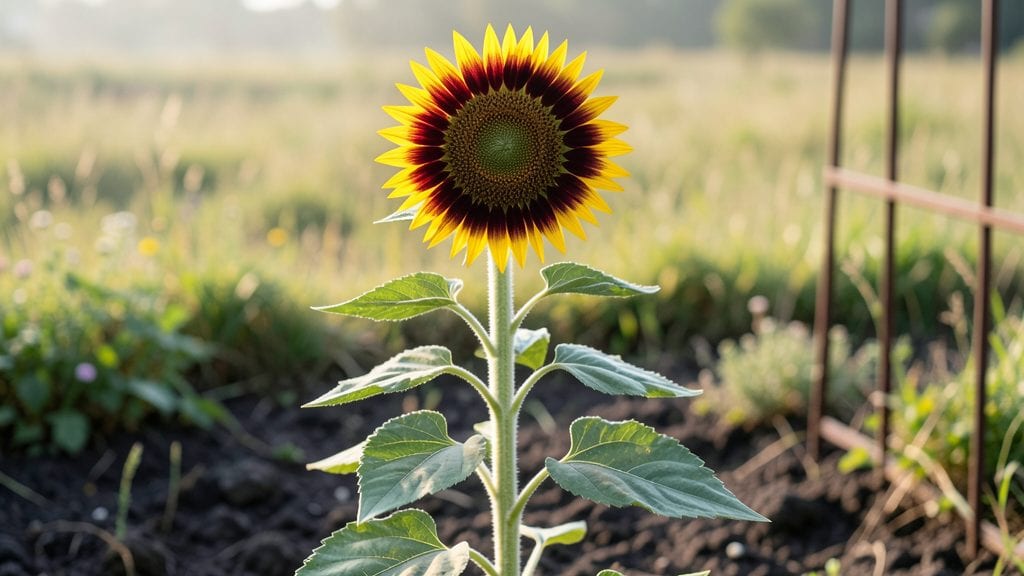
Bi-colored sunflowers turn every garden into a living masterpiece with their striking two-tone centers—like a painter’s boldest brushstroke. 🌻 I’ve watched these sunflowers transform ordinary beds into eye-catching focal points, their deep red-and-yellow or cream-and-chocolate patterns drawing everyone’s gaze.
They’re not just pretty; they’re the kind of plants that make neighbors pause and ask, “What are those?” The magic lies in their versatility—whether you’re going for cottage charm or modern minimalism, these sunflowers adapt effortlessly.
Pair them with lavender for a soft contrast or place them against dark foliage like purple basil for a dramatic pop. Their towering stems also make them perfect for cutting, adding unexpected depth to bouquets that last for weeks. What’s even better?
They thrive in almost any soil and bloom from midsummer through fall, giving you months of drama. I’ve seen them brighten everything from small urban balconies to sprawling backyard gardens—no fancy tricks required.
For extra impact, try grouping them in odd-numbered clusters (3, 5, or 7 plants) to create natural focal points. And don’t forget: their seeds feed birds all winter long, turning your garden into a year-round show.
📚 In This Guide
- What you need
- Instructions
- Tips and common mistakes
- Wrapping up and next steps
What you need
- ● Bi-colored sunflower seeds: Choose heirloom or hybrid varieties like 'Moulin Rouge' or 'Double Dwarf' (bicolor). Buy 5–10 seeds per plant (or pre-sprouted seedlings if transplanting).
- ● Well-draining potting mix or garden soil: A 50/50 blend of compost and topsoil (or 1 part peat moss, 1 part perlite, 1 part compost for containers).
- ● Containers or garden bed: For containers: 5–7 gallon pots (minimum 12" deep) with drainage holes.
- ● For garden beds: Full sun (6+ hours daily) and loose, fertile soil.
- ● Fertilizer: Balanced 10-10-10 or organic compost tea (apply at planting and mid-season).
- ● Watering can or hose with gentle spray nozzle (sunflowers hate soggy roots!).
- ● Garden gloves and kneeling pad (for comfort and protection).
- ● Seedling heat mat ($10–$20) for faster germination indoors.
- ● Plant supports (e.g., stakes or tomato cages) if growing tall varieties.
- ● Epsom salt (1 tbsp per gallon of water) for magnesium boosts in poor soil.
- ● Mulch (e.g., straw or shredded leaves) to retain moisture and suppress weeds.
- ● Pest deterrents: Neem oil spray or row covers for aphid-prone areas.
How to grow stunning bi-colored sunflowers in any season
Turn your garden into a living canvas with these striking two-tone beauties—here's the straightforward approach I've used for years.
🌱 Step 1: Choose the Right Varieties and Planting Time
Bi-colored sunflowers like 'Moulin Rouge' or 'Teddy Bear' deliver their dramatic two-tone effects when planted at the right time. For summer blooms, sow seeds 2-3 weeks after your last frost date when soil reaches 60°F—that's when roots establish quickly. If you want winter color, start seeds indoors 8-10 weeks before your first frost, then transplant hardened-off seedlings.
Here's the thing—these varieties need full sun to develop their full color contrast. Plant in a spot that gets 6-8 hours of direct sunlight daily. If your garden has afternoon shade, choose a north-facing location instead—sunflowers will still grow, but the bicolor effect may fade to single tones.
☀️ Step 2: Prepare Soil and Plant Seeds Correctly
Loosen the soil to a depth of 12 inches with a garden fork to improve drainage—sunflowers hate soggy roots. Mix in 2 cups of compost per planting hole to give them a nutrient boost. Bi-colored varieties need consistent feeding to maintain their vibrant colors, so don't skimp on organic matter.
Plant seeds 1 inch deep and 6 inches apart in rows 2 feet apart. Tap the soil gently to ensure good seed-to-soil contact, then water lightly. You'll see sprouts in 7-14 days—watch for the first true leaves to appear before thinning. If seedlings crowd, remove the weakest ones, leaving the strongest 12 inches apart.
💧 Step 3: Water and Fertilize for Maximum Color Impact
Keep soil consistently moist but never waterlogged—sunflowers need 1-1.5 inches of water weekly. Water at the base in the morning to prevent fungal diseases that can dull their colors. Mulch with 2 inches of straw to retain moisture and suppress weeds, which compete for nutrients that affect bloom intensity.
Feed every 4-6 weeks with a balanced organic fertilizer (10-10-10) to maintain vibrant bicolor patterns. Too much nitrogen makes stems leggy and weakens the two-tone effect. You'll notice the richest colors when plants receive steady nutrients without overfeeding.
✂️ Step 4: Support and Maintain for Long-Lasting Blooms
Tall bi-colored varieties like 'Russian Giant' need staking—insert 6-foot stakes at planting and tie stems loosely with soft fabric as they grow. This prevents leaning and ensures the dramatic bicolor heads face outward. Remove any side shoots that form below the main head to direct energy into the showstopper bloom.
Deadhead spent blooms by cutting stems 6 inches below the flower head to encourage new blooms. In cooler climates, cut back stems to 12 inches after the first frost to protect roots for next season. With proper care, these sunflowers will reward you with bold, two-tone drama all season long.
Tips & tricks for perfect bi-colored sunflower blooms
Want those jaw-dropping two-tone sunflowers to shine? These are the little details that make all the difference between pretty and showstopping.
Sunlight is Everything: Those 6-8 hours of direct sunlight aren't just about growth—they're what triggers the genetic magic that creates the bicolor effect. If your garden gets afternoon shade, plant 'Teddy Bear' instead of 'Moulin Rouge'—it handles partial shade better while still delivering that dramatic two-tone look. Place taller varieties on the north side of shorter ones to prevent shading.
The Soil Secret: That 12-inch soil depth isn't just about drainage—it's about creating a nutrient-rich zone where roots can spread. I've found that adding a handful of bone meal to each planting hole gives an extra phosphorus boost, which is what those vibrant colors crave. Mix it into the bottom of your holes before planting for maximum impact.
Watering Wisdom: The 1-1.5 inches weekly guideline is perfect, but timing matters more than you'd think. Water in the morning so the foliage dries completely by evening—this prevents the fungal diseases that can dull those gorgeous bicolor patterns. I've seen sunflowers lose their dramatic two-tone effect when powdery mildew sets in, and it's heartbreaking to watch.
Fertilizer Timing: Those 4-6 week feedings should actually be timed differently based on growth stage. Feed lightly (half-strength) when plants are young to encourage root development, then switch to full-strength when you see the first flower buds forming. Too much nitrogen at the wrong time will make your plants grow tall but weak, and those bicolor heads won't develop properly.
Pro Tips for Bi Colored Sunflowers
- Want those jaw-dropping two-tone sunflowers to shine?
- Sunlight is Everything: Those 6-8 hours of direct sunlight aren't just about growth—they're what triggers the genetic magic that creates the bicolor effect.
- The Soil Secret: That 12-inch soil depth isn't just about drainage—it's about creating a nutrient-rich zone where roots can spread.
Frequently asked questions
Got questions about growing or styling bi-colored sunflowers?
You’re not alone! Here are answers to the most common queries—from planting tips to troubleshooting—so you can enjoy those stunning two-tone blooms all season long.
What’s the best way to grow bi-colored sunflowers from seed?
Start seeds indoors 4–6 weeks before your last frost in well-draining soil, or sow directly outdoors after soil warms to 55°F+. Plant seeds 1 inch deep, 6–12 inches apart (check your variety’s spacing needs). Thin seedlings to avoid overcrowding—sunflowers need room to flex those bold petals!
How long does it take for bi-colored sunflowers to bloom?
Most varieties bloom 60–90 days after planting, depending on sunlight and temperature. Dwarf types (like ‘Moulin Rouge’) may flower faster (45–60 days), while giant varieties take longer. For year-round color, stagger plantings every 2–3 weeks in warm climates.
Why are my sunflower leaves yellowing or spotted?
Yellowing leaves often signal aphids, powdery mildew, or nutrient deficiencies. Check undersides of leaves for pests—blast them off with water or use neem oil. For mildew, improve airflow and avoid overhead watering. Yellow spots? Test soil pH (aim for 6.0–7.0) and fertilize lightly with compost.
Can I dye sunflowers bi-colored after they bloom?
Nope! Sunflower petals can’t be dyed post-bloom—their color is genetically determined. However, you can paint stems with non-toxic acrylic for artistic flair (let dry completely before arranging). For true bi-color effects, choose heirloom varieties like ‘Autumn Beauty’ or ‘Teddy Bear’ at planting.
Are bi-colored sunflowers more expensive than single-colored ones?
Yes, but only slightly! Heirloom or hybrid bi-colored seeds (e.g., ‘Russian Giant’) typically cost $2–$5 per packet vs. $1–$3 for standard varieties. Save money by harvesting seeds from your own plants—just let a few heads dry on the stem before collecting.
Wrapping up and next steps
Bi-colored sunflowers aren’t just a garden showstopper—they’re a celebration of nature’s artistry and a breeze to grow! Whether you’re drawn to their striking two-tone charm or their ability to thrive year-round, these sunflowers bring joy, color, and even a touch of whimsy to any space.
Ready to turn your outdoor (or indoor!) oasis into a vibrant masterpiece? Start small—plant a few seeds, experiment with varieties, and watch your garden transform!
🌻 Pro tip: Share your sunflower snapshots with fellow gardeners—inspiration spreads faster (and prettier) together!