Pruning
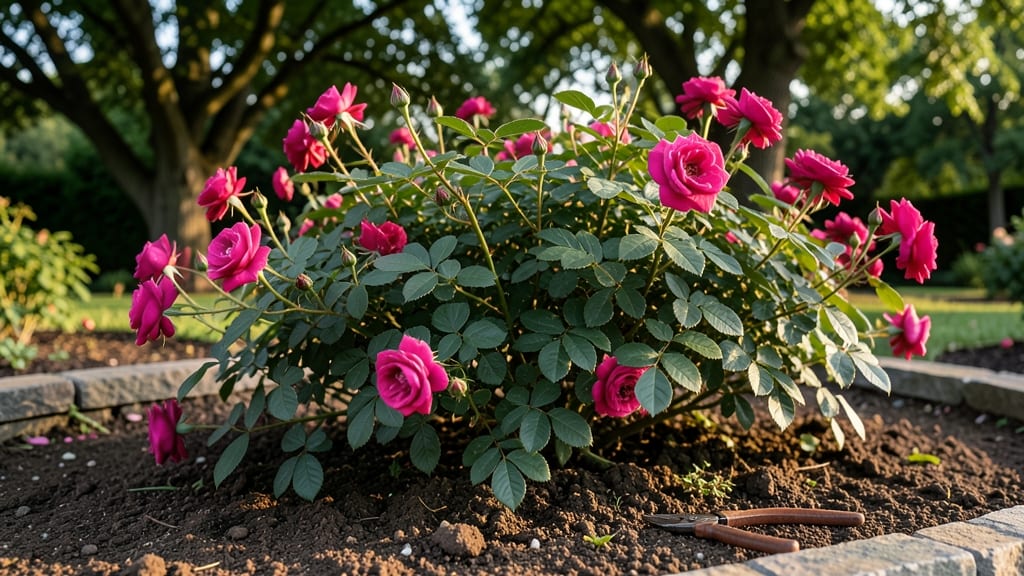
Pruning a flowering rose tree isn’t just about cutting back—it’s the secret to turning a single plant into a nonstop bloom machine all year. 🌹 I’ve watched my own rose trees go from sparse, leggy shrubs to lush, flower-covered beauties just by mastering a few precise cuts at the right times.
The key isn’t how much you prune, but when and why—and I’ll show you exactly how to do it without sacrificing next year’s growth.
Most gardeners mess this up by pruning too late or too aggressively, which stunts blooms or invites disease. My method focuses on three simple cuts: shaping the structure in late winter, encouraging new growth in early summer, and cleaning up after each flush of flowers.
You’ll need basic hand pruners, a pair of loppers, and about 30 minutes on a calm day—no fancy tools or horticultural degree required. Even if your rose looks sad now, it can bounce back with the right approach.
What you’ll get is a rose tree that flowers heavily in spring, bursts with summer blooms, and even puts on a few autumn shows—all while staying compact and healthy.
The secret’s in the timing: you’re not just cutting branches, you’re teaching the plant when to rest and when to shine. By the end of the season, your neighbors will be asking for your pruning secrets, and you’ll have a rose that outperforms anything from the nursery.
This works for standard rose trees, multi-grafted varieties, and even climbing roses trained as small trees—just adjust the height targets. The same principles apply whether you’re in a mild climate or a cold zone, though I’ll flag the key adjustments for each.
Ready to turn your rose into the star of the garden? Let’s get those shears sharp.
📚 In This Guide
- What you need
- Instructions
- Tips and common mistakes
- Wrapping up and next steps
What you need
- ○ Pruning shears: Bypass pruners (sharp, clean, and disinfected—think of them as your rose’s best friend!). Optional: Loppers for thicker branches (1–2 inches in diameter).
- ● Pruning saw: Only if you’re tackling stubborn, woody stems (10–12 inches long).
- ● Garden gloves: Heavy-duty, cut-resistant (thorns are no joke!).
- ● Disinfectant: 70% isopropyl alcohol or a 10% bleach solution (1 part bleach to 9 parts water) to sterilize tools between cuts.
- ● Rake or broom: For clearing fallen debris post-prune.
- ○ Pruning sealant (optional): Only for large cuts (½ inch or wider) to prevent disease. Pro tip: Skip this for roses—it’s rarely needed!
- ● Know your rose type: Hybrid teas, floribundas, or climbers? Each has unique pruning needs. Do a quick online lookup if unsure!
- ● Weather window: Prune on a dry, overcast day (or early morning if sunny). Avoid rainy or windy conditions.
- ● Cleanup supplies: A bucket or bag for trimmings (compost them later!).
- ● Safety first: Wear long sleeves and closed-toe shoes—those thorns will find you!
Step-by-Step guide to pruning your flowering rose tree
Here's how I keep my rose trees blooming like crazy all season long.
✂️ Step 1: Clean Up Winter Damage in Early Spring
Start when you see fresh green leaves emerging—usually late February to March in most climates. Grab your sterilized pruners and remove any dead, diseased, or broken branches first. These are easy to spot: they're brown, brittle, or lack buds. Cut back to a healthy outward-facing bud just above the damage.
I like to make my cuts at a 45-degree angle about ¼ inch above the bud, which helps water run off instead of pooling. This prevents rot and gives your rose a clean start. If a branch is completely dead down to the base, remove it entirely—no second-guessing. A rose tree can handle losing up to 25% of its branches without stress.
✂️ Step 2: Shape and Encourage Blooms in Late Spring
Wait until after your roses finish their first flush of blooms—usually May to early June—before doing this step. Now, focus on shaping the tree while encouraging more flowers. Look for branches that cross or rub against each other and remove the weaker one. These intersections create wounds where pests and diseases love to hide.
For every 3-4 buds you see along a branch, leave 1 strong, healthy bud pointing in the direction you want the branch to grow. This creates a more open, airy structure that lets sunlight reach the center. I always step back every few cuts to check the overall shape—your goal is a balanced, vase-like form that catches the eye.
☀️ Step 3: Lighten Up in Mid-Summer for Fall Blooms
Around mid-July, give your rose tree a light trim to encourage another round of flowers. This is where many gardeners miss the boat—skipping summer pruning means fewer fall blooms. Look for any branches that are growing too densely or blocking sunlight from the center. Thin these out by cutting back to a bud or lateral branch.
Here's the thing—roses bloom on new wood, so you're not removing potential flowers. Instead, you're redirecting the plant's energy toward producing fresh, vibrant blooms later in the season. Make your cuts just above an outward-facing bud, and avoid cutting back more than ⅓ of the branch's length at once. This keeps your tree from getting stressed.
✂️ Step 4: Prepare for Winter with a Final Trim
Once your roses finish blooming in fall, usually October to November, do one last light trim. Remove any deadheading flowers that haven't dropped on their own, and cut back any branches that look weak or overcrowded. This final cleanup helps your rose tree enter dormancy in the best possible shape.
I also like to give the tree a deep watering after this last pruning to help it store moisture for winter. If you're in a colder climate, consider wrapping the base with burlap or rose cones to protect it from harsh winds and freezing temperatures. Don't prune too late in the season—waiting until after the first hard frost can stress the plant unnecessarily.
Tips & tricks for perfect flowering rose tree pruning
Real talk: Pruning roses isn't just about cutting—it's about strategic shaping that keeps your tree blooming beautifully all year. Here's what nobody tells you about getting it right.
Tool Prep: Sterilize your pruners with rubbing alcohol between cuts to prevent spreading disease. I learned this the hard way after my roses developed black spots from contaminated tools. A quick wipe-down after every few cuts keeps your tree healthy and your work clean. Also, keep a small container of water nearby to wipe your blades—it makes a huge difference in precision.
Bud Direction Matters: When making cuts in Step 2, always leave the bud facing outward. This encourages the branch to grow away from the center, creating that open, airy structure we want. I used to make cuts randomly, and my roses ended up looking like a tangled mess. Think of it like training a plant to grow in the direction you want—it's all about that outward-facing bud.
Seasonal Timing: The timing in Steps 1, 3, and 4 is critical—don't rush it! Early spring pruning (Step 1) should happen when you see those first fresh green leaves, not before. Mid-summer (Step 3) is all about encouraging new growth for fall blooms, so don't skip it. And that final fall trim (Step 4) prepares your tree for winter dormancy. Mark your calendar for these key times—your roses will thank you with nonstop blooms.
Stress Management: Never remove more than ⅓ of your tree's branches in one session. I've seen gardeners get overzealous and end up with sad, stressed roses that barely bloom. If you're unsure, take it slow—you can always do more pruning in the next session. Remember, roses are tough but not invincible!
Pro Tips for Flowering Rose Tree
- Real talk: Pruning roses isn't just about cutting—it's about strategic shaping that keeps your tree blooming beautifully all year.
- Tool Prep: Sterilize your pruners with rubbing alcohol between cuts to prevent spreading disease.
- Bud Direction Matters: When making cuts in Step 2, always leave the bud facing outward.
Frequently asked questions
When is the best time to prune a flowering rose tree for maximum blooms?
The ideal time to prune is late winter or early spring (just before new growth starts) to encourage vibrant blooms. For repeat-flowering varieties, you can also do a light trim after the first flush of flowers. Avoid heavy pruning in fall—it can leave the tree vulnerable to cold and disease. Pro tip: If you live in a mild climate, a light pruning in summer can promote more flowers!
How much can I cut back my rose tree without harming it?
Most flowering rose trees can handle a 25-33% reduction in size during late winter pruning. Look for dead, diseased, or crossing branches to remove first—these should be cut back to healthy wood. For vigorous growth, you can trim up to ⅓ of the plant’s height, but avoid over-pruning, which stresses the tree. Pro tip: Never cut into old wood (brown or woody stems) unless it’s absolutely necessary!
What should I do if my rose tree isn’t blooming as much as it used to?
If your rose tree is underperforming, check these common culprits:
- Lack of sunlight: Roses need 6+ hours of direct sun daily—move it to a sunnier spot if possible.
- Over-fertilizing: Too much nitrogen = leafy growth, fewer flowers. Use a balanced rose fertilizer (like 10-10-10) in spring and summer.
- Poor pruning habits: If you’ve been pruning too late or too harshly, reset with a late-winter trim.
- Pests/disease: Inspect for aphids, black spot, or powdery mildew—treat with neem oil or fungicide if needed.
Can I grow a flowering rose tree in a container? What’s the best approach?
Dwarf or patio rose varieties (like ‘Knock Out’ roses) thrive in containers. Use a large pot (15+ gallons) with drainage holes and a well-draining potting mix. Prune regularly to control size, and fertilize every 4-6 weeks during growing season. Pro tip: Move containers to a sunny spot and water deeply when the top inch of soil is dry—containers dry out faster than ground soil!
How do I protect my rose tree from winter damage?
Cold-hardy roses (like ‘Dr. Huey’ or ‘Canada Repeat’) handle winter well, but tender varieties need help. After pruning, mulch the base with 3-4 inches of organic mulch (straw or shredded bark). Wrap the canes in burlap or rose cones in freezing climates. Pro tip: Avoid wrapping too tightly—airflow prevents rot! Water deeply before the first frost to help roots stay hydrated.
Wrapping up and next steps
Transforming your flowering rose tree into a year-round beauty is absolutely within reach! With the right tools, timing, and techniques—like pruning for shape, deadheading, and seasonal maintenance—you’ll unlock lush, vibrant blooms that steal the show. 🌸
Ready to take the next step? Grab your pruners, dust off that gloves, and schedule your first trim this weekend! A little effort now means months of stunning roses—plus, you’ll gain confidence in your green thumb with every snip. Happy pruning!