Shrubs
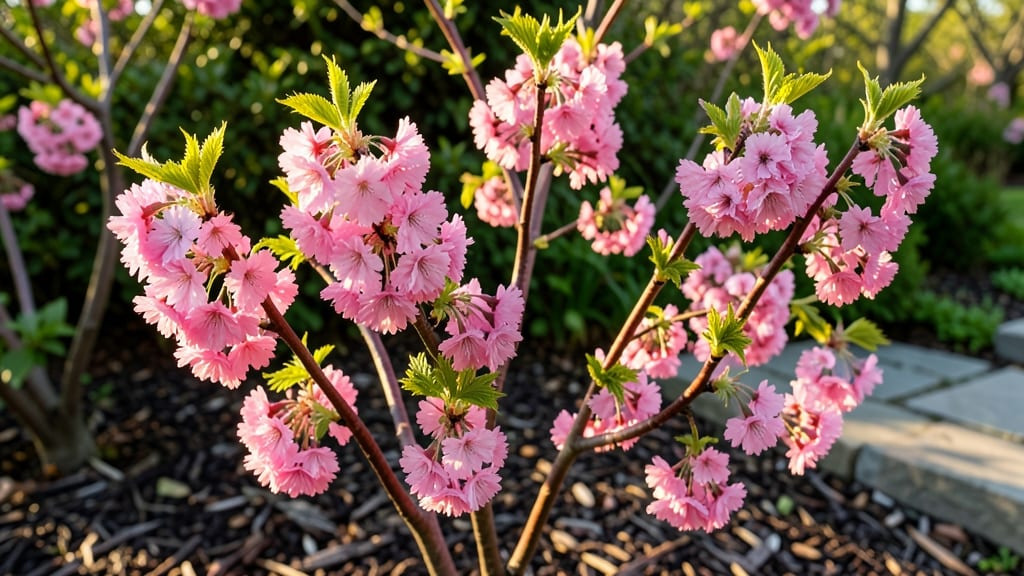
A pink flowering almond bush transforms your spring garden into a fragrant dream—imagine clouds of delicate blossoms perfuming the air for weeks. 🌸 I planted mine three years ago, and now it’s the star of my landscape, drawing bees and admiring neighbors alike.
The secret lies in mimicking its natural habitat: well-draining soil, full sun, and patience for those first blooms.
This bush thrives in USDA zones 4-8, making it tough enough for cold winters yet eager to burst into color once temperatures rise. Start with a 2-3 gallon container plant in early spring or fall, planting it where it gets 6+ hours of sunlight daily.
The first year focuses on root establishment, so resist the urge to prune—just water deeply when the top inch of soil dries out.
By year three, you’ll be rewarded with 3-4 weeks of fragrant pink blooms that smell like almonds on a spring breeze. The foliage turns golden-yellow in fall, adding seasonal interest. Prune lightly after flowering to shape the bush, and watch for aphids—just spray with soapy water if they appear.
Perfect for small yards, urban patios, or as a focal point in cottage gardens. With minimal care, this bush will outlast fussy annuals while filling your garden with natural perfume. Ready to grow yours?
📚 In This Guide
- What you need
- Instructions
- Tips and common mistakes
- Wrapping up and next steps
What you need
- ● Pink flowering almond bush plant (Prunus glandulosa 'Pink Perfection' or similar cultivar; check local nurseries or online plant shops).
- ● Well-draining potting mix (50% peat moss or coconut coir, 30% perlite/pumice, 20% compost). Quantity: 1–2 gallons per plant.
- ○ Garden soil amendment (optional but recommended): Bone meal (1–2 tbsp per hole) for phosphorus boost.
- ● Garden trowel or shovel (for planting).
- ● Watering can or hose with a gentle spray nozzle (avoid overwatering!).
- ● Mulch (2–3 inches of pine bark or shredded leaves to retain moisture).
- ● Stakes and soft ties (if planting in windy areas; 1–2 stakes per plant).
- ● Slow-release fertilizer (balanced 10-10-10 or organic options like fish emulsion).
- ● Pruning shears (for shaping after flowering).
- ● Plant food spray (foliar feed for extra nutrients during blooming season).
- ● Garden gloves (to protect hands from thorns!).
- ● Drip irrigation kit (for automated watering in dry climates).
Instructions for planting and caring for your pink flowering almond bush
Here’s how to get that fragrant spring display thriving in your landscape.
🌱 Step 1: Choose the Perfect Planting Spot
Pick a location with full sun exposure (6-8 hours daily)—this bush loves warmth and will reward you with the most vibrant blooms when it gets plenty of sunlight. Avoid spots where afternoon shade lingers, as the flowers need consistent light to develop fully. I always check for at least 6 hours of direct sunlight before planting, and your spot should too.
The soil should drain well—this is critical. Pink flowering almond bushes hate soggy roots, so if your yard has heavy clay, amend it with 3-4 inches of compost mixed into the top 12 inches of soil. Dig a hole twice as wide as the root ball but only as deep—planting too deep can suffocate the roots and delay flowering.
🪴 Step 2: Plant at the Right Depth and Water Deeply
Gently remove the bush from its container and loosen the roots if they’re circling. Place it in the hole so the top of the root ball sits 1 inch above ground level. This prevents moisture from pooling around the stem, which can cause rot. Backfill with the native soil, pressing lightly to eliminate air pockets but not compacting too firmly.
Water immediately after planting with 1-2 gallons of water—enough to settle the soil and encourage root contact. You’ll see the soil sink slightly as it absorbs moisture. Mulch around the base with 2-3 inches of organic mulch (like wood chips) to retain moisture and regulate soil temperature. Keep mulch 3 inches away from the trunk to prevent rot.
☀️ Step 3: Maintain Watering and Fertilize for Spring Blooms
Water deeply once a week during the first growing season, aiming for 1-1.5 inches of water per week. Let the top 2-3 inches of soil dry out between waterings—this encourages deep root growth. Overwatering now will lead to weak stems and fewer flowers later. You’ll know you’re doing it right when the soil feels slightly damp but not soggy when you check with your finger.
Apply a balanced, slow-release fertilizer (10-10-10) in early spring and again in early summer. Follow the package rate, but don’t overdo it—too much nitrogen will promote leafy growth at the expense of flowers. I like to sprinkle fertilizer around the drip line (the edge of the bush’s canopy) and water it in immediately. Watch for new growth in 3-4 weeks—that’s your sign it’s working.
✂️ Step 4: Prune for Shape and Encourage More Blooms
Prune right after flowering to shape the bush and encourage next year’s blooms. Remove any dead, damaged, or crossing branches first—these compete with healthy growth. Cut just above a leaf node or outward-facing bud to direct energy where you want it. I always use clean, sharp pruners to make 45-degree cuts to prevent water from pooling on the wound.
Thin out crowded branches to improve airflow, which reduces disease risk. Aim for an open, vase-like shape—this lets sunlight penetrate to the center, where future blooms will form. Avoid heavy pruning in late summer, as new growth won’t harden off before winter. You’ll see fresh, green shoots within 2-3 weeks of pruning, signaling the bush is recovering well.
⏰ Step 5: Protect in Winter for Long-Term Health
Once temperatures drop below 20°F, protect the bush with 4-6 inches of mulch around the base. This insulates the roots and prevents heaving (when soil freezes and lifts the plant). I also wrap the trunk with burlap or tree guard to shield it from cold winds. Remove the wrap in early spring once new growth appears.
In late winter, check for signs of winter damage—like cracked bark or dead branches. Prune out any damaged wood immediately to encourage fresh growth. The bush will reward you with fragrant pink blossoms in 2-3 years, but proper winter care now ensures it thrives for decades. You’ll know it’s happy when you see buds forming in early spring—those are your promise of next year’s show.
Tips & tricks for perfect pink flowering almond bush growth
Here's what nobody tells you about making your pink flowering almond bush thrive from day one.
Sunlight Secret: While 6-8 hours of sunlight is ideal, morning sun with afternoon shade works too—just avoid spots where shade creeps in after noon. I've seen bushes in partial shade still bloom, but the flowers will be less vibrant. Use a sun calculator app to map your yard's sunlight patterns before planting. If your spot gets less than 6 hours, consider a sunnier location or supplement with a grow light during winter months when days are shorter.
Soil Test Tip: Before amending your soil with compost, test your current soil's pH and drainage. Pink flowering almond bushes prefer slightly acidic to neutral soil (pH 6.0-7.5). If your soil tests too alkaline, mix in 1-2 inches of peat moss with that 3-4 inches of compost to adjust the pH. You can grab a simple soil test kit from any garden center for under $10—it's worth the investment to avoid future problems.
Watering Wisdom: That 1-1.5 inches of water per week guideline assumes average rainfall. Check your local weather forecast—if you've had heavy rains, skip your scheduled watering. Overwatering is the #1 killer of these bushes. I like to use a rain gauge or even a tuna can buried in the soil to track actual moisture levels. When the top 2-3 inches feel dry, that's your cue to water deeply rather than relying on a schedule.
Pruning Pro Move: When pruning after flowering, look for branches that grow inward—they'll rub against each other and create wounds where disease can enter. Remove these first, then thin out any branches that are too close together. The 45-degree cut isn't just about looks—it helps water runoff quickly and prevents rot. I always sterilize my pruners with rubbing alcohol between cuts to prevent spreading any potential infections.
Pro Tips for Pink Flowering Almond Bush
- Here's what nobody tells you about making your pink flowering almond bush thrive from day one.
- Sunlight Secret: While 6-8 hours of sunlight is ideal, morning sun with afternoon shade works too—just avoid spots wh...
- Soil Test Tip: Before amending your soil with compost, test your current soil's pH and drainage. Pink flowering almon...
Frequently asked questions
Got questions about growing your own fragrant pink flowering almond bush? We’ve got answers!
Here are some of the most common queries to help you cultivate this stunning shrub with confidence.
How long does it take for a pink flowering almond bush to bloom?
A healthy pink flowering almond bush (Prunus glandulosa) typically takes 2-3 years to produce its signature fragrant pink blossoms after planting. Patience pays off—proper care (sunlight, well-draining soil, and regular watering) speeds up the process. Early spring is peak bloom time, offering a burst of color and scent!
Do pink flowering almond bushes need full sun?
Yes! These shrubs thrive in full sun (6+ hours daily), but they tolerate partial shade (4-6 hours). In hot climates, afternoon shade helps prevent stress. Avoid deep shade—it can reduce flowering and weaken growth. A sunny spot ensures vibrant blooms and lush foliage.
Are pink flowering almond bushes cold-hardy?
They’re USDA Zones 4-8 hardy, meaning they survive winters as low as -30°F (-34°C). In colder zones, mulch the base in late fall to protect roots. Prune damaged branches in early spring. Their resilience makes them a low-maintenance perennial favorite.
Can I grow a pink flowering almond bush in a pot?
Yes, but choose a large container (15+ gallons) with drainage holes. Use well-draining potting mix and repot every 2-3 years. Containers dry out faster—water deeply when the top inch of soil feels dry. Place in full sun and fertilize lightly in spring for best results.
Are pink flowering almond bushes toxic to pets or kids?
Yes, all parts of the plant—leaves, seeds, and bark—contain cyanogenic glycosides, which can be toxic if ingested in large quantities. Keep pets and children away from chewing or eating parts of the bush. Symptoms of poisoning include vomiting or lethargy; contact a vet if exposure occurs.
How do I prune a pink flowering almond bush?
Prune after blooming (late spring/early summer) to shape the bush and encourage new growth. Remove dead or crossing branches first, then thin out crowded areas. Avoid heavy pruning—these shrubs bloom on old wood. Sterilize tools with rubbing alcohol to prevent disease.
Why aren’t my pink flowering almond bushes blooming?
Common causes include:
- Insufficient sunlight (move to sunnier spot).
- Over-fertilizing (too much nitrogen = leafy growth, fewer flowers).
- Young age (wait 2-3 years for first blooms).
- Stress (drought, poor soil, or pests).
Wrapping up and next steps
The pink flowering almond bush is a stunning, low-maintenance way to transform your landscape into a fragrant spring paradise in just three years! With its delicate blooms, silvery foliage, and adaptable nature, this shrub brings effortless beauty and charm to any garden.
Whether you're a seasoned gardener or a beginner, its resilience and fast growth make it the perfect choice for adding color and fragrance to your outdoor space.
Ready to plant your own? Gather your supplies, pick a sunny spot, and get growing—your future fragrant canopy is just a few steps away! 🌸✨