
Flowers
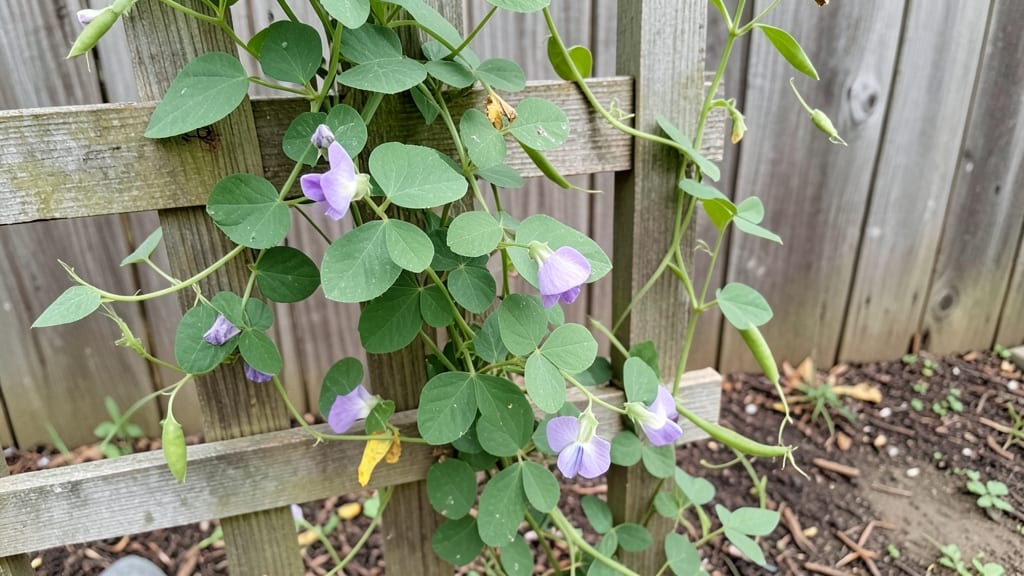
Perennial sweet peas flowers might sound like a gardener’s dream—fragrant, climbing, and long-lived—but most gardeners assume they’re annuals. Here’s the secret: these cool-climate beauties return year after year with the right care, and I’ve grown them for three seasons straight without replanting.
The key lies in their soil, sunlight, and a little winter prep that keeps them thriving when others fade.
You’ll need well-draining soil rich in organic matter (think compost or aged manure) and a sturdy trellis or fence for their vines to climb. Plant in full sun to partial shade, water consistently but avoid soggy roots, and prune spent blooms to encourage more flowers.
Unlike annual sweet peas, these perennials reward patience with prolonged blooms—sometimes from late spring through early fall if you deadhead regularly.
The real magic happens in their fragrance: imagine stepping into a garden where every breeze carries the sweet, honeyed scent of blooms. My perennial varieties—like ‘Perennial Sweet Pea’ or ‘Cupani’—have survived winters in Zone 5 with just a layer of mulch and a little extra water during dry spells.
They’re also disease-resistant compared to their annual cousins, making them a low-maintenance star for cool climates.
Pair them with roses or lavender for a classic cottage-garden look, or let them scramble over arbors for a romantic entrance. The only downside? You’ll need to stake them early—their vines can get 8-10 feet tall if left unchecked. Ready to grow sweet peas that come back stronger every year?
📚 In This Guide
- What you need
- Instructions
- Tips and common mistakes
- Wrapping up and next steps
What you need
- ● Perennial sweet pea seeds – Choose heirloom or cold-hardy varieties like 'Perennial Sweet Pea' or 'Lathyrus odoratus' (ensure they’re labeled for perennial growth). (1–2 seed packets, ~10–20 seeds)
- ● Well-draining potting mix – A blend of peat moss, perlite, and compost (or a pre-mixed seed-starting mix). (1–2 bags, ~10–15 lbs)
- ● Garden soil – Rich, loamy soil with a pH of 6.0–7.0. Amend with compost for fertility. (Enough to fill planting beds)
- ● Support structure – Trellis, fence, or obelisk (at least 4–6 feet tall) for climbing. (1–2 structures, depending on space)
- ● Organic fertilizer – Balanced 10-10-10 or fish emulsion for slow-release nutrients. (1–2 containers)
- ● Mulch – Straw or shredded bark to retain moisture and suppress weeds. (5–10 lbs)
- ● Seed-starting trays – For early indoor sowing (if not direct-sowing). (1–2 trays with cells)
- ● Plant labels – To track varieties (especially if mixing colors!). (5–10 labels)
- ● Pruning shears – For deadheading spent blooms or shaping vines. (1 pair)
- ● Peat moss or coconut coir – For overwintering protection in colder zones. (1–2 bags)
- ○ Fragrance-friendly companions – Plant near lavender, roses, or thyme to enhance scent. (Optional plants)
How to cultivate perennial sweet peas for long-lasting fragrance
Sweet peas aren’t just annuals—with the right approach, they’ll reward you with years of climbing beauty.
Select the Right Variety and Planting Site
Choose cold-hardy perennial sweet pea varieties like Lathyrus odoratus 'Perennial Mix' or Lathyrus latifolius for multi-season blooms. These thrive in USDA Zones 3-8, making them perfect for cool climates. Plant in full sun to partial shade—at least 6 hours of sunlight daily—but protect from harsh afternoon heat in hotter regions.
Sweet peas need well-draining soil rich in organic matter. Amend heavy clay with 2-3 inches of compost before planting. A slightly alkaline soil (pH 6.5-7.5) encourages vibrant blooms. Test your soil—sweet peas are sensitive to acidity, which can stunt growth. If needed, add lime to adjust pH gradually over a few weeks.
Plant Seeds or Transplants at the Right Time
For direct sowing, plant seeds 4-6 weeks before the last frost in spring or late summer for fall blooms. Press seeds ½ inch deep in rows spaced 12-18 inches apart. Sweet peas have large seeds—don’t bury them too deeply, or germination slows. Keep soil evenly moist (not soggy) until sprouts appear in 10-21 days, depending on temperature.
If using transplants, harden them off for 7-10 days before moving outdoors. Watch for first true leaves—these signal the plant has established roots. Plant in the ground when soil reaches 50°F, ensuring stems aren’t buried deeper than they were in their container. Stake or trellis immediately to support their 4-6 foot climbing habit.
Provide Support and Consistent Care
Sweet peas need strong vertical support—use 5-6 foot tall trellises, obelisks, or sturdy fences with 12-inch spacing. Train vines with soft twine or garden ties, gently weaving stems as they grow. Avoid plastic clips, which can damage tender stems. Prune leggy growth to encourage bushier, flower-heavy plants.
Water deeply 1-2 times weekly, aiming for 1 inch of moisture per week. Let the top 2 inches of soil dry between waterings to prevent root rot. Mulch with 2-3 inches of straw or shredded leaves to retain moisture and suppress weeds. Fertilize lightly with balanced 10-10-10 at planting and again after the first flush of blooms—too much nitrogen reduces fragrance.
Deadhead and Extend the Blooming Season
Remove spent blooms weekly to encourage continuous flowering. Pinch back leggy stems after the first flush to promote more lateral branches and buds. Sweet peas bloom best in cool weather (50-75°F)—in hot climates, provide afternoon shade to prevent wilting. If blooms slow in late summer, trim back one-third of the plant to stimulate new growth.
Perennial sweet peas self-seed minimally, but don’t rely on this for propagation. Dig up and divide mature clumps every 3-4 years in early spring to rejuvenate growth. Share divisions with fellow gardeners—these fragrant climbers spread quickly and make stunning cut flowers.
Overwinter for Next Year’s Blooms
In colder zones, mulch heavily with 4-6 inches of straw or leaves before the first frost. Sweet peas are hardy but benefit from snow cover for insulation. In milder climates, reduce watering in winter but keep soil slightly moist. Prune back dead or damaged stems in early spring before new growth emerges.
Watch for peach leaf curl or powdery mildew—common fungal issues. Improve airflow by spacing plants properly and avoid overhead watering. With proper care, your perennial sweet peas will rebloom year after year, filling your garden with intoxicating fragrance and vibrant color.
Tips & tricks for perfect perennial sweet pea cultivation
A few strategic moves will help your sweet peas thrive for seasons to come—here’s what I’ve learned from years of growing these fragrant climbers.
Soil Preparation Insight: Before planting, mix in 2-3 inches of compost and test your soil’s pH—sweet peas absolutely hate acidity. If your soil tests below 6.5, add lime gradually over a few weeks rather than all at once. I’ve seen plants struggle when soil pH drops suddenly, so patience pays off here. The goal is that slightly alkaline range (6.5-7.5) for those vibrant blooms you’re after.
Planting Depth Technique: Those large sweet pea seeds need just ½ inch of coverage—any deeper and they’ll take forever to germinate. I’ve made the mistake of burying them too deeply, only to wait weeks for sprouts that never came. Use your finger to make a small furrow, place seeds gently, then cover lightly. Keep the soil consistently moist (not soggy) until those first green shoots appear in about 10-21 days, depending on your climate.
Support System Strategy: Don’t wait until your vines are climbing to install trellises—set up your 5-6 foot tall supports immediately after planting. Sweet peas grow aggressively once established, and their vines can become unwieldy. I recommend using soft twine or garden ties rather than plastic clips, which can damage those tender stems. The key is gentle training as they grow, weaving the vines through the support structure to encourage even distribution.
Watering Wisdom: The 1 inch of moisture per week guideline works perfectly, but timing matters. Water deeply in the morning so foliage has time to dry before evening. This prevents fungal issues like powdery mildew, which can plague sweet peas in humid conditions. Also, let the top 2 inches of soil dry between waterings—this prevents root rot while keeping the plants hydrated enough for continuous blooming.
Pro Tips for Perennial Sweet Peas Flowers
- A few strategic moves will help your sweet peas thrive for seasons to come—here’s what I’ve learned from years of growing these fragrant climbers.
- Soil Preparation Insight: Before planting, mix in 2-3 inches of compost and test your soil’s pH—sweet peas absolutely hate acidity.
- Planting Depth Technique: Those large sweet pea seeds need just ½ inch of coverage—any deeper and they’ll take forever to germinate.
Frequently asked questions
Got questions about growing and caring for perennial sweet peas? You’re not alone! Here are some of the most common queries—plus straightforward answers to help you cultivate these fragrant climbers with confidence.
Are perennial sweet peas truly perennial, or do they die back every year?
While they’re called "perennial," many varieties behave more like short-lived perennials or self-seed annually. In colder climates (zones 4–7), they may die back in winter but regrow from the roots or reseed. In warmer zones, they often thrive as annuals. Pro tip: Deadhead spent blooms to encourage reseeding or save seeds for next year!
How long does it take for perennial sweet peas to bloom after planting?
Expect blooms 60–90 days after sowing seeds, depending on variety and growing conditions. For faster results, start seeds indoors 8–10 weeks before the last frost. Bonus: They’ll keep flowering for months if you remove faded blooms regularly!
Can perennial sweet peas survive hot summers, or do they need shade?
These cool-loving beauties struggle in heat (above 80°F/27°C). Plant them in partial shade during peak summer months or in morning sun with afternoon shade. Mulch the soil to retain moisture and protect roots. Tip: Choose late-summer varieties for better heat tolerance!
What pests or diseases commonly affect perennial sweet peas, and how do I prevent them?
Watch for aphids, slugs, and powdery mildew—especially in humid climates. Preventive care:
- Handpick slugs at night or use beer traps.
- Spray neem oil for aphids or mildew.
- Improve airflow by spacing plants 12–18 inches apart.
Healthy soil and disease-resistant varieties (like ‘Painted Lady’) reduce risks!
What’s a good alternative if I want fragrant climbing flowers but perennial sweet peas don’t thrive in my area?
Try these fragrant, cool-climate climbers:
- Clematis (hardy, diverse blooms, many varieties)
- Honeysuckle (Lonicera) (sweet scent, attracts pollinators)
- Morning glories (Ipomoea) (fast-growing annuals, great for trellises)
- Jasmine (Trachelospermum) (evergreen, drought-tolerant)
Each offers fragrance and vertical interest—just check your USDA zone!
Wrapping up and next steps
Perennial sweet peas are a fragrant, low-maintenance treasure for gardens in cooler climates—offering vibrant blooms, sweet scents, and effortless charm.
Whether you’re a seasoned gardener or just starting, their resilience and beauty make them a must-have for climbing trellises or cottage-style borders. Ready to transform your space? Grab your seeds, pick a sunny spot, and let these climbing stars elevate your garden’s allure—one fragrant bloom at a time! 🌸
Next step: Start with a small patch or a vertical planter to test their magic in your garden. Happy growing! 🌱