
Light Requirements
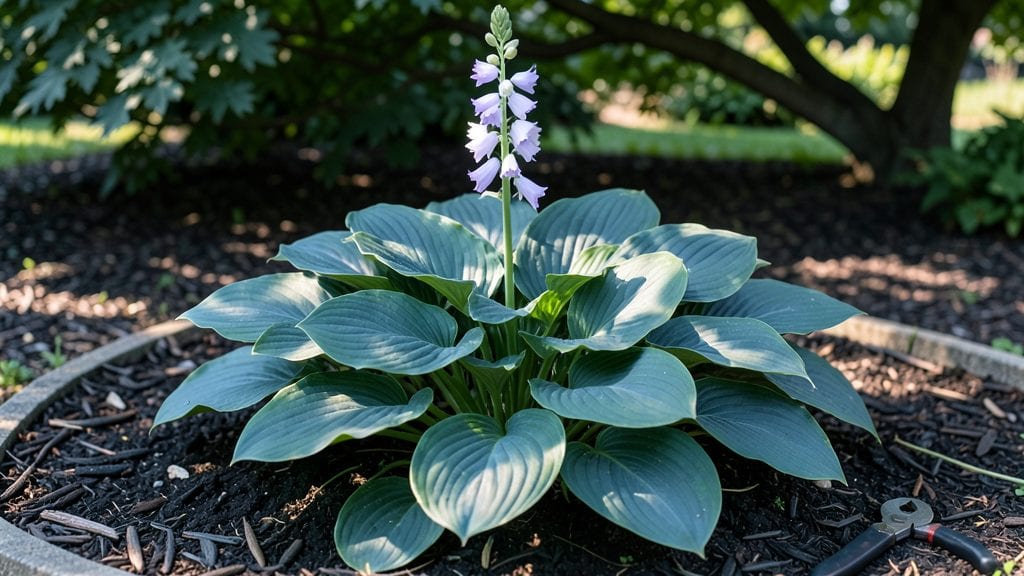
Shade-tolerant perennial flowers bring unexpected color to the Pacific Northwest’s dim corners—where ferns and moss usually reign. 🌿 I’ve spent years testing which bloomers thrive under bigleaf maples and cedars, and the results are shocking: vibrant foliage and flowers that last from spring through fall.
The key? Choosing plants that evolved alongside the shade, like hellebores that bloom in winter’s lingering chill or astilbes that fluff up in dappled light.
Most shade plants need just three things: moist, well-draining soil, partial shade (2-6 hours of light), and a little patience—they reward slow growers with years of blooms. My go-to list includes heucheras (for velvety foliage), lungwort (for airy blue spires), and Japanese painted ferns (for lacy texture).
These thrive where sun-starved gardens give up, turning dark spots into lush, layered displays that beg to be touched.
What you’ll end up with is a garden that feels alive even in the deepest shade—rich jewel tones where others see gloom, textured foliage that catches the light, and season-long interest without constant deadheading.
The best part? These perennials spread over time, filling gaps naturally while demanding almost no effort. Think of them as the quiet superstars of your garden.
Layering is where the magic happens: pair tall astilbes with low-growing ajuga, then tuck in bleeding hearts for vertical drama. Containers work too—just mix a shade-lover with a thriller (like coral bells) and a filler (like sweet woodruff).
The Pacific Northwest’s damp climate makes this easier than you’d think, but the real secret is starting small and letting the plants teach you what works best in your shade.
📚 In This Guide
- What you need
- Instructions
- Tips and common mistakes
- Wrapping up and next steps
What you need
- ● Shade-tolerant perennial flowers: Choose from PNW-friendly varieties like Heuchera (coral bells), Astilbe, Hosta, Lungwort (Pulmonaria), or Bleeding Heart (Dicentra). Aim for 3–5 plants per variety for a balanced look.
- ● Well-draining potting mix: 3–5 gallons (look for organic blends with perlite or compost).
- ● Organic mulch: 2–3 inches (cedar chips, wood shavings, or leaf mold to retain moisture and suppress weeds).
- ● Slow-release fertilizer: 10–10–10 or 5–10–10 NPK ratio (follow package rates for shade plants).
- ● Garden trowel or transplant spade (for digging holes 1.5x wider than root balls).
- ● Gloves (gardening or work gloves to protect hands).
- ● Watering can or hose with a gentle spray nozzle (avoid heavy water pressure near delicate roots).
- ● Pruners or shears (for trimming dead foliage post-planting).
- ○ pH testing kit (optional)—ideal soil pH for PNW shade plants: 5.5–6.5.
- ● Location: A spot with 2–6 hours of dappled shade or partial shade (avoid deep, dark shade).
- ● Soil prep: Amend heavy clay soil with compost or peat moss for better drainage.
- ● Timing: Plant spring (March–May) or early fall (September–October) for best establishment.
Step-by-Step guide for planting shade-tolerant perennials in low-light gardens
Here's how to turn dim corners into vibrant displays using the Pacific Northwest's best low-light bloomers.
🌱 Step 1: Prepare the Soil for Moisture Retention
Shade-tolerant perennials thrive when soil drains well but stays consistently moist. Amend your native soil with 2-3 inches of compost and 1 inch of perlite or coarse sand to improve aeration. I like to work in a 5-10-10 fertilizer at planting time—just follow package directions—to give roots a nutrient boost without overwhelming them.
Test your soil's moisture level by squeezing a handful. It should hold together when pressed but not drip water. If it's too dense, add another inch of organic matter. These plants won't tolerate soggy roots, but they also won't survive in dry, compacted soil.
☀️ Step 2: Choose the Right Plants for Your Light Conditions
For deep shade (less than 3 hours of light), focus on hellebores, astilbes, and lungworts. In partial shade (3-6 hours of light), add ferns, bleeding hearts, and Japanese anemones. I always plant in odd-numbered groupings—3, 5, or 7 plants—for natural-looking drifts that fill in beautifully over time.
Check plant tags for mature height and spread. For example, astilbes grow 18-24 inches tall but spread 12-18 inches wide, while hellebores stay compact at 12-18 inches tall and wide. Space them accordingly to avoid future crowding.
🪴 Step 3: Plant at the Correct Depth and Mulch Heavily
Dig holes twice as wide as the root ball but only as deep. The top of the root ball should sit just below soil level—burying too deep suffocates stems, while planting too high risks drying out roots. Gently loosen roots if they're circling before placing them in the hole.
Fill the hole with soil and water deeply to settle everything. Then apply 3-4 inches of shredded bark mulch (not dyed or colored varieties) over the root zone. This keeps soil cool and moist while suppressing weeds. Refresh the mulch annually in early spring.
💧 Step 4: Water Deeply and Adjust Care for Seasonal Changes
Water once a week for the first month, giving each plant 1 gallon of water at the base. After establishment, most shade perennials need water only when the top 1-2 inches of soil feel dry. I check this by sticking my finger in—if it comes out clean, it's time to water.
In summer, these plants appreciate morning sun if possible, even in shade gardens. Watch for leaf scorch on ferns or astilbes—this means they're getting too much midday heat. If you see yellowing, move them to deeper shade immediately.
✂️ Step 5: Prune and Divide to Maintain Health and Bloom
Deadhead spent blooms on hellebores and astilbes in early summer to encourage more flowers. For ferns, trim back any brown fronds in late winter, but leave the healthy growth—it's their energy source for new fronds. I never cut back more than one-third of the plant at a time.
Divide clumps every 3-4 years in early spring or fall. Dig up the entire plant, separate into smaller sections with roots and shoots, and replant immediately. This rejuvenates old plants and gives you free extra plants for friends or problem spots in your garden.
Tips & tricks for perfect shade-tolerant perennial gardens
Transforming shady spots into lush displays takes more than just planting—here's how to maximize your low-light bloomers' potential without common pitfalls.
Soil Science Matters: The 2-3 inches of compost you add in Step 1 shouldn't be just any compost—opt for well-aged, leaf mold-based compost for the best moisture retention. I've found that mixing in a handful of worm castings at planting time gives roots an extra boost of beneficial microbes. These plants are sensitive to soil pH; if your native soil is acidic (common in the Pacific Northwest), add a sprinkle of garden lime to aim for a pH between 6.0-7.0. Test your soil first—many nurseries offer cheap kits.
Light Mapping is Key: The 3-6 hour light range mentioned for partial shade can be tricky to judge. Use a simple trick: Observe your garden at different times of day. If the area gets direct sun only before 10am or after 4pm, it's perfect for ferns and bleeding hearts. For true deep shade (less than 3 hours), try placing a white plate in the spot for a week—if it stays completely clean, you're in deep shade territory. This helps you match plants to their ideal light conditions precisely.
Mulching Technique: That 3-4 inches of shredded bark mulch in Step 3 should be applied carefully—don't pile it against plant stems, which can cause rot. Create a donut-shaped mulch ring around each plant, leaving 2-3 inches of space at the base. For extra moisture retention in summer, top your mulch with a thin layer of straw or leaves. This creates a natural insulation layer that keeps roots cool and conserves water for longer periods between waterings.
Seasonal Care Calendar: The once-weekly watering in Step 4 works for spring and fall, but summer demands adjustment. In peak heat, water in the early morning (before 8am) to prevent fungal issues. I set up a simple drip irrigation system on a timer for my shade gardens—it delivers that 1 gallon per plant automatically while I'm at work. For winter care, reduce watering to once every 2-3 weeks unless we have an unusually dry spell.
Pro Tips for Shade Tolerant Perennial Flowers
- Transforming shady spots into lush displays takes more than just planting—here's how to maximize your low-light bloomers' potential without common pitfalls.
- Soil Science Matters: The 2-3 inches of compost you add in Step 1 shouldn't be just any compost—opt for well-aged, leaf mold-based compost for the best moisture retention.
- Light Mapping is Key: The 3-6 hour light range mentioned for partial shade can be tricky to judge.
Frequently asked questions
What are the best shade-tolerant perennials for deep shade (less than 3 hours of sunlight)?
For very low-light areas, try heuchera (coral bells), astilbe, foamflower (tiarella), or Japanese painted fern. These thrive with minimal sun and add texture and color. Pair them with bleeding heart (dicentra) for delicate blooms. Hostas are another classic but prioritize deer-resistant picks like Hosta ‘Halcyon’.
When is the best time to plant shade-tolerant perennials in the Pacific Northwest?
Plant in early spring (March–April) or early fall (September–October) for ideal results. Avoid summer heat or winter frost. PNW’s mild climate allows fall planting, but ensure soil isn’t waterlogged. Spring gives plants time to establish roots before summer rains. Pro tip: Amend soil with compost to boost success!
How do I keep shade perennials healthy in consistently damp PNW soil?
Most shade-tolerant perennials handle moisture well, but avoid soggy soil—improve drainage with organic mulch (wood chips or bark). Ferns and hostas may need slightly drier conditions; raise beds or add gravel. Astilbe and heuchera appreciate consistent moisture but not standing water. Yellowing leaves? Could signal overwatering or fungal issues—check roots!
Can I replace annuals with shade perennials for long-term low-maintenance gardens?
Absolutely!
Swap high-maintenance annuals like impatiens for perennials like lungwort (pulmonaria), lamium, or cimicifuga (bugbane). Perennials return yearly, reducing replanting costs. Tip: Layer plants—tall astilbe behind low-growing ajuga—for a lush, evergreen effect. Start small to test what thrives in your microclimate.
What’s the most deer-resistant shade perennial for PNW gardens?
Deer often avoid heuchera, foamflower (tiarella), and ferns, but ‘Halcyon’ hosta and ‘Halleluja’ heuchera are top picks. For blooms, try tiarella ‘Little Sweetheart’ or cimicifuga. Spray with deer repellent (like garlic-based options) if needed. Bonus: Plant alliums nearby—their scent deters deer!
Wrapping up and next steps
Shade-tolerant perennial flowers are the secret weapon for transforming dim corners of your Pacific Northwest garden into vibrant, low-maintenance blooms! 🌿 From hardy Heuchera to delicate Astilbe, these plants prove that shade doesn’t mean sacrificing beauty.
With the right selection and care, you can enjoy year-after-year color with minimal effort.
Ready to take the next step? Start by sketching your garden’s shadiest spots and matching them to the perennials that thrive there. Plant a few this season, and watch your garden flourish—one bloom at a time!