
Succulent
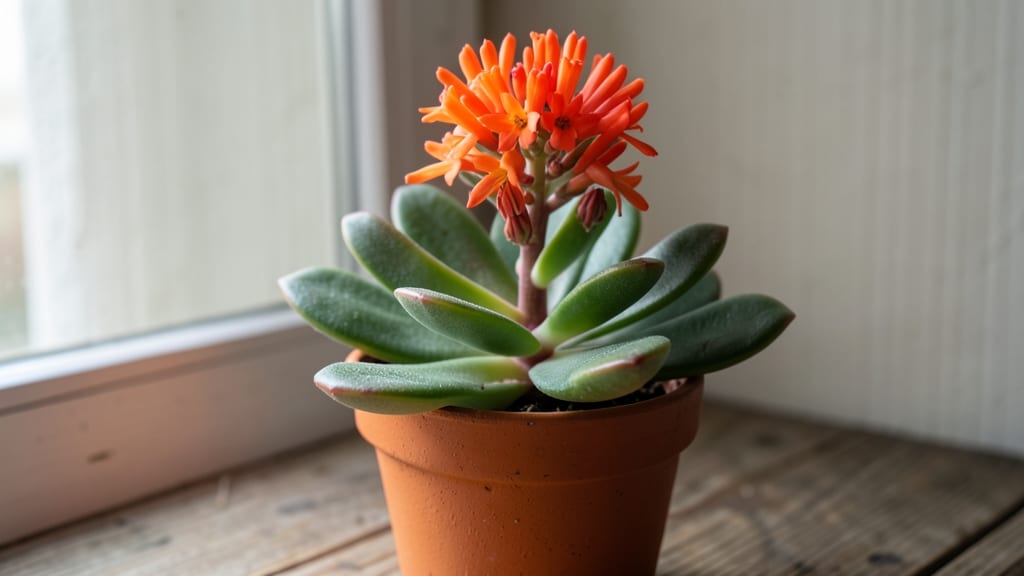
Your container will soon burst with orange flower succulents that smell like citrus sunshine. 🌸 I’ve grown Kalanchoe blossfeldiana and Echeveria ‘Lola’ for years, and the secret to their vibrant blooms isn’t complicated—just light, timing, and a little patience.
These plants thrive in small spaces, turning terraces and windowsills into fragrant displays.
Start with well-draining soil and a pot with drainage holes—no fancy tools needed. Place them in bright, indirect light (south-facing windows work best), and water only when the top inch of soil feels dry.
Overwatering is the quickest way to kill these tough beauties, but they’ll forgive occasional neglect. The real magic happens when you trigger blooming with 12 hours of darkness for 6 weeks straight.
You’ll end up with clusters of bright orange flowers that last for weeks, filling your space with a sweet, citrusy scent. Even the leaves stay plump and colorful, making these succulents a year-round showstopper. The best part? They’re nearly pest-proof and adaptable to indoor or outdoor containers.
Whether you’re a beginner or a seasoned grower, these tips will keep your orange flower succulents thriving. Let’s get those blooms going—your containers (and neighbors) will thank you.
📚 In This Guide
- What you need
- Instructions
- Tips and common mistakes
- Wrapping up and next steps
What you need
- ● Orange flower succulent plant: 1 healthy cutting or nursery-grown specimen (3–6 inches tall). Pro tip: Look for vibrant orange blooms or lush green rosettes!
- ● Well-draining potting mix: 2–3 gallons of blank">cactus/succulent blend (or DIY: 60% potting soil + 40% perlite/pumice).
- ○ Container: 1 pot with drainage holes (4–6 inches in diameter). Optional: A cache pot for aesthetics!
- ● Gravel or pebbles: Small stones (½ cup) for the pot’s base to prevent root rot.
- ● Trowel or small shovel: For planting and repotting.
- ● Spray bottle: To mist leaves lightly (especially in dry climates).
- ○ Fertilizer: 1 balanced blank">succulent fertilizer (diluted to half-strength). Optional: Fish emulsion for a nutrient boost!
- ● Pruning shears: For trimming dead leaves or leggy stems.
- ● Gloves: To protect hands from prickly leaves (some varieties have tiny hairs!).
- ● Sunlight: A south- or west-facing window (or grow lights for 6–8 hours/day).
- ● Temperature: Ideal range: 65–80°F (18–27°C). Avoid frost!
- ● Watering routine: Patience! Water only when soil is completely dry (every 2–3 weeks).
Step-by-step instructions for cultivating orange flower succulents in containers
Here’s how to coax vibrant, fragrant blooms from these drought-loving beauties—with minimal fuss.
🪴 Step 1: Select the Right Container and Soil Mix
Choose a terracotta pot with drainage holes (4-6 inches deep) for each plant—this mimics their natural rocky habitat and prevents root rot. The well-draining cactus/succulent mix you’ve selected is key; it should feel gritty and dry out quickly between waterings. If your mix lacks perlite, add 1 part perlite to 3 parts soil to improve aeration.
Fill the pot ¾ full with the mix, leaving room for the plant’s root ball. Tap the container gently on the table to settle the soil without compacting it. Here’s the thing—orange flower succulents hate soggy roots, so never use garden soil or anything that retains moisture. If your mix feels dense, add a handful of pumice or coarse sand to boost drainage.
☀️ Step 2: Position for Bright, Indirect Light
Place your pots in a location with 6-8 hours of bright, indirect sunlight daily—think east or west-facing windows. Direct midday sun can scorch their delicate leaves, especially in summer. If your home lacks natural light, a full-spectrum LED grow light (12-16 inches away) for 10-12 hours daily works wonders.
Watch for signs of stress: pale, stretched stems mean it’s too dark, while reddened or crispy leaves signal too much sun. Rotate the pot quarter-turn weekly so growth stays even. I’ve found that these succulents thrive near kitchen windowsills or on sunny patios, as long as they’re shielded from harsh afternoon rays.
💧 Step 3: Water Sparingly and Encourage Blooming
Water only when the top 2 inches of soil feel completely dry—this usually means every 2-3 weeks in spring/fall, and once a month in winter. Stick your finger in the soil; if it’s damp, wait. Overwatering is the #1 killer of succulents, and these orange bloomers are no exception. When watering, soak the soil until it drains freely from the bottom, then empty the saucer to prevent root rot.
To trigger blooms, mimic their seasonal dry periods: reduce watering by half in late fall and avoid fertilizing. In early spring, resume watering and feed with a diluted succulent fertilizer (½ strength) every 4-6 weeks. You’ll see buds form after 8-12 weeks of consistent care—patience is key here.
✂️ Step 4: Prune and Propagate for Long-Term Growth
Deadhead spent blooms by snipping stems at the base with clean, sharp scissors—this redirects energy to new growth. If your plant outgrows its pot (usually after 2-3 years), repot in spring using fresh cactus mix. Gently remove the plant, trim 10-15% of the oldest roots, and place it in a pot just 1-2 inches larger in diameter.
Propagate easily from stem cuttings: Let a healthy stem dry for 1-2 days, then place it on top of the soil mix. Roots will form in 3-4 weeks. Here’s a pro tip—I often propagate in summer when the plant is actively growing, and by fall, I’ve got 2-3 new plants ready for gifting or expanding my collection.
Tips & tricks for perfect orange flower succulent care
Here’s what I’ve learned after years of coaxing these fragrant beauties to thrive—simple secrets that make all the difference.
Soil Mix Precision: When mixing your cactus/succulent soil, aim for a texture that resembles coarse sand—this mimics their desert origins. I like to add 20% perlite by volume to ensure rapid drainage. The key is preventing moisture retention: if water pools on top after 10 minutes, your mix needs more perlite or sand. For extra insurance, sprinkle a thin layer of gravel or small pebbles on top of the soil before planting to create a natural capillary break.
Lighting Strategy: Those 6-8 hours of bright, indirect light are non-negotiable, but here’s the trick: if you notice leaves stretching toward the light (called etiolation), your plant needs more intensity. Move it 2-3 inches closer to the window or supplement with a grow light. For winter months when daylight is scarce, I boost light exposure to 10-12 hours daily using a simple LED bulb—this prevents the "winter blues" that cause bud drop.
Bloom Trigger Technique: The secret to those vibrant orange flowers lies in your late fall water reduction. When you cut watering by half, you’re mimicking their natural dormancy period. Here’s what nobody tells you—pair this with a cool nighttime environment (55-60°F) for 4-6 weeks. This temperature drop combined with reduced water signals the plant to focus energy on bud formation rather than growth. I’ve seen buds appear as early as 6 weeks with this method.
Propagation Timing: Summer is prime time for propagating stem cuttings because the plant’s active growth means faster root development. After cutting, let stems dry for 1-2 days in a shaded spot—this callusing step prevents rot. Place cuttings on top of the soil (not buried) and keep them in bright, indirect light with 50% humidity (a clear plastic bag works). Roots will form in 3-4 weeks, but don’t rush to water—wait until you see tiny roots peeking out before giving them a sip.
Pro Tips for Orange Flower Succulent
- Here’s what I’ve learned after years of coaxing these fragrant beauties to thrive—simple secrets that make all the difference.
- Soil Mix Precision: When mixing your cactus/succulent soil, aim for a texture that resembles coarse sand—this mimics their desert origins.
- Lighting Strategy: Those 6-8 hours of bright, indirect light are non-negotiable, but here’s the trick: if you notice leaves stretching toward the light (called etiolation), your plant needs more intensity.
Frequently asked questions
Got questions about growing your orange flower succulent? You’re not alone! Here are some of the most common concerns—and their solutions—to help you keep your plant thriving.
How often should I water my orange flower succulent?
Water your orange flower succulent only when the soil is completely dry, typically every 2-3 weeks. Overwatering is the #1 killer—stick your finger 1-2 inches into the soil first. In winter, reduce watering to once a month since growth slows.
Why isn’t my succulent blooming?
Orange flower succulents (like Kalanchoe blossfeldiana) need 12+ hours of darkness daily for 6 weeks to trigger blooms. Place it in a dark room at night or use a grow light on a timer. Also, ensure it’s not pot-bound and gets bright, indirect light during the day.
What’s the ideal temperature range for this succulent?
Keep your orange flower succulent in 60–75°F (15–24°C) during the day and avoid drafts below 50°F (10°C). It thrives indoors but can handle brief outdoor exposure in spring/fall. Never let it sit in freezing temps—it’s a tropical beauty!
Can I propagate my orange flower succulent from leaves?
Yes! Snip a healthy leaf, let it callus for 1–2 days, then place it on dry soil. Mist lightly for the first week, then water sparingly. Roots form in 3–4 weeks. Pro tip: Use a small pot to retain moisture until the cutting establishes itself.
How do I treat pests like mealybugs or aphids?
Isolate your plant and wipe off pests with a soapy water solution (1 tsp mild soap + 1 cup water). For stubborn infestations, spray with neem oil (1 tsp per cup of water) weekly. Keep humidity low and inspect new leaves often to catch issues early.
Wrapping up and next steps
Growing an orange flower succulent is a rewarding journey that brings vibrant color and sweet fragrance to your space—even in small containers! 🌸 With the right soil, sunlight, and care, these stunning plants can thrive year-round, offering a burst of cheerful blooms.
Whether you're a beginner or a seasoned gardener, your efforts will pay off with lush, fragrant success.
Ready to level up your indoor garden? Start by choosing your favorite variety (like Kalanchoe blossfeldiana or Jasminocereus thouarsii) and grab your supplies. Then, follow the steps above to nurture your succulent into a blooming masterpiece—your home (and senses!) will thank you.