
Companion Plants
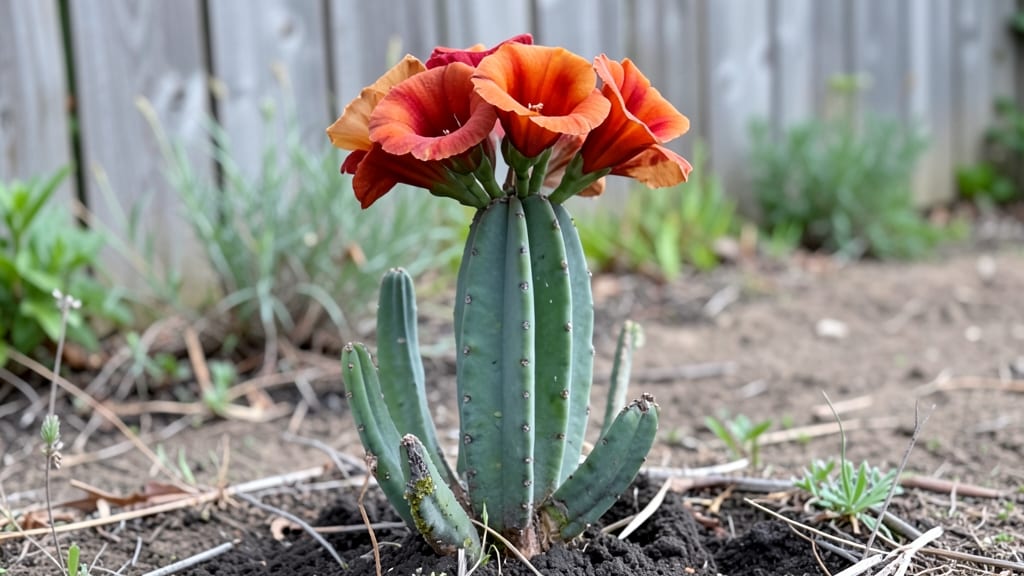
There’s nothing like the first burst of orange fire from a cactus plant with orange flowers to turn your windowsill into a desert oasis—especially when it’s the Echinocereus dasyacanthus (hedgehog cactus) or Hylocereus (night-blooming cereus) doing the magic. 🌵 The best part?
You don’t need a greenhouse to grow them. showstopping blooms. My first hedgehog cactus surprised me with bright orange flowers after just two years, and now I’ve got three more waiting to bloom.
These sun-lovers thrive on neglect, but they do need the right mix: bright, direct light (even artificial grow lights work), well-draining soil (cactus/succulent mix with perlite), and water only when the soil is bone-dry.
Overwatering is the #1 killer, but under-watering won’t stop those flowers from popping up when conditions are right. A balanced fertilizer in spring and summer keeps them happy without fuss.
What you’ll end up with is a year-round conversation piece—even when not in bloom, their sculptural shapes add texture. The Hylocereus rewards patience with moonlit white-orange flowers that last just one night, while the Echinocereus blooms during the day with bold, trumpet-shaped orange flowers that last for days.
The key? Let them get a little thirsty before watering again.
Works in containers, rock gardens, or even as a houseplant near a sunny window. Once you’ve got the basics down, you can experiment with grafting for even more dramatic blooms—or just enjoy watching nature’s fireworks unfold in your care.
📚 In This Guide
- What you need
- Instructions
- Tips and common mistakes
- Wrapping up and next steps
What you need
- ● Cactus plant (e.g., Echinopsis or Hylocereus varieties known for orange blooms): 1 mature plant (3–6 inches tall) from a nursery or online supplier
- ● OR 2–3 small offsets (pups) from an existing cactus
- ● Well-draining cactus/succulent soil mix: 1 bag (10–15 lbs) of cactus-specific potting mix (avoid regular garden soil—it retains too much moisture!)
- ○ Optional: Add perlite or pumice (1 part perlite to 3 parts soil) for extra drainage
- ● Pot with drainage holes: 1 terracotta or ceramic pot (6–12 inches in diameter, depending on plant size)
- ● Terracotta is ideal—it breathes and prevents root rot!
- ● Gravel or pebbles (for drainage layer): ½ cup of small pebbles or coarse sand
- ● Garden trowel or small shovel (for planting)
- ● Watering can with a narrow spout (to avoid overwatering)
- ● Spray bottle (for misting if humidity is low)
- ● Pruning shears or sterilized knife (for trimming dead blooms or offsets)
- ○ Optional but helpful: Slow-release fertilizer (balanced 10-10-10 or cactus-specific)
- ● Grow lights (if indoors with limited sunlight)
- ● Plant labels (to track varieties)
- ● Sunlight access: A south-facing window (6+ hours of direct sun daily) or a sunny outdoor spot (partial shade in extreme heat).
- ● Patience: Cacti with orange flowers (like Echinopsis) may take 2–5 years to bloom—consistency is key!
- ● Temperature control: Ideal range: 70–95°F (21–35°C). Avoid frost!
Step-by-step guide to growing a stunning orange-blooming cactus
Here's how to cultivate vibrant desert beauty that blooms reliably every year.
🪴 Step 1: Select the Right Cactus Variety for Orange Flowers
For those fiery orange blooms, focus on Echinocactus grusonii (golden barrel cactus) or Hylocereus undatus (night-blooming cereus). These varieties produce the most vivid orange flowers when given proper care. I always verify the species at the nursery—some "orange" cacti are actually hybrids with weaker blooms.
Check the plant's base for signs of maturity—4-5 years old cacti are prime blooming candidates. Younger plants focus energy on root growth rather than flowering. If buying online, confirm the seller specifies "flowering age" plants, as many nurseries sell immature specimens labeled incorrectly.
☀️ Step 2: Position in Full Sun with Strategic Shelter
Place your cactus in 6+ hours of direct sunlight daily, but protect it from midday summer sun (11 AM–3 PM) which can scorch the pads. I use 50% shade cloth during peak heat months—just enough to diffuse intensity while maintaining brightness. The key is morning sun exposure to build energy reserves for flowering.
Rotate the pot quarter-turn weekly so all sides receive even light. You'll notice uneven growth (longer stems on one side) if it's leaning toward the light source. South-facing windows work indoors, but supplement with a grow light 12 inches away for 14 hours daily during winter's shorter days.
💧 Step 3: Master the Watering Schedule for Blooming Success
Water only when the soil is completely dry—stick your finger 2 inches deep. If dry, give a thorough soaking at the base until water runs from the drainage hole. Overwatering is the #1 killer of cacti; I've lost three plants to root rot from well-meaning but overzealous watering.
During active growth (spring–summer), water every 2–3 weeks. Reduce to monthly in fall/winter when growth slows. The goal is to mimic desert rains—deep but infrequent. Always water in the morning so excess drains away before evening humidity sets in.
✂️ Step 4: Fertilize and Prune for Vibrant Blooms
Feed with a balanced 10-10-10 fertilizer diluted to half-strength every 6 weeks during growing season. I mix it into the top inch of soil rather than spraying—this prevents salt buildup that burns delicate roots. Stop fertilizing 2 months before expected blooming time to encourage flower production.
Deadhead spent blooms by twisting them off at the base (no cutting). This redirects energy to new blooms rather than seed production. If your cactus develops pups (offspring), remove them unless you want a cluster—each pup competes with the mother plant for nutrients, potentially reducing flower count.
⏰ Step 5: Trigger Blooming with Temperature Control
Most orange-blooming cacti need a cool period to initiate flowering. In fall, reduce nighttime temperatures to 50–55°F for 6–8 weeks. I move mine to an unheated garage or under a frost cloth during this time. This mimics the desert's winter chill that signals it's time to bloom.
Watch for buds forming—they'll appear as tiny green bumps along the ribs. Once buds form, return to normal temperatures and increase light exposure slightly. With proper care, you'll see full orange blooms within 6–8 weeks of bud appearance. The first flush of flowers often appears in late spring or early summer.
Tips & tricks for perfect orange-blooming cactus care
A few strategic adjustments can transform your desert beauty from a struggling survivor to a vibrant bloomer. Here's what I've learned after watching my own plants go from sad to spectacular.
Selection Tip: When choosing between Echinocactus grusonii and Hylocereus undatus, consider your climate. The golden barrel thrives in hot, dry conditions and produces daytime blooms, while the night-blooming cereus prefers slightly more humidity and opens its flowers after sunset. I've found the golden barrel more forgiving for beginners—it's less particular about nighttime temperatures.
Light Strategy: That 6+ hours of direct sunlight requirement is non-negotiable, but timing matters just as much. Position your cactus to receive morning sun first—this builds its energy reserves for flowering. I've noticed plants that get afternoon sun exclusively often develop sunburned patches, even with shade cloth. For indoor growers, place your plant within 12 inches of a south-facing window and supplement with a grow light during winter's shorter days. The 14-hour daily light exposure is crucial for maintaining that vibrant orange bloom color.
Watering Wisdom: The 2-inch deep soil check is your best friend, but there's a trick to perfecting this: use a chopstick or wooden skewer instead of your finger. This keeps your hands clean and prevents accidentally introducing bacteria through small cuts. I've also found that watering at the base rather than from above prevents moisture from sitting on the pads, which can lead to rot. If you notice water beading on the surface after watering, your soil may be too compacted—consider repotting with a cactus-specific mix.
Cooling Period: That 6-8 week cool period at 50-55°F is where the magic happens. I've experimented with different methods—unheated garages, frost cloths, and even my basement—and found that consistency is key. If your home doesn't get that cool, consider moving your cactus to a cooler part of the house or even a shaded outdoor area during the day while keeping it protected at night. The goal is to mimic the natural temperature drop that triggers blooming. Watch for those tiny green buds forming along the ribs—they're your first sign that the cool period is working!
Pro Tips for Cactus Plant With Orange Flowers
- A few strategic adjustments can transform your desert beauty from a struggling survivor to a vibrant bloomer.
- Selection Tip: When choosing between Echinocactus grusonii and Hylocereus undatus, consider your climate.
- Light Strategy: That 6+ hours of direct sunlight requirement is non-negotiable, but timing matters just as much.
Frequently asked questions
Got questions about your vibrant cactus plant with orange flowers? You’re not alone! Here are answers to the most common queries—from care tips to troubleshooting—to keep your desert beauty blooming bright.
How much sunlight does an orange-flowering cactus need?
These sun-lovers thrive in full sun (6+ hours daily). Place them near a south-facing window or outdoors in hot, dry climates. If indoors, supplement with a grow light for 12–14 hours/day to prevent leggy growth or weak blooms. Pro tip: Rotate pots weekly for even sun exposure!
Why aren’t my orange flowers blooming?
Blooms often skip a year if the cactus lacks stress (like heat/cold swings) or proper dormancy. Try these fixes:
- Reduce water in winter (let soil dry completely between waterings).
- Move outdoors in spring for direct sun (even if potted).
- Fertilize lightly in spring with a low-phosphorus cactus mix.
Can I grow this cactus indoors year-round?
Yes, but conditions matter. Use a well-draining mix (cactus soil + perlite) and a pot with drainage holes. Keep temps between 65–85°F—avoid drafts or AC vents. Warning: Indoor cacti may need artificial light and less water than outdoor plants.
What should I do if my cactus gets root rot?
Act fast! Root rot (from overwatering) is fatal but treatable:
- Remove the cactus from soil and trim black, mushy roots with sterilized scissors.
- Dip healthy roots in cinnamon powder (natural antifungal) or hydrogen peroxide (3%).
- Repot in fresh, dry soil and hold off on watering for 2 weeks.
Are there orange-flowering cactus alternatives for shady spots?
If your space lacks sun, try these low-light-tolerant (but still drought-loving) options:
Plant
Orange Flowers?
Light Needs
Kalanchoe blossfeldiana (Flame Flower)
(Bright red-orange)
Bright indirect light (3–4 hours/day)
Echeveria ‘Lola’ (Succulent)
(Pink blooms, but stunning foliage)
Partial shade (morning sun)
Haworthia ‘Zebra’ (Zebra Plant)
(White/pink flowers)
Low light (office-friendly!)
Wrapping up and next steps
Bringing a cactus plant with orange flowers into your garden is a fantastic way to add vibrant color and low-maintenance beauty to your outdoor space.
These sun-loving plants are perfect for warm climates and can thrive with minimal care, making them an ideal choice for both beginners and seasoned gardeners alike. 🌵✨
Now that you’re armed with the right knowledge, why not take the next step? Plant one today and enjoy the stunning blooms and resilience these cacti bring year after year!
Whether you’re enhancing your desert landscape or adding a pop of color to a sunny patio, these plants are sure to impress.