
Flowers
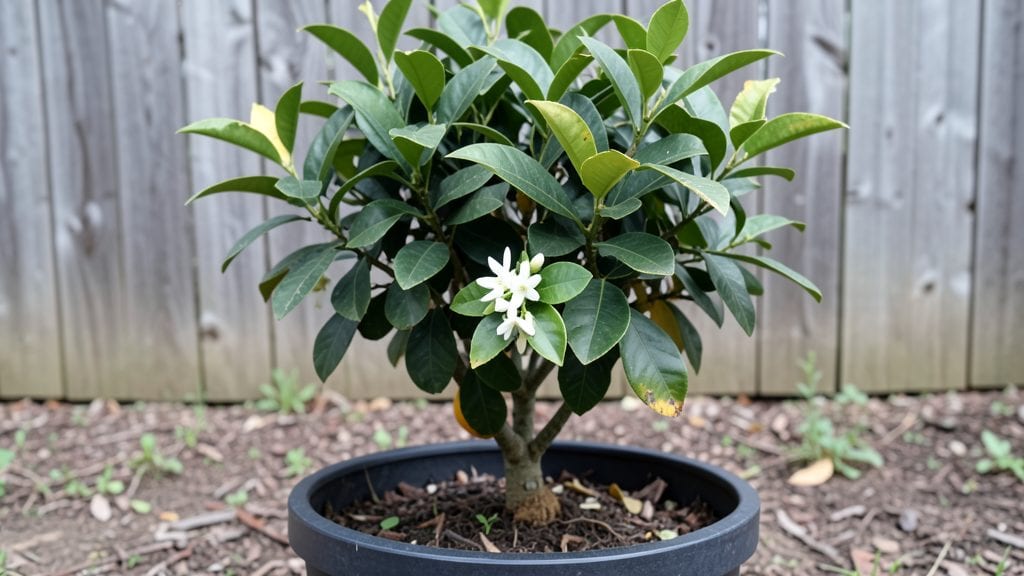
That intoxicating orange Hawaiian flower scent isn't just for vacation—it can be your garden's signature aroma year-round. 🌺 I've grown plumeria and hibiscus for years, and their bold orange blooms and sweet fragrance transform any space into a tropical escape, even in non-coastal climates.
The key lies in mimicking their natural conditions, which turns out to be simpler than you'd think with the right sunlight and care routine.
These flowers thrive in full sun (at least 6 hours daily) and well-draining soil, making them perfect for containers or garden beds. Pair them with fragrant gardenias or purple bougainvillea for a vibrant color palette that screams "Hawaii," while their glossy foliage adds lush texture.
The best part? With proper winter protection, they'll reward you with blooms that last from spring through fall—sometimes even into winter in warmer zones.
Imagine walking past your front door and being greeted by that familiar tropical perfume, or arranging fresh-cut blooms in a vase that fills your home with vacation vibes.
The secret to keeping them lush and fragrant comes down to consistent watering (but never soggy soil) and occasional pruning to encourage bushier growth. With these simple steps, you'll have a garden that feels like a getaway without the plane ticket.
Whether you're creating a full tropical-themed garden or just adding a few containers to your patio, these orange Hawaiian beauties bring instant charm. They adapt well to coastal aesthetics or even urban balconies—just give them the right conditions, and they'll do the rest.
Let's bring that island magic to your outdoor space!
📚 In This Guide
- What you need
- Instructions
- Tips and common mistakes
- Wrapping up and next steps
What you need
- ● Potted Hawaiian flower: Choose a healthy Plumeria or Hibiscus plant (1-3 plants, depending on pot size). Look for vibrant orange blooms and lush green leaves!
- ● Well-draining potting mix: 5-10 lbs of a blend designed for tropical plants (or mix 60% coconut coir, 30% perlite, and 10% orchid bark).
- ● Pot with drainage holes: A container 12-18 inches in diameter (terracotta or ceramic works best).
- ● Slow-release fertilizer: A balanced 10-10-10 or 20-20-20 formula (1-2 tbsp per plant).
- ● Watering can with a gentle spray nozzle: Avoid overwatering—these flowers hate soggy roots!
- ● Pruning shears: Sharp, clean shears for trimming dead blooms or shaping the plant.
- ○ Gloves (optional): Protect your hands from sap or thorns (especially for Hibiscus).
- ● Sunlight access: A spot with 6+ hours of direct sunlight daily (south-facing window or outdoor balcony).
- ○ Humidity tray or humidifier (optional): Helps mimic tropical conditions if your home is dry.
- ○ Mulch (optional): A thin layer of bark or stones to retain moisture and regulate soil temperature.
Step-by-Step guide to growing the vibrant orange Hawaiian flower
Here's how I bring this tropical beauty into my garden—simple steps for year-round fragrance.
🌱 Step 1: Choose the Right Variety and Planting Site
The most common orange Hawaiian flower is the plumeria, often called frangipani. Pick a healthy young plant from a nursery—look for thick, sturdy stems and glossy leaves. Plumerias thrive in full sun (at least 6 hours daily), so pick a spot that gets direct light most of the day.
If you're planting in the ground, test the soil first—plumerias hate soggy roots. Amend heavy clay with 2-3 inches of coarse sand or perlite to improve drainage. I always plant mine slightly above ground level to prevent water pooling around the base. The reason? Plumerias are tropical but can't tolerate wet feet.
☀️ Step 2: Plant and Provide Ideal Growing Conditions
Dig a hole twice as wide as the root ball but only as deep. Gently remove the plant from its container and loosen any circling roots with your fingers. Place it in the hole so the top of the root ball sits 1 inch above ground level. Fill in with soil and water deeply to settle everything.
Plumerias love warmth—ideal temperatures range from 65-90°F. If you're in a cooler climate, grow them in large containers so you can move them indoors before frost. I keep mine in 15-gallon pots and bring them inside when nights dip below 50°F. Use a well-draining potting mix (never garden soil) to prevent root rot.
💧 Step 3: Water and Fertilize for Lush Growth
Water deeply once a week during the growing season, letting the top 2 inches of soil dry out between waterings. Overwatering is the #1 killer of plumerias—yellow leaves or drooping stems mean you're watering too much. I check moisture by sticking my finger 1 inch into the soil; if it feels dry, it's time to water.
Feed your plumeria every 4-6 weeks with a balanced liquid fertilizer (10-10-10 or 20-20-20) during spring and summer. Cut back to monthly in fall and stop fertilizing in winter. Here's the thing—plumerias grow slowly, so don't overdo it. Too much fertilizer burns roots and causes leaf drop.
✂️ Step 4: Prune and Encourage Blooms
Prune in late winter or early spring before new growth starts. Cut back leggy stems to encourage bushier growth and more flowers. I make clean cuts just above a leaf node (the bump where leaves attach). Remove any dead, diseased, or crossing branches first—they compete for energy and reduce blooms.
Plumerias bloom best when slightly stressed. After flowering, trim back spent blooms by cutting the stem just below the base of the flower. This redirects energy to new growth. If your plant isn't blooming, it might need more sun or a dormant period. I let mine rest indoors in winter, then bring it back to bright light in spring—this triggers blooming.
🌿 Step 5: Protect and Maintain Year-Round
Watch for pests like scale insects or mealybugs, which love plumerias. Wipe leaves with neem oil or insecticidal soap if you spot sticky residue or white cottony patches. I treat mine preventively every 2 months during warm weather to keep pests away.
In frost-prone areas, move plumerias indoors before temperatures drop below 50°F. Place them near a south-facing window or under grow lights for 12-14 hours daily. Reduce watering to every 2-3 weeks in winter—they're semi-dormant and need less moisture. With proper care, your orange Hawaiian flower will reward you with fragrant blooms year after year.
Tips & tricks for perfect orange Hawaiian flower growth
A few simple tricks will help your plumeria thrive and bloom like a tropical paradise.
Sunlight Strategy: While Step 1 mentions 6 hours of sun, I've found that plumerias actually love more—up to 8-10 hours daily for maximum blooms. If you notice your plant stretching toward light (a sign of etiolating), it's getting too little. Try moving it to a sunnier spot or supplement with a grow light for 2-3 hours in the evening. The key is mimicking their natural tropical environment where sunlight is abundant.
Soil Test Tip: Before amending your soil as mentioned in Step 1, do a simple test: grab a handful of moist soil and squeeze it—if it forms a tight ball that doesn't crumble easily, you need more sand or perlite. I've seen plumerias struggle in heavy clay even after amending, so consider using a cactus/succulent mix in containers for guaranteed drainage. The goal is soil that feels like a damp sponge, not wet cement.
Watering Wisdom: The once-a-week watering in Step 3 works, but here's the thing about plumerias: they're drought-tolerant once established. I've had mine survive 2 weeks without water in summer heat—just check that top 2 inches are bone dry before watering again. The secret is letting them develop deep roots that can access moisture. Overwatering is the silent killer, so if your leaves start yellowing, cut back immediately.
Fertilizer Timing: When feeding every 4-6 weeks as recommended, I've found that applying fertilizer right after a deep watering helps prevent root burn. Think of it like giving your plant a drink first, then a snack. Also, reduce fertilizer strength by half if you notice new growth with yellow edges—this is your plant's way of saying "too much!" The slow growth nature of plumerias means they don't need heavy feeding like fast-growing annuals.
Pro Tips for Orange Hawaiian Flower
- A few simple tricks will help your plumeria thrive and bloom like a tropical paradise.
- Sunlight Strategy: While Step 1 mentions 6 hours of sun, I've found that plumerias actually love more—up to 8-10 hours daily for maximum blooms.
- Soil Test Tip: Before amending your soil as mentioned in Step 1, do a simple test: grab a handful of moist soil and squeeze it—if it forms a tight ball that doesn't crumble easily, you need more sand or perlite.
Frequently asked questions
Got questions about nurturing your orange Hawaiian flower (like the vibrant Plumeria or Hibiscus)? You’re in the right place! Here are answers to the most common queries—so you can keep your tropical blooms thriving with confidence.
What’s the best way to care for an orange Hawaiian flower indoors?
Orange Hawaiian flowers like Plumeria love bright, indirect light (think east or south-facing windows). Keep soil slightly moist but well-draining—overwatering is their #1 enemy! Use a potting mix for tropical plants and fertilize lightly every 4-6 weeks during spring/summer. A humidity tray or occasional misting mimics their native climate.
How long does it take for an orange Hawaiian flower to bloom?
Patience is key! New plants may take 6–12 months to bloom, especially if they’re adjusting to indoor conditions. Mature plants (1–2 years old) typically flower seasonally, with peak blooms in spring and summer. Hibiscus can bloom year-round with consistent care, while Plumeria often rests in winter.
Can I grow an orange Hawaiian flower in a pot year-round?
Just follow these tips:
- Winter care: Reduce watering and move pots to a cooler spot (50–60°F).
- Container size: Choose pots with drainage holes and upgrade to 1–2 inches larger when roots outgrow their space.
- Outdoor prep: If you move it outside in summer, acclimate it gradually to avoid shock.
Why isn’t my orange Hawaiian flower blooming?
No blooms? Check these common culprits:
- Light deficit: Move it closer to a sunny window or add grow lights.
- Over/under-watering: Let soil dry slightly between waterings.
- Nutrient imbalance: Switch to a bloom-boosting fertilizer (high in phosphorus).
- Temperature stress: Keep it away from drafts or extreme heat/cold.
What are some orange Hawaiian flower alternatives for low-light spaces?
If your space lacks bright light, try these low-maintenance orange bloomers:
- Anthurium (glossy, heart-shaped flowers)
- Begonia (vibrant waxy blooms)
- Croton (orange foliage, no flowers but striking color)
- Orange Jasmine (fragrant, thrives in partial shade)
Wrapping up and next steps
The orange Hawaiian flower—like the vibrant plumeria or hibiscus—brings a burst of tropical beauty and fragrance to any space, effortlessly. Whether you’re growing it for its stunning blooms, soothing scent, or year-round charm, this guide has given you the tools to nurture it with confidence. 🌺
Now that you’re armed with tips and answers, why not take the next step? Start with a cutting from a local nursery, or share your newfound passion by gifting a fragrant bloom to a loved one. Your tropical oasis awaits—happy gardening! 🌴