Flowers
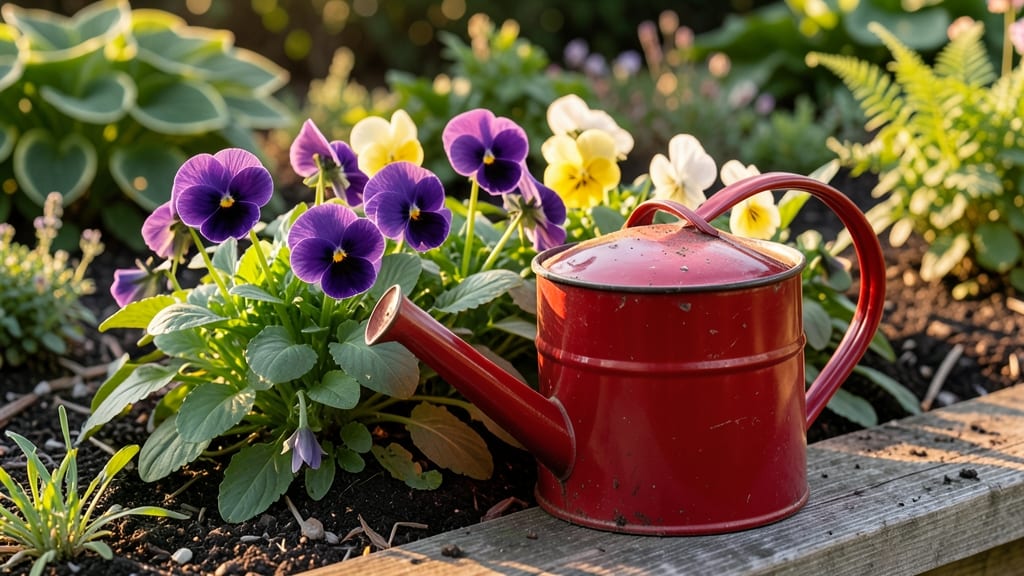
Taking care of pansy flowers means you’ll have cheerful blooms from early spring until frost—no green thumb required. ✨ I’ve grown pansies for years, and their secret lies in cool weather, consistent moisture, and a little strategic pruning.
These hardy flowers thrive where many others falter, turning even average garden beds into vibrant displays.
The key is simple: well-draining soil, partial shade (especially in hotter climates), and gentle watering—never soggy roots. A balanced fertilizer every 4-6 weeks keeps them blooming, while deadheading spent flowers encourages even more blossoms.
Pansies are low-maintenance, but they do need protection from slugs and powdery mildew, which I’ll show you how to prevent.
By late summer, your pansies will still look fresh, their colors popping against fading summer plants. With proper care, they’ll reward you with weeks of continuous blooms, making them the perfect annual for gardeners who want beauty without the fuss. Let’s get those flowers thriving!
Whether you’re planting them in spring or fall, these tips work year-round. The same principles apply whether you’re growing in containers or garden beds—just adjust spacing and watering slightly. Ready to make pansies your go-to garden star?
📚 In This Guide
- What you need
- Instructions
- Tips and common mistakes
- Wrapping up and next steps
What you need
- ● Pansy seeds or seedlings: Choose cold-hardy varieties like Viola × wittrockiana for best results. Start with 5–10 plants (or seeds) for a small patch.
- ● Well-draining potting mix: A blend of peat moss, perlite, and compost (ratio: 40% peat, 30% perlite, 30% compost) works wonders.
- ● Containers or garden beds: For containers: Use pots with drainage holes (6–12 inches in diameter for 1–3 plants each).
- ● For garden beds: Ensure 6+ inches of loose, fertile soil with good airflow.
- ● Slow-release fertilizer: A balanced 10-10-10 or 20-20-20 formula (apply at planting and mid-season).
- ● Watering can or hose with a gentle nozzle: Pansies hate soggy roots—aim for consistent moisture without waterlogging.
- ● Pruning shears: Sharp, clean shears for trimming dead blooms or leggy stems.
- ○ Mulch (optional but helpful): 2–3 inches of straw or shredded bark to retain moisture and suppress weeds.
- ● Shade cloth (30–50% coverage): Protects pansies from intense afternoon sun in hot climates.
- ● Epsom salt (magnesium sulfate): A tablespoon per gallon of water monthly boosts blooms and leaf health.
- ● Compost tea or fish emulsion: For an extra nutrient kick during active growth.
- ● Decorative stakes or cages: Keeps tall varieties upright and adds a cute garden touch!
Step-by-step guide to nurturing pansy flowers for longevity
Pansies thrive with consistent care—here's how to keep them blooming vibrantly all season.
💧 Step 1: Master the Watering Routine
Pansies prefer soil that stays evenly moist but never soggy. Water deeply in the morning so foliage dries by evening—this prevents fungal diseases like powdery mildew. I aim for about 1 inch of water per week, adjusting for rain. Check the soil by pushing your finger 1 inch deep; if it feels dry, it's time to water.
Use a gentle spray or drip irrigation to avoid disturbing the delicate petals. Overhead watering can cause petal spots or even wash away pollen, reducing bloom production. Mulch around plants with 1-2 inches of organic mulch to retain moisture and regulate soil temperature—this is especially important in hot climates.
☀️ Step 2: Position for Optimal Light Exposure
Pansies love full sun to partial shade, but the ideal balance depends on your climate. In hot regions, they perform best with morning sun and afternoon shade to prevent wilting. In cooler areas, they tolerate full sun all day. Watch for leaves turning pale or stems elongating—these are signs of too much sun.
If your pansies start looking stressed, move them to a spot with 4-6 hours of filtered light. They'll reward you with bigger, brighter blooms. I always plant mine where they'll receive dappled shade from nearby trees during peak afternoon heat—this keeps them happy without sacrificing color.
🌱 Step 3: Fertilize for Continuous Blooms
Feed pansies every 3-4 weeks with a balanced, water-soluble fertilizer diluted to half strength. Too much fertilizer burns their tender roots, so I always mix it carefully. Look for a formula with equal parts nitrogen, phosphorus, and potassium (like 10-10-10) to encourage both foliage and flowers.
After the first flush of blooms, switch to a low-nitrogen, high-phosphorus fertilizer to promote more flowers. I like to use a 5-10-10 blend at this stage. Always water the soil thoroughly before and after fertilizing to help the nutrients absorb evenly and prevent root burn.
✂️ Step 4: Deadhead and Prune for Health
Remove spent blooms regularly to encourage new flowers. Simply pinch or snip the faded blossoms just above the first set of healthy leaves. This redirects the plant's energy toward producing more flowers instead of setting seed. I do this every 2-3 days during peak bloom season—it keeps pansies looking fresh and prolific.
If stems become leggy or overcrowded, trim them back by one-third to encourage bushier growth. Avoid cutting into old wood, as pansies won't regrow from mature stems. The best time to prune is in early spring or after a heavy rain when the soil is moist and the plants are actively growing.
⏰ Step 5: Prepare for Seasonal Transitions
Pansies are cold-hardy and can survive light frosts, but they need protection in extreme winter conditions. In zones with heavy snow or sub-zero temperatures, cover plants with 2-3 inches of straw mulch to insulate the roots. Remove the mulch in early spring to allow new growth to emerge without suffocation.
In hot summers, provide afternoon shade and increase watering frequency. If pansies start to wilt in heatwaves, move containers to a shadier spot immediately. Their vibrant colors fade under stress, so consistent care keeps them looking their best year-round.
Tips & tricks for perfect pansy care
Real talk: Pansies seem delicate, but they're tougher than they look once you know the tricks. These small details make all the difference between wilting petals and vibrant, long-lasting blooms.
Watering Wisdom: The 1-inch weekly watering guideline is perfect, but timing matters just as much. I've learned that morning watering isn't just about preventing mildew—it gives the foliage all day to dry completely. If you notice tiny white spots appearing on petals, that's your first sign of powdery mildew from overnight moisture. For container-grown pansies, I add a layer of pebbles to the saucer to create air space and prevent root rot from sitting water.
Light Strategy: That 4-6 hour filtered light window is your sweet spot, but don't overthink it. In my experience, the key is watching your plants' behavior. If leaves start looking pale and stretched (a condition called etiolation), they're begging for more shade. I've had great success placing them under sheer curtains during peak afternoon sun—it diffuses the light perfectly without sacrificing color intensity. This is especially crucial in summer when the sun's most intense.
Fertilizer Timing: The switch from 10-10-10 to 5-10-10 after the first flush of blooms is brilliant, but here's what nobody tells you—pansies actually need a break between feedings. After applying fertilizer, I wait exactly 7 days before watering again. This gives the roots time to absorb nutrients without burning. I've also noticed that pansies in containers need fertilizer about 25% more frequently than in-ground plants—they dry out faster and need that nutrient boost more often.
Pruning Precision: When you're deadheading every 2-3 days during peak bloom, I've found that using clean, sharp scissors makes all the difference. Dull tools crush stems and invite disease. I also make it a habit to sterilize my tools with rubbing alcohol between plants to prevent cross-contamination. For that one-third pruning back, I always cut just above a set of leaves—this ensures new growth will emerge from a strong point rather than bare stem.
Pro Tips for Take Care Of Pansy Flowers
- Real talk: Pansies seem delicate, but they're tougher than they look once you know the tricks. These small details ma...
- Watering Wisdom: The 1-inch weekly watering guideline is perfect, but timing matters just as much. I've learned that ...
- Light Strategy: That 4-6 hour filtered light window is your sweet spot, but don't overthink it. In my experience, the...
Frequently asked questions
Got questions about keeping your pansies thriving?
Here are the answers to the most common concerns—so you can enjoy their vibrant blooms all season long!
Can pansies survive winter, or should I replant them every year?
Pansies are winter-hardy in USDA zones 5-10! In milder climates, they’ll bounce back after a cold snap. In colder zones (below 20°F), mulch heavily or grow them as annuals. Pro tip: Deadhead spent blooms in fall to encourage fresh growth in spring!
How often should I water pansies, and do they need special care in heat?
Water pansies 1-2 inches per week, keeping soil moist but not soggy. In heatwaves, mulch around plants to retain moisture and water early in the morning to reduce evaporation. Avoid wetting leaves to prevent fungal issues like powdery mildew.
What pests or diseases should I watch for, and how do I treat them?
Common pests include aphids, slugs, and spider mites. For aphids, blast them off with water; use beer traps for slugs. Fungal diseases like downy mildew thrive in humidity—improve airflow and avoid overhead watering. Neem oil or insecticidal soap can help with persistent issues.
Can I grow pansies in containers, and what’s the best soil mix?
Pansies thrive in containers with well-draining soil (mix potting soil with perlite or compost). Use a pot at least 6 inches deep and ensure drainage holes are present. Add a slow-release fertilizer at planting time for a nutrient boost.
How do I make pansies bloom longer, or why are mine not flowering?
To encourage blooms, pinch back leggy stems and feed with a balanced fertilizer every 4-6 weeks. Lack of sunlight (they need 4-6 hours of sun daily) or overcrowding can stunt flowering. Deadhead spent blooms regularly to prompt new flowers.
Wrapping up and next steps
Caring for pansies is a rewarding experience that brings vibrant color and charm to your garden with minimal effort! 🌸 With the right balance of sunlight, water, and soil, these cheerful blooms will thrive year-round.
Remember to deadhead spent flowers, protect them from harsh weather, and fertilize occasionally to keep them flourishing.
Now that you’re equipped with the knowledge, roll up your sleeves and give your pansies the love they deserve! Start by planting them in a sunny spot this weekend—your garden (and your neighbors!) will thank you for the burst of color. Happy gardening! 🌱