Flowers
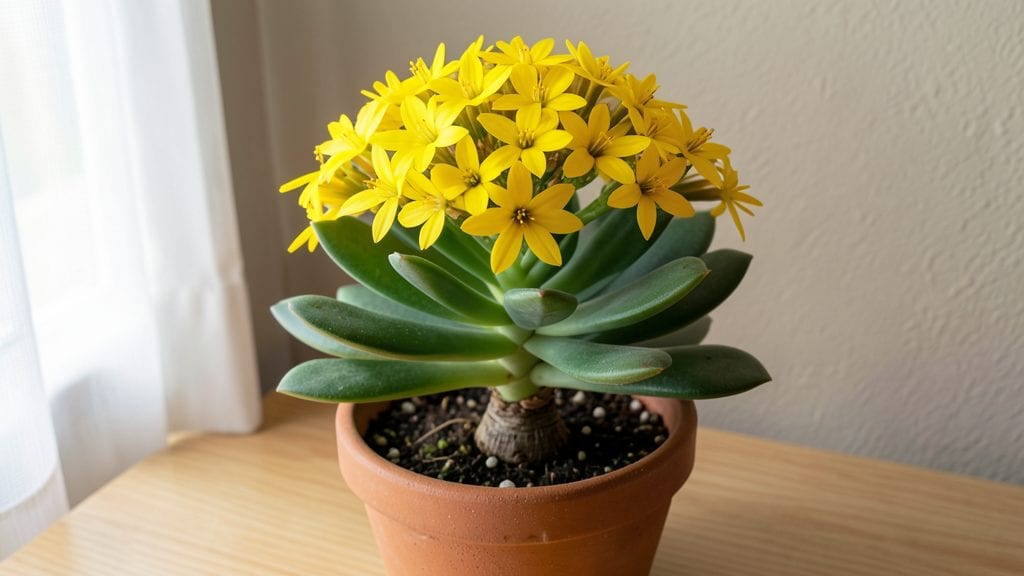
Growing Kalanchoe blossfeldiana with bright yellow blooms is easier than you’d think—these tough little plants thrive on neglect and reward you with months of cheerful color. 🌟 I’ve kept mine flowering for six weeks straight in my sunroom, and the secret isn’t complicated: light, patience, and a firm "hands-off" approach.
The key is mimicking their natural dry, sunny habitat, where they store water in their leaves like tiny succulent sponges.
Yellow varieties like ‘Mango’ or ‘Golden Glow’ need bright, indirect light for at least 6 hours daily—south-facing windows or a grow light work best. Overwatering is the #1 killer, so let the soil dry completely between waterings (stick your finger in—if it’s damp, wait).
When you see leggy stems or sparse blooms, it’s time to adjust: move closer to the light or prune back to encourage bushier growth. The payoff? A plant that blooms reliably with almost no fuss.
📚 In This Guide
- What you need
- Instructions
- Tips and common mistakes
- Wrapping up and next steps
What you need
- ● Kalanchoe Blossfeldiana plant: 1 yellow-flowered variety (nursery-grown or propagated from cuttings/seeds).
- ● Well-draining potting mix: 1 bag (1-2 cubic feet) of cactus/succulent mix or regular potting soil amended with 20-30% perlite or coarse sand.
- ● Pot with drainage holes: 1 container (6-8 inches in diameter) with drainage holes to prevent root rot.
- ○ Gravel or pebbles: Small handful for the pot’s drainage layer (optional but recommended).
- ● Pruning shears or scissors: 1 pair (sterilized with rubbing alcohol).
- ○ Gloves (optional): 1 pair (to protect hands from sap or soil).
- ● Watering can or spray bottle: 1 with a fine rose nozzle for gentle watering.
- ● Fertilizer (balanced or succulent-specific): 1 bottle (5-10-5 or 20-20-20, diluted to half-strength).
- ○ Sunlight meter or grow lights (optional): To monitor light exposure if indoors.
- ● Bright, indirect light: 4-6 hours of sunlight daily (south-facing window or grow lights).
- ● Temperature range: Ideal between 65–75°F (18–24°C); avoid frost (<32°F/0°C).
- ● Humidity: Low to moderate (succulents thrive in dry air).
Step-by-step guide to cultivating Kalanchoe blossfeldiana's vibrant yellow blooms
This hardy succulent thrives with surprisingly little fuss—here's how to coax those cheerful yellow flowers to life.
🌱 Step 1: Select and Prepare Your Planting Containers
Choose containers with drainage holes—terracotta pots work beautifully for this succulent. The 4-inch diameter size is ideal for each plant, allowing roots to spread without becoming waterlogged. I always use a lightweight, well-draining potting mix specifically formulated for succulents and cacti, which prevents root rot.
Fill each container about ¾ full with the mix, then tap gently to settle. The goal is firm but not compacted soil—you should feel slight resistance when pressing your finger in. Add a ¼-inch layer of perlite on top before planting, which helps prevent fungal issues from overwatering.
🌿 Step 2: Plant and Establish Your Kalanchoe
Remove your Kalanchoe from its nursery pot and gently loosen the roots if they're circling. Place it in the center of your prepared container, then fill around the base with additional mix until the plant sits at the same depth it was growing before. Press lightly to secure but don't pack the soil.
Water immediately after planting, but only until water runs freely from the drainage holes. This ensures the roots make full contact with moist soil. Place the pot in a location with bright, indirect light for the first 7-10 days—this helps the plant recover from transplant shock without risking sunburn.
☀️ Step 3: Master the Light Requirements for Blooming
Kalanchoe thrives in full sun to partial shade, but here's the trick: 6 hours of direct sunlight daily triggers the flowering response. If your plant isn't blooming, it's likely getting too little light. I position mine near an east-facing window where they get gentle morning sun and afternoon shade.
Watch for stretched stems—this "leggy" growth means your plant is reaching for more light. If you notice this, move it closer to the light source or supplement with a grow light for 12-14 hours daily. The key is balance: too much direct sun can scorch leaves, but insufficient light prevents flowering.
💧 Step 4: Perfect the Watering Routine for Year-Round Blooms
This is where most people go wrong—Kalanchoe hates soggy soil. Water only when the top 1-2 inches of soil feel completely dry to the touch. I test this by sticking my finger in; if it comes out clean, it's time to water. During winter months, you might only need to water every 3-4 weeks—the plant's natural dormancy reduces its needs.
When you do water, do it thoroughly until water flows from the drainage holes. Empty the saucer afterward to prevent root rot. Overwatering is the #1 killer of Kalanchoe—yellowing leaves or mushy stems are sure signs you're watering too much. Let the plant tell you when it's thirsty rather than following a schedule.
✂️ Step 5: Encourage Repeated Blooming with Strategic Pruning
After flowers fade, cut back the spent stems to just above a leaf node using clean, sharp scissors. This encourages new growth and future blooms. I always make my cuts at a 45-degree angle to prevent water from pooling on the wound, which could lead to rot.
Here's the secret to continuous blooming: provide 12-14 hours of darkness daily for 5-6 weeks before you want flowers. This mimics the plant's natural winter conditions. Cover the plant with a box or move it to a dark closet during evening hours, then return it to light in the morning. You'll see flower buds form within 6-8 weeks of this treatment.
Tips & tricks for perfect Kalanchoe blossfeldiana blooms
Between us, these little plants are far easier to grow than most people realize—they just need a few key tweaks to unlock their full potential.
Container Selection: While terracotta pots are ideal, you can also use ceramic or plastic containers as long as they have drainage holes. The 4-inch diameter is perfect because it gives roots room to spread without becoming waterlogged. If you're using decorative pots without drainage, place a saucer underneath and water sparingly—just enough to keep the soil lightly moist, never soggy.
Light Strategy: That 6 hours of direct sunlight is non-negotiable for blooming, but here's what I've learned: if your plant starts stretching toward the light (those leggy stems), it's begging for more. Move it closer to a south-facing window or supplement with a grow light for 12-14 hours daily. The goal is to keep stems sturdy and compact—this means your plant is getting just the right amount of light without burning.
Watering Wisdom: The finger test is your new best friend. Stick your finger into the top 1-2 inches of soil—if it comes out clean, water. If it's damp, wait another day. During winter, I cut back to every 3-4 weeks because the plant's natural dormancy slows everything down. Pro tip: Always water until it runs from the drainage holes, then empty the saucer immediately to prevent root rot.
Pruning Perfection: When you cut back those spent stems at a 45-degree angle, you're not just cleaning up—you're setting the stage for future blooms. Make sure your scissors are sharp and clean to prevent tearing the stems. After pruning, give your plant a little extra light for a few days to help it recover and start growing new branches that will eventually produce flowers.
Pro Tips for Kalanchoe Blossfeldiana Yellow Flower
- Between us, these little plants are far easier to grow than most people realize—they just need a few key tweaks to unlock their full potential.
- Container Selection: While terracotta pots are ideal, you can also use ceramic or plastic containers as long as they have drainage holes.
- Light Strategy: That 6 hours of direct sunlight is non-negotiable for blooming, but here's what I've learned: if your plant starts stretching toward the light (those leggy stems), it's begging for more.
Frequently asked questions
Got questions about growing Kalanchoe blossfeldiana with vibrant yellow blooms? You’re not alone! Here are answers to the most common queries—from care tips to troubleshooting—to help your plants thrive with confidence.
How cold can Kalanchoe blossfeldiana handle before frost damage?
Kalanchoe blossfeldiana is frost-sensitive—temperatures below 50°F (10°C) can stunt growth, and frost (32°F/0°C) will kill it. Move potted plants indoors or to a sheltered spot before winter. For outdoor plants, mulch the base to insulate roots or cover with frost cloth if nighttime temps drop.
Why isn’t my Kalanchoe blossfeldiana blooming, even after 6 months?
Yellow-flowering Kalanchoe needs 12–14 hours of darkness daily for 4–6 weeks to trigger blooms (called "short-day treatment"). Place it in a closet or cover with a box during evening hours. Avoid bright light during this period. Also, ensure it’s not overwatered—dry soil between waterings encourages flowering!
How often should I water my Kalanchoe blossfeldiana yellow variety?
Water only when the top 1–2 inches of soil are bone-dry—typically every 2–3 weeks in warm weather. Overwatering causes root rot. Use well-draining soil and pots with drainage holes. Yellow leaves? Often a sign of overwatering; let soil dry out completely before watering again.
Can I propagate my Kalanchoe blossfeldiana from cuttings? How?
Yes! Stem cuttings root easily. Snip a healthy stem (4–6 inches long) just below a leaf node, let it callus for 1–2 hours, then place it in sandy or perlite soil. Keep the soil lightly moist and in bright, indirect light. Roots should form in 2–4 weeks. Avoid fertilizing until new growth appears!
What pests commonly attack Kalanchoe blossfeldiana, and how do I get rid of them?
Watch for mealybugs, aphids, or spider mites—signs include sticky residue or tiny webs. Isolate the plant and wipe leaves with a soapy water (1 tsp mild soap per quart of water) or spray with neem oil. For severe infestations, repeat every 5–7 days. Prevent future pests by keeping your plant healthy and dust-free!
Are there yellow-flowering Kalanchoe alternatives if mine struggles?
If Kalanchoe blossfeldiana proves finicky, try these low-maintenance yellow bloomers:
- String of Bananas (Senecio radicans) – Trailing, drought-tolerant, and cheerful.
- Haworthia (Zebra Plant) – Succulent with yellow-green stripes; thrives in bright light.
- Sedum (Stonecrop) – Hardy perennials with clusters of tiny yellow flowers.
Wrapping up and next steps
Growing Kalanchoe blossfeldiana with its vibrant yellow flowers is a rewarding experience—especially when you realize how low-maintenance and frost-tolerant these beauties can be! 🌸 With the right light, soil, and a little patience, you’ll enjoy bursts of color year after year.
Whether you’re a beginner or a seasoned gardener, this cheerful succulent is the perfect addition to your indoor or outdoor space.
Ready to level up your green thumb? Start by gathering your supplies and reviewing common questions—then, grab a pot and get planting! Your future yellow blooms will thank you.