
Flowers
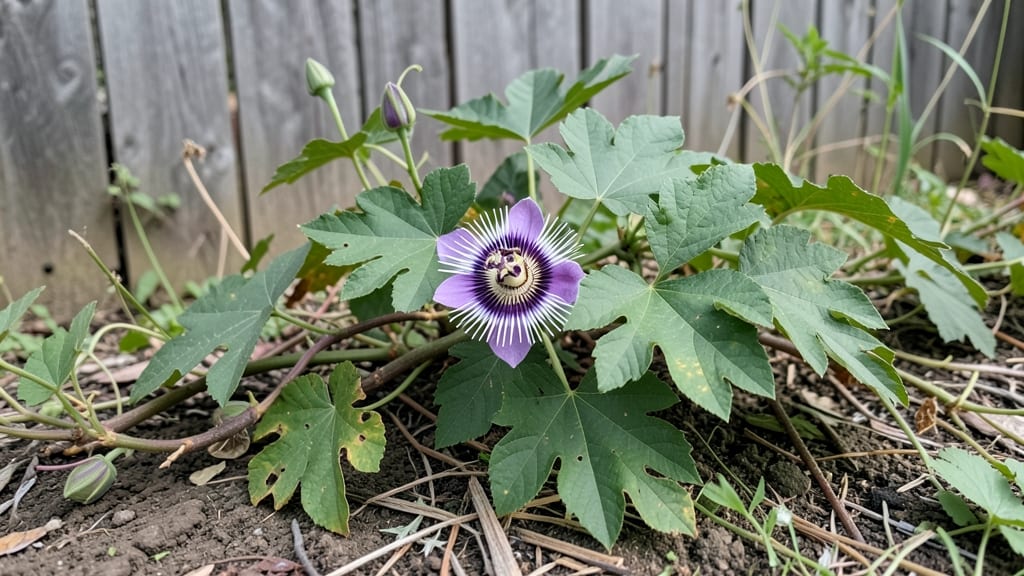
Growing maypop purple passion flower means frost-proof vines that reward you with edible fruit and dramatic blooms—no tropical greenhouse needed. 🌿 I’ve watched this hardy vine thrive through Zone 5 winters, its glossy leaves unfazed by early frost, while neighbors’ tender plants wilted.
The secret lies in its native adaptability, not fussy care.
This vine thrives in partial shade to full sun, tolerates poor soil, and even handles drought once established. You’ll need 6-10 feet of vertical space (trellises or fences work perfectly) and minimal pruning—just remove dead growth in early spring.
The real magic happens in late summer when those 3-inch-wide purple blooms open, followed by papery seed pods that burst into edible pulp.
By mid-fall, you’ll be harvesting maypop fruit—sweet, custard-like pulp that’s a Southern treat, perfect for pies or fresh eating. The vines also double as a pollinator magnet, drawing hummingbirds and bees with their nectar-rich flowers. Even better? It self-seeds reliably, so once planted, it’s almost self-sufficient.
Whether you’re growing for ornamental drama, edible harvests, or wildlife support, this vine delivers. The only challenge? Keeping the vines contained—unless you’re okay with them spreading like a living fence. Ready to grow one that works as hard as you do?
📚 In This Guide
- What you need
- Instructions
- Tips and common mistakes
- Wrapping up and next steps
What you need
- ● Seeds or young plants: 3–5 Passiflora incarnata seeds (or 1–2 nursery-grown plants for faster results).
- ● Well-draining soil: 3–5 gallons of a mix of 60% garden soil, 30% compost, and 10% perlite/sand (for aeration).
- ● Containers or garden bed: For containers: 5–10 gallon pots with drainage holes (1 per plant).
- ● For in-ground planting: A sunny spot with 6+ hours of light and space for vines to spread (10+ feet).
- ● Support structure: A trellis, fence, or sturdy stakes (6–8 feet tall) to guide climbing vines.
- ● Watering can or hose: With a gentle spray nozzle for moisture control.
- ● Organic fertilizer: Balanced 10-10-10 or compost tea (1 cup per plant every 4–6 weeks).
- ● Pruning shears: For trimming dead vines or shaping growth.
- ● Mulch: Straw or wood chips (2–3 inches) to retain moisture and suppress weeds.
- ● pH test kit: To ensure soil pH is 6.0–7.0 (slightly acidic to neutral).
- ● Row cover: Frost cloth (for young plants in colder zones).
- ● Gloves: To protect hands while handling thorny vines.
Step-by-Step instructions for cultivating hardy maypop vines
Here's how to establish thriving maypop passionflower vines that survive frost and reward you with sweet, custard-like fruit.
🌱 Step 1: Select and Prepare Your Planting Site
Choose a location with partial shade to full sun—maypop thrives in dappled sunlight where temperatures stay moderate. The ideal spot receives morning sun and afternoon shade, particularly in hotter climates. Avoid windy areas where young vines might get damaged.
Test your soil's drainage by digging a 12-inch deep hole. If water pools after 30 minutes, amend with 2-3 inches of compost to improve aeration. Maypop vines dislike soggy roots, so prioritize well-draining soil over rich fertility. A slightly acidic to neutral pH (6.0-7.5) works best—test with a soil kit if unsure.
🌿 Step 2: Plant Bare-Root or Container-Grown Vines
Plant in early spring after the last frost or in fall before ground freezes. For bare-root plants, soak the roots in lukewarm water for 1-2 hours before handling. Dig a hole twice as wide as the root ball but no deeper—maypop grows shallow roots that need room to spread horizontally.
Place the vine in the hole, spreading roots gently outward. Fill with native soil, tamping lightly to remove air pockets. Water deeply until moisture reaches 6 inches down. Mulch with 2-3 inches of organic mulch (like shredded bark) to retain moisture and protect roots during temperature swings. Avoid piling mulch against the stem—keep it 2 inches away to prevent rot.
☀️ Step 3: Train Vines and Provide Support Early
Maypop vines grow aggressively—install a 6-foot tall trellis or sturdy arbor at planting to give them structure. Use soft twine or plant ties to guide the main vine upward, securing it every 12 inches as it climbs. The goal is to encourage vertical growth while preventing tangled masses that block sunlight.
Watch for new tendrils (thin, curly growths) that form at leaf nodes. These attach naturally to surfaces, but you'll need to weave them through trellis openings. Prune any competing side shoots that grow below 2 feet off the ground—focus energy on the main vine and its branches. This ensures stronger fruiting later in the season.
💧 Step 4: Water and Fertilize for Frost-Resilient Growth
Water newly planted vines 2-3 times per week for the first month, keeping soil consistently moist but never waterlogged. After establishment, reduce to 1 inch of water weekly, adjusting for rainfall. Maypop's deep roots make it drought-tolerant once established, but young plants need consistent moisture to develop.
Fertilize lightly in early spring with a balanced 10-10-10 fertilizer (apply ½ cup per plant). Avoid high-nitrogen feeds—maypop prioritizes vine growth over fruit production. Instead, side-dress with compost in late summer to support flowering and fruiting. Yellowing leaves signal over-fertilization; flush the soil with water if this occurs.
⏰ Step 5: Prune and Prepare for Winter Hardiness
In late fall, cut back any dead or damaged vines to 6 inches above ground level. Maypop's woody stems survive -10°F with proper care, but young shoots may die back. Prune to encourage new growth from the base in spring. Avoid heavy pruning in early spring—wait until you see new shoots emerge (usually by mid-April in most zones).
Mulch heavily (4-6 inches) around the base before winter to insulate roots. Remove mulch in early spring once temperatures consistently stay above 40°F. Watch for new growth in 4-6 weeks—this confirms the plant survived winter. If no shoots appear by late May, the vine may need replanting.
Tips & tricks for thriving maypop purple passion flower vines
Here's what nobody tells you about growing these hardy vines that'll make all the difference between a struggling plant and a flourishing one.
Soil Prep Secret: That 30-minute drainage test in Step 1 is critical—if water still pools after 30 minutes, you're not done amending. Keep adding compost in 1-inch layers until you achieve proper drainage. I've seen maypop vines fail in heavy clay soil despite compost additions, so test again after each amendment. The goal is to mimic the loose, well-draining conditions of their native habitats where they thrive.
Root Care Technique: When planting bare-root vines in Step 2, don't just plant them—give those roots a spa treatment first. After soaking for 1-2 hours, gently massage the roots between your fingers to encourage root hair development. This simple step can double your establishment success rate. The roots should feel pliable but not mushy when handled properly.
Winter Protection Strategy: That 4-6 inch mulch layer in Step 5 is your vine's winter blanket, but don't just pile it on randomly. Create a donut shape around the base, leaving the center bare. This prevents moisture buildup against the stem while still insulating roots. I've had vines survive -15°F with this method, though the instructions mention -10°F as the threshold—extra protection never hurts.
Pruning Insight: The 2-foot height guideline for pruning side shoots in Step 3 is a great starting point, but don't be afraid to get creative. If you notice vigorous lateral growth below this mark, prune it back to encourage more upward energy toward fruit production. The key is to maintain an open center that allows sunlight penetration—this prevents fungal issues and encourages better fruiting.
Pro Tips for Maypop Purple Passion Flower
- Here's what nobody tells you about growing these hardy vines that'll make all the difference between a struggling plant and a flourishing one.
- Soil Prep Secret: That 30-minute drainage test in Step 1 is critical—if water still pools after 30 minutes, you're not done amending.
- Root Care Technique: When planting bare-root vines in Step 2, don't just plant them—give those roots a spa treatment first.
Frequently asked questions
Got questions about growing maypop purple passion flowers?
Here are the most common ones—plus quick, practical answers to help you cultivate these frost-tolerant vines with ease!
How cold can maypop purple passion flowers tolerate?
Maypop vines are surprisingly hardy! They can survive light frosts down to 15–20°F (-9 to -6°C), making them ideal for USDA zones 7–10. In colder climates, mulch heavily or grow them in containers for winter protection. Young plants may need extra care, but established vines bounce back resiliently.
When is the best time to plant maypop seeds?
For fastest germination, sow seeds in early spring after the last frost when soil temps reach 60°F (15°C). You can also plant in late summer for fall blooms (though fruit may not ripen). Soak seeds overnight to soften the hard outer shell—this trick boosts germination rates!
Why aren’t my passion flowers producing fruit?
Fruit production depends on pollination and healthy growth. Hand-pollinate flowers with a brush if bees are scarce, or plant companion pollinators like bumblebees nearby. Ensure vines get full sun (6+ hours/day) and well-draining soil. Over-fertilizing with nitrogen can also stunt fruit—balance with phosphorus/potassium for blooms!
Can I grow maypop in containers? If so, what’s the ideal pot size?
Maypop thrives in 5-gallon+ containers with drainage holes. Choose a pot at least 18 inches deep to accommodate sprawling roots. Use a light, airy potting mix (like 60% compost, 30% perlite, 10% sand) and prune vines to control growth. Move pots indoors or to a garage during hard freezes.
How do I know when maypop fruit is ripe and ready to eat?
Ripe maypop fruit turns deep purple-black and feels soft when gently squeezed (like a ripe grape). The skin should not be tough or green. Cut open the papery husk to reveal the juicy, grape-like pulp—taste test a small piece first, as some varieties can be tart!
Pro Tip:
Struggling with pests? Neem oil or insecticidal soap works well against aphids and spider mites. For slugs, set out beer traps or use copper tape around pots—maypop leaves are a snack magnet!
Wrapping up and next steps
Growing maypop purple passion flower is a rewarding journey that brings beauty, resilience, and even edible fruit to your garden! 🌿 With its frost-hardy nature and striking blooms, this vine is perfect for both novice and experienced gardeners.
Whether you're drawn to its ornamental appeal or the promise of sweet, tropical-tasting fruit, this plant offers a unique addition to any landscape.
Ready to dive in? Start by gathering your materials and choosing the perfect spot—then watch your garden transform with this hardy, versatile vine. Happy planting! 🌱