Flowers
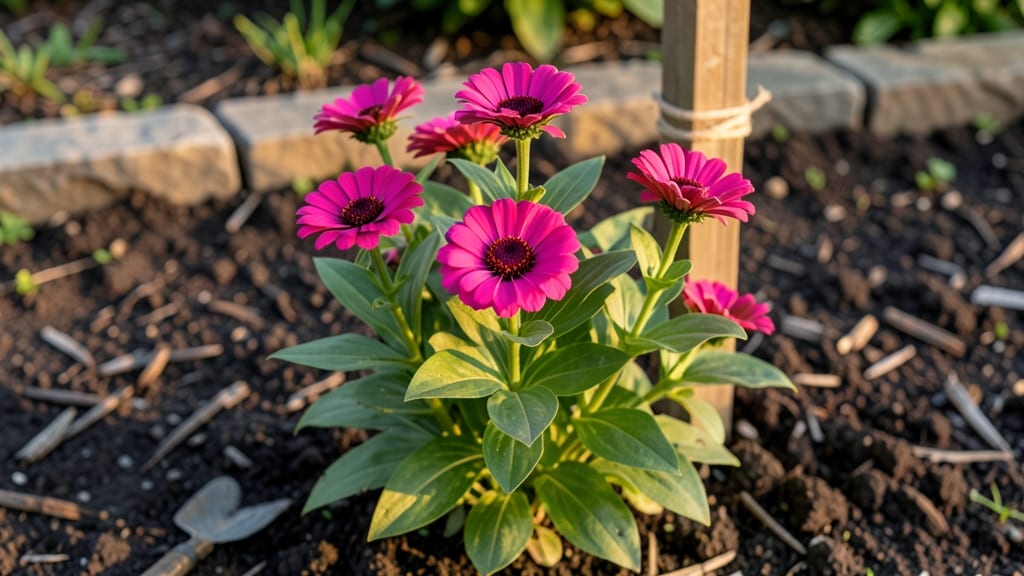
The magenta zinnia flower brought a shockingly lush punch to my garden, its deep purple-pink blooms standing out like beacons against green foliage—I still remember the first time I planted them, transforming a dull summer border into a vibrant focal point. that neighbors kept asking about.
Their bold color isn’t just eye-catching; it’s magnetic, drawing in pollinators while adding drama to arrangements or garden beds.
These zinnias thrive in full sun and well-drained soil, making them perfect for borders, containers, or cutting gardens. Pair them with silver foliage plants like lamb’s ear or dusty miller to make their color pop even more, or mix them with white or yellow blooms for a striking contrast.
Their tall, sturdy stems also hold up beautifully in bouquets, lasting for days in a vase.
What you’ll love most is how effortlessly they elevate any garden design. Whether you’re creating a cottage-style border, a modern container arrangement, or a cutting garden, magenta zinnias add that unexpected wow factor without requiring constant care.
Their long bloom season means fresh color from summer through fall, and they’re tough enough to handle light neglect.
For best results, deadhead spent blooms to encourage more flowers and stake taller varieties to keep them upright. They work equally well in formal gardens or casual plantings, making them a versatile choice for any space. Ready to add some bold, cheerful drama to your garden? Let’s get planting!
📚 In This Guide
- What you need
- Instructions
- Tips and common mistakes
- Wrapping up and next steps
What you need
- ● Magenta Zinnia Seeds: 10–20 seeds (or 1–2 seed packets for a small garden; 3–4 for larger displays). Opt for Zinnia elegans varieties like 'Benary’s Giant' or 'Crystal' for striking magenta blooms.
- ● Well-draining potting mix: 2–3 gallons (for containers) or enriched garden soil (amend with compost for better fertility).
- ● Containers or garden beds: Containers: 5–7" deep pots (1–2 plants per 6" pot). Use fabric pots for better aeration.
- ● Garden beds: Full sun (6+ hours daily) with loose, fertile soil.
- ● Watering can or hose with a gentle spray nozzle: Zinnias need consistent moisture but hate soggy roots.
- ○ Gloves (optional but recommended): Protect your hands from thorny stems and soil.
- ● Hand trowel or small shovel: For transplanting seedlings or loosening soil.
- ● Pruning shears: To deadhead spent blooms and encourage bushier growth.
- ○ Fertilizer (optional): Balanced liquid fertilizer (10-10-10) or slow-release granules.
- ● Fish emulsion or compost tea for organic growth.
- ○ Staking or tomato cages (optional): For taller varieties (e.g., 'Crystal') to prevent flopping.
- ○ Plant labels (optional): Mark varieties if growing multiple types.
How to grow stunning magenta zinnia flowers for your cutting garden
Here's the straightforward approach I've used to grow zinnia blooms that last weeks in vases.
🌱 Step 1: Choose the Right Location and Prepare the Soil
Zinnias thrive in full sun—at least 6-8 hours daily—so pick a spot that gets maximum sunlight. I always test the soil first because zinnias hate soggy roots. Dig a small hole and check the moisture—if it stays wet for more than a few hours, amend with 2-3 inches of compost to improve drainage. The ideal soil feels like a well-squeezed sponge: damp but not dripping.
Zinnias prefer slightly acidic to neutral soil with a pH between 6.0 and 7.0. If your soil is heavy clay, mix in 1 part perlite to 3 parts garden soil to lighten it up. I like to work in a handful of balanced 10-10-10 fertilizer at planting time to give them a strong start. This ensures they'll have the nutrients they need to produce those bold magenta blooms.
🌱 Step 2: Plant Seeds at the Right Depth and Spacing
Sow seeds ¼ inch deep, about 12-18 inches apart for single stems or 6-8 inches apart if you want a fuller look. I plant mine in early spring, 2-3 weeks after the last frost date, when soil temperatures reach at least 60°F. Planting too early in cold soil can delay germination or even rot the seeds.
For a continuous bloom, I make successive plantings every 2 weeks through early summer. This gives you a steady supply of fresh flowers for cutting. After planting, gently water the soil until it's moist but not saturated. You'll see tiny sprouts in 7-14 days—don't be tempted to water from above once they emerge, as this can wash away the delicate seedlings.
☀️ Step 3: Water and Fertilize for Long-Stemmed Blooms
Zinnias are drought-tolerant once established, but they need consistent moisture during their early growth. Water at the base of the plant in the morning to reduce fungal diseases. Aim for 1 inch of water per week, adjusting for rain. Overwatering leads to weak stems, which is a nightmare for cutting gardens—you want sturdy, long-lasting stems.
Feed zinnias with a low-nitrogen, high-phosphorus fertilizer (like 5-10-10) every 4-6 weeks to encourage blooming. I like to side-dress with a slow-release granular fertilizer at midseason to keep them producing those vibrant magenta flowers. Deadhead spent blooms regularly—this redirects energy to new flowers and extends the blooming season.
✂️ Step 4: Harvest for Cutting Garden Success
The key to long-lasting cut flowers is harvesting at the right stage. Cut stems when half the blooms are open—this ensures they'll continue to open in the vase. Use clean, sharp pruners and cut at a 45-degree angle about ½ inch above a leaf node. This encourages bushier growth and more blooms.
Remove any lower leaves that will sit in water, as they can promote bacterial growth. Place stems immediately in lukewarm water and recut the ends every few days to keep them hydrated. With proper care, your magenta zinnias will last 7-10 days in a vase—longer than most cut flowers. For the best results, change the water every 2-3 days and keep them out of direct sunlight while in the vase.
Tips & tricks for perfect magenta zinnia blooms
Here's what I've learned after years of growing these showstopping flowers—simple tricks that make all the difference.
Sunlight Strategy: While zinnias need that full sun (6-8 hours daily), early morning sunlight is even better than harsh afternoon rays. If you're in a hot climate, provide afternoon shade to prevent wilting—especially during peak summer months. I've found that planting near a south-facing fence or wall can create a microclimate that extends their bloom time by nearly 2 weeks.
Soil Prep Secret: Before amending your soil with compost, mix in a handful of egg shells (crushed) at the bottom of your planting hole. The calcium helps prevent blossom end rot, which can ruin those perfect magenta blooms. I also add a sprinkle of wood ash if my soil tests acidic—zinnias prefer that neutral pH between 6.0 and 7.0.
Germination Timing: Those 7-14 days to sprouting can feel like forever, but there's a trick: place your seed trays in a warm spot (like on top of your fridge) until you see sprouts. This mimics spring soil temperatures and speeds up germination. Once they emerge, move them to cooler conditions to prevent leggy seedlings. I've cut germination time from 14 days to just 5-7 days using this method.
Harvesting Hack: When harvesting, don't just cut the stem—gently twist it at the base while pulling upward. This removes the stem cleanly without tearing, which reduces stress on the plant. I also like to harvest in the early morning when stems are fully hydrated, giving me the longest vase life. For extra-long stems, harvest when flowers are just starting to open rather than fully bloomed.
Pro Tips for Magenta Zinnia Flower
- Here's what I've learned after years of growing these showstopping flowers—simple tricks that make all the difference.
- Sunlight Strategy: While zinnias need that full sun (6-8 hours daily), early morning sunlight is even better than har...
- Soil Prep Secret: Before amending your soil with compost, mix in a handful of egg shells (crushed) at the bottom of y...
Frequently asked questions
Got questions about magenta zinnia flowers? You’re not alone! Here are some of the most common inquiries—plus quick answers to help you grow and enjoy these show-stopping blooms with confidence.
How do I keep magenta zinnias fresh in a vase?
Trim stems at an angle (about 1 inch) and change the water every 2–3 days. Add a drop of bleach or floral preservative to prevent bacteria. Keep them away from direct sunlight or drafts—they’ll last 2–3 weeks with proper care!
When is the best time to plant magenta zinnias?
Start seeds indoors 6–8 weeks before your last frost date, or sow directly outdoors after soil warms to 50°F (10°C). For most U.S. zones, aim for April–May. They thrive in summer heat but may bolt in spring if planted too early.
Can magenta zinnias grow in containers?
Choose pots at least 12 inches deep with drainage holes. Use well-draining soil and space plants 8–12 inches apart. Containers help deter pests and make harvesting easier—just ensure they get 6+ hours of sunlight daily.
Why are my magenta zinnias wilting or dropping buds?
Common culprits: overwatering (zinnias hate soggy roots), pests (aphids or spider mites), or stress from extreme heat. Check soil moisture, inspect leaves for bugs, and provide afternoon shade if temps hit 90°F (32°C)+.
What’s the difference between magenta and other zinnia colors?
Magenta zinnias are a deep, vibrant pink-purple (almost raspberry-red). Unlike pastel pinks or true reds, they’re heat-tolerant and hold their color longer. Pro tip: Pair them with white or yellow zinnias for a striking contrast in bouquets!
Wrapping up and next steps
The magenta zinnia isn’t just a flower—it’s a statement! With its vibrant hue and long-lasting beauty, it’s perfect for adding drama to your cutting garden or bouquets. Whether you’re a seasoned gardener or just starting, these bold blooms reward your efforts with stunning results.
Ready to bring more color to your space? Start small—plant a few seeds or cuttings today! Your garden (and future arrangements) will thank you. 🌸✨