
Planting
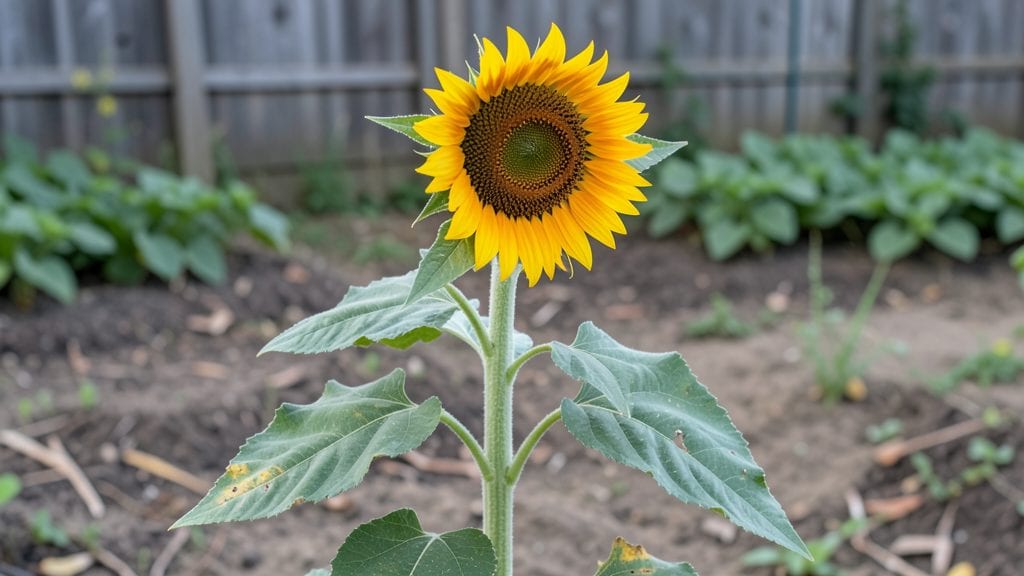
Growing a large sunflower plant that towers over your fence isn’t luck—it’s science, and I’ve cracked the code after watching my first 12-foot giant emerge last summer. The secret starts with the right variety, like ‘Mammoth’ or ‘Russian Giant,’ which push heights beyond 10 feet when given proper care.
These aren’t your childhood sunflower seeds; they’re architectural marvels that turn heads and hummingbirds alike.
You’ll need full sun (6+ hours daily), loose, well-draining soil rich in compost, and plenty of space—these giants need 18–24 inches between plants to avoid competition. Plant seeds ½-inch deep after your last frost when soil hits 60°F, and watch them shoot up like rocket ships.
Water deeply once a week (2–3 gallons per plant) to encourage strong stems, and side-dress with balanced fertilizer mid-season for that extra boost.
By mid-summer, you’ll have stunning 10–12 foot stalks with blooms the size of dinner plates, their petals glowing like golden fireworks against the sky. The key to height is support—stake tall varieties at planting or use a cage system to prevent wind damage.
Prune lower buds early to direct energy upward, and you’ll get one showstopper bloom instead of multiple small ones.
This method works for any climate zone (zones 2–11), though southern gardeners may need shade cloth in peak summer. Even beginners can master it—just remember: patience and consistent care are the real game-changers. Let’s get those seeds in the ground!
📚 In This Guide
- What you need
- Instructions
- Tips and common mistakes
- Wrapping up and next steps
What you need
- ● Sunflower seeds: Choose a variety known for height, like Mammoth or Russian Giant (10-20 seeds per plant).
- ● Well-draining soil: A mix of garden soil, compost, and perlite (equal parts) works best.
- ● Large containers or garden bed: For pots: 12-inch diameter containers (minimum 1 per plant).
- ● For in-ground planting: A sunny spot with at least 6+ hours of sunlight daily.
- ● Watering can or hose: With a gentle spray nozzle for seedlings.
- ● Fertilizer: Balanced 10-10-10 or organic compost (1 cup per plant every 4-6 weeks).
- ○ Stakes or supports (optional but recommended): 6-8 ft tall bamboo stakes or metal cages for windy areas.
- ● Gloves & knee pads: For comfortable planting.
- ● Trowel or hand shovel: For digging holes (2-3 inches deep).
- ● Mulch: Straw or wood chips to retain moisture (spread 2-3 inches around the base).
- ● Pruning shears: To trim dead leaves or encourage bushier growth.
- ● Weather check: Plant after the last frost date in your zone (sunflowers love warmth!).
- ● Slow-release fertilizer pellets for steady growth.
- ● Epsom salt (1 tbsp per gallon of water) for magnesium boosts.
- ● Bird netting to protect blooms from pests.
Step-by-step guide to cultivating towering sunflower plants
Growing sunflowers that reach their full dramatic potential starts with the right foundation.
Select and Prepare the Ideal Planting Site
Choose a location with full sun exposure—at least 8 hours of direct sunlight daily. Sunflowers need this intensity to develop their massive stature and vibrant blooms. Test your spot by observing how much sunlight it receives over a week; if shadows linger past early afternoon, supplement with a reflective surface or move to a sunnier area.
Loosen the soil to a depth of 12-18 inches using a garden fork or tiller. Sunflowers have deep taproots that need room to establish. Amend the soil with 2-3 inches of compost to improve drainage and nutrient availability. The soil should feel crumbly and slightly moist but not soggy—like a well-wrung sponge.
Plant Seeds at the Correct Depth and Spacing
Sow seeds ½ inch deep and 6 inches apart in rows spaced 18-24 inches apart. Planting too shallow risks drying out the seeds, while burying them too deep delays germination. I like to use my finger to create small holes—just enough to cradle the seed without smothering it.
For 4 towering sunflowers, you’ll need about 4 seeds (though germination rates vary). Water gently after planting to settle the soil around the seeds. Keep the area consistently moist but not waterlogged—sunflower seeds rot if overwatered. A light misting with a spray bottle works best until sprouts appear.
Provide Consistent Water and Nutrient Support
Water deeply once a week during the first 4-6 weeks to encourage strong root development. Once seedlings reach 12 inches tall, increase watering to 1-2 inches per week, focusing on the base of the plant. Avoid wetting the leaves to prevent fungal diseases like powdery mildew, which can stunt growth.
Fertilize with a balanced, slow-release fertilizer (10-10-10) when seedlings are 4-6 inches tall. Apply ½ cup per plant and water thoroughly to activate the nutrients. Sunflowers are heavy feeders, so repeat this every 4-6 weeks during the growing season. Yellowing leaves signal a need for more nitrogen, while weak stems may indicate phosphorus or potassium deficiency.
Stake and Support for Maximum Height
When plants reach 3-4 feet tall, install stakes or cages (at least 6-7 feet high) to prevent toppling. Sunflowers can grow 10-12 feet tall under ideal conditions, but strong winds or heavy blooms often snap unsecured stems. Tie the main stem loosely to the stake with soft garden twine, leaving room for growth. Check ties weekly to avoid restricting the plant’s expansion.
Prune lower leaves that touch the ground to improve airflow and reduce disease risk. Remove any side shoots that form below the main head—these divert energy from the primary bloom. The goal is a single, dominant stem with a monstrous floral display at the top. Watch for bud formation in late summer; this is when the plant shifts focus from height to bloom production.
Monitor for Pests and Harvest at Peak Maturity
Keep an eye out for sunflower moths, aphids, or beetles, which can damage leaves and stems. A strong spray of water often dislodges pests, but severe infestations may require neem oil or insecticidal soap. Avoid chemical pesticides, as they can harm pollinators and leave residues on edible seeds.
Harvest seeds when the back of the bloom turns yellow and the petals drop. Cut the head and hang it upside down in a dry, well-ventilated area for 2-3 weeks until the seeds rattle inside. Once dry, rub the head to release seeds for planting next season. For cut flowers, harvest when 75% of petals open—this extends vase life and preserves the plant’s energy for future blooms.
Tips & tricks for growing towering sunflowers
Transforming sunflower seeds into towering giants isn't luck—it's science. These insights will help you maximize height and bloom potential while avoiding common pitfalls.
Sunlight Optimization: The 8 hours of direct sunlight requirement is non-negotiable, but here's the secret: position your plants to capture morning sun first, as this is when they grow most vigorously. If your location has afternoon shade, consider planting near reflective surfaces like white walls or gravel paths to bounce extra light onto the plants during critical growth hours.
Root Development Strategy: When loosening soil to 12-18 inches, don't just stop there. Create a "root trench" by digging a 6-inch deep channel around each plant's perimeter after initial planting. This encourages lateral root growth, which translates to better nutrient and water uptake—critical for supporting those towering stems. Think of it as building a foundation for your skyscraper.
Watering Technique: The transition from weekly watering to 1-2 inches per week at 12 inches tall is crucial, but timing matters just as much. Always water in the early morning so leaves have all day to dry, preventing fungal diseases. I've found that using a soaker hose buried 2 inches deep delivers water directly to roots without wetting foliage, which is particularly effective during the 4-6 week critical growth phase.
Support System Insight: For the 6-7 foot stakes, I recommend using bamboo stakes or metal garden supports rather than wooden ones. They're more stable and won't rot as quickly. When tying, use a figure-eight pattern with garden twine—this allows the stem to grow while providing maximum support. The key is to check ties weekly; I've seen plants outgrow their supports when ties were too tight.
Pro Tips for Large Sunflower Plant
- Transforming sunflower seeds into towering giants isn't luck—it's science.
- Sunlight Optimization: The 8 hours of direct sunlight requirement is non-negotiable, but here's the secret: position your plants to capture morning sun first, as this is when they grow most vigorously.
- Root Development Strategy: When loosening soil to 12-18 inches, don't just stop there.
Frequently asked questions
Got questions about growing large sunflower plants? You’re not alone—these towering beauties can be tricky to master! Here are answers to the most common queries to help you cultivate sunflowers that reach their full potential.
How tall can a large sunflower plant grow?
A Helianthus annuus (common sunflower) can grow anywhere from 6 to 14 feet tall, depending on the variety. Giant varieties like ‘Mammoth’ or ‘Russian Giant’ often exceed 12 feet, while dwarf types stay under 3 feet. Choose your variety based on space and desired height!
How long does it take for a sunflower to reach full height?
Sunflowers grow fast—expect visible growth within 2–3 weeks after planting. Most varieties reach maturity (full height and bloom) in 80–120 days, though giants may take slightly longer. Warm soil and full sun accelerate growth!
Why isn’t my sunflower growing tall?
Stunted growth is often due to poor soil, lack of water, or inadequate sunlight. Ensure your sunflower gets 6+ hours of direct sun daily and 1–2 inches of water per week. Amend soil with compost for nutrients—sunflowers are heavy feeders!
Can I grow sunflowers in containers?
Yes! Dwarf or medium varieties (under 5 feet) thrive in large containers (15+ gallons) with drainage. Use a balanced fertilizer and place pots in full sun. Just avoid giant varieties—they’ll need too much space and support.
Do sunflowers need staking or support?
Tall varieties (over 6 feet) often benefit from staking to prevent toppling in wind or rain. Use bamboo stakes or cages tied loosely to the stem. Avoid over-tightening—sunflowers grow quickly and need room to move!
Can sunflowers survive winter?
Sunflowers are annuals and die back after frost. However, their seeds can sprout in spring if left in the ground. For next year, save seeds from healthy plants or replant fresh seeds in spring when soil warms to 50°F+.
Wrapping up and next steps
Growing a large sunflower plant is a rewarding journey that brings towering beauty and joy to your garden. With the right soil, spacing, and care, you’ll soon be admiring sunflowers that reach their full potential—adding a stunning focal point to your outdoor space. 🌻
Ready to take the next step? Start by selecting your favorite varieties and preparing your garden beds. Whether you’re a beginner or a seasoned gardener, every sunflower you plant is a chance to grow something extraordinary. Happy planting!