
Flowers
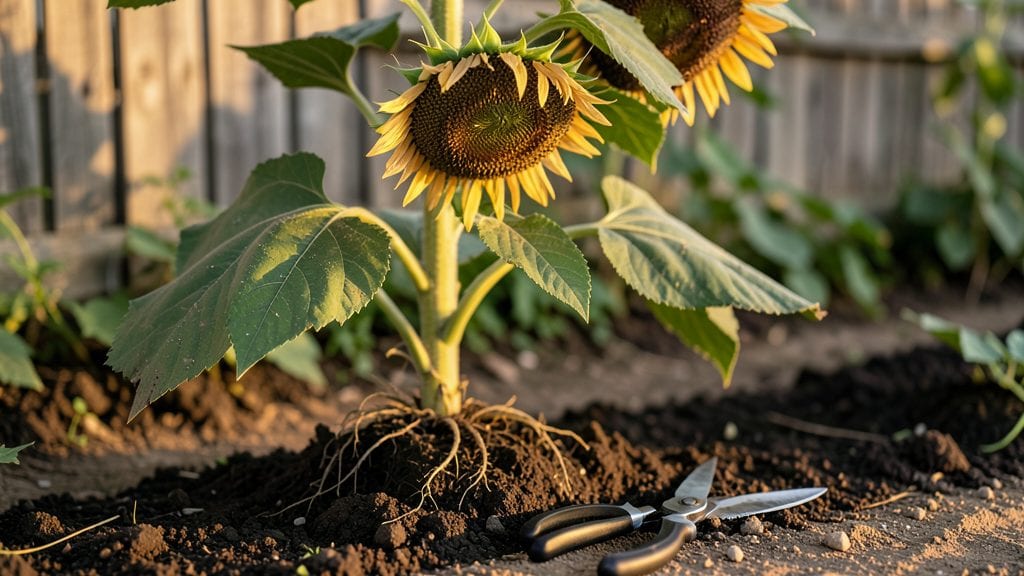
Growing sunflower seeds for cut flowers means long-lasting stems that hold their shape in vases for weeks—not days. 🌻 I learned the hard way that not all sunflowers make good cut flowers, but once I discovered the right varieties and techniques, my bouquets became the envy of the neighborhood.
The secret lies in choosing the right seeds, giving them proper support, and knowing exactly when to plant for summer blooms that last.
You'll need tall varieties like 'Russian Giant' or 'Moulin Rouge,' which develop strong, sturdy stems perfect for arrangements. Plant them in full sun with well-draining soil, and don’t forget to stake them early—this prevents flopping and ensures straight stems.
The best time to sow seeds is 4-6 weeks before your last frost, so they have plenty of time to mature before summer heat arrives.
What you’ll end up with are sunflowers that stay fresh for 10+ days in a vase, their petals vibrant and stems unbroken. The key is consistent watering, removing lower leaves to prevent rot, and harvesting when the buds are just starting to open.
These aren’t just flowers—they’re conversation starters that turn every arrangement into a showstopper.
This method works for container gardens, raised beds, or even small urban spaces—just adjust spacing and support as needed. Whether you're a beginner or a seasoned gardener, these sunflowers will deliver bold, reliable blooms that outshine store-bought bouquets. Ready to grow your own? Let’s get started.
📚 In This Guide
- What you need
- Instructions
- Tips and common mistakes
- Wrapping up and next steps
What you need
- ● Sunflower seeds: Choose cutting varieties like ‘Moulin Rouge’ or ‘Autumn Beauty’ (10–20 seeds per pot or direct-sow 2–3 seeds per spot in the garden).
- ● Containers or garden space: For pots: 12–18" deep containers (1–2 seeds per pot) with drainage holes.
- ● For direct sowing: Well-draining soil in a sunny spot (6+ hours of light daily).
- ● Potting mix: Lightweight, well-draining blend (e.g., 60% peat/coir + 40% perlite/sand). 1–2 gallons per pot.
- ● Watering can or hose: With a gentle spray nozzle to avoid disturbing seeds.
- ○ Plant labels: To track varieties and planting dates (optional but helpful!).
- ● Seed-starting kit: For indoor germination (heat mat, grow lights, or a sunny windowsill).
- ● Fertilizer: Balanced 10-10-10 or slow-release granules (mix 1 tbsp per gallon of soil).
- ● Support stakes: 3–4 ft tall bamboo stakes or tomato cages for tall varieties.
- ● Pruning shears: Sharp, clean pair for harvesting stems (sterilize with rubbing alcohol!).
- ● Floral preservative: Commercial mix (e.g., Floralife) to extend vase life.
Step-by-Step guide to growing sunflowers for stunning cut flowers
Here's how to cultivate sunflowers that deliver bold, long-lasting blooms for your vase.
🌱 Step 1: Choose the Right Variety and Plant at the Correct Time
Select a cut-flower sunflower variety like 'Moulin Rouge' or 'Autumn Beauty'—these produce large, sturdy stems perfect for arrangements. Plant seeds 4-6 weeks before your last spring frost for summer blooms, or late summer for fall harvests. Sunflowers thrive in full sun (6+ hours daily) and warm soil—wait until nighttime temperatures stay above 50°F before sowing.
I like to start seeds indoors 2-3 weeks early in small pots filled with sterile seed-starting mix, then transplant seedlings after the last frost. This head start ensures taller stems by harvest time. If planting directly outdoors, drop seeds 1 inch deep and 6 inches apart in rows spaced 2 feet apart—this gives roots room to anchor and stems the strength to support heavy blooms.
☀️ Step 2: Provide Consistent Water and Nutrients for Strong Stems
Water deeply once a week after germination, aiming for 1-1.5 inches of water per week—more during dry spells. Keep soil evenly moist but not soggy, as sunflowers hate wet feet. I use a soaker hose to water at the base, which prevents fungal diseases like powdery mildew that can weaken stems. Mulch with 2-3 inches of straw after seedlings emerge to retain moisture and suppress weeds.
Fertilize lightly at planting with a balanced 10-10-10 formula, then side-dress with low-nitrogen fertilizer (like 5-10-10) when plants reach 12 inches tall. Too much nitrogen produces leafy growth at the expense of blooms. Watch for yellowing lower leaves—this signals overwatering or nutrient imbalance, but don’t panic. Adjust watering and add a magnesium supplement if needed.
✂️ Step 3: Harvest at Peak Bloom for Long-Lasting Cut Flowers
Harvest sunflowers when 1-2 rows of petals unfurl but the center disk is still tight and green. Cut stems at a 45-degree angle with clean pruners 4-6 inches below the bloom, just above a leaf node. This encourages bushier growth and prevents disease from entering the stem. Remove any side buds that form at the base of the main stem—they’ll steal energy from your cut flower.
Place stems immediately in lukewarm water with a commercial flower food packet (or a pinch of sugar and bleach for DIY). Change the water every 2-3 days and recut stems at an angle to prolong vase life. With proper care, your sunflowers will last 7-10 days—longer than most cut flowers. Store uncut blooms in the fridge overnight if you can’t arrange them right away.
🌿 Step 4: Extend the Season with Succession Planting
For continuous blooms, sow a second batch of seeds 6-8 weeks after your first planting. This ensures fresh cut flowers from mid-summer through fall. Choose dwarf varieties like 'Teddy Bear' for late-season harvests—they’re less prone to storm damage and bolt in cooler weather. Succession planting also prevents overcrowding, which weakens stems and reduces vase life.
Here’s the thing—sunflowers are annuals, so they’ll die back after frost. But save seeds from your best blooms for next year! Let a few heads dry completely on the stem, then rub the disk between your hands to collect seeds. Store them in a cool, dry place for up to 2 years. I label each variety with the harvest year so I don’t mix them up—trust me, you’ll forget which one was the showstopper!
Tips & tricks for growing sunflowers for cut flowers
Here's what I've learned after growing sunflowers for years—these tricks make all the difference for cut-flower quality.
Variety Matters: For the best cut flowers, choose varieties specifically bred for stems like 'Moulin Rouge' or 'Autumn Beauty'—they produce stems 3-4 feet tall with sturdy, thick bases. Avoid giant varieties like 'Mammoth' unless you're growing for display only; their stems are too top-heavy and prone to snapping. The 6-inch spacing in Step 1 gives these varieties the room they need to develop strong stems that won't flop in your vase.
Planting Depth and Depth Perception: When planting seeds 1 inch deep in Step 1, don't press the soil too firmly—sunflower seeds need good soil-to-seed contact but shouldn't be buried deeper than that. I've found that pressing the soil too hard can actually prevent germination. Instead, gently pat the soil around each seed and keep it consistently moist until sprouts appear. This ensures even emergence and prevents weak stems later.
Watering Wisdom: The 1-1.5 inches of water per week guideline in Step 2 is perfect, but timing matters just as much. Water in the early morning so foliage dries quickly—this prevents fungal diseases like powdery mildew that can weaken stems. I've seen sunflowers develop mildew when watered in the evening, even with proper spacing. The soaker hose method mentioned is ideal, but if you don't have one, water at the base using a gentle stream to avoid disturbing the soil around roots.
Harvest Timing Secret: The 1-2 rows of petals unfurled guideline in Step 3 is spot-on, but here's the pro tip: Harvest when the petals are fully unfurled but the center disk is still green and firm. If you wait until the center turns brown, the petals will start wilting within 24 hours. I like to harvest in the early morning when stems are full of water—this gives you the longest vase life. The 45-degree angle cut is crucial too; it creates a larger surface area for water absorption, which keeps stems hydrated longer.
Pro Tips for Sunflower Seeds For Cut Flowers
- Here's what I've learned after growing sunflowers for years—these tricks make all the difference for cut-flower quality.
- Variety Matters: For the best cut flowers, choose varieties specifically bred for stems like 'Moulin Rouge' or 'Autumn Beauty'—they produce stems 3-4 feet tall with sturdy, thick bases.
- Planting Depth and Depth Perception: When planting seeds 1 inch deep in Step 1, don't press the soil too firmly—sunflower seeds need good soil-to-seed contact but shouldn't be buried deeper than that.
Frequently asked questions
Got questions about growing sunflower seeds for stunning cut flowers? You’re not alone! Here are answers to the most common queries to help you achieve show-stopping blooms with ease.
How long does it take for sunflower seeds to grow into cut flowers?
Most sunflower varieties reach full bloom in 80–100 days from planting, depending on the type. Dwarf varieties (like ‘Teddy Bear’) may bloom in as little as 50–60 days, while giant varieties (like ‘Russian Giant’) can take closer to 120 days. Start seeds indoors 2–4 weeks before your last frost for a head start!
Can I grow sunflowers from store-bought seeds, or do I need special seeds?
Store-bought sunflower seeds (from the shell) will work, but heirloom or cut-flower-specific seeds often yield taller stems and larger blooms. Look for varieties labeled “cutting” or “flowering” for the best results. Pro tip: Save seeds from your healthiest blooms for next year!
Why are my sunflower stems weak or bending over?
Weak stems usually mean overcrowding, poor soil, or lack of support. Thin seedlings to 12–18 inches apart and stake tall varieties early with bamboo stakes or tomato cages. Ensure they get 6+ hours of sunlight daily and water at the base (not the leaves) to prevent fungal issues.
What’s the best way to harvest sunflowers for long-lasting cut flowers?
Harvest when 1–3 flower buds are fully open (usually morning). Cut stems at a 45-degree angle with clean shears, leaving 1–2 inches of stem. Strip lower leaves to reduce bacteria in water. Change vase water every 2–3 days and add a flower food packet to extend vase life up to 10–14 days!
Are there sunflower alternatives for cut flowers if I don’t have space?
Yes! Try dwarf sunflowers (like ‘Moulin Rouge’), cosmos, or zinnias—they’re low-maintenance and thrive in containers. Even marigolds or celosia offer bold colors with minimal space. Just ensure they get full sun and well-draining soil for the best results.
Wrapping up and next steps
Growing sunflower seeds for cut flowers is a rewarding and budget-friendly way to enjoy long-lasting, vibrant blooms in your home. Whether you’re a gardening newbie or a seasoned pro, these cheerful flowers bring joy and a pop of color to any space—plus, they’re easy to grow! 🌻
Now that you’re armed with the right seeds, tools, and tips, why not take the next step? Start small with a few seeds in your backyard, balcony, or even a sunny windowsill.
Before you know it, you’ll be snipping fresh stems for stunning bouquets that last weeks—and maybe even sharing your success with friends! Happy planting! 🌱