Container Gardens
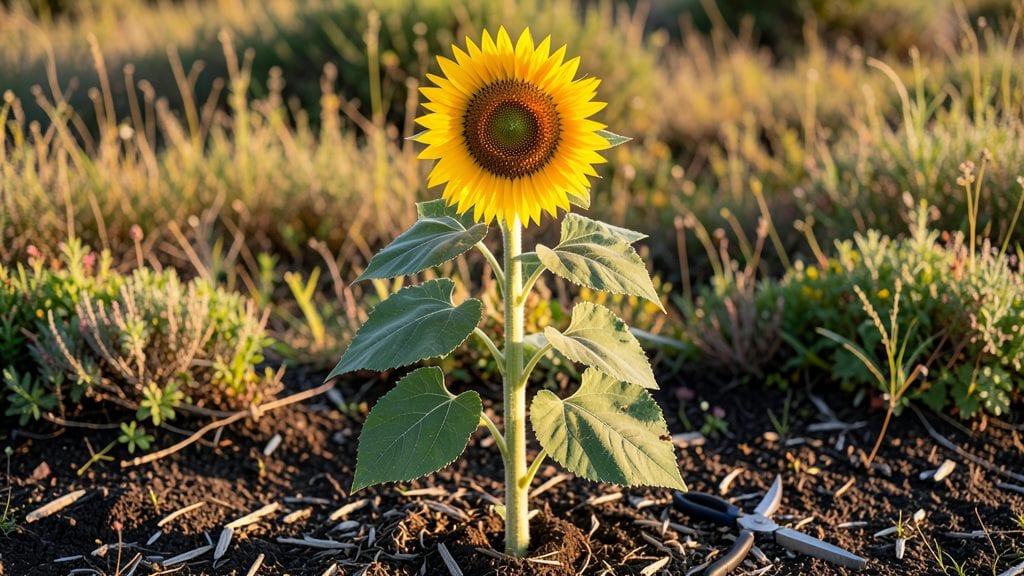
Growing sunflowers outdoors can transform your yard into a summer showstopper in just 90 days—and they’re easier than you’d think.
I’ve watched these cheerful giants go from tiny seeds to 10-foot-tall sunbursts in my own backyard, and the secret isn’t complicated: they thrive on sunlight, patience, and a little space to stretch their legs. The best part?
You don’t need a green thumb—just a sunny patch and a handful of seeds. The magic starts with well-draining soil and a spot that gets full sun (at least 6-8 hours daily).
Sunflowers are low-maintenance but love deep watering—think 1-2 inches per week—and they’ll reward you with blooms that attract bees and birds. Choose dwarf varieties for containers or let the tall ones reach for the sky in open beds.
My kids still point at the first one that pops up every spring like it’s a miracle. By midsummer, you’ll have vibrant yellow (or red, orange, or even bi-color) blooms that make cut flowers or seed treats for wildlife. The stems are sturdy enough for arrangements, and the seeds?
Perfect for feeding birds or roasting. Even if pests like aphids or birds try to crash the party, sunflowers bounce back with minimal fuss. This guide covers everything from soil prep to harvesting, so you can grow sunflowers that’ll have your neighbors asking for cuttings.
Let’s get those seeds in the ground!
📚 In This Guide
- What you need
- Instructions
- Tips and common mistakes
- Wrapping up and next steps
What you need
- ● Sunflower seeds: Choose fast-growing varieties like ‘Mammoth’ (100+ seeds) or ‘Autumn Beauty’ (50+ seeds) for vibrant blooms.
- ● Container or garden bed: Containers: 5-gallon pots (1 per plant) or larger (e.g., 15+ gallons for giant varieties). Ensure drainage holes!
- ● Garden beds: Full sun (6+ hours/day) and loose, well-draining soil (amend with compost if needed).
- ● Potting mix: High-quality, moisture-retentive mix (e.g., 50% compost, 50% garden soil or coconut coir). Avoid heavy clay.
- ● Fertilizer: Balanced, slow-release (10-10-10 or 5-5-5) or organic options like worm castings (1 tbsp per plant at planting).
- ● Watering can or hose: With a gentle spray nozzle to avoid disturbing seedlings.
- ● Gloves & knee pads: For comfortable planting and weeding.
- ● Trowel or small shovel: For digging holes (depth: 1–2 inches for seeds).
- ○ Stakes or trellis: Optional but helpful for tall varieties (e.g., 6–8 ft stakes). Secure with soft ties.
- ● Mulch: Straw or shredded leaves (2–3 inches) to retain moisture and suppress weeds.
- ● Plant markers: Biodegradable labels to track varieties.
- ● Pruning shears: For trimming dead blooms or harvesting seeds later.
How to grow sunflowers outdoors for stunning summer height
Sunflowers reward patience with bold color and towering elegance—here’s how to coax them from seed to sky.
Choose the Right Site and Soil
Sunflowers thrive in full sun, so pick a spot that gets at least 6-8 hours of direct sunlight daily. I always test the location by observing where the sun hits strongest in your yard—this ensures your plants won’t stretch awkwardly toward light later. Avoid low-lying areas where cold air collects, as sunflowers are sensitive to late frosts.
Prepare the soil by loosening it to a depth of 12 inches with a garden fork or tiller. Sunflowers have deep taproots, so breaking up compacted soil prevents root stress. Mix in 2-3 inches of compost to enrich the soil without overdoing nutrients—sunflowers prefer leaner soil to prevent leggy growth. A simple soil test will confirm if your dirt needs extra phosphorus for strong roots.
Plant Seeds at the Correct Depth and Spacing
Direct-sow sunflower seeds ½ inch deep and 6 inches apart in rows spaced 2-3 feet apart. This spacing gives mature plants room to avoid crowding, which can lead to weak stems or disease. I like to plant seeds in small groups of 4-5 for a fuller look, but avoid planting too many in one hole—crowded seedlings compete for resources and often produce smaller blooms.
Water the soil lightly before planting to help seeds settle into place. Once planted, cover seeds with soil and press gently to ensure good seed-to-soil contact. Water deeply right after planting to encourage germination, but avoid soaking the soil—sunflowers hate soggy conditions, which can cause rot. Germination usually takes 7-10 days in warm soil, so keep an eye out for the first green shoots.
Provide Consistent Water and Support
Water sunflowers deeply once a week, aiming for 1-1.5 inches of water per week. I use a soaker hose to deliver moisture directly to the roots, which prevents fungal diseases that splash up from wet foliage. Let the top 2 inches of soil dry out between waterings—this encourages deep root growth and prevents weak stems. Mulch around the base with 2-3 inches of straw or shredded leaves to retain moisture and suppress weeds.
As sunflowers grow taller, they’ll need support, especially in windy areas. I stake taller varieties like ‘Mammoth’ with 3-foot bamboo stakes inserted 6 inches deep near each plant. Tie the stems loosely with soft plant ties or old fabric strips every 12 inches up the stem. Avoid tight bindings—they can restrict growth as the plant thickens. Watch for stems leaning away from the sun; gentle adjustments keep them upright without stress.
Monitor for Pests and Deadhead for Longer Blooms
Sunflowers attract aphids and beetles, but a strong spray of water usually knocks them off. I also introduce ladybugs or lacewings early in the season to control pests naturally. If you notice holes in leaves, handpick larger beetles or use neem oil as a preventive spray. Avoid chemical pesticides—they can harm pollinators and leave residues on edible seed heads.
To extend the blooming season, deadhead spent flowers by snipping off the faded bloom and any seed heads that form. This redirects the plant’s energy into producing new flowers instead of seeds. I do this every 2-3 days during peak bloom, and my sunflowers keep flowering for 6-8 weeks instead of just a few weeks. Harvest seed heads when the back of the flower turns yellow and the petals drop—this signals the seeds are ready for drying.
Tips & tricks for growing towering sunflowers
Sunflowers are forgiving but finicky—here's how to maximize their potential without common pitfalls.
Sunlight Strategy: While the instructions call for 6-8 hours of direct sunlight, I've found that sunflowers planted in the afternoon sun (after 12 PM) actually produce slightly larger blooms. This is because the intense afternoon rays help develop the flower's structure without stressing the plant during cooler morning hours. If you're in a climate with intense midday sun, consider providing afternoon shade for seedlings until they're established.
Soil Preparation Secret: The 2-3 inches of compost recommendation is perfect, but I always add a handful of crushed eggshells to the planting hole for each seed. This provides a slow-release calcium boost that strengthens cell walls, making stems more resistant to wind damage. The eggshells also break down to create tiny air pockets that improve root development—something sunflowers with their deep taproots really appreciate.
Germination Timing: Those 7-10 days for germination can feel like forever, but I've learned to check for moisture consistency rather than just days passed. Press your finger 1 inch into the soil—it should feel like a damp sponge. If it's dry, water immediately, but if it's soggy, wait another day. Sunflower seeds need consistent moisture to germinate, but they'll rot if overwatered during this critical stage.
Support System: For the 3-foot bamboo stakes mentioned, I always cut them at a slight angle on the side facing the prevailing wind. This creates a natural windbreak that helps stabilize the plant without needing to tie it as tightly. When tying, I use old T-shirts cut into strips—they're breathable and won't cut into the stem as it thickens, unlike plastic ties that can girdle the plant over time.
Pro Tips for Growing Sunflowers Outdoors
- Sunflowers are forgiving but finicky—here's how to maximize their potential without common pitfalls.
- Sunlight Strategy: While the instructions call for 6-8 hours of direct sunlight, I've found that sunflowers planted in the afternoon sun (after 12 PM) actually produce slightly larger blooms.
- Soil Preparation Secret: The 2-3 inches of compost recommendation is perfect, but I always add a handful of crushed eggshells to the planting hole for each seed.
Frequently asked questions
Got questions about growing sunflowers outdoors? You’re not alone! Here are answers to the most common queries to help you cultivate happy, healthy blooms with ease.
When is the best time to plant sunflower seeds outdoors?
Sunflowers thrive in warm soil, so wait until after the last frost when nighttime temperatures stay above 50°F (10°C). For most U.S. regions, this means late spring (April–June). If you live in a hot climate, you can plant as early as March. Pro tip: Use a soil thermometer to check—ideal temps are 60–70°F (15–21°C).
How long does it take for sunflowers to grow from seed to bloom?
Most sunflower varieties bloom in 80–100 days from seed, but dwarf types may take as little as 60 days. Factors like sunlight, soil quality, and watering speed up growth. For a quick harvest, choose fast-maturing varieties like 'Moulin Rouge' (60 days) or 'Autumn Beauty' (90 days). Fun fact: Some giant varieties can reach maturity in just 110 days!
How often should I water sunflowers, and do they need a lot?
Sunflowers are drought-tolerant but need 1–2 inches of water per week, especially during flowering. Water deeply at the base (not the leaves) to prevent mildew. Key rule: Let the top inch of soil dry out between waterings. Mulch around the base to retain moisture and keep roots cool. Overwatering can cause root rot, so drainage is critical.
What are the most common pests or diseases, and how do I prevent them?
Sunflowers face a few usual suspects: sunflower moths (lay eggs in buds), aphids (curl leaves), and powdery mildew (white fungus). Prevention tips:
- Rotate crops yearly to avoid soil-borne diseases.
- Use neem oil or insecticidal soap for pests.
- Space plants 12–24 inches apart for airflow (reduces mildew).
- Remove damaged leaves promptly.
Can I grow sunflowers in containers, and what size pot do I need?
Sunflowers adapt well to containers if given enough space. For dwarf varieties (under 5 ft), a 5-gallon pot works. For tall varieties (6+ ft), opt for a 15–20 gallon container with drainage holes. Use a lightweight potting mix and stake tall varieties to prevent tipping. Bonus: Containers let you move plants to follow the sun!
Do sunflowers need full sun, or can they grow in partial shade?
Sunflowers love full sun (6–8+ hours daily) for maximum growth and bloom size. In partial shade (<4 hours of sun), they’ll grow taller but leggy with fewer flowers. If shade is unavoidable, choose shade-tolerant varieties like 'Teddy Bear' and supplement with grow lights if indoors. Watch for: Pale stems or weak blooms in low light.
Wrapping up and next steps
Growing sunflowers outdoors is a rewarding journey that brings vibrant color, joy, and even edible rewards to your garden in just 90 days! With the right soil, sunlight, and care, these cheerful giants will thrive—whether in containers or the ground.
Now that you’re armed with tips and answers, it’s time to grab those seeds and get planting!
🌱 Next step: Pick your favorite sunflower variety, prep your space, and watch your garden transform into a sunlit masterpiece. Happy growing! 🌻