
Landscaping
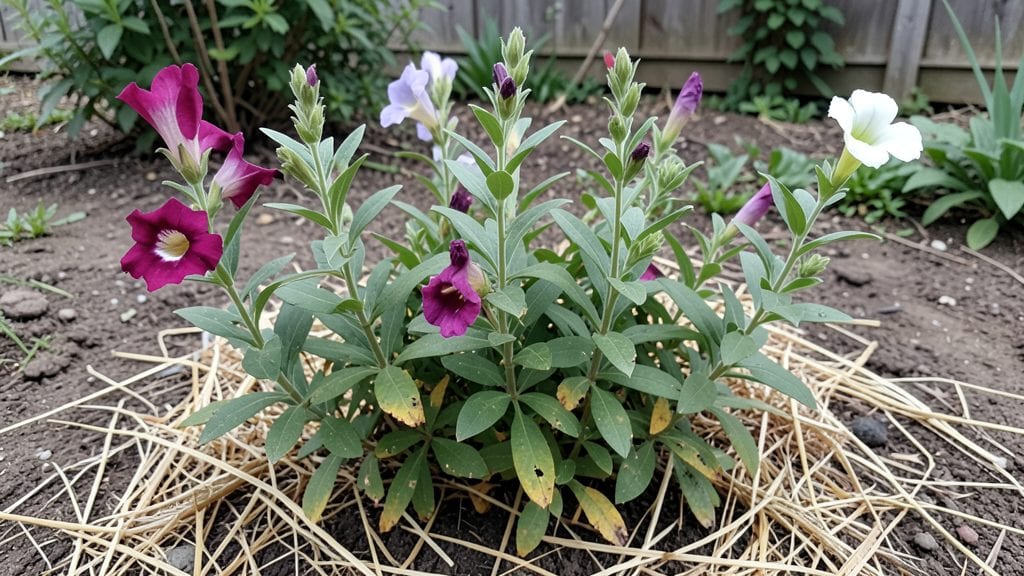
This landscaping snapdragon flower bed transforms your garden into a living painting—blooming from spring to frost with colors that shift effortlessly each month. ✨ The secret isn’t just choosing the right varieties; it’s pairing them with the perfect companions, arranging them in waves. and letting their vertical spikes create natural movement.
My first attempt looked like a wildflower mess until I learned how to layer heights and repeat colors in threes.
Start with a sunny, well-drained spot where snapdragons can stretch their legs—6 hours of sunlight is the minimum. Mix in compost for that first flush of color, and space plants 12-18 inches apart so they don’t crowd each other out.
Pair tall varieties like ‘Black Knight’ with mid-height ‘Sutton’s Improved’ and low ‘Matrix’ for a foolproof height progression that draws the eye upward.
By late summer, you’ll have vibrant spikes in shades of pink, purple, and white that last until frost, with minimal deadheading. The real magic happens when you add lavender, salvia, and ornamental grasses—they fill gaps, repel pests, and extend the season with their own blooms.
Even in my dry summer, this combo stays lush with just weekly watering and an occasional mulch refresh.
This design works for small city gardens or sprawling backyards—just scale the quantities. The key is repetition: repeat your top 3 colors in odd-numbered groupings for that professional look without the professional price tag. Now, let’s get those snapdragons planted!
📚 In This Guide
- What you need
- Instructions
- Tips and common mistakes
- Wrapping up and next steps
What you need
- ● Snapdragon plants: Choose disease-resistant varieties like Antirrhinum majus. Buy 12–24 plants (depending on bed size) for a full, vibrant look.
- ● Well-draining potting soil: 5–10 bags (2–3 cubic feet each) for planting and amending garden beds.
- ● Organic compost: 1–2 bags to enrich soil fertility and improve drainage.
- ● Slow-release fertilizer: 1 bag (10–20 lbs) with a balanced NPK ratio (e.g., 10-10-10) for steady growth.
- ● Mulch: 2–3 bags of shredded bark or pine straw to retain moisture and suppress weeds.
- ● Garden trowel or spade: For digging and planting.
- ● Hand pruners or shears: Sharp, clean tools for trimming spent blooms.
- ● Garden hose with spray nozzle: For watering (or a watering can for smaller beds).
- ● Measuring tape or string: To mark out bed dimensions (e.g., 3’x6’ for a classic design).
- ● Gloves: Heavy-duty work gloves to protect hands from thorns and soil.
- ● Edging materials: Metal or plastic edging to define the bed neatly.
- ● Stakes or cages: For taller snapdragon varieties to support upright growth.
- ● Drip irrigation system: For automated, efficient watering (especially in hot climates).
- ● Companion plants: Marigolds or lavender to deter pests and add color contrast.
How to design a snapdragon flower bed for continuous color
Here's how I create a snapdragon display that blooms from early summer through frost with almost no deadheading.
🌱 Step 1: Choose the Perfect Location and Soil
Snapdragons thrive in full sun to partial shade, with at least 6 hours of direct sunlight daily. I always pick a spot with morning sun and afternoon shade in hot climates—this prevents the flowers from bolting prematurely. The soil should drain well but retain moisture; snapdragons hate soggy roots but also won't tolerate dry spells.
Before planting, work in 2-3 inches of compost into the top 12 inches of soil. Snapdragons prefer slightly alkaline soil (pH 6.7-7.4), so add 1 cup of garden lime per 10 square feet if your soil tests acidic. I like to mix in a slow-release granular fertilizer (10-10-10) at planting time to give the roots a nutrient boost for the entire season.
🪴 Step 2: Plant in Staggered Rows for Extended Blooms
For a 4-foot-wide flower bed, I plant snapdragons in three staggered rows spaced 18 inches apart. This creates a layered look while ensuring each plant gets enough air circulation. Dig holes twice as wide as the root ball but only as deep as the container—planting too deep suffocates the roots.
Here's the key to season-long blooms: stagger your planting dates. Start with half the plants in early spring (4-6 weeks before last frost) and the other half 4-6 weeks later. This ensures you always have fresh blooms as the earlier ones fade. Space each plant 12-18 inches apart in rows, depending on the variety—taller types like 'Black Knight' need more room.
☀️ Step 3: Water Deeply and Mulch for Consistency
Water deeply once a week (about 1 inch total) rather than light daily sprinkles. Snapdragons develop deep roots, and shallow watering encourages weak stems that flop over. The best time to water is early morning—this prevents fungal diseases that thrive in damp foliage overnight.
After watering, apply 2-3 inches of organic mulch (like shredded bark or straw) around each plant, keeping it 2 inches away from the stems. Mulch conserves moisture, regulates soil temperature, and suppresses weeds. Replenish mulch every 4-6 weeks as it breaks down. Avoid synthetic mulches—they can overheat the soil and stress the plants.
✂️ Step 4: Deadhead Strategically for Longer Blooms
Here's the trick to minimal pruning: only deadhead the oldest flowers. Snapdragons naturally produce new blooms from the base, so I remove spent flower spikes (the entire stem down to the first set of leaves) once a week during peak bloom. This encourages the plant to focus energy on new growth rather than seed production.
Use clean, sharp pruners and make cuts at a 45-degree angle just above a leaf node. Avoid cutting into woody stems—this can damage the plant. In late summer, when blooms start to slow, I cut back the entire plant by one-third to promote a fresh flush of flowers before frost. This rejuvenation step is what keeps snapdragons blooming until winter in many climates.
🌿 Step 5: Fertilize and Protect for Season-Long Health
Feed snapdragons with a balanced liquid fertilizer (20-20-20) every 4-6 weeks during the growing season. I mix it at half strength to avoid burning the roots. Stop fertilizing 6 weeks before your first frost—this helps the plants harden off for winter. If you're growing snapdragons as annuals, you can skip this step entirely and rely on the compost you worked in at planting.
Watch for aphids or slugs, which are the most common pests. If you see aphids clustering on new growth, spray with neem oil in the early evening. For slugs, set out beer traps (a shallow dish of beer buried at soil level) near the bed. A few preventive measures now save hours of cleanup later. With this approach, your snapdragons will reward you with bold, vibrant blooms from summer through fall—with almost no maintenance.
Tips & tricks for perfect snapdragon flower beds
Here’s what nobody tells you about creating snapdragon displays that bloom effortlessly all season long.
Sunlight Strategy: In Step 1, the 6 hours of daily sunlight is non-negotiable, but here’s the secret: if your climate gets intense afternoon sun, use dappled shade (like from a sheer curtain or nearby trees) to protect delicate blooms. I’ve seen snapdragons bolt prematurely when exposed to full afternoon sun—this keeps them thriving longer. The morning sun gives them the energy they need without overheating.
Soil pH Precision: Testing your soil’s pH before planting is worth the investment. Snapdragons prefer 6.7-7.4, but most garden soils lean acidic. I’ve found that adding 1 cup of garden lime per 10 square feet (as mentioned in Step 1) can take weeks to adjust the pH—so test again after 2-3 weeks if your soil was very acidic. The goal is to get it just right before planting, not after.
Staggered Planting Payoff: The 4-6 week planting interval in Step 2 is your insurance policy against gaps in blooms. Here’s how to maximize it: buy two batches of plants—one for early spring and one for mid-spring. This way, you’re not scrambling to find replacements later. Pro tip: if you’re in a warm climate, consider a third planting in late summer for a fall extension—just watch for frost dates.
Mulch Maintenance: That 2-3 inches of organic mulch in Step 3 isn’t just for looks—it’s a moisture regulator. I’ve seen snapdragons wilt dramatically when mulch breaks down completely. Set a reminder to check mulch thickness every 4-6 weeks and top it up with fresh straw or shredded bark. A quick visual check (press your finger into the mulch—it should feel slightly damp but not soggy) tells you if it’s doing its job.
Pro Tips for Landscaping Snapdragon Flower Bed
- Here’s what nobody tells you about creating snapdragon displays that bloom effortlessly all season long.
- I’ve seen snapdragons bolt prematurely when exposed to full afternoon sun—this keeps them thriving longer.
- Soil pH Precision: Testing your soil’s pH before planting is worth the investment.
Frequently asked questions
Got questions about creating or maintaining a stunning snapdragon flower bed? You’re not alone! Here are answers to the most common queries to help you achieve that season-long blooming paradise with ease.
How do I choose the best snapdragon varieties for a long-blooming flower bed?
Opt for Antirrhinum majus varieties like ‘Liberty Hybrid’ or ‘Rocket Series’—they’re bred for heat tolerance, disease resistance, and continuous blooms. For shorter beds, try ‘Tom Thumb’; for height, go with ‘Giant Hybrid’. Mix colors (pinks, purples, yellows) for visual appeal and staggered blooming times.
When is the ideal time to plant snapdragons for the longest flowering season?
Plant snapdragons in early spring (2–3 weeks before the last frost) or late summer (6–8 weeks before the first frost) for fall blooms. In mild climates, you can even plant biennial varieties in late summer for winter/early spring flowers. Pro tip: Harden off seedlings for 7–10 days before transplanting!
How often should I water snapdragons, and do they need special care in extreme heat?
Water 1–1.5 inches per week, keeping soil evenly moist (not soggy). In heatwaves, mulch with 2–3 inches of organic matter (straw or shredded leaves) to retain moisture. Avoid overhead watering to prevent mildew. Bonus: Snapdragons close at night—don’t panic, it’s normal!
Do snapdragons really require minimal pruning, or is there a trick to keeping them blooming?
Yes! Deadhead spent blooms weekly to encourage new flowers, but skip heavy pruning—snapdragons bloom on new growth. Trim leggy stems back by 1/3 in early summer to promote bushiness. Avoid cutting into woody stems; focus on soft, green growth.
What are the best companion plants for snapdragons in a flower bed?
Pair snapdragons with low-growing companions like salvia, thyme, or alyssum to fill gaps and deter pests. Avoid planting near tomatoes or cabbage—they compete for nutrients. For height contrast, try lavender or Russian sage. Pro tip: Snapdragons attract pollinators, so they’re perfect near vegetable gardens!
What pests or diseases should I watch for in my snapdragon flower bed?
Keep an eye out for aphids, spider mites, or slugs—spray with neem oil or introduce ladybugs for natural control. Fungal issues like powdery mildew thrive in humidity; improve airflow by spacing plants 12–18 inches apart and water at the base.
Wrapping up and next steps
Creating a stunning snapdragon flower bed is easier than you think—with the right soil, spacing, and a little seasonal care, you’ll enjoy vibrant blooms from spring to frost! 🌸 These hardy plants reward patience with minimal pruning and maximum color, making them a dream for both beginners and seasoned gardeners.
Ready to transform your outdoor space?
Your next step? Sketch a simple layout or grab your gardening tools—start small if needed, and watch your snapdragons thrive! For extra inspiration, explore seasonal companion plants to extend your bed’s beauty even further.