
Blooming
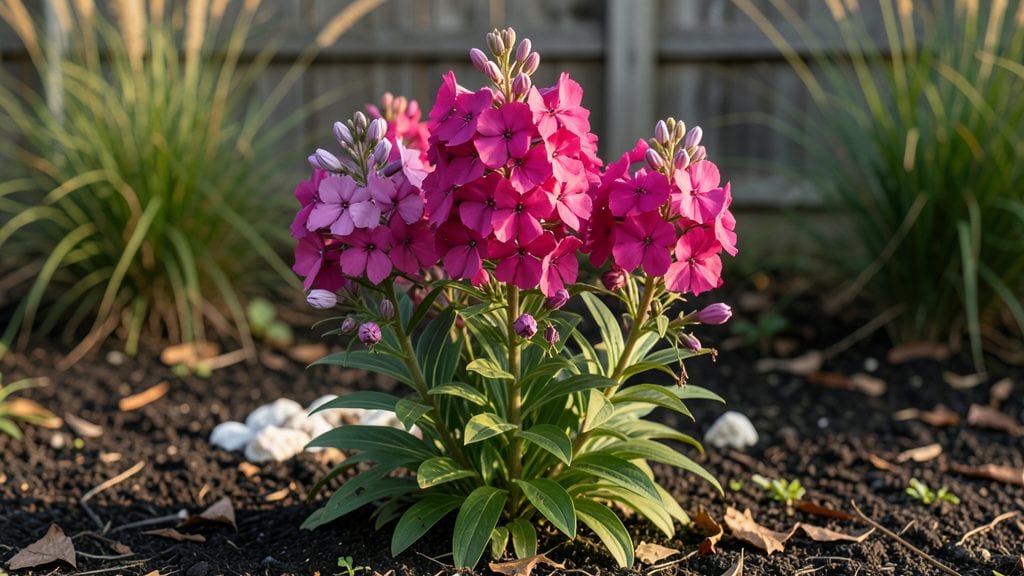
Phlox flowers bloom for 3-6 weeks straight when cared for properly—longer than most gardeners expect. ✨ My garden’s phlox clusters go from tight buds to faded petals in about 21 days, but deadheading spent blooms can stretch that to 8 weeks or more.
The key is timing: start cutting back after the first flush of color fades, and you’ll trigger a second wave of flowers.
Reblooming varieties like David phlox or tall garden phlox are the stars here, producing two to three flower cycles per season if you stay on top of maintenance.
Early spring-blooming types (like creeping phlox) give you 4-6 weeks of color before summer heat slows them down, while late-season varieties keep going until frost. The difference comes down to sunlight, water, and pruning—all of which I’ll break down to maximize your blooms.
You’ll end up with vibrant clusters that draw hummingbirds and butterflies for weeks, not just days. The secret isn’t complicated: remove faded blooms, keep soil moist (but not soggy), and give them full sun to partial shade.
Even in hot climates, a little afternoon shade can keep phlox flowering well into fall. Prune back by one-third after the final bloom cycle to tidy up for winter.
Works for border gardens, cottage-style beds, or even containers—just adjust pruning timing based on your climate. Whether you’re growing phlox for cut flowers or just pure color, this approach turns a short-lived bloom into a season-long showstopper with almost no extra work.
📚 In This Guide
- What you need
- Instructions
- Tips and common mistakes
- Wrapping up and next steps
What you need
- ● Phlox plants: 10–20 Phlox paniculata (garden phlox) or Phlox subulata (moss phlox) plants (depending on garden size)
- ○ Optional: Seed packets (if starting from scratch—germination takes patience!)
- ● Soil: Well-draining, fertile soil (pH 6.0–7.0)
- ● Compost or organic matter (1–2 gallons per plant)
- ○ Optional: Slow-release balanced fertilizer (10-10-10 ratio, 1 lb per 100 sq ft)
- ● Sunlight: Full sun to partial shade (4–6 hours of sunlight daily)
- ● Gardening tools: Trowel or hand shovel
- ● Garden gloves (to protect your hands!)
- ● Watering can or hose with a gentle spray nozzle
- ○ Optional: Pruners (for deadheading or shaping)
- ● Location prep: Spacious garden bed or container (12+ inches deep) for each plant
- ● Mulch (2–3 inches of pine bark or straw to retain moisture)
- ● Knowledge: Basic understanding of plant spacing (12–18 inches apart for garden phlox, 6–12 inches for moss phlox)
- ● Pro tip: Research your USDA hardiness zone (phlox thrives in zones 3–9! 🌡️)
Understanding phlox bloom duration: maximizing season-long color
Here's how to coax the longest possible flowering from phlox—with just a few strategic adjustments.
🌱 Step 1: Choose the Right Phlox Variety for Extended Blooms
Phlox comes in two main types: garden phlox (tall, late-summer bloomers) and creeping phlox (early-spring ground cover). For longest bloom duration, focus on garden phlox varieties like 'David' or 'Blue Moon', bred for 6-8 week flowering periods. These cultivars naturally rebloom more vigorously when given proper care.
I always check the bloom time labels when selecting phlox—some varieties flower for just 3-4 weeks, while others extend to 10 weeks with the right conditions. Creeping phlox typically blooms for 4-6 weeks in spring, but its early season color is unmatched. The key is matching variety to your climate's growing season length.
☀️ Step 2: Provide Optimal Light and Water for Prolonged Flowering
Phlox thrives in full sun to partial shade (6+ hours of sunlight daily), but morning sun with afternoon shade in hot climates prevents early bloom fade. I've seen phlox in 90°F+ heat wilt and drop buds within days—so if your summers run hot, afternoon shade is non-negotiable.
Water deeply twice weekly during the growing season, keeping the top 12 inches of soil consistently moist but never soggy. The secret to extended blooming is consistent moisture—phlox flowers respond by producing more buds when roots stay hydrated. You'll notice buds forming more aggressively when the soil stays evenly damp.
✂️ Step 3: Deadhead and Fertilize Strategically
Deadheading spent blooms every 3-5 days is the #1 way to extend phlox's flowering season. I use clean, sharp scissors to snip just above the first set of healthy leaves below the bloom cluster—this encourages new side shoots to form. The more you deadhead, the more buds phlox will produce.
Feed with a balanced 10-10-10 fertilizer every 4-6 weeks during the growing season. Too much nitrogen makes phlox grow leaves at the expense of flowers, while phosphorus promotes stronger root systems that support more blooms. I always fertilize right after deadheading—this gives the plant energy to produce new flowers immediately.
🌿 Step 4: Protect Against Pests and Diseases
Japanese beetles and powdery mildew are phlox's biggest bloom-killers. I treat beetles with neem oil spray (applied in early morning) and prevent mildew by watering at soil level (never overhead) and spacing plants 18-24 inches apart for airflow. Healthy phlox resists pests better and blooms longer.
If you notice yellowing leaves or white powder, act fast—powdery mildew can defoliate phlox in days. A baking soda spray (1 tsp baking soda + 1 quart water + a drop of dish soap) stops mildew in its tracks. Strong, disease-free plants keep flowering for weeks longer than stressed ones.
Tips & tricks for extending phlox blooms naturally
Real talk: The difference between phlox that fades in weeks and phlox that thrives for months comes down to these simple, science-backed adjustments.
Variety Selection Tip: When choosing phlox, prioritize cultivars labeled for "extended bloom" periods—look for terms like "reblooming" or "prolonged flowering" on seed packets. I've found that 'David' and 'Blue Moon' garden phlox varieties consistently deliver 6-8 weeks of color when given proper care, while creeping phlox typically tops out at 4-6 weeks. The key is understanding each type's genetic potential before planting.
Heat Management Strategy: At temperatures above 90°F, phlox enters survival mode—buds drop and growth slows. To combat this, I recommend installing shade cloth (30-50% coverage) over garden beds during peak afternoon heat. This simple adjustment can extend the blooming season by 2-3 weeks in hot climates while maintaining vibrant color. Morning sun remains essential for photosynthesis, but afternoon protection makes all the difference.
Deadheading Technique: The 3-5 day deadheading schedule in Step 3 isn't just about appearance—it's about redirecting the plant's energy. When you remove spent blooms at the first sign of wilting, you're signaling the plant to focus on producing new buds rather than setting seed. I've seen phlox plants that would normally bloom for 6 weeks extend to 10 weeks simply by maintaining this consistent deadheading routine throughout the season.
Soil Moisture Secret: The "consistently moist" guideline in Step 2 means your finger should sink 1-2 inches into the soil with slight resistance—like a damp sponge. I use a moisture meter to verify this, especially during dry spells. Too little water stresses the plant, while overwatering leads to root rot. The sweet spot creates the perfect conditions for continuous bud formation throughout the blooming season.
Pro Tips for How Long Does Phlox Flower
- Real talk: The difference between phlox that fades in weeks and phlox that thrives for months comes down to these simple, science-backed adjustments.
- Variety Selection Tip: When choosing phlox, prioritize cultivars labeled for "extended bloom" periods—look for terms like "reblooming" or "prolonged flowering" on seed packets.
- Heat Management Strategy: At temperatures above 90°F, phlox enters survival mode—buds drop and growth slows.
Frequently asked questions
Got questions about phlox blooms? We’ve got answers! Here are some of the most common inquiries—from timing to care tips—to help you keep your garden vibrant all season.
How long do phlox flowers typically bloom?
Most phlox varieties bloom for 4–6 weeks per season, but with proper care, they can rebloom! Tall garden phlox (like Phlox paniculata) often flowers in early to mid-summer, while creeping phlox (Phlox subulata) blooms earlier in spring. Deadheading spent blooms encourages longer displays.
Can I extend the blooming season for phlox?
To prolong blooms, deadhead regularly (snip spent flowers) and fertilize lightly with a balanced bloom booster. For perennials like garden phlox, prune back ⅓ of the plant after the first flush—this often triggers a second round of flowers. Mulching also helps retain moisture for healthier growth.
Why isn’t my phlox reblooming this year?
Reblooming can fail due to overcrowding, poor soil, or lack of sunlight. Check if your phlox has enough space (they need 12–18" apart) and well-draining soil. If it’s in shade, move it to a sunnier spot (6+ hours of light). Over-fertilizing with high nitrogen can also stunt blooms—opt for phosphorus-rich feed instead.
What’s the best time to plant phlox for long-lasting blooms?
Plant Phlox paniculata in early spring or fall for the best root establishment. Creeping phlox (Phlox subulata) thrives when planted in fall or early spring—this gives roots time to settle before summer heat. Avoid transplanting during peak summer; phlox hates stress!
Are phlox flowers prone to pests or diseases?
Yes, but don’t worry—most issues are manageable! Japanese beetles love phlox; handpick them or use neem oil. Powdery mildew can appear in humid climates—improve airflow and spray with a fungicide if needed. Choose resistant varieties like ‘David’ or ‘White Delight’ for fewer problems.
Can I cut phlox flowers for bouquets without hurting the plant?
Yes! Cut flowers in the morning when blooms are fully open but still firm. Leave at least ⅓ of the foliage to keep the plant healthy. For long-lasting bouquets, harvest stems at an angle and place them in cool water immediately. Avoid cutting back too much—this can reduce future blooms.
Wrapping up and next steps
Phlox flowers bring months of vibrant color to your garden with minimal effort—typically blooming from late spring to early fall (or even longer in ideal conditions!). Whether you’re growing annual or perennial varieties, their hardiness and quick reblooming make them a low-maintenance star.
With the right care, you’ll enjoy continuous blooms and a pollinator-friendly haven.
Ready to transform your garden? Start by choosing the perfect phlox variety for your climate, then plan your planting schedule—your future floral displays will thank you! 🌸