
Flowers
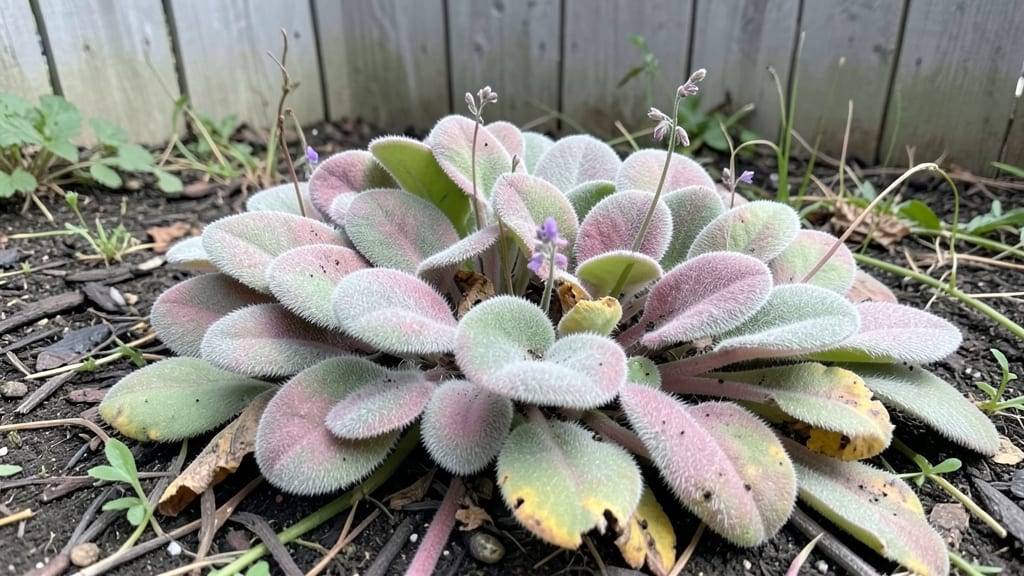
Pairing lamb's ear with pink flowers creates a garden texture showstopper that feels like touching a cloud of soft petals. 🌸 The velvety silver leaves of Stachys byzantina contrast dramatically with delicate pink blooms from plants like pink dianthus or heuchera, making borders and containers pop with visual interest.
This combo works year-round—spring for fresh foliage, summer for blooms, and fall for lingering color.
Start with 3-5 lamb's ear plants as the base, then layer in pink flowers for height and color variation. For borders, mix with pink creeping thyme or salvia to create a low, fragrant edge.
In containers, combine lamb's ear with pink petunias or fuchsia for a cascading effect that draws the eye. The secret? Keep lamb's ear lightly trimmed to encourage bushier growth.
You'll end up with a garden that feels like a living tapestry—soft to the touch, vibrant to the eye, and impossible to ignore. The contrast between lamb's ear's fuzzy texture and the delicate petals of pink flowers creates depth, while the color combination works in sun or partial shade.
This pairing thrives in USDA zones 4-9, making it versatile for most climates.
For extra impact, add pink moss phlox or pink geraniums to extend the blooming season. The key is balancing the silvery foliage with bright pinks to avoid visual overload. Once established, this combo requires minimal maintenance—just occasional trimming and watering. Let's design your dream garden with this stunning texture play!
📚 In This Guide
- What you need
- Instructions
- Tips and common mistakes
- Wrapping up and next steps
What you need
- ● Lamb’s ear plants (Stachys byzantina) (pink-flowering varieties like ‘Big Ears’ or ‘Pink Mist’): 3–5 mature plants (for a 3’ x 3’ area) or Seeds (if starting from scratch—germination can be slow!)
How to plant and maintain lamb's ear for soft texture and pink blooms
This silky ground cover thrives with minimal fuss—here's how to grow it lushly.
🌱 Step 1: Choose the Perfect Planting Location
Lamb's ear adores full sun to partial shade, with at least 6 hours of direct sunlight daily for best foliage color and bloom production. I always test the spot first by observing how fast the soil dries—if it stays damp for more than 4 hours, choose a sunnier location to prevent root rot. The plant's fuzzy silver leaves reflect heat, so afternoon shade in hot climates protects them from scorching.
Amend heavy clay soil with 2-3 inches of compost before planting to improve drainage. Lamb's ear tolerates poor soil but grows most vigorously in well-draining, slightly alkaline conditions (pH 6.0-7.5). If your soil tests acidic, add pelletized lime at planting time to create ideal conditions for those stunning pink flowers.
🪴 Step 2: Plant With Proper Spacing for Full Coverage
For 4 plants (as mentioned in your setup), space them 18-24 inches apart in rows 2 feet apart to allow for spreading. The silvery foliage creates dramatic contrast when planted in 3-4 foot wide swaths—perfect for edging pathways or softening garden borders. Dig holes twice as wide as the root ball but only as deep to prevent burying the crown.
Gently remove plants from containers and tease apart any root-bound roots with your fingers. Place each plant in its hole, then backfill with native soil mixed with 1 cup of compost per plant. Water deeply immediately after planting to settle the roots. Real talk: Overwatering now is better than underwatering—this plant signals thirst by drooping leaves, not wilting.
☀️ Step 3: Water Deeply and Maintain Consistent Moisture
Water once weekly during establishment (first 4-6 weeks) to encourage strong root growth, then reduce to every 10-14 days once established. Lamb's ear stores water in its leaves, so it's surprisingly drought-tolerant once mature. The key is deep watering—soak the soil to 6 inches deep rather than frequent light watering, which promotes shallow roots.
Mulch with 2 inches of shredded bark around each plant to conserve moisture and suppress weeds. Keep mulch 2 inches away from stems to prevent rot. You'll notice the leaves stay crisp and upright when moisture is right—if they appear limp in the morning, increase water slightly. Pink blooms appear most prolifically when plants receive consistent moisture but never soggy conditions.
✂️ Step 4: Prune and Divide for Continuous Bloom
Deadhead spent flowers by snipping stems back to the nearest leaf after blooming to encourage more flowers. I always use clean, sharp pruners to avoid damaging the fuzzy foliage. Prune back 1/3 of the plant in early spring to rejuvenate growth—this prevents woody stems and keeps the silvery texture lush. Wear gloves when handling, as the leaves can be abrasive on bare skin.
Divide clumps every 3-4 years in early spring when new growth appears. Dig up the entire plant, then separate sections with a sharp knife, ensuring each has 3-4 healthy stems. Replant divisions immediately in fresh soil. This prevents overcrowding and keeps your ground cover looking full and vibrant. Here's the thing—dividing also rejuvenates older plants that may produce fewer pink flowers over time.
Tips & tricks for perfect lamb's ear pink flowers
Here's what nobody tells you about growing this velvety ground cover like a pro.
Sunlight Secret: In Step 1, when testing your planting spot, look for areas where the sun disappears by mid-afternoon—this is perfect for hot climates. The fuzzy leaves act like built-in sunscreen, but they'll still scorch if exposed to peak afternoon sun for more than 4 hours daily. I've seen lamb's ear survive in partial shade, but the pink blooms become sparse without that crucial 6-hour sunlight window.
Soil Test Strategy: Before amending your soil in Step 1, grab a soil test kit from your local garden center—it's worth the $10 to confirm pH. Lamb's ear thrives in slightly alkaline soil (6.0-7.5), but most garden soils lean acidic. If your test shows pH below 6.0, mix in pelletized lime at planting time (about 1 pound per 100 square feet). The difference in bloom production is dramatic—you'll notice more vibrant pink flowers within just one growing season.
Root Care Technique: When teasing apart root-bound roots in Step 2, focus on gently separating the roots rather than pulling them apart. Think of it like untangling headphones—work with the natural root shape. I've made the mistake of forcing roots apart, which causes more damage than good. After planting, press the soil firmly around the roots to eliminate air pockets, then water deeply to help settle everything in place.
Watering Wisdom: In Step 3, that 6-inch deep watering might sound like a lot, but it's essential for establishing strong roots. Use a long trowel or your finger to check moisture depth—if the soil feels dry at 6 inches, water again. The key is consistency: lamb's ear stores water in its leaves, so you'll see them perk up within minutes after watering. If they stay limp for more than an hour, your soil might need better drainage or you're overwatering.
Pro Tips for Lambs Ear Pink Flowers
- Here's what nobody tells you about growing this velvety ground cover like a pro.
- Sunlight Secret: In Step 1, when testing your planting spot, look for areas where the sun disappears by mid-afternoon—this is perfect for hot climates.
- Soil Test Strategy: Before amending your soil in Step 1, grab a soil test kit from your local garden center—it's worth the $10 to confirm pH.
Frequently asked questions
Got questions about growing Lamb's Ear with pink flowers? You're not alone!
Here are some common queries—and their answers—to help you cultivate this silky, show-stopping ground cover with confidence.
Why aren’t my Lamb’s Ear plants blooming pink?
Pink flowers on Stachys byzantina (Lamb’s Ear) are rare—most varieties produce white or lavender blooms. If you’re seeing pink, you might have Stachys macrantha (Bear’s Ear) or a hybrid. Ensure your plant gets full sun (6+ hours/day) and well-draining soil; stress or poor conditions can delay (or prevent) blooms entirely.
How do I propagate Lamb’s Ear with pink flowers?
Divide mature clumps in spring or early fall for the easiest propagation. Dig up a section with roots, separate it, and replant. For cuttings, snip 3–4 inch stems, remove lower leaves, dip in rooting hormone, and plant in moist potting mix. Keep soil damp and place in indirect light until roots form (4–6 weeks).
Are pink-flowering Lamb’s Ear plants prone to pests?
While generally pest-resistant, these plants can attract aphids or spider mites in dry conditions. Spray infested areas with neem oil or a soapy water solution. Slugs may nibble young leaves—use copper barriers or diatomaceous earth for organic protection. Healthy plants with good airflow stay resilient!
Can Lamb’s Ear with pink flowers survive winter?
Most varieties are perennial in USDA zones 3–8. Mulch heavily with straw or leaves in late fall to insulate roots. In colder zones (below 3), consider container growing and move pots to a sheltered spot. Prune back dead foliage in early spring—new growth will emerge once temps rise above 50°F.
What are some pink-flowering alternatives to Lamb’s Ear?
If you love the soft texture but want more pink blooms, try:
- Heuchera (Coral Bells) – Vibrant foliage + delicate pink flowers.
- Dianthus (Pinks) – Fragrant, low-growing, and drought-tolerant.
- Calamintha (Calamint) – Pink-lavender blooms with minty scent.
- Sedum (Stonecrop) – Succulent-like with pink clusters.
Wrapping up and next steps
Transforming your garden with Lamb’s Ear pink flowers is a dream come true for any plant enthusiast! These velvety, silvery leaves paired with delicate pink blooms create a serene, high-contrast display that’s as easy to grow as it is beautiful.
Whether you’re a seasoned gardener or just starting out, this plant offers low-maintenance elegance and year-round charm.
Ready to elevate your outdoor space? Start small—plant a few in pots or along a border, then expand as you fall in love with their soft texture and vibrant contrast. Grab your supplies, follow the steps, and let your garden bloom with effortless beauty! 🌸✨