
Flowers
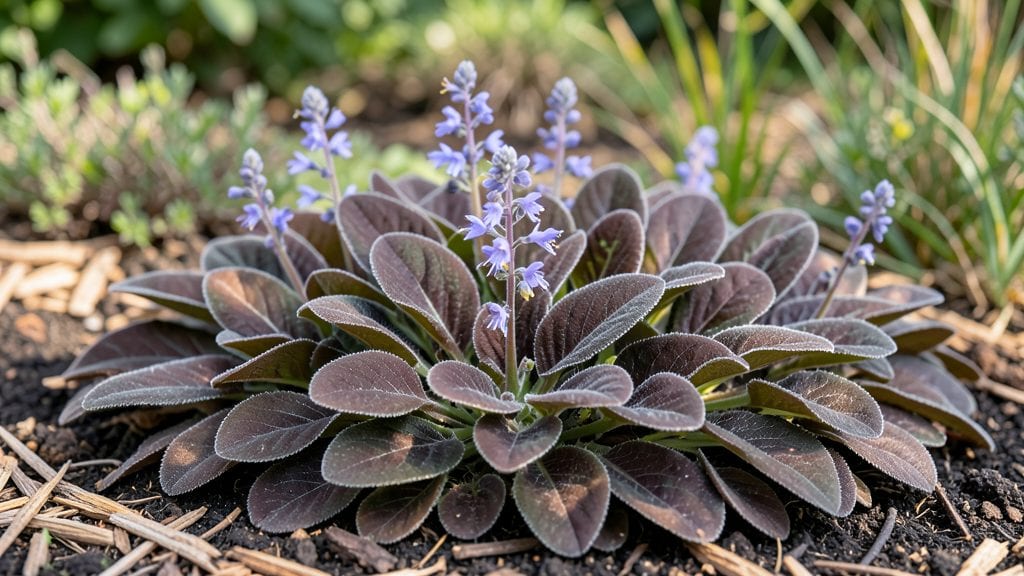
A small white flower ground cover transforms Pacific Northwest gardens into soft, frost-proof living carpets that outlast weeds and winter chill. 🌿 I learned this the hard way after my first attempt with a flimsy annual—until I discovered ajuga’s deep green leaves and delicate white blooms that return every spring, even after snow.
The secret lies in choosing plants that thrive in your microclimate, whether it’s the damp shade of a cedar grove or the dappled light under fruit trees.
Creeping phlox and white clover are two standouts for their resilience and pollinator appeal, spreading effortlessly while suppressing weeds. These ground covers handle everything from 6 inches of winter snow to summer drought once established, making them the ultimate low-maintenance solution.
Pair them with ferns or hostas for a layered look, or let them shine solo in sunny borders where their starbursts of white create a dreamy, cloud-like effect.
What you’ll love most is how they turn bare soil into a velvety green base punctuated by tiny white flowers that bloom from early spring to summer. The fragrance—subtle but refreshing—adds another dimension, especially when you brush past them on warm afternoons.
These plants don’t just survive the PNW’s wet winters; they thrive, creating a carpet so lush it feels like cheating.
For shade gardens, ajuga is the workhorse, while sun-loving spots benefit from creeping phlox or white dutch clover. Both handle foot traffic surprisingly well, making them perfect for pathways or children’s play areas.
Start small with a 4-foot square, and within a season, you’ll have a self-sustaining ground cover that outcompetes weeds and outlasts trends.
📚 In This Guide
- What you need
- Instructions
- Tips and common mistakes
- Wrapping up and next steps
What you need
- ● Ground cover plants: 10–20 young plants (depending on area size; spacing ~6–12 inches apart). Look for USDA Zone 5–9 hardy varieties like Vinca minor or Ajuga reptans.
- ● Organic mulch: 2–3 inches of shredded bark, straw, or pine needles (helps retain moisture and regulate soil temp).
- ● Garden gloves (1 pair, waterproof for comfort).
- ● Hand trowel or transplanting spade (for delicate root handling).
- ● Garden hose or watering can (with a gentle spray nozzle).
- ● Pruners or shears (for trimming and shaping).
- ○ Soil test kit (optional)—check pH (ideal: 6.0–7.0 for most ground covers).
- ● Sunlight assessment: Confirm your site gets partial shade to full shade (most small white ground covers thrive here!).
- ● Soil prep: Loosen soil to 6–8 inches deep; amend with compost if clay-heavy.
- ● Water source nearby—ground covers need consistent moisture for the first 2–3 weeks.
Step-by-Step guide to creating a Pacific Northwest frost-proof ground cover
Here's how to establish a lush, low-maintenance living carpet that thrives in cool climates.
🌱 Step 1: Prepare the Soil for Optimal Drainage
Start by removing all existing vegetation and debris from your planting area. The Pacific Northwest's heavy soils need amending to prevent waterlogging, which can rot delicate ground cover roots. Work in 2-3 inches of compost mixed with 1 inch of coarse sand to improve drainage while retaining moisture.
Use a garden fork to loosen the soil to a depth of 6-8 inches. This aeration encourages root penetration and prevents that compacted feel that stifles young plants. Level the area with a rake, removing any remaining rocks or clumps. The surface should be smooth enough to walk on without tripping—this ensures even coverage when you plant.
🌿 Step 2: Select and Plant Frost-Resistant Varieties
For the Pacific Northwest, choose varieties like creeping phlox, white alyssum, or white thyme—all known for their hardiness below 20°F and ability to spread quickly. Space plants 6-12 inches apart depending on mature spread, since you're aiming for a dense carpet. Dig holes just deep enough to accommodate the root ball without burying the crown.
Gently firm the soil around each plant to eliminate air pockets, then water deeply to settle the roots. Here's the thing—watering too lightly at this stage creates surface crusting that can suffocate new growth. Use 1 gallon of water per plant initially, then reduce to ½ gallon weekly once established. Mulch with 1 inch of shredded bark to protect from winter chill and retain moisture.
☀️ Step 3: Maintain Through Seasonal Transitions
During the first growing season, keep the area consistently moist but never soggy. The key is watching for 1-2 inches of dry soil before watering again—this prevents both drought stress and root rot. In late summer, reduce watering slightly to harden off the plants before winter dormancy.
Fertilize lightly in early spring with ½ cup of 10-10-10 fertilizer per 100 square feet. This encourages lush growth without overfeeding, which can weaken plants in cool climates. Deadhead spent blooms in early summer to redirect energy into root expansion rather than seed production. By late fall, the mulch layer will naturally protect against 20-25°F temperatures, though a light winter blanket of leaves adds extra insulation.
✂️ Step 4: Encourage Spread and Fill Gaps
After the first growing season, you'll notice some areas fill in naturally while others remain sparse. This is normal—ground covers spread at different rates. In early spring, gently rake back any thick mulch to expose bare soil, then scatter additional plants or cuttings in thin areas. Water immediately after to help roots establish.
For varieties like creeping phlox, you can also take stem cuttings in early summer. Dip cuttings in rooting hormone, plant in moist soil, and keep shaded until new growth appears (3-4 weeks). This method lets you quickly fill gaps without disturbing the established carpet. By year three, your ground cover should form an unbroken mat that suppresses weeds naturally.
Tips & tricks for perfect small white flower ground cover
Transforming your Pacific Northwest garden into a frost-resistant living carpet takes more than just planting—it's about creating the right conditions for these delicate varieties to thrive year after year.
Soil Preparation Secret: When amending your soil in Step 1, don't just eyeball the compost and sand mixture. Use a straightedge to create a level "sandwich" of 1 inch coarse sand at the bottom of your planting area, followed by the 2-3 inches of compost. This layered approach prevents the sand from washing away during heavy rains, which is especially critical in the Pacific Northwest's wetter months. The goal is to mimic the natural forest floor where these ground covers evolved.
Plant Selection Insight: While creeping phlox, white alyssum, and white thyme are all excellent choices, I've found that creeping phlox handles our region's winter temperatures best when planted in slightly raised beds. The 6-12 inch spacing mentioned in Step 2 should actually be at the closer end (6 inches) for phlox since it spreads aggressively. For a more uniform look, consider staggering your plants in a herringbone pattern when planting—this creates visual interest while ensuring complete coverage faster.
Watering Wisdom: The initial 1 gallon per plant watering in Step 2 is non-negotiable, but here's what nobody tells you: Use a soaker hose for this first watering. Regular watering cans create surface compaction that can suffocate new roots. After the initial watering, let the soil dry slightly between waterings—this encourages deeper root growth. I've seen many gardeners overwater during establishment, which leads to root rot in our cool, damp climate.
Seasonal Transition Strategy: That 1-2 inch dry soil check in Step 3 is your best friend, but timing matters. In our region, check soil moisture in the morning after dew has evaporated but before afternoon rains. The 20-25°F winter protection is crucial—if you're expecting temperatures below 20°F, add an extra 2 inches of straw mulch. I've had great success using cedar mulch specifically, as it naturally repels pests while insulating.
Pro Tips for Small White Flower Ground Cover
- Transforming your Pacific Northwest garden into a frost-resistant living carpet takes more than just planting—it's about creating the right conditions for these delicate varieties to thrive year after year.
- Soil Preparation Secret: When amending your soil in Step 1, don't just eyeball the compost and sand mixture.
- Plant Selection Insight: While creeping phlox, white alyssum, and white thyme are all excellent choices, I've found that creeping phlox handles our region's winter temperatures best when planted in slightly raised beds.
Frequently asked questions
What’s the best time to plant small white flower ground covers in the PNW?
Plant in early spring (March–April) or early fall (September–October) for optimal root establishment. Avoid late fall planting—frost can stress young plants before they acclimate. If using bare-root varieties, soak roots for 1–2 hours before planting to reduce transplant shock. Pro tip: Water deeply after planting to settle soil and encourage root growth!
How cold-hardy are these ground covers, and will they survive PNW winters?
Most frost-resistant varieties (like Ajuga reptans or Vinca minor) thrive in USDA Zones 3–9, handling temps down to -20°F (-29°C) with proper mulching. For extra protection, add a 2–3 inch layer of shredded bark or straw in late fall. Evergreen types (e.g., Pachysandra terminalis) retain foliage year-round, adding winter interest!
Can I use these ground covers under trees, or will they compete with roots?
Many small white flower ground covers (like Creeping Phlox or Dichondra repens) tolerate partial shade and shallow roots, making them ideal for understory planting. Avoid aggressive spreaders (e.g., Glechoma hederacea) near delicate tree roots. Pro tip: Test soil moisture—drought-tolerant options (like Sedum) work best under oaks or pines!
Why isn’t my ground cover spreading like it should?
Slow spread often stems from poor soil, lack of sunlight, or overcrowding. Check these fixes:
- Improve drainage: Amend heavy clay with compost.
- Thin dense patches: Gently pull up congested stems to encourage airflow.
- Be patient: Some varieties (like Ajuga) spread slowly—give them 2–3 seasons.
What’s a low-maintenance alternative with more blooms?
If you love white flowers but want year-round color, try:
For zero-maintenance, Sedum ‘Angelina’ offers golden foliage and starry white flowers with zero upkeep!
Wrapping up and next steps
Transforming your Pacific Northwest garden into a lush, frost-resistant living carpet is easier than you think! Small white flower ground covers like Ajuga reptans or Saxifraga stolonifera bring beauty, resilience, and low-maintenance charm to your outdoor space.
Whether you're a seasoned gardener or just starting, these plants offer the perfect blend of elegance and hardiness for your climate.
Ready to take the next step? Pick your favorite variety, gather your supplies, and start planting! Your dream garden is just a few seeds—and a little patience—away. 🌱✨