
Flowers
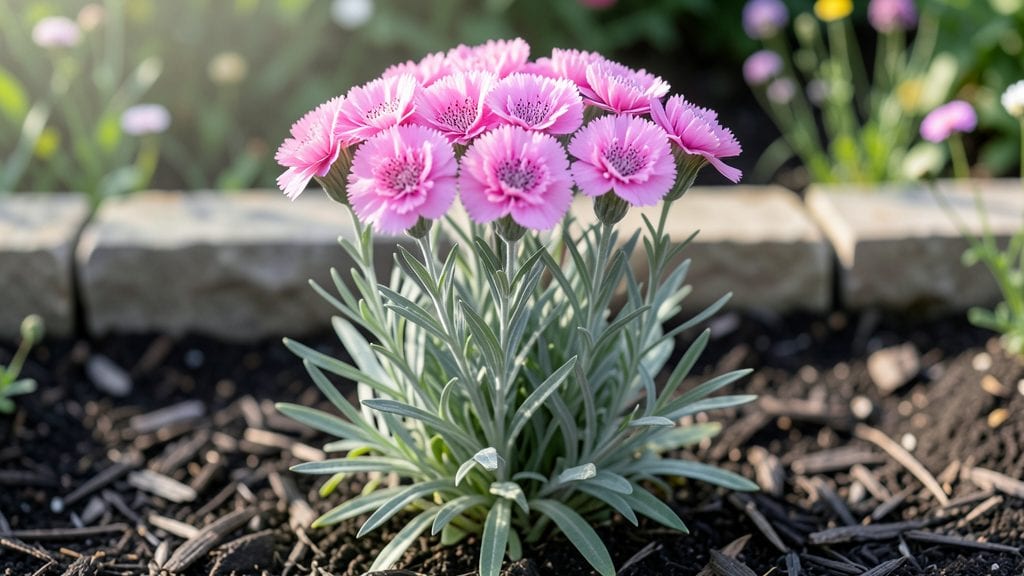
Pink dianthus flowers bring year-round charm with their velvety petals and sweet fragrance, proving that low-maintenance plants can still steal the show. 🌸 I’ve used them to soften sharp garden edges, fill gaps between stones, and even brighten winter containers—all while barely lifting a pruner.
Their secret? A mix of sun, well-draining soil, and just enough water to keep them happy without fuss.
The real magic happens when you pair them with the right neighbors. Try them alongside lavender for a Mediterranean border, or mix with dusty miller for a cottage-garden look that feels timeless.
In containers, they thrive with ornamental grasses or silver foliage plants, creating a textured, layered display that lasts from spring through frost. Even in winter, their rosy hues pop against evergreens or snow.
What you’ll love most is how effortlessly they fit into any scheme—whether you’re going for rustic, formal, or wild. A single plant can anchor a corner, while a cluster of them spills over container edges like a cascade of confetti.
And because they bloom repeatedly, you get color without constant deadheading. The only rule? Plant them where they’ll get at least six hours of sun daily.
For rock gardens, tuck them into crevices where their trailing stems can soften hard lines. In borders, space them 12-18 inches apart for a lush, natural look. The key to their staying power?
A little mulch to retain moisture and keep roots cool. Once established, they’ll reward you with months of blooms—and zero guilt over neglect.
📚 In This Guide
- What you need
- Instructions
- Tips and common mistakes
- Wrapping up and next steps
What you need
- ● Pink Dianthus Plants: 3–5 nursery-grown plants (check for healthy foliage and blooms). Pro tip: Choose varieties like Dianthus barbatus (Sweet William) or Dianthus chinensis for classic pink hues!
- ● Well-draining soil: 5–10 bags of potting mix (or garden soil amended with 1 part perlite/sand to 3 parts compost). Pink dianthus hates soggy roots!
- ● Sunlight: A full-sun location (6+ hours of direct sunlight daily). Partial shade works for cooler climates.
- ● Watering can or hose: With a gentle spray nozzle (avoid heavy water pressure).
- ● Fertilizer: Balanced, slow-release granules (10-10-10 or 5-10-5 ratio) or liquid bloom booster (diluted to half-strength).
- ● Garden trowel or transplant spade (for digging holes 2–3x wider than the root ball).
- ● Gloves (gardening or work gloves to protect hands from thorns).
- ○ Mulch (optional): 2–3 inches of shredded bark or straw to retain moisture and suppress weeds.
- ● Pruning shears (for deadheading spent blooms—sterilize with rubbing alcohol first!).
- ○ Stakes or cages (optional): If your variety is tall or top-heavy (e.g., Dianthus gratianopolitanus).
- ● Best planting time: Seeds: Start indoors 8–10 weeks before last frost (or direct-sow in spring/fall in mild climates).
- ● Transplants: Early spring or early fall (avoid summer heatwaves!).
- ● Hardiness zones: 3–9 (check your local zone here).
- ● Winter care (zones 3–5): Add 2–3 inches of mulch after first frost to protect roots.
How to grow and maintain vibrant pink dianthus year-round
Here’s my no-fuss approach to growing these cheerful, drought-tolerant blooms that reward you with color all season.
🌱 Step 1: Choose the Right Location for Sun and Drainage
Pink dianthus thrives in full sun—at least 6 hours daily—but tolerates morning sun with afternoon shade in hotter climates. I always plant mine where the soil stays warm but never soggy, since wet roots invite rot. Test your spot by pressing your finger 1 inch deep—if it feels damp after rain, amend the soil with 1 part perlite to 3 parts native soil to improve drainage.
Here’s the thing—these flowers hate competition. Space them 12-18 inches apart so air circulates freely. Crowding leads to weak stems and fewer blooms. If your garden soil is heavy clay, mix in 1 inch of coarse sand to prevent water pooling around the roots.
🪴 Step 2: Plant at the Correct Depth and Water Gently
Dig holes twice as wide as the root ball but only as deep as the container the plant came in. This keeps the crown (where stems meet roots) just above soil level—burying it too deep smothers the plant. Gently loosen the roots if they’re circling the pot, then place the dianthus in and backfill with soil, pressing lightly to remove air pockets.
Water deeply right after planting—soak the soil until water runs out the drainage holes. Then, let the top 1 inch of soil dry completely before watering again. Overwatering is the fastest way to kill dianthus. You’ll know it’s time when the soil feels dry to the touch and the leaves start to look slightly wilted (they perk up quickly after watering).
☀️ Step 3: Feed Lightly and Prune Strategically for Continuous Blooms
Skip heavy fertilizers—dianthus prefers lean soil. Instead, mix ½ cup of 10-10-10 granular fertilizer into the soil at planting time. Then, every 6 weeks, sprinkle 1 tablespoon of slow-release fertilizer around the base, keeping it 2 inches away from stems. This encourages blooms without promoting leafy growth at the expense of flowers.
Here’s where it gets easy: deadhead spent blooms by pinching off the faded flower head with your fingers (no shears needed). This triggers new buds to form. Don’t cut into the green foliage—just remove the dead bloom. You’ll see fresh blooms appear in 2-3 weeks if the plant is otherwise happy. In fall, give the plant a light trim to tidy up, but don’t cut into old wood—new growth emerges from the base.
✂️ Step 4: Protect from Pests and Winter Conditions
Dianthus attracts aphids, but a strong spray of water usually knocks them off. For stubborn infestations, mix 1 teaspoon of neem oil with 1 quart of water and spray the undersides of leaves (where pests hide). Reapply every 5 days until they’re gone. Avoid chemical sprays—they can damage the delicate blooms.
In winter, mulch with 1 inch of shredded bark to insulate roots, but keep the mulch 2 inches away from stems to prevent rot. If you’re in a Zone 5 or colder, cover plants with burlap during hard freezes. Dianthus is surprisingly cold-hardy, but sudden temperature swings can shock the plant. Watch for yellowing leaves—this usually means too much moisture or cold stress. Adjust watering and protect from wind until spring.
Tips & tricks for perfect pink dianthus care
These simple strategies will help your pink dianthus thrive with minimal fuss—because nobody has time for finicky flowers.
Sunlight Strategy: While dianthus loves those 6 hours of full sun, I’ve found they actually perform best with morning sun paired with afternoon shade in hotter zones. The key is avoiding the intense midday heat that can scorch petals. If your garden gets brutal afternoon sun, consider planting near a wall or under a light trellis that provides dappled shade. The flowers will stay vibrant longer and last through more heatwaves.
Root Health Secret: When testing soil moisture in Step 1, I press my finger 1 inch deep—but here’s the thing: if your soil stays damp longer than 24 hours after rain, you’re dealing with poor drainage. The fix is simple: mix 1 part perlite to 3 parts soil for containers, or dig in 1 inch of coarse sand for in-ground plantings. This prevents that dreaded root rot that turns your pretty flowers into sad, wilted messes.
Watering Wisdom: The instructions mention letting the top 1 inch of soil dry before watering, but I’ve learned to watch for the slight wilt in the leaves—it’s their way of saying “I’m thirsty!” Water deeply until it runs out the drainage holes, then wait. Overwatering is the silent killer of dianthus, so I always check soil moisture before watering again. Pro tip: Use a moisture meter for containers—it’s worth the investment to keep your plants happy.
Fertilizer Timing: That ½ cup of 10-10-10 fertilizer at planting sets the foundation, but the real magic happens with the 6-week feeding schedule. I’ve found the best time to fertilize is right after you deadhead blooms—this gives the plant a little boost to produce new flowers. And here’s a trick: mix the fertilizer with a little water first, then sprinkle it around the base. This prevents it from burning the delicate stems, especially in hot weather.
Pro Tips for Pink Dianthus Flower
- These simple strategies will help your pink dianthus thrive with minimal fuss—because nobody has time for finicky flowers.
- Sunlight Strategy: While dianthus loves those 6 hours of full sun, I’ve found they actually perform best with morning sun paired with afternoon shade in hotter zones.
- Root Health Secret: When testing soil moisture in Step 1, I press my finger 1 inch deep—but here’s the thing: if your soil stays damp longer than 24 hours after rain, you’re dealing with poor drainage.
Frequently asked questions
Got questions about growing and caring for pink dianthus flowers? You’re not alone! Here are some of the most common queries—plus quick, practical answers to keep your garden blooming effortlessly.
How often do pink dianthus flowers need watering?
Pink dianthus thrives with moderate moisture—water deeply once a week (or more in extreme heat). Avoid soggy soil, as these flowers hate "wet feet." A 1-2 inch soil test with your finger is your best friend! Mulch around the base to retain moisture and deter weeds.
When is the best time to plant pink dianthus?
For spring blooms, plant in early fall (6-8 weeks before frost). If you want summer color, plant in late winter or early spring (as soon as the soil is workable). Pink dianthus is hardy in zones 3-9, so timing depends on your climate—just avoid planting in scorching heat!
Why aren’t my pink dianthus flowers blooming?
No blooms? Check these fixes:
- Deadhead spent flowers regularly to encourage new growth.
- Ensure they get full sun (6+ hours/day)—shady spots = fewer blooms.
- Fertilize lightly with low-phosphorus food (like 5-10-10) in early spring.
- Pink dianthus may rest in summer heat—don’t panic! They’ll bounce back in cooler months.
Can I grow pink dianthus in containers?
Use a well-draining pot (at least 12 inches deep) with a mix of potting soil and perlite. Plant 3-5 flowers per container for a full look. Containers dry out faster, so water 2-3 times weekly in hot weather. Bonus: Container dianthus is perfect for patios or balconies!
What pests should I watch for with pink dianthus?
Keep an eye out for:
- Aphids (tiny green/black bugs on stems)—blast off with water or use neem oil.
- Spider mites (webbing on leaves)—spray with water to deter them.
- Slugs/snails (chewed leaves)—set out beer traps or copper barriers.
Pink dianthus is generally pest-resistant, but early intervention keeps them thriving!
Are there pink dianthus varieties that bloom all year?
While no variety blooms nonstop in all climates, some ever-blooming types (like 'Firewitch' or 'Pink Skyrocket') produce spring-to-fall color in mild zones. For winter interest, pair them with heather or pansies—they’ll fill gaps while your dianthus rests.
Wrapping up and next steps
Incorporating pink dianthus flowers into your garden is a game-changer—offering vibrant color with almost no fuss! Their resilience, minimal pruning needs, and cheerful blooms make them a perfect choice for both beginners and seasoned gardeners.
Whether you’re brightening up a border, adding charm to containers, or simply enjoying their sweet fragrance, these flowers prove that beauty doesn’t have to mean hard work.
Ready to bring a splash of pink to your outdoor space? Start by picking your favorite variety, gathering your supplies, and diving into the simple steps to plant and care for them. Your low-maintenance, high-impact garden awaits—happy planting! 🌸✨