
Flowers
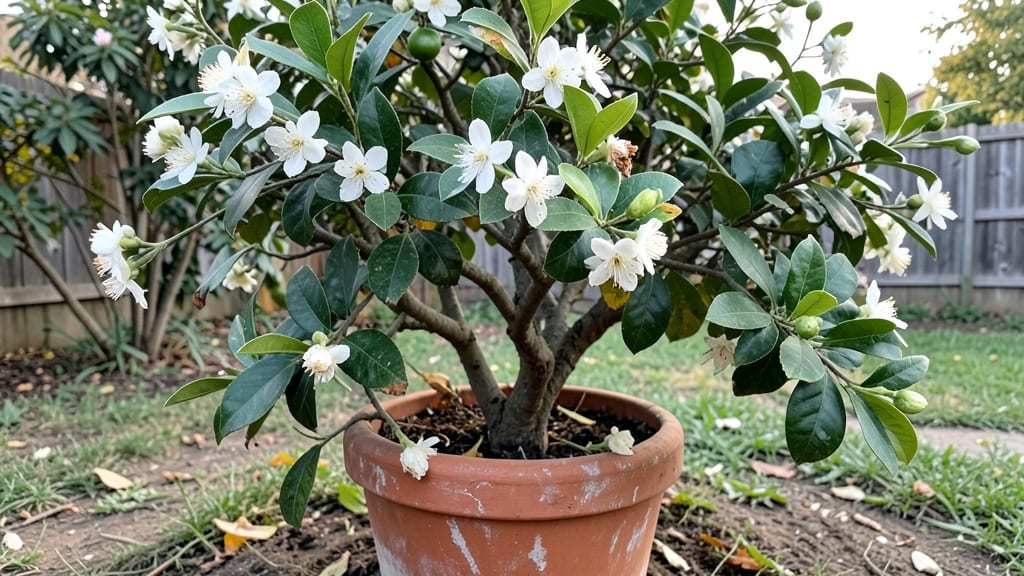
Growing orange-tinted jasmine flowers like Jasminum officinale 'Aureum' is like cultivating a fragrant citrus dream—peachy-orange blossoms that smell like a Mediterranean sunset. 🌸 I’ve grown these in containers for years, and they thrive when you mimic their natural tropical habits.
The key? Well-draining soil, bright but filtered light, and a watering routine that keeps roots happy without drowning them.
These jasmine varieties aren’t just pretty—they’re hardy little powerhouses. 'Aureum' has golden-yellow foliage that deepens to peach-orange in cooler months, while Jasminum sambac 'Mogra' produces clusters of tiny, citrus-scented blooms that attract pollinators like crazy.
The best part? They adapt beautifully to containers, making them perfect for patios, balconies, or even sunny windowsills.
By summer’s end, you’ll have a vine lush with fragrant blossoms that perfume the air and draw hummingbirds to your space. The secret to their success lies in pruning after blooms fade and fertilizing lightly during growing season—no heavy-handedness needed.
Even in small spaces, these jasmines deliver a tropical escape with minimal fuss.
Whether you’re dealing with yellowing leaves or slow blooming, I’ve got troubleshooting tips to keep your orange jasmines thriving. Let’s get those roots settled and those blossoms blooming!
📚 In This Guide
- What you need
- Instructions
- Tips and common mistakes
- Wrapping up and next steps
What you need
- ● Jasmine Orange Tree Seedling or Grafted Plant: Choose a Citrus × jasmine hybrid (e.g., 'Meyer Lemon' crossed with jasmine) from a reputable nursery. Size: 1–3 gallons (young plants thrive faster!).
- ● Container: A durable, well-draining pot (15–20 gallons for mature trees). Material: Terra cotta or fabric grow bags (prevents root rot). Drainage: Mandatory! Drill holes if needed.
- ● High-Quality Potting Mix: Citrus-specific blend (60% inorganic, 40% organic). Add: Perlite or pumice (20%) for aeration.
- ● Slow-Release Fertilizer: Citrus formula (14-14-14 or 8-3-9) with micronutrients. Dosage: 1 tbsp per gallon of soil.
- ● Organic Mulch: Pine bark fines or shredded leaves (1–2 inches thick) to retain moisture.
- ● Basic Gardening Tools: Trowel or small shovel
- ● Pruning shears (sterilized with rubbing alcohol)
- ● Spray bottle (for misting)
- ○ Optional (But Helpful!): pH meter (ideal range: 6.0–7.0)
- ● Drip irrigation kit or self-watering container
- ● Grow lights (if indoors; 12–14 hours/day)
- ● Humidity tray (pebbles + water for tropical vibes!)
- ● Sunlight: Full sun (6+ hours/day). South-facing windows or outdoor spots work best.
- ● Temperature: Ideal: 65–85°F (55°F minimum). Frost? Bring indoors immediately!
- ● Watering: Keep soil consistently moist (not soggy!). Frequency: 2–3 times/week (adjust for heat/dry air).
- ● Humidity: 40–60%. Mist leaves or use a humidifier in dry climates.
Step-by-step instructions for cultivating fragrant citrus hybrids in containers
Here’s how to coax these delicate, fragrant citrus hybrids into thriving container plants.
🪴 Step 1: Choose the Right Container and Drainage Setup
Select a 12-15 gallon container with drainage holes—these plants despise soggy roots. Unglazed terra cotta works best because it breathes, but avoid plastic if your climate swings between hot days and cold nights. Place a 2-inch layer of coarse gravel at the bottom to prevent compaction and improve aeration.
I always test drainage by filling the empty pot with water—if it drains completely in under 30 seconds, it’s ready. If not, add more gravel or drill additional holes. The right setup prevents root rot, which is the #1 killer of container citrus.
🌱 Step 2: Prepare a Well-Draining Citrus-Specific Mix
Fill the container with a blend of 50% premium potting mix, 30% perlite, and 20% coarse sand. This ratio mimics the fast-draining Mediterranean soils these hybrids evolved in. Avoid garden soil—it compacts and suffocates roots. I like to pre-moisten the mix until it’s damp like a wrung-out sponge before planting.
Citrus roots are shallow but sensitive to waterlogging. A quick test: squeeze a handful of your mix—it should hold shape but crumble easily when tapped. If it sticks together, add more perlite. This ensures oxygen reaches the roots while retaining enough moisture for fragrance development.
☀️ Step 3: Plant and Position for Maximum Sunlight
Remove the plant from its nursery pot and loosen the roots if they’re circling. Place it in the container so the root flare (where roots meet trunk) sits 1 inch below the rim. Backfill with your mix, pressing gently to eliminate air pockets but not compacting.
These hybrids need full sun (6-8 hours daily) to produce their signature orange-scented blooms. A south-facing spot is ideal, but if you’re in a hot climate, provide afternoon shade to prevent leaf scorch. I’ve found that rotating the pot quarter-turn weekly keeps growth even and prevents lopsided development.
💧 Step 4: Establish a Consistent Watering Routine
Water deeply every 3-4 days in summer, letting 2-3 inches of soil dry between sessions. In winter, reduce to once weekly. The key is to soak the entire root ball until water runs freely from the drainage holes—this encourages deep root growth. I always check moisture by sticking my finger 2 inches down; if it’s dry, it’s time to water.
Overwatering is the fastest way to kill these plants. Yellowing leaves or mushy stems mean you’re drowning the roots. If this happens, let the soil dry completely for 2-3 days before resuming your schedule. A moisture meter helps, but your finger works just as well.
✂️ Step 5: Prune and Fertilize for Fragrance and Fruit
Prune in late winter to shape the plant and encourage branching. Remove any dead or crossing branches first, then cut back leggy growth by one-third. I always sterilize my pruners with rubbing alcohol to prevent disease—citrus is prone to fungal infections if cuts aren’t clean.
Feed with a balanced citrus fertilizer (6-6-6) every 4-6 weeks during growing season. The goal is to promote blooms, not just leaves. You’ll know it’s working when you see new growth with tiny flower buds forming in spring. Reduce fertilizer in fall to let the plant rest—this primes it for next year’s fragrance.
Tips & tricks for perfect fragrant citrus hybrids in containers
Real talk: these jasmine-scented citrus trees are fussy about their environment—but once you nail these details, you’ll be rewarded with intoxicating blooms and sweet fruit. Here’s what nobody tells you about keeping them thriving.
Container Size Matters: That 12-15 gallon requirement isn’t arbitrary—citrus roots spread wider than they grow deep. If you’re tempted to go smaller, think again: a 10-gallon pot will stunt growth and reduce fragrance output. The extra space gives roots room to explore while maintaining that critical root flare position 1 inch below the rim. I’ve seen plants in undersized containers develop gnarled roots that circle like pretzels—this restricts nutrient uptake and weakens the plant’s ability to produce those signature jasmine-scented blossoms.
Soil Texture is Everything: The 50-30-20 mix of potting soil, perlite, and sand isn’t just a suggestion—it’s a survival requirement. I learned this the hard way when my first attempt with regular garden soil led to root rot within weeks. The key is that crumbly texture: when you squeeze your mix, it should feel like a damp sponge that holds together but breaks apart with gentle pressure. Too much sand? Add 10% more perlite. Too dense? Mix in extra potting soil. This balance prevents both waterlogging and drought stress, both of which kill citrus faster than you’d think.
Sunlight Strategy for Your Climate: Those 6-8 hours of full sun are non-negotiable for fragrance production, but here’s the catch: if you’re in a hot, dry climate (think Southern California or Arizona), you’ll need to adjust. Start with morning sun only, then move to partial afternoon shade after the first month. I’ve watched plants scorch in direct afternoon heat—leaves turn crispy and brown within days. The quarter-turn weekly rotation isn’t just about looks; it ensures even exposure so the plant doesn’t develop a lopsided growth pattern that weakens its structure and reduces bloom production.
Watering Wisdom: The finger test at 2 inches down is your best friend, but here’s what I’ve found works even better: use a chopstick or dowel marked at 2 inches. Insert it daily—when it comes out clean, water thoroughly. The critical detail? Water until it runs freely from drainage holes for 30 seconds. This ensures the entire root ball gets hydrated, not just the top layer. In winter, I cut back to once weekly but double-check that top 2 inches—citrus can’t handle soggy soil even in cooler months.
Pro Tips for Jasmine Flower Orange
- Real talk: these jasmine-scented citrus trees are fussy about their environment—but once you nail these details, you’ll be rewarded with intoxicating blooms and sweet fruit.
- Container Size Matters: That 12-15 gallon requirement isn’t arbitrary—citrus roots spread wider than they grow deep.
- Soil Texture is Everything: The 50-30-20 mix of potting soil, perlite, and sand isn’t just a suggestion—it’s a survival requirement.
Frequently asked questions
Got questions about growing jasmine flower orange trees? You’re not alone! Here are some of the most common queries—plus quick, practical answers to help your fragrant citrus thrive.
How often should I water my jasmine orange tree in a container?
Water your container-grown jasmine orange tree when the top 1–2 inches of soil feel dry. In hot months, this could mean every 2–3 days, while cooler seasons may stretch it to once a week. Overwatering is the biggest risk—ensure pots have drainage holes to prevent root rot.
When will my jasmine orange tree bloom and produce fruit?
Patience is key! With proper care, expect jasmine-scented flowers within 2–3 years of planting. Fruit may take 3–5 years, depending on sunlight, soil, and variety. Young trees focus on root growth first—keep them in bright, indirect light and fertilize lightly (like a citrus blend) to encourage blooms.
Can I grow a jasmine orange tree indoors year-round?
These trees thrive indoors near south- or west-facing windows with 6+ hours of sunlight daily. If natural light is limited, supplement with a grow light. Keep humidity up (mist leaves or use a pebble tray) and rotate the pot monthly for even growth. Just avoid drafts or sudden temperature swings—60–75°F is ideal.
What’s the best fertilizer for jasmine orange trees?
Use a balanced citrus fertilizer (like 6-6-6 or 8-3-9) during spring and summer, applying every 4–6 weeks. In fall/winter, reduce to once a month or switch to a low-nitrogen option to support dormancy. Avoid over-fertilizing—yellow leaves or leaf drop are red flags!
Why are my jasmine orange leaves turning yellow or dropping?
Yellowing leaves often signal overwatering, nutrient deficiency, or pests (like spider mites). Check soil moisture first—let it dry slightly between waterings. If pests are the culprit, wipe leaves with neem oil or insecticidal soap. For nutrient issues, flush the soil with water and resume fertilizing.
Can I grow a jasmine orange tree in cold climates?
While these trees love warmth, you can grow them outdoors in USDA Zones 9–11. In colder areas, keep them in containers and move them indoors before temperatures drop below 40°F. If outdoors, mulch the base and protect with burlap wraps during frosts. Dwarf varieties adapt better to pots and indoor transitions.
Wrapping up and next steps
The jasmine flower orange tree is a fragrant, low-maintenance gem that brings the beauty of citrus and the allure of jasmine into your space—perfect for containers! Whether you’re drawn to its sweet citrus scent or its vibrant blooms, this hybrid is a rewarding addition to any home garden.
With the right care, you’ll enjoy its aromatic flowers, tangy fruit, and lush greenery for years to come.
Ready to grow your own? Start by gathering your supplies, then follow the steps to nurture your tree with confidence. Your fragrant, citrusy oasis is just a few seeds (or saplings) away! 🌱✨